


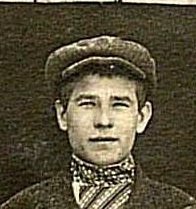


Laktionov Nikolay Iosifovich
CITY: khutor Lukachevka DATE OF BIRTH: 06/03/1923 DATE OF DEATH: 06/07/1995 HISTORY: Title: Senior Sergeant Type of troops: Ground Forces, Air Force (except naval aviation), coastal service, NKVD troops, border troops Subdivision: 397th Infantry Session Order of Kutuzov Division. The older generation of Malakeevites remembers Nikolai Iosifovich Laktionov, who in 1956-58 worked as the secretary of the party committee, and then until 1964 as chairman of the Sverdlov collective farm. He was a very energetic person, he took care of the collective farm business, because he himself was from the peasants. After the end of the war, he served in the 100th separate reconnaissance company of the rifle division, was deputy platoon commander. Senior sergeant, a former front line intelligence officer, he was in good standing with the command of the military unit, he was offered to stay in the service. But family circumstances got in the way: they wrote from home how difficult life is in the hungry post-war years. It was a pity for my mother (my father died at the front), who herself had to raise her family. Therefore, Nikolai Iosifovich returned home - to the Lukichevka farm, where he was born in June 1923 and raised in a peasant family. There was almost no childhood. He graduated from the 7th grade of the Malakeevskaya school, then - the Facrory and Works educational school and worked at a mine in Donbass. And in August 1941 the Red Army was drafted. On an autumn November day, Nikolai walked from the regional center of Nikitovka home to Lukichevka, carrying a full suitcase of groceries and army gifts to his relatives. A soldier walked and recalled his front-line roads of the Great Patriotic War, which he walked in four years. As an eighteen-year-old boy, he got to the front, fought, sparing his life, was wounded four times, but survived. He fought in the infantry. At first he was a machine gunner of the 40th rifle regiment. The young soldier received his baptism of fire in the battles near Moscow. Then he fought in the Kalinin region. On May 19, 1942, in a battle near the city of Staraya Russa, he was seriously wounded. After the hospital - the front again. He got into a platoon of the Antitank Rifle 448 infantry regiment, soon became the commander of the weapons crew. In one of the battles he knocked out a German tank from an anti-tank gun, for which he was awarded the Order of the Red Star. After treating the second wound, in January 1943, Nikolai Iosifovich fought in the 397th rifle division in an anti-tank rifle platoon. In May 1943, after treating a wound in the leg, he returned to his regiment, got into divisional reconnaissance. In a short time he studied a marching radio station, mastered the Morse code. So in the 545th separate reconnaissance company he served until the end of the war. His combat path ran from the Kursk Bulge to the Elbe. More than once he had to go to the rear of the enemy for the "tongue." Together with the reconnaissance group, he participated in the capture of about 40 "tongues". Once in Belarus, the intelligence officer took an important "tongue" - the commander of a cavalry regiment, who had valuable information. For this he was awarded the Order of the Red Star. In Poland, the reconnaissance group captured three "tongues" at once, and not ordinary soldiers, but officers. They gave valuable information to the command of the division. For this operation, Nikolai Iosifovich received the Order of Glory of the third degree. And for crossing the Oder River on January 31, 1945, he was awarded the Order of Glory, second degree. Many times the brave intelligence officers looked death in the face. Once (this was in Germany) the intelligence officers were looking for a house to live in. One of them went to check the house. They waited, waited, but he was not there. The commander sent Nikolai to find out what was the matter. Laktionov entered the house, and immediately someone shot him with a pistol. The bullet hit the neck. Already falling, Nikolai caught a glimpse of the gunman. It was a German officer in civilian clothes. When I woke up, I saw a dead comrade lying next to me. Bleeding, Nikolai went out into the courtyard and saw the same German officer sitting in the park. Pulling up the Shpagin subgun, he stitched it with a long burst of machine guns. Once again, Nikolai Iosifovich managed to avoid death. So, remembering his front line, about military affairs, and Nikolay got to his native village. The rest was short-lived. Already in December, he became the chairman of the Dolzhansky general store, and in 1952-54 - the director of the Nikitovskaya procurement office. Then she studied at the trade and cooperative school in the city of Engels. After its completion, a soldier, order bearer, and besides, a member of the CPSU (b) since July 1943, N.I. Laktionov was promoted to party work. He was elected secretary of the party committee of the enlarged Khrushchev collective farm. When this collective farm was divided into two, N.I. Laktionov was elected chairman of the new collective farm named after Sverdlov. These were the years of the establishment of the economy, the improvement of the welfare of its workers. From June 1, 1965, Nikolai Iosifovich again worked in trade - as deputy chairman of the regional consumer union, director of the Veidelevsky RTO. And when he left for a well-deserved rest, he bore the title; - personal pensioner of local importance. In all leading positions, N.I. Laktionov showed himself to be a skillful leader, a decent, modest person.
Laktionov Nikolay Iosifovich
CITY: khutor Lukachevka DATE OF BIRTH: 06/03/1923 DATE OF DEATH: 06/07/1995 HISTORY: Title: Senior Sergeant Type of troops: Ground Forces, Air Force (except naval aviation), coastal service, NKVD troops, border troops Subdivision: 397th Infantry Session Order of Kutuzov Division. The older generation of Malakeevites remembers Nikolai Iosifovich Laktionov, who in 1956-58 worked as the secretary of the party committee, and then until 1964 as chairman of the Sverdlov collective farm. He was a very energetic person, he took care of the collective farm business, because he himself was from the peasants. After the end of the war, he served in the 100th separate reconnaissance company of the rifle division, was deputy platoon commander. Senior sergeant, a former front line intelligence officer, he was in good standing with the command of the military unit, he was offered to stay in the service. But family circumstances got in the way: they wrote from home how difficult life is in the hungry post-war years. It was a pity for my mother (my father died at the front), who herself had to raise her family. Therefore, Nikolai Iosifovich returned home - to the Lukichevka farm, where he was born in June 1923 and raised in a peasant family. There was almost no childhood. He graduated from the 7th grade of the Malakeevskaya school, then - the Facrory and Works educational school and worked at a mine in Donbass. And in August 1941 the Red Army was drafted. On an autumn November day, Nikolai walked from the regional center of Nikitovka home to Lukichevka, carrying a full suitcase of groceries and army gifts to his relatives. A soldier walked and recalled his front-line roads of the Great Patriotic War, which he walked in four years. As an eighteen-year-old boy, he got to the front, fought, sparing his life, was wounded four times, but survived. He fought in the infantry. At first he was a machine gunner of the 40th rifle regiment. The young soldier received his baptism of fire in the battles near Moscow. Then he fought in the Kalinin region. On May 19, 1942, in a battle near the city of Staraya Russa, he was seriously wounded. After the hospital - the front again. He got into a platoon of the Antitank Rifle 448 infantry regiment, soon became the commander of the weapons crew. In one of the battles he knocked out a German tank from an anti-tank gun, for which he was awarded the Order of the Red Star. After treating the second wound, in January 1943, Nikolai Iosifovich fought in the 397th rifle division in an anti-tank rifle platoon. In May 1943, after treating a wound in the leg, he returned to his regiment, got into divisional reconnaissance. In a short time he studied a marching radio station, mastered the Morse code. So in the 545th separate reconnaissance company he served until the end of the war. His combat path ran from the Kursk Bulge to the Elbe. More than once he had to go to the rear of the enemy for the "tongue." Together with the reconnaissance group, he participated in the capture of about 40 "tongues". Once in Belarus, the intelligence officer took an important "tongue" - the commander of a cavalry regiment, who had valuable information. For this he was awarded the Order of the Red Star. In Poland, the reconnaissance group captured three "tongues" at once, and not ordinary soldiers, but officers. They gave valuable information to the command of the division. For this operation, Nikolai Iosifovich received the Order of Glory of the third degree. And for crossing the Oder River on January 31, 1945, he was awarded the Order of Glory, second degree. Many times the brave intelligence officers looked death in the face. Once (this was in Germany) the intelligence officers were looking for a house to live in. One of them went to check the house. They waited, waited, but he was not there. The commander sent Nikolai to find out what was the matter. Laktionov entered the house, and immediately someone shot him with a pistol. The bullet hit the neck. Already falling, Nikolai caught a glimpse of the gunman. It was a German officer in civilian clothes. When I woke up, I saw a dead comrade lying next to me. Bleeding, Nikolai went out into the courtyard and saw the same German officer sitting in the park. Pulling up the Shpagin subgun, he stitched it with a long burst of machine guns. Once again, Nikolai Iosifovich managed to avoid death. So, remembering his front line, about military affairs, and Nikolay got to his native village. The rest was short-lived. Already in December, he became the chairman of the Dolzhansky general store, and in 1952-54 - the director of the Nikitovskaya procurement office. Then she studied at the trade and cooperative school in the city of Engels. After its completion, a soldier, order bearer, and besides, a member of the CPSU (b) since July 1943, N.I. Laktionov was promoted to party work. He was elected secretary of the party committee of the enlarged Khrushchev collective farm. When this collective farm was divided into two, N.I. Laktionov was elected chairman of the new collective farm named after Sverdlov. These were the years of the establishment of the economy, the improvement of the welfare of its workers. From June 1, 1965, Nikolai Iosifovich again worked in trade - as deputy chairman of the regional consumer union, director of the Veidelevsky RTO. And when he left for a well-deserved rest, he bore the title; - personal pensioner of local importance. In all leading positions, N.I. Laktionov showed himself to be a skillful leader, a decent, modest person.
0 comment




2026 © Russian Military Historical Society Developed by Jetmix