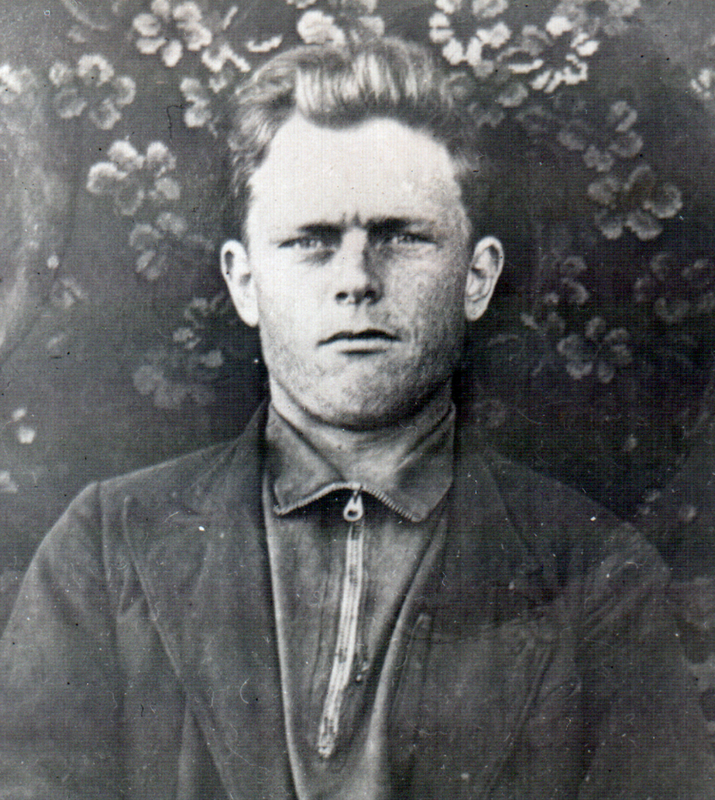


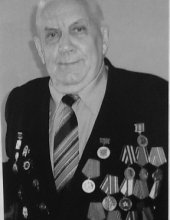


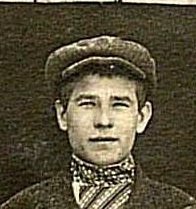


Lazarev Nikolay Petrovich
CITY: Khokhlovka village Mikhailovsky district DATE OF BIRTH: 12/19/1920 DATE OF DEATH: 11/10/2014 HISTORY: Title: Sergeant. Type of troops: Ground Forces, Air Force (except for naval aviation), coastal service, NKVD troops, border troops. Division: 102nd Infantry Division (2nd Formation). The hero of my story is my grandfather, Lazarev Nikolai Petrovich, who fought at the front during the Great Patriotic War. Imagine a man who is almost 95 years old, who recalled the war with great pain ... And who died on November 10, 2014, and his memory is very alive ... This is my grandfather Nikolai Petrovich Lazarev, who was born in 1920 year in the small village of Khokhlovka in our district. Now it may seem strange to someone, but at that time he had 12 children in his family. They did not live richly, father Pyotr Samoilovich was considered a literate person in the village, so he was elected chairman of the village council and chairman of the Progress collective farm in the village of Vysokoe. My grandfather was the eldest child in the family and with all this he managed to get a secondary education. But I didn't have to study further, I had to help my family and work at a cement plant in the village of Oktyabrsky. He helped his parents as best he could, but in the fall of 1940 he was drafted into the ranks of the Red Army as a border guard in the 56th Annunciation Red Banner Border Guard Detachment in the Far East. You can write a whole story about all his life affairs, for which he has a lot of gratitude, he told us to his grandchildren and great-grandchildren more than once how hard it was in the future. There, in the Far East, Grandpa and his comrades learned about the attack of the German invaders, about how the Nazis invaded our country, bombing and robbing. It became especially scary when it became known that the Germans had captured our city of Mikhailov ... My soul was torn with pain and fear for my mother, father, sisters and brothers, loved ones, relatives ... Everyone wanted to quickly get to the front and fight against the Germans, expel them from our land. And such a time has come, in the Far East in December 1942, the 102nd rifle division was formed to help the Western Front. The Mikhailovsky border guards entered it, including my grandfather, who was a very young 20-year-old guy. The 102nd Infantry Division of the 70th Army arrived in wagons by rail to the large village of Ponyri, near the city of Kursk. During the war, my grandfather was a soldier, and then a sergeant and liaison of the battalion commander. Once he was returning from a mission and heard a deafening noise from a German tank behind him, the bastard was not shooting, but slowly crawling after him ... He saw a small hole in front and jumped into it, and the tank kept going and going straight at him .. " It's all over for me .. ", - thought my grandfather .. And then the tank drove over him .. A terrible pain pierced the whole body, but he was not frightened and with terrible anger he grabbed a grenade and threw it into the tank. The tank stopped with a knocked out gear. My grandfather jumped onto the tank and shouted “Get out, you bastards!” And pointed his machine gun at the Germans. The Germans did not expect him to be alive and shook with fear. Then our soldiers heard the noise from a grenade and ran to his aid. This is how my grandfather captured a German tank. And he was awarded the medal "For Courage" for this. The command was preparing materials on awarding him the rank of officer, but then he was seriously wounded near the Kursk Bulge and he was written off from the front due to his injury. He distinguished himself more than once in battles and was awarded the Order of the "Patriotic War of the First Degree", medals "For Courage", "For Victory over Germany." After being wounded, he was treated for a long time in the Ryazan hospital. And after being discharged by the decision of the District Committee of the Party and the Komsomol, he was sent to work in the editorial office of the Oktyabrskaya district newspaper "Soviet Patriot". From this he began his career. Then in 1946, after preparatory courses at the Moscow House of Journalists with the help of teachers from the Faculty of Journalism of Moscow State University, he was approved as editor, where he worked for 10 years. And in 1956, the Oktyabrsky settlement was liquidated and transferred to the jurisdiction of the Mikhailovsky district, at that time he was appointed deputy editor of the newspaper "Zvezda", where he worked for more than 45 years ... Subsequently, he worked as head of the department of letters and newspapers until 1984 before leaving on retire. In 1944 he married Nina Vasilievna Mysina, a former worker at the Spartak cement plant. During the war, as an eighteen-year-old girl who had just graduated from school, she extinguished with honors the rockets on the roof of the factory, which the Germans dropped from planes to blow up the factory. Before her eyes, her close friend was torn apart by a fugasca. They raised and raised three children: Anatoly, Valentina and Svetlana. Grandfather and grandmother survived everything in those distant times: both hunger and cold, but the war tempered them forever. My grandmother died exactly six months later, on the same day and at the same hour ... May 10, 2015 .. They remain for us a living example of real decency, and how they loved our Russia! All her pains and troubles were taken to heart, sincerely glad that it became a little easier for people to live.
I want to learn a lot from my loved ones, they are an example for all of us!
Lazarev Nikolay Petrovich
CITY: Khokhlovka village Mikhailovsky district DATE OF BIRTH: 12/19/1920 DATE OF DEATH: 11/10/2014 HISTORY: Title: Sergeant. Type of troops: Ground Forces, Air Force (except for naval aviation), coastal service, NKVD troops, border troops. Division: 102nd Infantry Division (2nd Formation). The hero of my story is my grandfather, Lazarev Nikolai Petrovich, who fought at the front during the Great Patriotic War. Imagine a man who is almost 95 years old, who recalled the war with great pain ... And who died on November 10, 2014, and his memory is very alive ... This is my grandfather Nikolai Petrovich Lazarev, who was born in 1920 year in the small village of Khokhlovka in our district. Now it may seem strange to someone, but at that time he had 12 children in his family. They did not live richly, father Pyotr Samoilovich was considered a literate person in the village, so he was elected chairman of the village council and chairman of the Progress collective farm in the village of Vysokoe. My grandfather was the eldest child in the family and with all this he managed to get a secondary education. But I didn't have to study further, I had to help my family and work at a cement plant in the village of Oktyabrsky. He helped his parents as best he could, but in the fall of 1940 he was drafted into the ranks of the Red Army as a border guard in the 56th Annunciation Red Banner Border Guard Detachment in the Far East. You can write a whole story about all his life affairs, for which he has a lot of gratitude, he told us to his grandchildren and great-grandchildren more than once how hard it was in the future. There, in the Far East, Grandpa and his comrades learned about the attack of the German invaders, about how the Nazis invaded our country, bombing and robbing. It became especially scary when it became known that the Germans had captured our city of Mikhailov ... My soul was torn with pain and fear for my mother, father, sisters and brothers, loved ones, relatives ... Everyone wanted to quickly get to the front and fight against the Germans, expel them from our land. And such a time has come, in the Far East in December 1942, the 102nd rifle division was formed to help the Western Front. The Mikhailovsky border guards entered it, including my grandfather, who was a very young 20-year-old guy. The 102nd Infantry Division of the 70th Army arrived in wagons by rail to the large village of Ponyri, near the city of Kursk. During the war, my grandfather was a soldier, and then a sergeant and liaison of the battalion commander. Once he was returning from a mission and heard a deafening noise from a German tank behind him, the bastard was not shooting, but slowly crawling after him ... He saw a small hole in front and jumped into it, and the tank kept going and going straight at him .. " It's all over for me .. ", - thought my grandfather .. And then the tank drove over him .. A terrible pain pierced the whole body, but he was not frightened and with terrible anger he grabbed a grenade and threw it into the tank. The tank stopped with a knocked out gear. My grandfather jumped onto the tank and shouted “Get out, you bastards!” And pointed his machine gun at the Germans. The Germans did not expect him to be alive and shook with fear. Then our soldiers heard the noise from a grenade and ran to his aid. This is how my grandfather captured a German tank. And he was awarded the medal "For Courage" for this. The command was preparing materials on awarding him the rank of officer, but then he was seriously wounded near the Kursk Bulge and he was written off from the front due to his injury. He distinguished himself more than once in battles and was awarded the Order of the "Patriotic War of the First Degree", medals "For Courage", "For Victory over Germany." After being wounded, he was treated for a long time in the Ryazan hospital. And after being discharged by the decision of the District Committee of the Party and the Komsomol, he was sent to work in the editorial office of the Oktyabrskaya district newspaper "Soviet Patriot". From this he began his career. Then in 1946, after preparatory courses at the Moscow House of Journalists with the help of teachers from the Faculty of Journalism of Moscow State University, he was approved as editor, where he worked for 10 years. And in 1956, the Oktyabrsky settlement was liquidated and transferred to the jurisdiction of the Mikhailovsky district, at that time he was appointed deputy editor of the newspaper "Zvezda", where he worked for more than 45 years ... Subsequently, he worked as head of the department of letters and newspapers until 1984 before leaving on retire. In 1944 he married Nina Vasilievna Mysina, a former worker at the Spartak cement plant. During the war, as an eighteen-year-old girl who had just graduated from school, she extinguished with honors the rockets on the roof of the factory, which the Germans dropped from planes to blow up the factory. Before her eyes, her close friend was torn apart by a fugasca. They raised and raised three children: Anatoly, Valentina and Svetlana. Grandfather and grandmother survived everything in those distant times: both hunger and cold, but the war tempered them forever. My grandmother died exactly six months later, on the same day and at the same hour ... May 10, 2015 .. They remain for us a living example of real decency, and how they loved our Russia! All her pains and troubles were taken to heart, sincerely glad that it became a little easier for people to live.
I want to learn a lot from my loved ones, they are an example for all of us!
0 comment




2026 © Russian Military Historical Society Developed by Jetmix