




Nikolay Leontiev
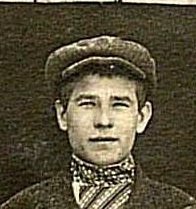
CITY: village Lasch-Tayaba, Yalchik region, Chuvash Republic DATE OF BIRTH: 01/01/1910 DATE OF DEATH: 01/01/1953 HISTORY: Nikolai Leontyev was born in 1910 in the village of Lasch-Tayaba, Yalchik region, Chuvash Republic in a simple peasant family. Since childhood, he was a hardworking boy. After his father died in 1921 (it was a hungry year), the whole household fell on his shoulders. He was the only man in the family. He had two sisters: Valentina and Olga. Kolya worked in the field: plowing, sowing, weeding potatoes, harvesting. He was tall, slender and handsome. His eyes were blue and his hair was blond. He married his beloved girlfriend Valentina. Before the war, they had children Marya, Vasily, Olya, Zoya. Nikolai volunteered for the front in 1941. He fought in besieged Leningrad. According to him: “The city was surrounded by German invaders, planes flew everywhere, dropped bombs. Our half-starved soldiers fought against the Nazis without sparing their strength and lives. Houses were destroyed. Hunger mowed down the exhausted Leningraders. There was no one to bury the people who died from hunger and cold: there were no healthy citizens among the blockade ... ”Nikolai fought bravely, he destroyed several dozen German fascists. Was injured. After several months spent in the hospital, he returned back to his unit. How did you stay alive? He doesn't know himself. He says that God saved him. After all, at every step he could “catch” a bullet, be blown up by a mine ... Nikolai said: “There are no cats, no dogs, no birds left in the city, either they have eaten everything, or everything has died out. The corpses of people were in apartments, houses. They were not tolerated or buried. They received for them (as if they were alive) rations, bread made of flour with sawdust to maintain the soul and body, 200-300 grams per day. Water for drinking was taken from the holes in the asphalt that appeared after the shelling. People, eating bread from sawdust and drinking water from puddles, often died with wild pain in the stomach and a crooked smile on their lips ... ”Upon returning home from Leningrad (after the liberation of the city), Nicholas, a soldier exhausted from battles and hunger, was fed by Russian women with semolina , dairy products, thus raised to their feet. One woman begged to stay. Nikolai thought about his family and children all the time. I came home safe and sound. It was such a rarity at the time. He had medals "For the Defense of Leningrad", "For Victory over Germany in the Great Patriotic War of 1941-1945." Unfortunately, they have not survived to this day. After the war, Nikolai worked on a collective farm, built a house, and raised children. In 1948, his son Volodya was born, three years later another son, Kolya. But Nikolai did not have a chance to bring up and raise them. In 1953, due to old wounds, he fell seriously ill and suddenly passed away.
Nikolay Leontiev
CITY: village Lasch-Tayaba, Yalchik region, Chuvash Republic DATE OF BIRTH: 01/01/1910 DATE OF DEATH: 01/01/1953 HISTORY: Nikolai Leontyev was born in 1910 in the village of Lasch-Tayaba, Yalchik region, Chuvash Republic in a simple peasant family. Since childhood, he was a hardworking boy. After his father died in 1921 (it was a hungry year), the whole household fell on his shoulders. He was the only man in the family. He had two sisters: Valentina and Olga. Kolya worked in the field: plowing, sowing, weeding potatoes, harvesting. He was tall, slender and handsome. His eyes were blue and his hair was blond. He married his beloved girlfriend Valentina. Before the war, they had children Marya, Vasily, Olya, Zoya. Nikolai volunteered for the front in 1941. He fought in besieged Leningrad. According to him: “The city was surrounded by German invaders, planes flew everywhere, dropped bombs. Our half-starved soldiers fought against the Nazis without sparing their strength and lives. Houses were destroyed. Hunger mowed down the exhausted Leningraders. There was no one to bury the people who died from hunger and cold: there were no healthy citizens among the blockade ... ”Nikolai fought bravely, he destroyed several dozen German fascists. Was injured. After several months spent in the hospital, he returned back to his unit. How did you stay alive? He doesn't know himself. He says that God saved him. After all, at every step he could “catch” a bullet, be blown up by a mine ... Nikolai said: “There are no cats, no dogs, no birds left in the city, either they have eaten everything, or everything has died out. The corpses of people were in apartments, houses. They were not tolerated or buried. They received for them (as if they were alive) rations, bread made of flour with sawdust to maintain the soul and body, 200-300 grams per day. Water for drinking was taken from the holes in the asphalt that appeared after the shelling. People, eating bread from sawdust and drinking water from puddles, often died with wild pain in the stomach and a crooked smile on their lips ... ”Upon returning home from Leningrad (after the liberation of the city), Nicholas, a soldier exhausted from battles and hunger, was fed by Russian women with semolina , dairy products, thus raised to their feet. One woman begged to stay. Nikolai thought about his family and children all the time. I came home safe and sound. It was such a rarity at the time. He had medals "For the Defense of Leningrad", "For Victory over Germany in the Great Patriotic War of 1941-1945." Unfortunately, they have not survived to this day. After the war, Nikolai worked on a collective farm, built a house, and raised children. In 1948, his son Volodya was born, three years later another son, Kolya. But Nikolai did not have a chance to bring up and raise them. In 1953, due to old wounds, he fell seriously ill and suddenly passed away.
0 comment



2026 © Russian Military Historical Society Developed by Jetmix