

Klevtsov Vladimir Dmitrievich
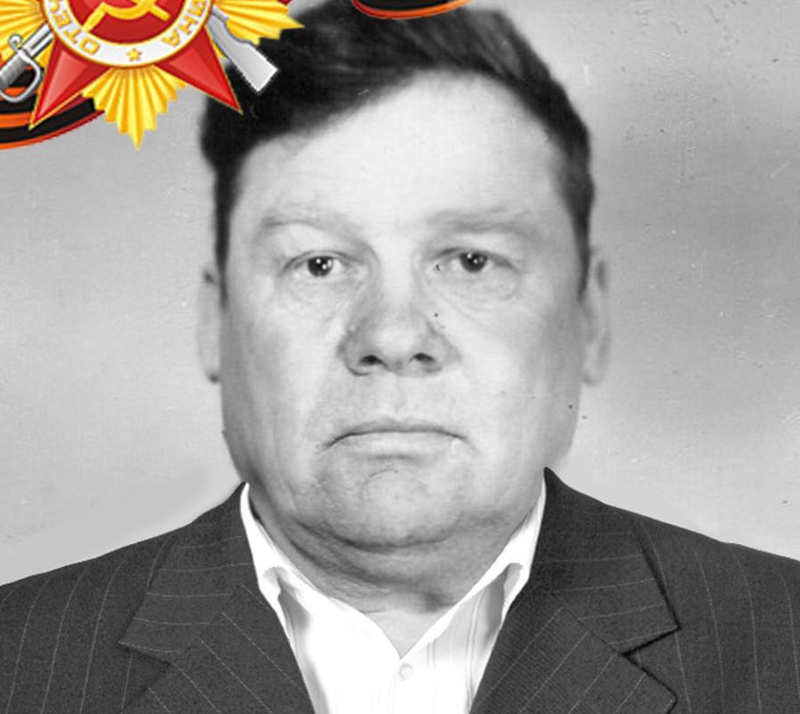
Military branch: Artillery. Division: 135th Infantry Krakow Red Banner Division. My great-grandfather Klevtsov Vladimir Dmitrievich was born in 1922 in the Voronezh region in a peasant family. His mother was illiterate, but very kind, intelligent, hard-working (later her sons taught her to read and write, and she would read books for the rest of her life). Father is the chairman of the collective farm, organizer of the collective farm movement. My great-grandfather studied at the Inzhavin secondary school and graduated with distinction in 1941. At school he was a Komsomol member of the school, did sports, organized hiking and cycling tours. On June 22, 1941 our country was shocked by the news of the outbreak of war with Nazi Germany. Nobody was indifferent then, nobody was left out. Among them was my great-grandfather- Klevtsov Vladimir Dmitrievich. June 1941. Vladimir Dmitrievich was only 16 years old at that time, he was just finishing 10th grade. At the graduation ceremony, when he said goodbye to school, my great-grandfather was thinking about further studies, about choosing a life path, about the future. But only a few days passed and the radio announced war. Vladimir Dmitrievich and his classmates went to the military recruiting office without hesitation. The boys had only one wish: to defend their home. They were not afraid of the unknown or death. Young volunteers were not accepted into the Red Army. Nevertheless, my great-grandfather did not give up hope of being at the front and decided to go to a military school. On June 29, 1941 he was sent to the Artillery School in Podolsk to study. And after a while the cadets were sent to protect Moscow. The first battle, a barrage of fire, grenades falling nearby and the death of the soldiers revealed the true face of the war to the boys. But thanks to the skilful and competent leadership they managed to gather their strength and continue the fight. The cadets stayed near Moscow for only 12 days. But they lost many boys during this time. In 1941 Vladimir graduated from the school and received the rank of a sub-lieutenant. At the same time a division was formed and the young officer was sent to Voroshilovgrad as a deputy battery commander. Here he did not stay long, as the German general offensive began, and the division began to retreat as far as Stalingrad. For Vladimir Dmitrievich Klevtsov, the year 1942 and the Battle of Stalingrad were the most difficult. Fierce fighting for every street, every house, air raids, bombing raids lasted for two months without interruption. In Stalingrad Vladimir Dmitrievich was wounded, a bullet damaged his forearm. But, despite this, he brought the battle to the end. In 1943 he was sent to the city of Krakow as part of the 135th Artillery Division. Artillery Division to the city of Krakow. After a heavy and bloody battle the enemy had to leave the city. Therefore the division was named Krakow. In 1944 it was transferred to the Leningrad front and then to the city of Wroclaw in Poland. Vladimir Dmitrievich has a lot to do with this place. He lost his best friend in the village of Allevard. (Appendix 3). This tragedy will forever remain in the memory of the veteran. Here Vladimir Dmitrievich had to repel German tank attacks with his "forty-fives" and suppress a number of firing points. For this he received a letter of gratitude from the head of the political department A.S. Porshinsky, which was taken to Kirsanov, where Vladimir Dmitrievich returned after the war. Vladimir met the great day of Victory in the city of Wroclaw. "It is an indescribable excitement, it is joy, it is tears, it is... This is a victory - a long-awaited victory! - Vladimir Dmitrievich conveyed his state of mind and shared his impressions with my grandmother Larisa Barsukova. This holiday remained the most important for my great-grandfather - "a holiday with tears in his eyes." In 1945, the 135th Artillery Division was disbanded. Vladimir Dmitrievich wanted to continue serving, but the former wound reminded of itself: he was recognized as limitedly fit and demobilized. My great-grandfather came to Kirsanov, where a peaceful life began for him. In 1948, Vladimir Dmitrievich graduated with honors from the Kirsanovsky state farm - technical school. Then he entered the Higher Agricultural Institute for extramural Education. At the same time he was allowed to work at a technical school, first as a master, then as a teacher. In 1952 Vladimir Dmitrievich became the head of the correspondence department, since 1955 the head of academic affairs. Since 1970 he has been the director of the Technical School and he held this position for 13 years. When he retired, Klevtsov Vladimir Dmitrievich was transferred to the headmaster. For his great achievements in the field of teaching, Vladimir Dmitrievich was awarded the title "Meritorious Educational Worker of Russian Federation". Klevtsov Vladimir Dmitrievich was a respected man, he was known as an honorary citizen of the city and as a war veteran. My great-grandfather is no longer alive. He died in 2007 at the age of 84, but we appreciate his awards in memory of the great victory and military service for the protection of the fatherland in peacetime, and we always remember our dearest and closest people. That is why we are proud that on 9th May our relatives and friends were also involved in this great victory, that a grain of their work was also included in the victory. I vividly imagine the picture of this happy victory: Thousands of people cheering, cheering with tears in their eyes, greeting the winners with bouquets of flowers. The victory over fascism enabled everyone, including us, the great-great-grandchildren, to enjoy all the benefits of daily life, culture and all the creations of human labor. In the end a great victory gave me life. Finally, in the event of defeat, it is unlikely that my grandparents would have survived, which means that I would not have been born, would not have seen the world and would not have lived now. If we had not been defeated, our brave soldiers would not have defended our country - we would be slaves, inferior people, we could not read and write, we would not have studied, we would not have had a favorite pastime. Therefore, the day of Victory is our greatest holiday. Our family will never forget the heroic deed of the Red Army will never forget their loved ones who died fighting against fascism, so that peace and work reigned on our land. We, the great-great-grandchildren of the great victory, bow to the heroism of the soldiers of the fatherland who endured the hardships and hardships of the war years, who overcame pain, blood and death. This year we will have a victorious May once again. Those "who will never come again" will not see the festive parade, the fireworks. But they will never grow old in our memory. They will always remain young in our memory. For us they will be alive forever. And the eternal flame that burns like the hearts of the dead will always remind us all of the "price of happiness" of today's generations. My great-grandfather is dead, but we, his grandchildren, continue his work. It lives on in our memories. May people never know the horrors of war, may there always be a peaceful heaven above! I am proud of my great-grandfather!
Klevtsov Vladimir Dmitrievich
Military branch: Artillery. Division: 135th Infantry Krakow Red Banner Division. My great-grandfather Klevtsov Vladimir Dmitrievich was born in 1922 in the Voronezh region in a peasant family. His mother was illiterate, but very kind, intelligent, hard-working (later her sons taught her to read and write, and she would read books for the rest of her life). Father is the chairman of the collective farm, organizer of the collective farm movement. My great-grandfather studied at the Inzhavin secondary school and graduated with distinction in 1941. At school he was a Komsomol member of the school, did sports, organized hiking and cycling tours. On June 22, 1941 our country was shocked by the news of the outbreak of war with Nazi Germany. Nobody was indifferent then, nobody was left out. Among them was my great-grandfather- Klevtsov Vladimir Dmitrievich. June 1941. Vladimir Dmitrievich was only 16 years old at that time, he was just finishing 10th grade. At the graduation ceremony, when he said goodbye to school, my great-grandfather was thinking about further studies, about choosing a life path, about the future. But only a few days passed and the radio announced war. Vladimir Dmitrievich and his classmates went to the military recruiting office without hesitation. The boys had only one wish: to defend their home. They were not afraid of the unknown or death. Young volunteers were not accepted into the Red Army. Nevertheless, my great-grandfather did not give up hope of being at the front and decided to go to a military school. On June 29, 1941 he was sent to the Artillery School in Podolsk to study. And after a while the cadets were sent to protect Moscow. The first battle, a barrage of fire, grenades falling nearby and the death of the soldiers revealed the true face of the war to the boys. But thanks to the skilful and competent leadership they managed to gather their strength and continue the fight. The cadets stayed near Moscow for only 12 days. But they lost many boys during this time. In 1941 Vladimir graduated from the school and received the rank of a sub-lieutenant. At the same time a division was formed and the young officer was sent to Voroshilovgrad as a deputy battery commander. Here he did not stay long, as the German general offensive began, and the division began to retreat as far as Stalingrad. For Vladimir Dmitrievich Klevtsov, the year 1942 and the Battle of Stalingrad were the most difficult. Fierce fighting for every street, every house, air raids, bombing raids lasted for two months without interruption. In Stalingrad Vladimir Dmitrievich was wounded, a bullet damaged his forearm. But, despite this, he brought the battle to the end. In 1943 he was sent to the city of Krakow as part of the 135th Artillery Division. Artillery Division to the city of Krakow. After a heavy and bloody battle the enemy had to leave the city. Therefore the division was named Krakow. In 1944 it was transferred to the Leningrad front and then to the city of Wroclaw in Poland. Vladimir Dmitrievich has a lot to do with this place. He lost his best friend in the village of Allevard. (Appendix 3). This tragedy will forever remain in the memory of the veteran. Here Vladimir Dmitrievich had to repel German tank attacks with his "forty-fives" and suppress a number of firing points. For this he received a letter of gratitude from the head of the political department A.S. Porshinsky, which was taken to Kirsanov, where Vladimir Dmitrievich returned after the war. Vladimir met the great day of Victory in the city of Wroclaw. "It is an indescribable excitement, it is joy, it is tears, it is... This is a victory - a long-awaited victory! - Vladimir Dmitrievich conveyed his state of mind and shared his impressions with my grandmother Larisa Barsukova. This holiday remained the most important for my great-grandfather - "a holiday with tears in his eyes." In 1945, the 135th Artillery Division was disbanded. Vladimir Dmitrievich wanted to continue serving, but the former wound reminded of itself: he was recognized as limitedly fit and demobilized. My great-grandfather came to Kirsanov, where a peaceful life began for him. In 1948, Vladimir Dmitrievich graduated with honors from the Kirsanovsky state farm - technical school. Then he entered the Higher Agricultural Institute for extramural Education. At the same time he was allowed to work at a technical school, first as a master, then as a teacher. In 1952 Vladimir Dmitrievich became the head of the correspondence department, since 1955 the head of academic affairs. Since 1970 he has been the director of the Technical School and he held this position for 13 years. When he retired, Klevtsov Vladimir Dmitrievich was transferred to the headmaster. For his great achievements in the field of teaching, Vladimir Dmitrievich was awarded the title "Meritorious Educational Worker of Russian Federation". Klevtsov Vladimir Dmitrievich was a respected man, he was known as an honorary citizen of the city and as a war veteran. My great-grandfather is no longer alive. He died in 2007 at the age of 84, but we appreciate his awards in memory of the great victory and military service for the protection of the fatherland in peacetime, and we always remember our dearest and closest people. That is why we are proud that on 9th May our relatives and friends were also involved in this great victory, that a grain of their work was also included in the victory. I vividly imagine the picture of this happy victory: Thousands of people cheering, cheering with tears in their eyes, greeting the winners with bouquets of flowers. The victory over fascism enabled everyone, including us, the great-great-grandchildren, to enjoy all the benefits of daily life, culture and all the creations of human labor. In the end a great victory gave me life. Finally, in the event of defeat, it is unlikely that my grandparents would have survived, which means that I would not have been born, would not have seen the world and would not have lived now. If we had not been defeated, our brave soldiers would not have defended our country - we would be slaves, inferior people, we could not read and write, we would not have studied, we would not have had a favorite pastime. Therefore, the day of Victory is our greatest holiday. Our family will never forget the heroic deed of the Red Army will never forget their loved ones who died fighting against fascism, so that peace and work reigned on our land. We, the great-great-grandchildren of the great victory, bow to the heroism of the soldiers of the fatherland who endured the hardships and hardships of the war years, who overcame pain, blood and death. This year we will have a victorious May once again. Those "who will never come again" will not see the festive parade, the fireworks. But they will never grow old in our memory. They will always remain young in our memory. For us they will be alive forever. And the eternal flame that burns like the hearts of the dead will always remind us all of the "price of happiness" of today's generations. My great-grandfather is dead, but we, his grandchildren, continue his work. It lives on in our memories. May people never know the horrors of war, may there always be a peaceful heaven above! I am proud of my great-grandfather!
0 comment



2026 © Russian Military Historical Society Developed by Jetmix