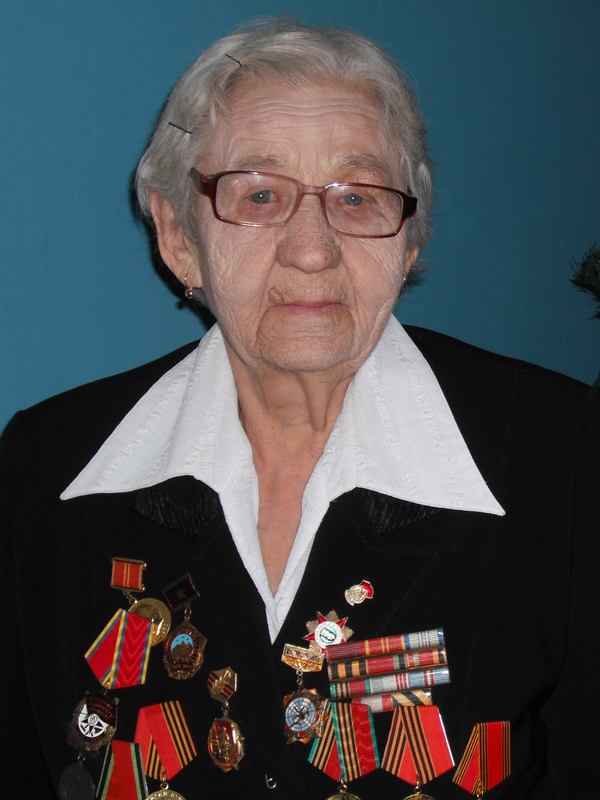
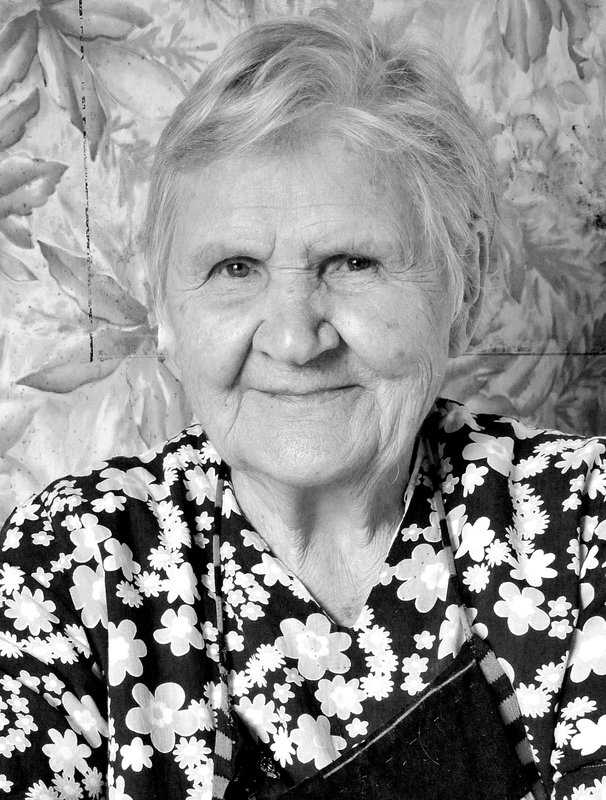


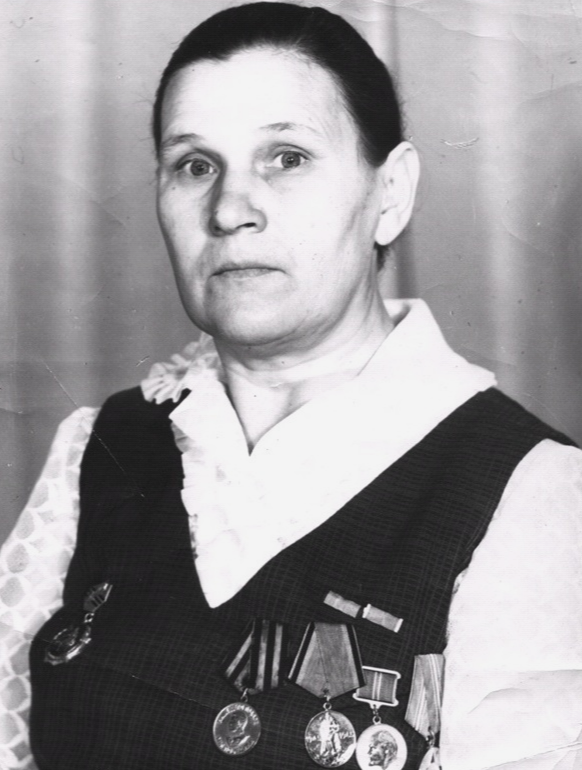
Kuznetsova Evdokia Timofeevna
It is a widely held truth that war has no woman's face. The truth with a high degree of doubt. For from the distant and threatening gunpowder of hard times, war looks at us with thousands of women's eyes and stern precocious faces of young girls. Nurses, pilots, gunners, signallers. Together with the men they shared a miserly ration of soldiers and a hard daily life at the front. In our city - about fifty female veterans whose names are inscribed in the immortal chronicle of the Great Patriotic War. My story about one of them - Evdokia Timofeevna Kuznetsova. For the first time, when I came to visit the spouses Ivan Vasilievich and Evdokia Timofeevna Kuznetsov, I received such a friendly and warm welcome that I almost forgot about the purpose of my visit. And I had a very specific one: when I looked through the lists of war veterans in the city's Veterans Council, I came across the name Evdokia Timofeevna, and after I called, I arranged a meeting. The heat of July swam outside the windows, the fan hummed steadily and brought a pleasant coolness, and our conversation took us into the hard war years soon. Evdokia was born in the village of Karmalka in the Orenburg region. From an early age she was used to hard peasant work. That is why after graduating from the village school she stayed to work in home village and dreamed of a bright and happy future. But the war began. Boys from the same village were immediately drafted into the army, and the girls had to go to the front for volunteers for a long time outside the doors of the military recruitment offices. After training a young soldier in the Tozk camps and taking the oath, Evdokia, as a part of the 25th brigade of the 11th operational railway regiment, reached the 3rd Belarusian front, where fierce fighting unfolded with particular severity in the summer of 1943. She had to learn the basics of military equipment, guided them through the night and darkness in the cramped and red-hot military supply trucks. At short stops you could hear first Russian, then Ukrainian and then Belarusian language. Early in the morning the regiment landed near Orsha. Belarus - republican-partisan. Bleeding, bruised and trampled by the boots of the enemy, but never kneeling during the long three years of occupation. In mid-1943, the headquarters of the Supreme High Command planned simultaneous attacks on four fronts in order to dismember the main forces of the German army group "Mitte", liberate Belarus and create the conditions for the subsequent offensive on the Baltic States, Poland and East Prussia. During the operations of Mogilev and Bobruisk, the enemy was surrounded, thus trapping the retreating units of the field Marshal Model near Minsk. 17 divisions and 3 larger enemy groups were surrounded and none of them broke out of the ring. After that our troops entered the area of East Prussia. The regiment in which Evdokia served ensured the passage of military trains to the front. Day and night, under the attack of enemy planes and anti-aircraft guns went trains: liter trains, ambulances, teplushki, freight trains with heavy tanks and armored personnel carriers. Forward to the West! They raced past, into the night and into the darkness, knocking restlessly on the joints. And the soldiers of Teplushki looked in surprise at the fragile little girl, who in a huge soldier's coat with a carbide lantern in her hands was setting the course. And she waved after them and whispered to herself like a prayer: "God bless you! Come back alive, come back!" And unspoken, soft tears rolled down the girl's face. At the end of 1944 the regiment was transferred to the capital East Prussia - Koenigsberg. Koenigsberg was the most powerful fortress in Nazi Germany. The base of the fortress structure was formed by fifteen forts, which surrounded it in a solid ring. These forts with strong walls and casemates, surrounded by deep ditches, were an exceptional line of defense. The fascists fought here with the despair of the damned. In early 1945, under the leadership of Lieutenant General I. H. Bagramyan, the commander of the Zemland troops, the attack on the Koenigsberg was carried out with bravura. For the first time in the history of modern wars, the fortress, whose garrison corresponded in number to the number of strikers, was taken within three days. The enemy group was completely defeated. Evdokia celebrated the day of victory in Koenigsberg. Here she found her first military award: on 8 May 1945 she was awarded the medal "for military merit". In 1946 Evdokia was demobilized in the winter of 1946. She returned to home village, met a beautiful man Ivan Kuznetsov and forever connected her fate with him. Soon the couple arrived in Kumertau, built the town from the first stake. For fifty years they walked through life together, sharing both joy and sorrow. Raised four children. Ivan Vasilyevich - supported and encouraged his wife and was the first counselor in life situations. She told me about the war, remembered her militant youth, the hard days at the front, and I could not help but blame myself for the fact that she had to relive the days that were so long ago For four long years, there was a war going on. Millions of lives were sacrificed for victory and our bright future. So let us remember those who defended their homeland and care for those who now live near us. Tatyana Masyagutova, member of the Kumertau Writers' Organization.
Kuznetsova Evdokia Timofeevna
It is a widely held truth that war has no woman's face. The truth with a high degree of doubt. For from the distant and threatening gunpowder of hard times, war looks at us with thousands of women's eyes and stern precocious faces of young girls. Nurses, pilots, gunners, signallers. Together with the men they shared a miserly ration of soldiers and a hard daily life at the front. In our city - about fifty female veterans whose names are inscribed in the immortal chronicle of the Great Patriotic War. My story about one of them - Evdokia Timofeevna Kuznetsova. For the first time, when I came to visit the spouses Ivan Vasilievich and Evdokia Timofeevna Kuznetsov, I received such a friendly and warm welcome that I almost forgot about the purpose of my visit. And I had a very specific one: when I looked through the lists of war veterans in the city's Veterans Council, I came across the name Evdokia Timofeevna, and after I called, I arranged a meeting. The heat of July swam outside the windows, the fan hummed steadily and brought a pleasant coolness, and our conversation took us into the hard war years soon. Evdokia was born in the village of Karmalka in the Orenburg region. From an early age she was used to hard peasant work. That is why after graduating from the village school she stayed to work in home village and dreamed of a bright and happy future. But the war began. Boys from the same village were immediately drafted into the army, and the girls had to go to the front for volunteers for a long time outside the doors of the military recruitment offices. After training a young soldier in the Tozk camps and taking the oath, Evdokia, as a part of the 25th brigade of the 11th operational railway regiment, reached the 3rd Belarusian front, where fierce fighting unfolded with particular severity in the summer of 1943. She had to learn the basics of military equipment, guided them through the night and darkness in the cramped and red-hot military supply trucks. At short stops you could hear first Russian, then Ukrainian and then Belarusian language. Early in the morning the regiment landed near Orsha. Belarus - republican-partisan. Bleeding, bruised and trampled by the boots of the enemy, but never kneeling during the long three years of occupation. In mid-1943, the headquarters of the Supreme High Command planned simultaneous attacks on four fronts in order to dismember the main forces of the German army group "Mitte", liberate Belarus and create the conditions for the subsequent offensive on the Baltic States, Poland and East Prussia. During the operations of Mogilev and Bobruisk, the enemy was surrounded, thus trapping the retreating units of the field Marshal Model near Minsk. 17 divisions and 3 larger enemy groups were surrounded and none of them broke out of the ring. After that our troops entered the area of East Prussia. The regiment in which Evdokia served ensured the passage of military trains to the front. Day and night, under the attack of enemy planes and anti-aircraft guns went trains: liter trains, ambulances, teplushki, freight trains with heavy tanks and armored personnel carriers. Forward to the West! They raced past, into the night and into the darkness, knocking restlessly on the joints. And the soldiers of Teplushki looked in surprise at the fragile little girl, who in a huge soldier's coat with a carbide lantern in her hands was setting the course. And she waved after them and whispered to herself like a prayer: "God bless you! Come back alive, come back!" And unspoken, soft tears rolled down the girl's face. At the end of 1944 the regiment was transferred to the capital East Prussia - Koenigsberg. Koenigsberg was the most powerful fortress in Nazi Germany. The base of the fortress structure was formed by fifteen forts, which surrounded it in a solid ring. These forts with strong walls and casemates, surrounded by deep ditches, were an exceptional line of defense. The fascists fought here with the despair of the damned. In early 1945, under the leadership of Lieutenant General I. H. Bagramyan, the commander of the Zemland troops, the attack on the Koenigsberg was carried out with bravura. For the first time in the history of modern wars, the fortress, whose garrison corresponded in number to the number of strikers, was taken within three days. The enemy group was completely defeated. Evdokia celebrated the day of victory in Koenigsberg. Here she found her first military award: on 8 May 1945 she was awarded the medal "for military merit". In 1946 Evdokia was demobilized in the winter of 1946. She returned to home village, met a beautiful man Ivan Kuznetsov and forever connected her fate with him. Soon the couple arrived in Kumertau, built the town from the first stake. For fifty years they walked through life together, sharing both joy and sorrow. Raised four children. Ivan Vasilyevich - supported and encouraged his wife and was the first counselor in life situations. She told me about the war, remembered her militant youth, the hard days at the front, and I could not help but blame myself for the fact that she had to relive the days that were so long ago For four long years, there was a war going on. Millions of lives were sacrificed for victory and our bright future. So let us remember those who defended their homeland and care for those who now live near us. Tatyana Masyagutova, member of the Kumertau Writers' Organization.
0 comment



2026 © Russian Military Historical Society Developed by Jetmix