

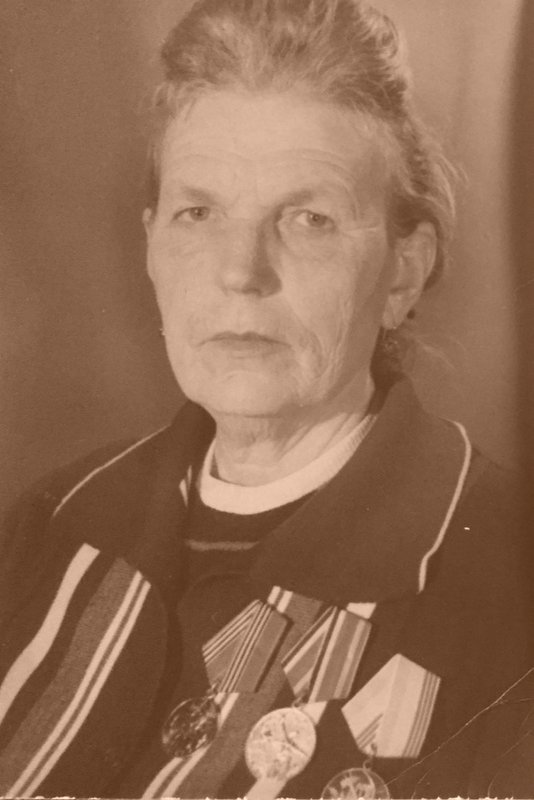
Bashmakova Ekaterina Mitrofanovna
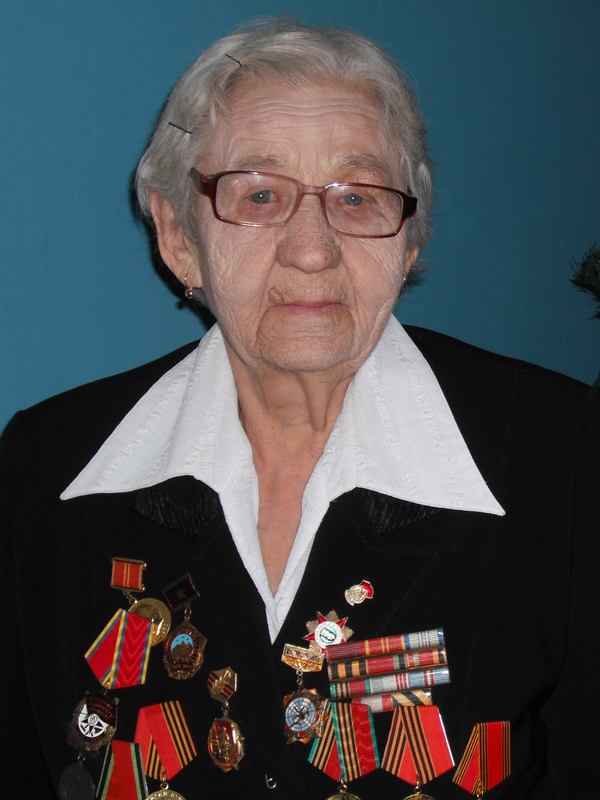
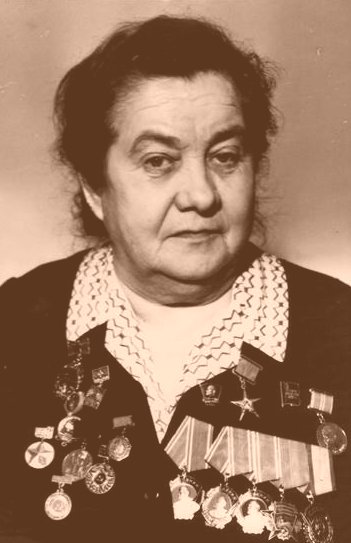
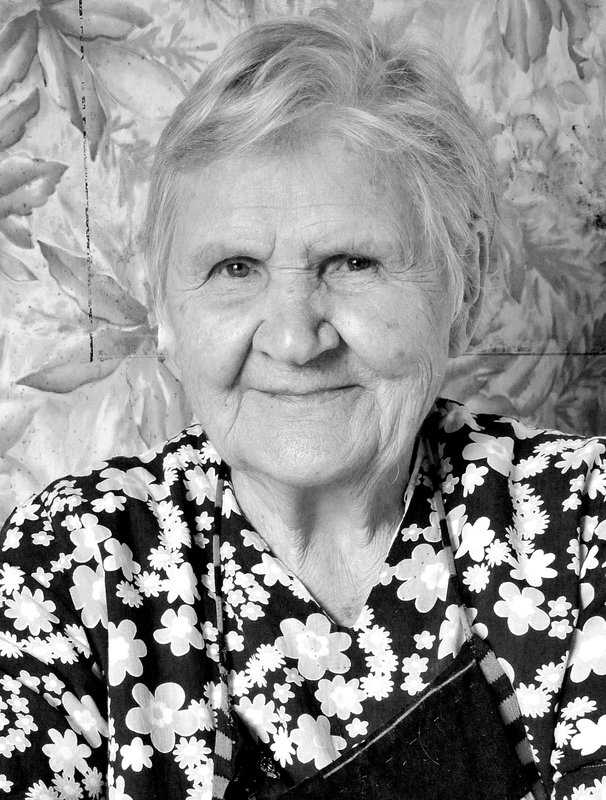
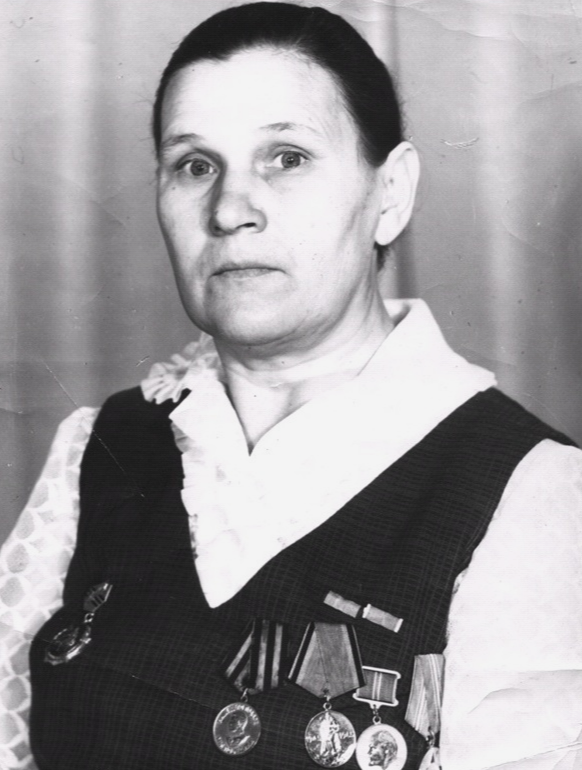
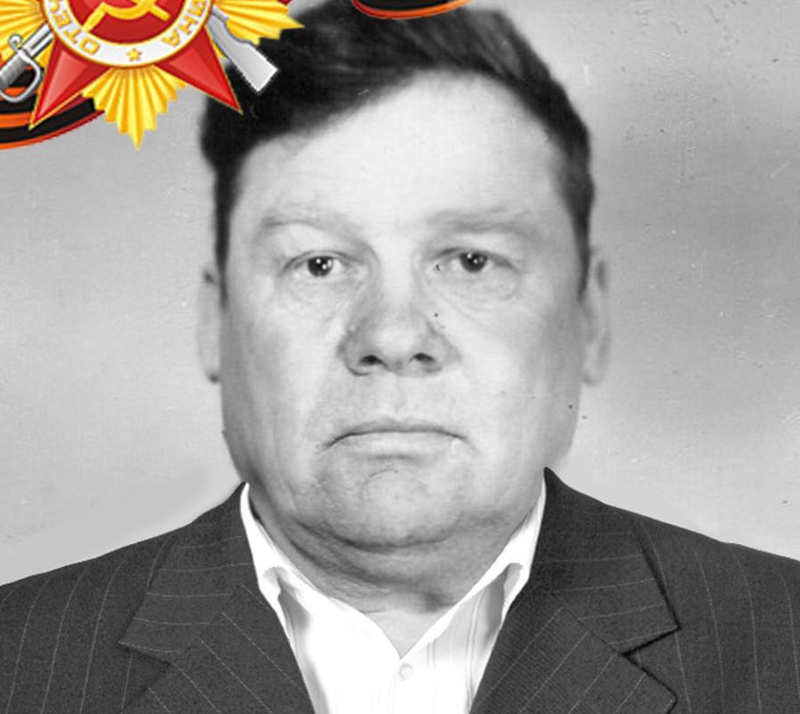
My mother Bashmakova Ekaterina Mitrofanovna was born on May 25, 1923. Born in the Voronezh region of Krasnolipye village. Completed 7 grades of the gymnasium. She heard the cry "Woman on the tractor". On June 25, 1941, the tractor drivers of the Ramenskaya MTS of the Moscow Region appealed throughout the country with an appeal to young girls, women to take up the technique of driving tractors, combines, cars, in order to replace fathers, husbands and brothers called to defend the fatherland. My mother, who had set herself the goal of becoming a tractor driver and helping at the front, left home as a young girl and went to Moscow on foot. It took Ekaterina a long time to get to Moscow, first on foot to Voronezh, walked for three days, did all the work that appeared along the way, and in the end she was accepted into the officer's family as a nanny. With them she reached the city of Khimki, the village of Filino. It was in autumn 1941 when the Nazis advanced on Moscow. She was handed out by craftsmen, received a shovel and was sent to dig trenches. She stayed there for four months, then she was seconded to the tractor driving courses in Kryukovsky MTS (today's 8th and 9th micro-district of Zelenograd), as Kryukovo was considered the Khimki district until 1957. Then she was transferred to the brigade, as can be seen from the entry in the work book, where she worked as a tractor driver until the end of the war. The call "Woman on the tractor" was well received by the collective farm farmers. MTS is a machine and tractor station, a state agricultural enterprise in USSR and a number of other socialist states, which supports collective farms, state enterprises and agricultural cooperatives with agricultural machinery. During the Second World War, due to the need for accelerated recruitment of MTS with new personnel, individual training of tractor drivers, combine harvesters and car drivers was also practiced. According to my mother's memories, there was not enough equipment and there were not enough tractor drivers. Young girls were attracted by the work. Tractor drivers worked on tractors "Fordzon Putilovets", worked with a two-body plow, kerosene served as fuel. The tractor drivers were treated in a field, mastered the male-dominated profession, plowed, sowed, harvested, fertilized, harvested fodder. They worked in two shifts, at night, lived in the field for weeks, there was a field camp, one shift worked, the other rested in a temporary camp, in the field they burned fires to warm themselves, repaired malfunctions on the spot, and at night they repaired equipment by torchlight with special kits. The kit "station wagon" contained a hammer and ten spanners, a gas wrench. Every day she had to "drag" the tractor. The task was to tie a heavy oil tank to the engine while lying on your back under the tractor. The ignition system failed quickly without careful adjustment and care, so constant attention to the car was required. As a result, the tractor driver was spraying with lumps of mud, and when working on a slope, the wheels could cause him injuries. What was a tractor of the 1930s/1950s? A machine made of cast iron and steel (glass was only used in control and lighting systems) with a kerosene-powered engine, with a "cornering starter" and a dynamo instead of a generator, with a steering system, without an amplifier, without an exhaust system and without a silencer. She had to inhale the toxic fumes of the used fuel. The uniform was an oiled jacket, and the shoes were tarpaulin boots. Ekaterina Mitrofanovna said that in early 1942, after the fighting in Kryukovo, the railway station was blown up, the front line ran from the railway to the present Palace of Arts. In the fields in Kryukovo and near the houses there were many damaged Nazi tanks, cars, armored personnel carriers scattered. There were no spare parts for tractors, so the teams from MTS removed whole vehicle parts from German tanks and rails, took tools, drained fuel and collected trophies. During the famine years of the war, tractor drivers were not paid for their working hours, but were given bread instead of money, which they then exchanged for warm clothes and other products. Now the events of those years seem to have long since become history, while the history and fame of every country and region is made by people who do not even know that they have done a real "job". There were tens of thousands of them, unnoticed, forgotten and those who will be remembered and honored by their descendants. Some tractor drivers were awarded the title of "Hero of Socialist Work" in 1948 for their work during the war. My mother received the Stalin Medal "for brave work during the Great Patriotic War 1941-1945" and was classified in the category of "home front worker". My mother died on 4 April 2008.
Bashmakova Ekaterina Mitrofanovna
My mother Bashmakova Ekaterina Mitrofanovna was born on May 25, 1923. Born in the Voronezh region of Krasnolipye village. Completed 7 grades of the gymnasium. She heard the cry "Woman on the tractor". On June 25, 1941, the tractor drivers of the Ramenskaya MTS of the Moscow Region appealed throughout the country with an appeal to young girls, women to take up the technique of driving tractors, combines, cars, in order to replace fathers, husbands and brothers called to defend the fatherland. My mother, who had set herself the goal of becoming a tractor driver and helping at the front, left home as a young girl and went to Moscow on foot. It took Ekaterina a long time to get to Moscow, first on foot to Voronezh, walked for three days, did all the work that appeared along the way, and in the end she was accepted into the officer's family as a nanny. With them she reached the city of Khimki, the village of Filino. It was in autumn 1941 when the Nazis advanced on Moscow. She was handed out by craftsmen, received a shovel and was sent to dig trenches. She stayed there for four months, then she was seconded to the tractor driving courses in Kryukovsky MTS (today's 8th and 9th micro-district of Zelenograd), as Kryukovo was considered the Khimki district until 1957. Then she was transferred to the brigade, as can be seen from the entry in the work book, where she worked as a tractor driver until the end of the war. The call "Woman on the tractor" was well received by the collective farm farmers. MTS is a machine and tractor station, a state agricultural enterprise in USSR and a number of other socialist states, which supports collective farms, state enterprises and agricultural cooperatives with agricultural machinery. During the Second World War, due to the need for accelerated recruitment of MTS with new personnel, individual training of tractor drivers, combine harvesters and car drivers was also practiced. According to my mother's memories, there was not enough equipment and there were not enough tractor drivers. Young girls were attracted by the work. Tractor drivers worked on tractors "Fordzon Putilovets", worked with a two-body plow, kerosene served as fuel. The tractor drivers were treated in a field, mastered the male-dominated profession, plowed, sowed, harvested, fertilized, harvested fodder. They worked in two shifts, at night, lived in the field for weeks, there was a field camp, one shift worked, the other rested in a temporary camp, in the field they burned fires to warm themselves, repaired malfunctions on the spot, and at night they repaired equipment by torchlight with special kits. The kit "station wagon" contained a hammer and ten spanners, a gas wrench. Every day she had to "drag" the tractor. The task was to tie a heavy oil tank to the engine while lying on your back under the tractor. The ignition system failed quickly without careful adjustment and care, so constant attention to the car was required. As a result, the tractor driver was spraying with lumps of mud, and when working on a slope, the wheels could cause him injuries. What was a tractor of the 1930s/1950s? A machine made of cast iron and steel (glass was only used in control and lighting systems) with a kerosene-powered engine, with a "cornering starter" and a dynamo instead of a generator, with a steering system, without an amplifier, without an exhaust system and without a silencer. She had to inhale the toxic fumes of the used fuel. The uniform was an oiled jacket, and the shoes were tarpaulin boots. Ekaterina Mitrofanovna said that in early 1942, after the fighting in Kryukovo, the railway station was blown up, the front line ran from the railway to the present Palace of Arts. In the fields in Kryukovo and near the houses there were many damaged Nazi tanks, cars, armored personnel carriers scattered. There were no spare parts for tractors, so the teams from MTS removed whole vehicle parts from German tanks and rails, took tools, drained fuel and collected trophies. During the famine years of the war, tractor drivers were not paid for their working hours, but were given bread instead of money, which they then exchanged for warm clothes and other products. Now the events of those years seem to have long since become history, while the history and fame of every country and region is made by people who do not even know that they have done a real "job". There were tens of thousands of them, unnoticed, forgotten and those who will be remembered and honored by their descendants. Some tractor drivers were awarded the title of "Hero of Socialist Work" in 1948 for their work during the war. My mother received the Stalin Medal "for brave work during the Great Patriotic War 1941-1945" and was classified in the category of "home front worker". My mother died on 4 April 2008.
0 comment




2026 © Russian Military Historical Society Developed by Jetmix