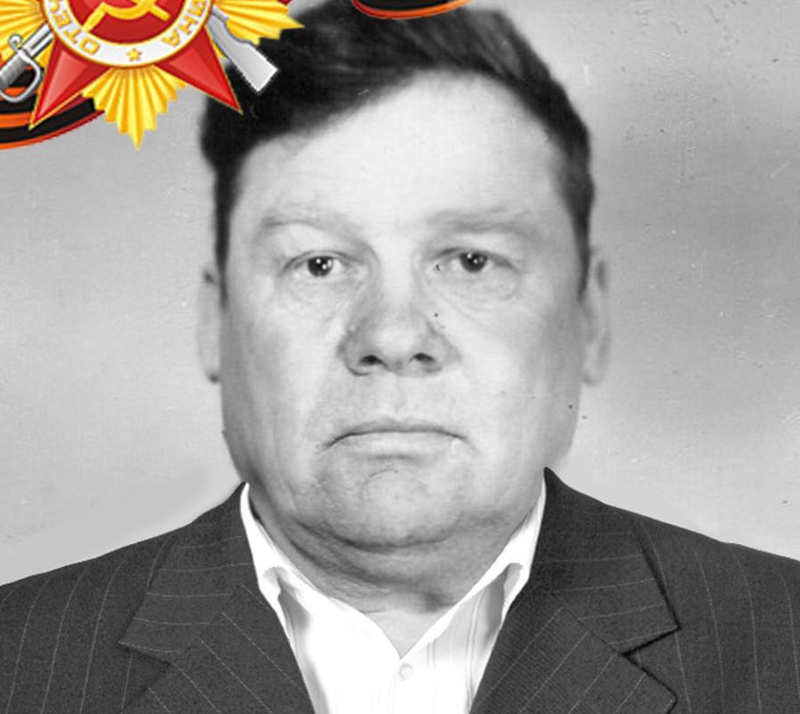


Kostyuk Grigory Evseevich
Rank: Colonel. Military Division: Armored and Mechanized Troops. Division: 18th Armored Division. My father, a war veteran, colonel, was born into a military family. At the age of 4 he was left an orphan in the care of his uncle, as his parents died of typhoid fever. At the age of 16 he entered the Kirovograd Tank Military School, whereupon he was drafted into military service in October 1935. In 1938 he fought in Mongolia, in the area of Lake Khasan, against the Japanese Wanton army, where he received the first Order of the Red Star and the Battle Order of Mongolia for his courage. His tank was hit and he received a severe shrapnel wound to the head. After the hospital in 1939, he took part in the fights on Khalkhin Gol, for which he was awarded medals. In 1941, the war found him in the Ukraine in the Dnipropetrovsk region of the Krivoy Rog district military commissariat, from where he was drafted to the front in the military unit of the 18th automobile brigade of the First Belorussian Front (65th Army), where he was appointed deputy chief of staff. He took part in many combat battles as part of a tank division of the 65th army: in the defeat of the 2nd German tank army of the Sevsk offensive operation in 1943, as well as in the defeat of the Army Group Center in 1944 in Belarus (5th strike). He has military awards/medals: for military merits, for the defense of Moscow, the Caucasus, Leningrad, Warsaw, for the liberation of Poland, for the capture of Berlin, for the victory over Germany. He has six medals: two Orders of the Red Star, two Orders of the Red Banner, two Orders of the Patriotic War II degrees and honorary guardsmen sign party guard. He received the first Order of the Patriotic War II during the battle, when the commander was killed and his father as the highest ranking officer took command. He succeeded in breaking through the enemy defenses and pushing back the enemy, bringing 12 Soviet tanks to the battle line. During the war my father met our mother, a young girl who had just finished her medical studies. She was a civilian and worked in a military hospital as a nurse, went all the way to Berlin, also has medals for taking Berlin, for the victory over Germany and the Order of the Patriotic War II. She celebrated the victory with her father in Berlin, where my older brother was born in 1946, who was named Viktor in honor of the victory. And I was born much later in Stalingrad, the city my father had chosen. Here he served in the anti-aircraft division, of which two regiments guarded the military installations of Stalingrad. He retired in 1958, but continued his career in the Voluntary Society for the Support of the Army, Aviation and Navy of Russia (DOSAAF), geological exploration and VolgogradTransGaz. He died in the city of Volgograd, where the last years he lived with his famil. He leaves behind two children (a son and a daughter), three grandchildren and five great-grandchildren. One of his grandchildren bears the name of Grigory in his honor, and he also works for peace of the citizens in our times, conscientiously serving in the organs of the Ministry of Interior of Russia, and received the medal for "Merits for Peace". The grandfather's business is carried on by his grandchildren. The radiant memory of his military exploits and as a kind and wonderful man will remain forever in our hearts and be passed on from generation to generation.
Kostyuk Grigory Evseevich
Rank: Colonel. Military Division: Armored and Mechanized Troops. Division: 18th Armored Division. My father, a war veteran, colonel, was born into a military family. At the age of 4 he was left an orphan in the care of his uncle, as his parents died of typhoid fever. At the age of 16 he entered the Kirovograd Tank Military School, whereupon he was drafted into military service in October 1935. In 1938 he fought in Mongolia, in the area of Lake Khasan, against the Japanese Wanton army, where he received the first Order of the Red Star and the Battle Order of Mongolia for his courage. His tank was hit and he received a severe shrapnel wound to the head. After the hospital in 1939, he took part in the fights on Khalkhin Gol, for which he was awarded medals. In 1941, the war found him in the Ukraine in the Dnipropetrovsk region of the Krivoy Rog district military commissariat, from where he was drafted to the front in the military unit of the 18th automobile brigade of the First Belorussian Front (65th Army), where he was appointed deputy chief of staff. He took part in many combat battles as part of a tank division of the 65th army: in the defeat of the 2nd German tank army of the Sevsk offensive operation in 1943, as well as in the defeat of the Army Group Center in 1944 in Belarus (5th strike). He has military awards/medals: for military merits, for the defense of Moscow, the Caucasus, Leningrad, Warsaw, for the liberation of Poland, for the capture of Berlin, for the victory over Germany. He has six medals: two Orders of the Red Star, two Orders of the Red Banner, two Orders of the Patriotic War II degrees and honorary guardsmen sign party guard. He received the first Order of the Patriotic War II during the battle, when the commander was killed and his father as the highest ranking officer took command. He succeeded in breaking through the enemy defenses and pushing back the enemy, bringing 12 Soviet tanks to the battle line. During the war my father met our mother, a young girl who had just finished her medical studies. She was a civilian and worked in a military hospital as a nurse, went all the way to Berlin, also has medals for taking Berlin, for the victory over Germany and the Order of the Patriotic War II. She celebrated the victory with her father in Berlin, where my older brother was born in 1946, who was named Viktor in honor of the victory. And I was born much later in Stalingrad, the city my father had chosen. Here he served in the anti-aircraft division, of which two regiments guarded the military installations of Stalingrad. He retired in 1958, but continued his career in the Voluntary Society for the Support of the Army, Aviation and Navy of Russia (DOSAAF), geological exploration and VolgogradTransGaz. He died in the city of Volgograd, where the last years he lived with his famil. He leaves behind two children (a son and a daughter), three grandchildren and five great-grandchildren. One of his grandchildren bears the name of Grigory in his honor, and he also works for peace of the citizens in our times, conscientiously serving in the organs of the Ministry of Interior of Russia, and received the medal for "Merits for Peace". The grandfather's business is carried on by his grandchildren. The radiant memory of his military exploits and as a kind and wonderful man will remain forever in our hearts and be passed on from generation to generation.
0 comment




2026 © Russian Military Historical Society Developed by Jetmix