

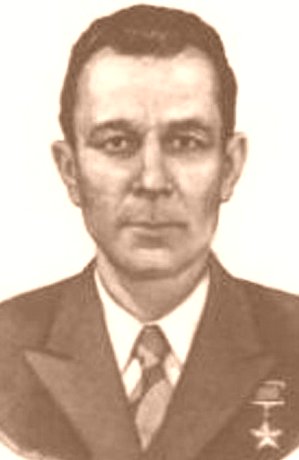

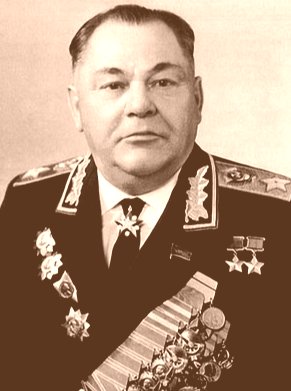


Kalyabin Ivan Petrovich
Born on January 7, 1926 in the village of Antonovka, Omsk region. Before a young man put on a soldier's greatcoat in the harsh 1943, Ivan Kalyabin lived for seventeen years in the village of Pugachevo in Antonovsky rural settlement. He raised bread, mowed hay, and knew how to work on the land like a peasant. After a year of training as a Junior commander in Achinsk regiment, Ivan went to the front as a signalman in the sixth anti-tank fighter regiment. The first battle was taken by a young soldier near Staraya Russa, where he received a baptism of fire. The Germans were eager to break the defense, took a favorable position -at a height. Enemy mortar fire did not allow the soldiers to get up. They received the command "Establish communication!" The signalmen had to make an incredible effort to detect a break in the telephone wire. They layed down in a crevice, not far from the fire barrage of enemy guns. The slightest movement could take a life. Ivan felt something hit the heel of his boot and flew off with a whoosh! Carefully checking the ground around him, he found a healthy shell fragment. In an instant, the boy's entire life flashed before his eyes. He told his comrades about this story only after the end of the combat operation. From that moment on, the young commander looked into the eyes of death more than once. On the battlefields he developed his bravity and those qualities that later, in peacetime, allowed him, Ivan Petrovich Kalyabin, to lead a team of fellow villagers. Sometimes this boldness bordered on risk, but the risk was usually justified. Nothing is possible on the front without communication. Before setting up a command post, they pulled wires along the neutral line in the direction of the enemy lane. We worked side by side with the scouts. In these operations, many valiant, brave fighters were killed. In one of these battles near Riga, we managed to take in a ring a strong enemy group, equipped with powerful equipment. The main troops were pulled back to the Central front, and the regiment where Ivan Petrovich served was assigned the task to defeat the enemy! Every now and then the connection was lost, the signalmen had enough work. Problems were fixed one by one. Once, while laying the line, Ivan discovered the enemy's line, and quickly realized that it must be immediately eliminated, thereby depriving the enemy an important connection. For this operation, the Siberian Kalyabin received a medal - "for Bravery"! A great joy for Ivan Petrovich was the news that his father, Peter Ivanovich, was fighting nearby. The letters arrived very quickly, but they still did not have a chance to see each other, although they fought side by side until the end of the war. The fighting was fierce. When Riga was liberated, Ivan Petrovich accidentally met his cousin Olga Yakovlevna Prikhodko, who also fought with the enemy. They let him spend the whole day with her, and there was no end to the memories of home and family! On the Victory day signalman Kalyabin met guarding the banner of the regiment. Ivan Petrovich was demobilized only in 1950. At the end of the war, ten young men, including Ivan Petrovich, were grouped and sent under the command of Colonel Brusin, who headed the economic unit in Riga military hospital. The team spent two months preparing food for horses, and there were about 500 of them. One day the Colonel called Ivan Petrovich to him and offered to become a stable boy. Horses that were worn out in battle, required good care. From letters from relatives, he learned that his father met Victory day in Budapest. Returning to his homeland, Ivan Petrovich began a peaceful life. In 1951, he married Nina Andreyevna, built his own house, and raised three sons, Yuri, Vladimir, and Alexander. For more than twenty years, he worked as a field breeder and a Manager of the Department. This position is not an easy one, and it is no coincidence that he was given such a trust for his ability to lead, value the opinion of his fellow countrymen and defend it. He died on September 25, 2012. We remember, love and are proud...
Kalyabin Ivan Petrovich
Born on January 7, 1926 in the village of Antonovka, Omsk region. Before a young man put on a soldier's greatcoat in the harsh 1943, Ivan Kalyabin lived for seventeen years in the village of Pugachevo in Antonovsky rural settlement. He raised bread, mowed hay, and knew how to work on the land like a peasant. After a year of training as a Junior commander in Achinsk regiment, Ivan went to the front as a signalman in the sixth anti-tank fighter regiment. The first battle was taken by a young soldier near Staraya Russa, where he received a baptism of fire. The Germans were eager to break the defense, took a favorable position -at a height. Enemy mortar fire did not allow the soldiers to get up. They received the command "Establish communication!" The signalmen had to make an incredible effort to detect a break in the telephone wire. They layed down in a crevice, not far from the fire barrage of enemy guns. The slightest movement could take a life. Ivan felt something hit the heel of his boot and flew off with a whoosh! Carefully checking the ground around him, he found a healthy shell fragment. In an instant, the boy's entire life flashed before his eyes. He told his comrades about this story only after the end of the combat operation. From that moment on, the young commander looked into the eyes of death more than once. On the battlefields he developed his bravity and those qualities that later, in peacetime, allowed him, Ivan Petrovich Kalyabin, to lead a team of fellow villagers. Sometimes this boldness bordered on risk, but the risk was usually justified. Nothing is possible on the front without communication. Before setting up a command post, they pulled wires along the neutral line in the direction of the enemy lane. We worked side by side with the scouts. In these operations, many valiant, brave fighters were killed. In one of these battles near Riga, we managed to take in a ring a strong enemy group, equipped with powerful equipment. The main troops were pulled back to the Central front, and the regiment where Ivan Petrovich served was assigned the task to defeat the enemy! Every now and then the connection was lost, the signalmen had enough work. Problems were fixed one by one. Once, while laying the line, Ivan discovered the enemy's line, and quickly realized that it must be immediately eliminated, thereby depriving the enemy an important connection. For this operation, the Siberian Kalyabin received a medal - "for Bravery"! A great joy for Ivan Petrovich was the news that his father, Peter Ivanovich, was fighting nearby. The letters arrived very quickly, but they still did not have a chance to see each other, although they fought side by side until the end of the war. The fighting was fierce. When Riga was liberated, Ivan Petrovich accidentally met his cousin Olga Yakovlevna Prikhodko, who also fought with the enemy. They let him spend the whole day with her, and there was no end to the memories of home and family! On the Victory day signalman Kalyabin met guarding the banner of the regiment. Ivan Petrovich was demobilized only in 1950. At the end of the war, ten young men, including Ivan Petrovich, were grouped and sent under the command of Colonel Brusin, who headed the economic unit in Riga military hospital. The team spent two months preparing food for horses, and there were about 500 of them. One day the Colonel called Ivan Petrovich to him and offered to become a stable boy. Horses that were worn out in battle, required good care. From letters from relatives, he learned that his father met Victory day in Budapest. Returning to his homeland, Ivan Petrovich began a peaceful life. In 1951, he married Nina Andreyevna, built his own house, and raised three sons, Yuri, Vladimir, and Alexander. For more than twenty years, he worked as a field breeder and a Manager of the Department. This position is not an easy one, and it is no coincidence that he was given such a trust for his ability to lead, value the opinion of his fellow countrymen and defend it. He died on September 25, 2012. We remember, love and are proud...
0 comment



2026 © Russian Military Historical Society Developed by Jetmix