
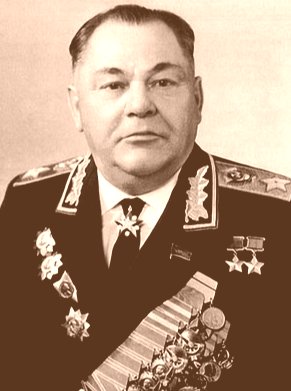


Koronov Pavel Stepanovich
My wonderful father was born in a simple peasant family with many children. He studied brilliantly at school, had a phenomenal memory, loved to study, and dreamed of getting a higher education and becoming a physicist. The war mercilessly destroyed all plans, and in November 1943, at the age of 17, he went to the front after his 3 brothers and a sister. He fought as a radio operator in the artillery of the 1st Ukrainian front. He was seriously wounded in the battle for the capture of Berlin. A field surgeon saved his shot-through legs from amputation, and he had to live with a bullet near his heart for the rest of his life. The most long-awaited news of the Victory found in a hospital near Berlin. After hearing the intense gunfire, all the wounded who could hold weapons prepared to defend the hospital. And this was the first victory salute from automatic bursts. After the war, he served in Budapest and Vienna. I was able to return to civilian life only after 10 years. By this time, 2 brothers Mikhail and Peter, and sister Nadezhda had already returned home from the war. Among 8 children of Elena and Stepan Koronov, the war took only their son Fyodor. After demobilization, he worked and studied in absentia at a technical school. Then all his life he worked as a telemechanic engineer in the right-Bank power grids of Volgograd. He was a long-term permanent party organizer of the company. He was highly respected by his colleagues. In Volgograd, he met his only love, my mother Soboleva Galina Andreevna. My mother was born and raised in Stalingrad. Miraculously survived on the way to the evacuation. When their train was bombed by the Germans, grandmother Klava and younger sister Tamara were able to get out on their own, and my mother was taken of the mangled car out by the soldiers. After returning from the evacuation, they wept on the ruins of their once beautiful home with their favorite old piano and a huge cloth table, and vowed never to get attached to things again in their lives. Therefore, they lived modestly all their lives, not suffering from materialism and hoarding. My father was also a naturally modest, very decent, calm and balanced person. He was very fond of all the children, and when he went out into the yard, all the neighborhood kids reached out to him. Dad didn't like to talk about the war. Only occasionally and only individual stories. He said: "It was a difficult time. My comrades died. But that was my youth. And youth is always beautiful."
Koronov Pavel Stepanovich
My wonderful father was born in a simple peasant family with many children. He studied brilliantly at school, had a phenomenal memory, loved to study, and dreamed of getting a higher education and becoming a physicist. The war mercilessly destroyed all plans, and in November 1943, at the age of 17, he went to the front after his 3 brothers and a sister. He fought as a radio operator in the artillery of the 1st Ukrainian front. He was seriously wounded in the battle for the capture of Berlin. A field surgeon saved his shot-through legs from amputation, and he had to live with a bullet near his heart for the rest of his life. The most long-awaited news of the Victory found in a hospital near Berlin. After hearing the intense gunfire, all the wounded who could hold weapons prepared to defend the hospital. And this was the first victory salute from automatic bursts. After the war, he served in Budapest and Vienna. I was able to return to civilian life only after 10 years. By this time, 2 brothers Mikhail and Peter, and sister Nadezhda had already returned home from the war. Among 8 children of Elena and Stepan Koronov, the war took only their son Fyodor. After demobilization, he worked and studied in absentia at a technical school. Then all his life he worked as a telemechanic engineer in the right-Bank power grids of Volgograd. He was a long-term permanent party organizer of the company. He was highly respected by his colleagues. In Volgograd, he met his only love, my mother Soboleva Galina Andreevna. My mother was born and raised in Stalingrad. Miraculously survived on the way to the evacuation. When their train was bombed by the Germans, grandmother Klava and younger sister Tamara were able to get out on their own, and my mother was taken of the mangled car out by the soldiers. After returning from the evacuation, they wept on the ruins of their once beautiful home with their favorite old piano and a huge cloth table, and vowed never to get attached to things again in their lives. Therefore, they lived modestly all their lives, not suffering from materialism and hoarding. My father was also a naturally modest, very decent, calm and balanced person. He was very fond of all the children, and when he went out into the yard, all the neighborhood kids reached out to him. Dad didn't like to talk about the war. Only occasionally and only individual stories. He said: "It was a difficult time. My comrades died. But that was my youth. And youth is always beautiful."
0 comment




2026 © Russian Military Historical Society Developed by Jetmix