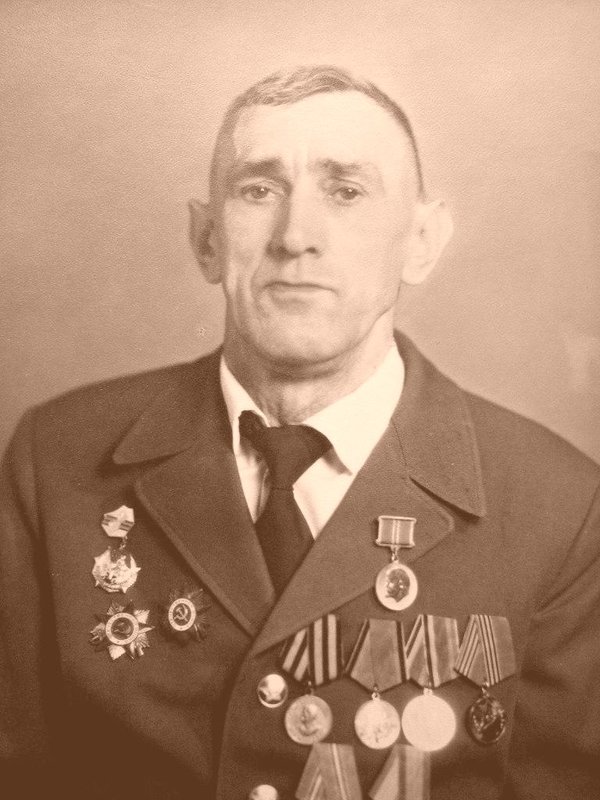
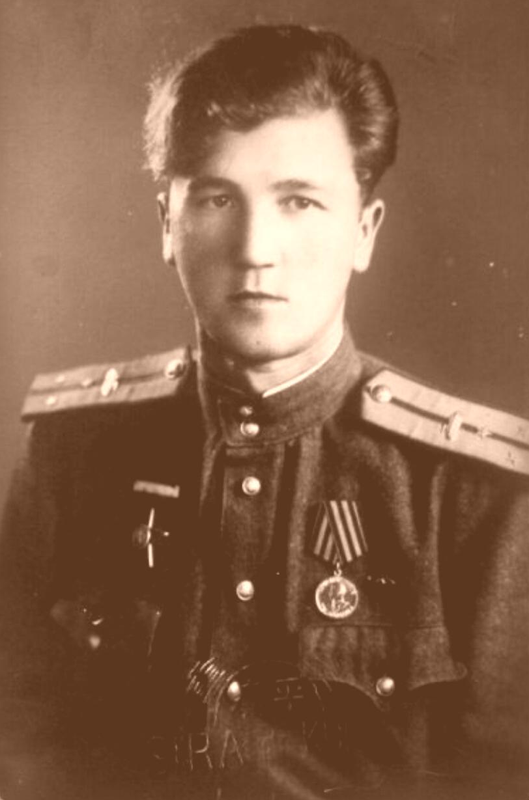
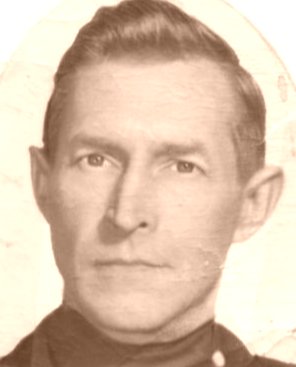
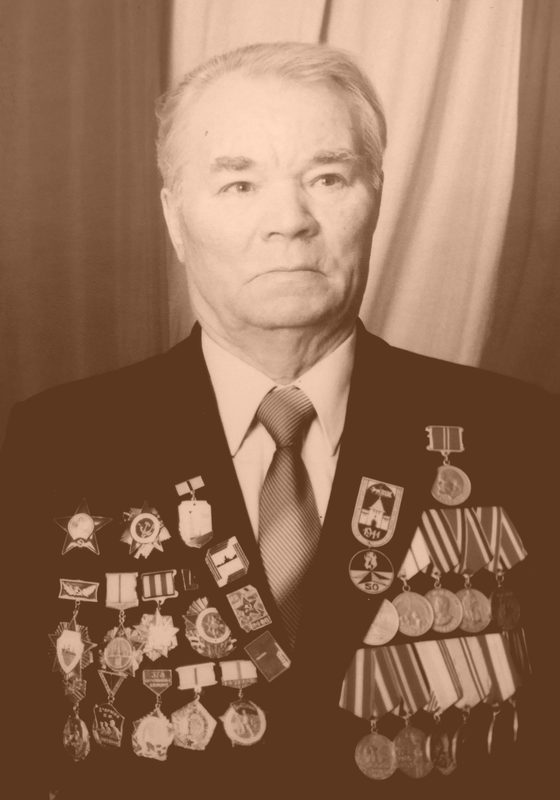
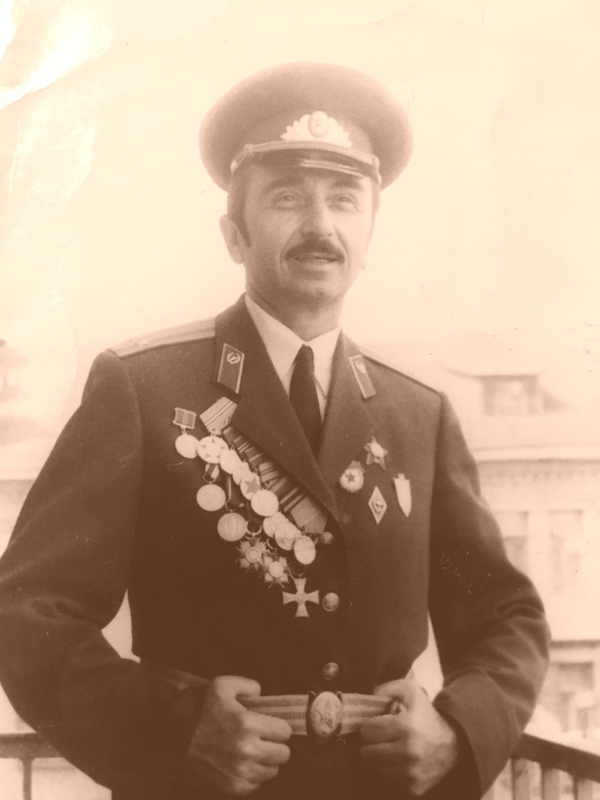
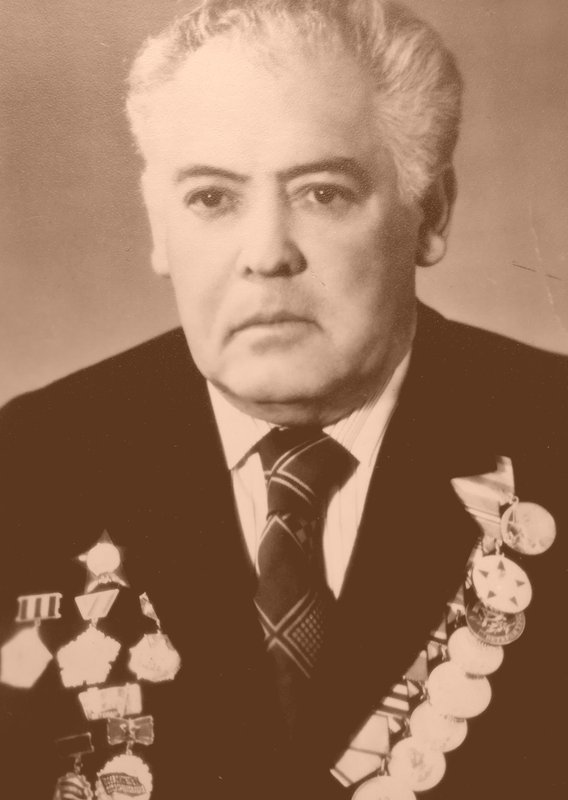
Buyantuev Tsyren-Dondok Doksonovich
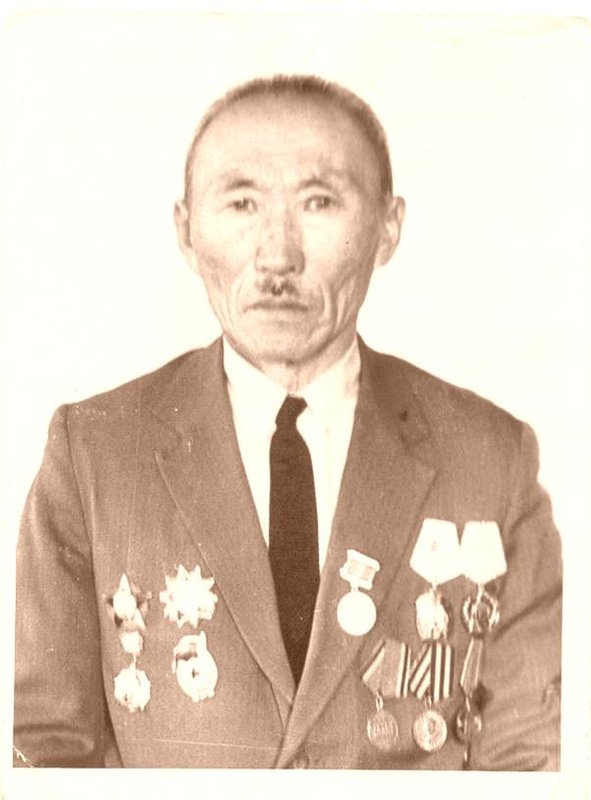
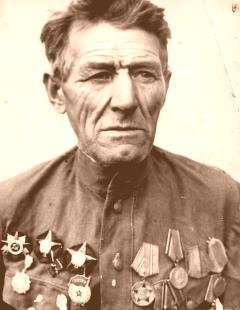
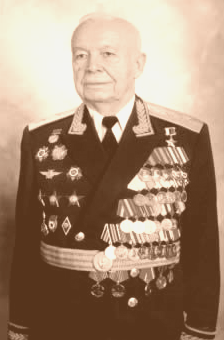
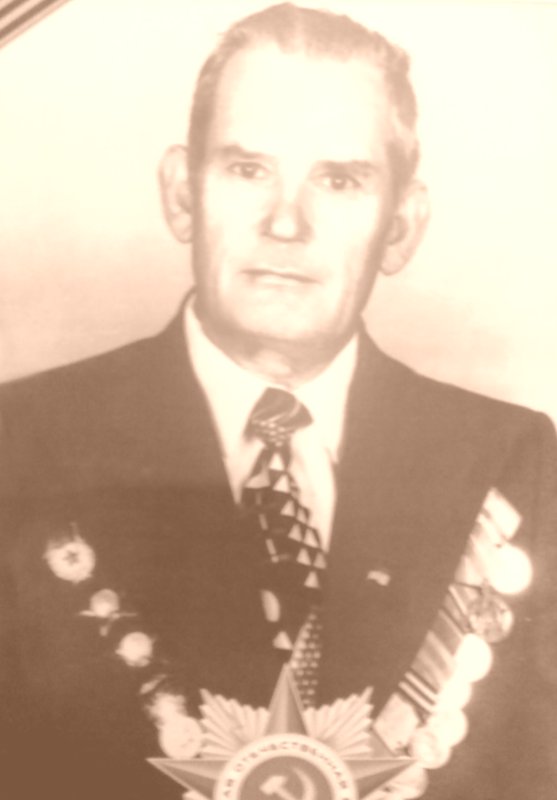
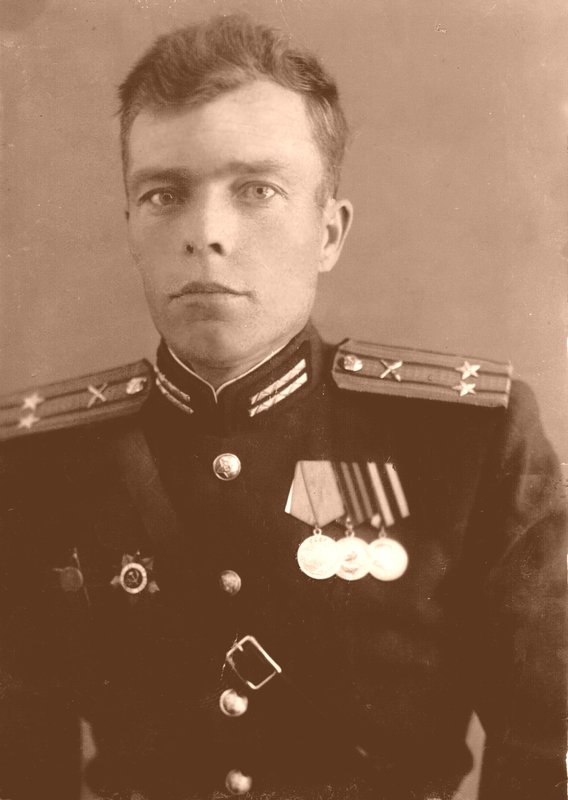
The combat path of my grandfather, senior sergeant Buyantuev Tsyren-Dondok Doksonovich (Republic of Buryatia, Selenginsky district, village Noekhon). 236 soldiers left Noekhon for the war, 127 of them did not return from the front: some died, some went missing. The names of 127 dead soldiers are included in the "Book of Memory". In the village there is a monument to the soldiers-fellow villagers. It contains a list of all those who did not return from the front. The war did not bypass our family - the Buyantuyev family. According to the stories of my dad and close relatives, I know that my grandfather, Buyantuev Tsyren-Dondok Doksonovich, fought at the front. I know my grandfather only from memories, since he died long before my birth. My grandfather was born in the village of Noekhon in the Selenginsky region in 1913 into a family of peasants. My grandfather did not like to remember the war, but thanks to my dad, Bimba Tsyrendondopovich Buyantuev, I learned the battle path that he went through. Grandfather fought to Berlin. He fought in the ranks of the famous 62nd Guards Cavalry Regiment of the 18th Guards Division of the 7th Cavalry Corps of General Konstantinov. Already in the first battles, he showed himself to be a brave, resourceful soldier, for this he was appointed commander of the crew of a heavy machine gun. Senior Sergeant Tsyren-Dondok Doksonovich received his first award - the Medal for Military Merit in the summer of 1942 in the battles for the town of Sukhinichi. From the memoirs of my grandfather, which are kept in the museum of the Noekhon secondary school: “Having successfully overcome the Desna, the regiment began to deploy on the right bank of the river. The Germans tried several times to knock us out of this bridgehead. A platoon under my command repulsed several Nazi attacks during the afternoon, but did not surrender the height. " For the courage shown in this battle, the Order of the Red Star shone on my grandfather's chest. The fearless platoon commander took part in many battles and more than once showed valor and courage. In the battles for the Dnieper he was wounded. Having recovered after being wounded, he liberated the cities of Chernigov and Mozyr in Belarus as part of his 18th Guards Division. In the fall of 1943, the troops of the Central Front (renamed into Belorussian in October 1943) approached the Dnieper. On November 26, after continuous fighting, our troops liberated Gomel. The time for the release of Mozyr was approaching. An operation was developed that went down in the history of the Great Patriotic War as the Kalinkovichi-Mozyr operation. Five days were given to prepare the operation. In the conditions of wooded and swampy terrain and off-road , communications acquired particular importance. The Hitlerite command took all measures to strengthen its group. It attached exceptional importance to the Kalinkovichi railway and highway junctions, the regional center of Mozyr. The defense was held by 9 infantry and 2 tank divisions, 3 divisions of assault guns, a cavalry regiment and other units. Long-term defensive structures, pillboxes, trench lines were built, the area was heavily mined. The battle for Mozyr reached the highest tension on January 13th. The enemy continued to counterattack. Mozyr was completely released by 6 a.m. In the battles for Mozyr, significant losses were inflicted mainly on the enemy's 86 infantry divisions, 1,500 soldiers and officers were killed. 710 sq. kilometers, more than 80 settlements are occupied. In the battles for the liberation of Mozyr, the troops suffered heavy losses. Also, my grandfather, together with his division, liberated the city of Chernigov. For 40 days of the offensive, Soviet troops completely expelled the fascist invaders from Poland and launched hostilities on the territory of Nazi Germany. The 7th Cavalry Corps of General Konstantinov, in which my brave grandfather fought, also participated in the Berlin offensive. The glorious military path of our fellow countryman ends in Berlin. For the courage and heroism shown during the Great Patriotic War, my grandfather is awarded two military medals "For the capture of Berlin", "For the liberation of Warsaw", the Order of the Patriotic War, II degree. Having returned home with victory, he gives all his strength and knowledge to his native collective farm. He works in various areas of collective farm production - construction, as a shepherd on a brood flock, as a foreman of a tractor brigade, as a deputy chairman of a collective farm. Together with my grandmother Tsyrema Dondopovna, they raised six wonderful children. For his great organizational skills, the people elected him in 1968 as the chairman of the Noekhon Somon Council. He worked in this position without fail until retirement. For long-term, fruitful work in collective farm construction, he is awarded a state award - the Order of the Badge of Honor. He has not been among us for a long time, but the memory of him as a fearless warrior, a person infinitely loving his land, a wonderful leader always lives in the hearts of relatives and fellow countrymen. In the history of mankind, there are events over which time has no power. The Great Patriotic War should never be erased from the memory of our people, no matter how much time has passed after its end. It is everyone's duty to cherish the memory of those who did not return from the war, to pay tribute and gratitude to those who are with us.During the war he took part in many military operations: • liberated the cities: Sukhinichi, Chernigov, Mozyr in Belarus; • participated in the battles for Desna, Dnieper; • participated in the Kalinkovichi-Mozyr operation; • He ended the war when he reached Berlin. For military operations he was awarded: • Order of the Red Star; • Order of the Patriotic War II degree; • Medal "For Military Merit"; • medal "For the victory over Germany in the Great Patriotic War in 1941 - 1945"; • medal "For the capture of Berlin"; • Medal "For the Liberation of Warsaw". He was also awarded the Order of the Badge of Honor and has anniversary medals. I imagine him young, handsome and cheerful, although I know that the soldiers were exhausted, tortured by the war. But they instilled confidence in everyone: the mother was consoled, the wife was encouraged with an affectionate word, the children were instructed to learn and help their relatives. Gradually, the image of my grandfather Buyantuev Tsyren-Dondok Doksonovich, a loving son, brother, father, courageous defender of the Fatherland, liberator of Europe from the German invaders, appears. Let the memory of those who selflessly loved their Motherland, who bequeathed to us faith in Russia, will remain with us. I am proud of my grandfather. I think that today he would be proud and happy, and happily celebrated the 75th anniversary of Victory in the Great Patriotic War.