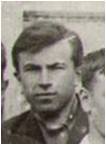
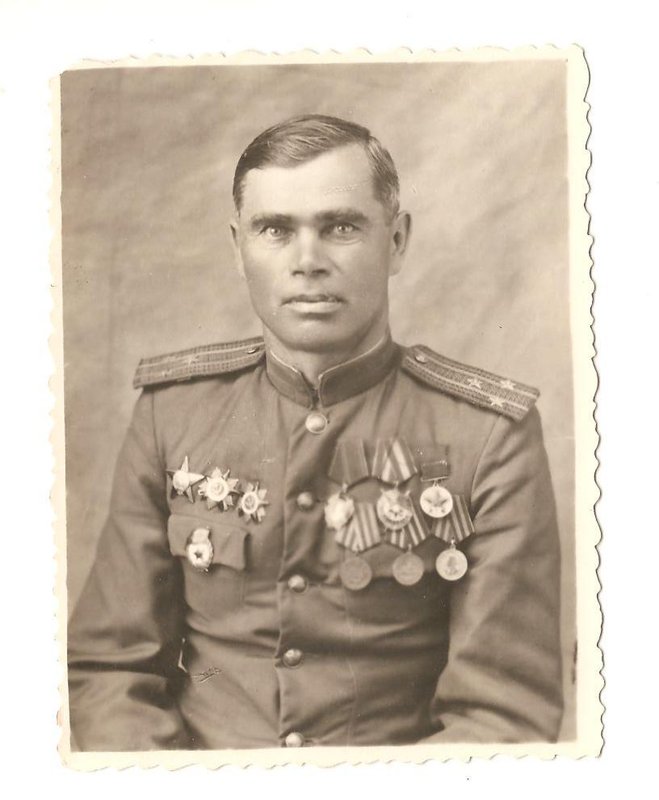
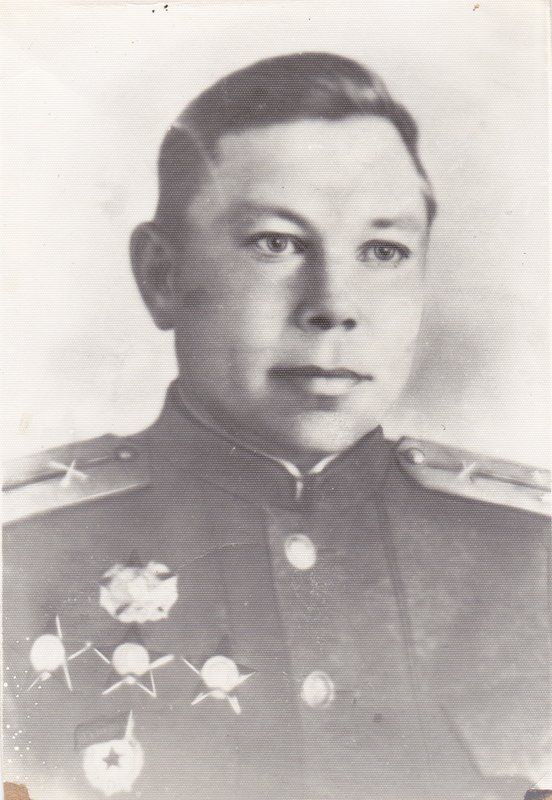
Gnedov Nikolay Petrovich
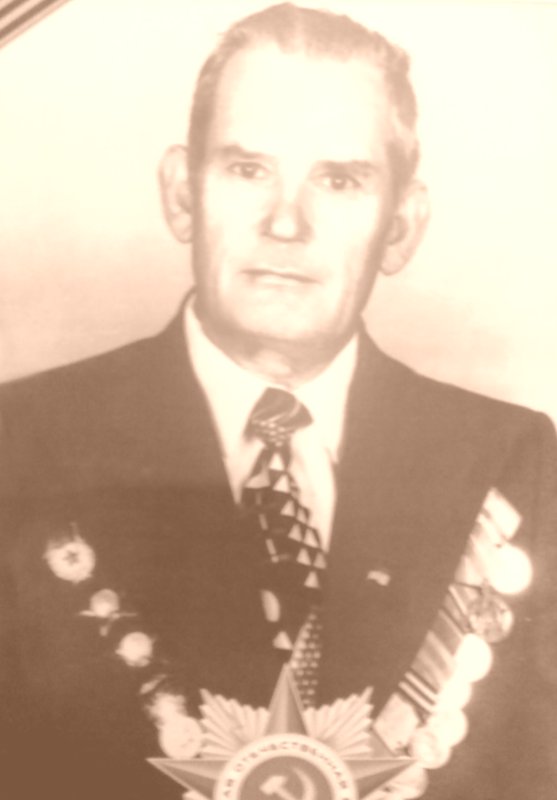
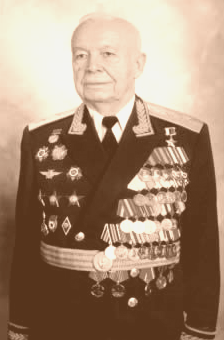
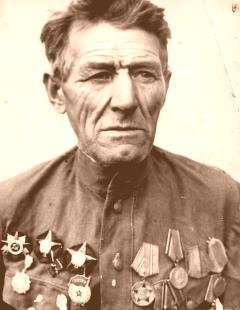
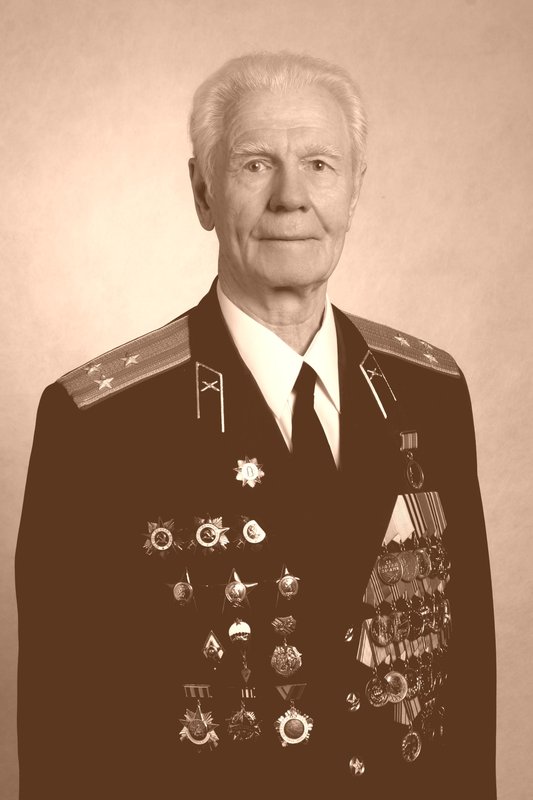
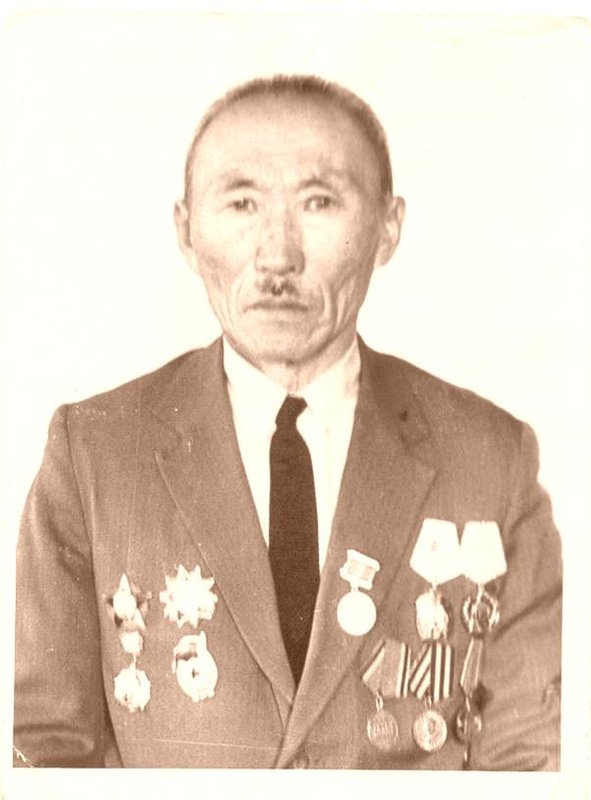
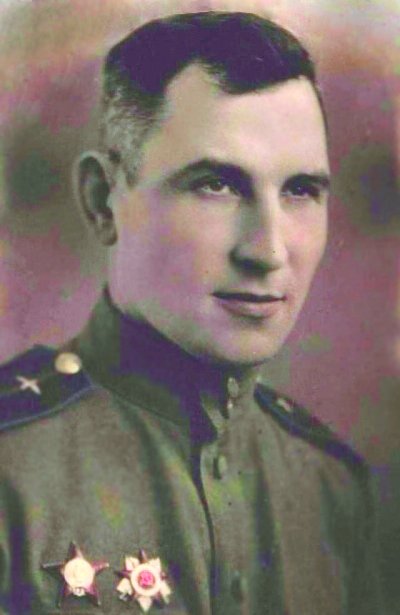
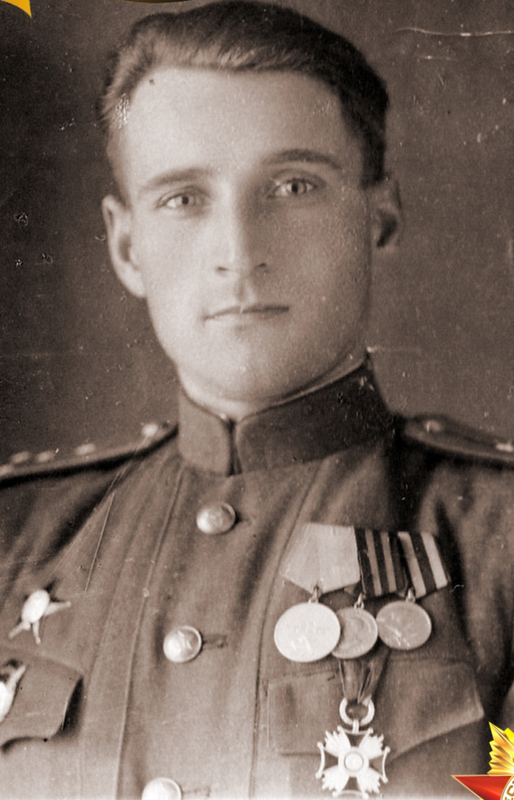
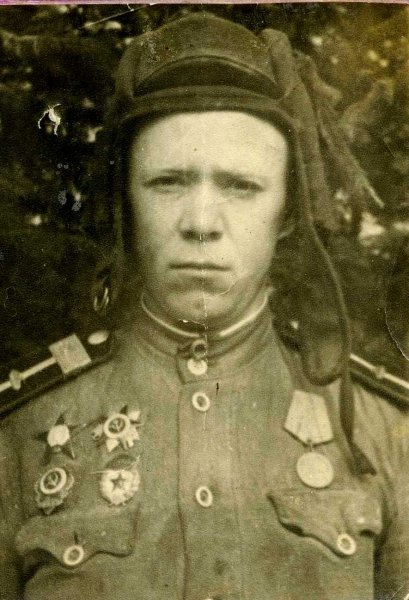
Rank: Lieutenant. Type of troops: Artillery. Unit: 51st Rifle Vitebsk Red Banner Order of Suvorov Division Nikolai Gnedov was drafted into the ranks of the Red Army in 1938 by the Volosovsky Military Commissariat of the Leningrad Region. He was sent to the regimental school of the 85th anti-aircraft artillery regiment. Upon its completion, from 1939 to 1942, he served first in the named regiment, then in the 408th separate anti-aircraft artillery battalion of the Trans-Baikal Military District as the commander of an artillery gun. In June - September 1939 he took part in battles in the area of the Khalkhin-Gol River. In 1942 he took an accelerated course of study at the military-political school in Irkutsk. On the fronts of the Great Patriotic War he fought since January 1943 as part of the 257th mortar regiment of the 22nd artillery division on the North-Western Front as deputy battery commander for political affairs, since April 1944 as part of the 154th Guards Rifle Regiment of the 51st Infantry Division 6- 1st Guards Army as commander of a mortar platoon, then a mortar company. In July 1944, Lieutenant Gnedov was awarded the Order of the Red Star for bravery in offensive battles. He received the second Order of the Red Star for his participation in the battles for the city of Polotsk. In November 1944, he was awarded the Order of Alexander Nevsky for his participation in breaking through the defense line in the area of the Venta River (Lithuania), for skillful command of a mortar platoon and personal courage. Nikolai Petrovich received another Order of the Red Star in December 1944 for bravery and courage in battles on the territory of Latvia. In 1946, Nikolai Petrovich Gnedov was demobilized. He lived in the town of Opochka, Pskov region, worked in the district committee of the Communist Party of the Soviet Union, then took part in the movement of thirty thousand people and headed the collective farm "Red Order". He started a family with a girl who also returned from the fronts of the Great Patriotic War - Anna Tyuneva. Together they lived in peace and harmony for 17 years until the death of Nikolai Petrovich. I am their daughter, I was 5 years old when my father passed away. Mom carefully kept the memory of him. But I didn’t have a chance to hear my father’s front-line stories. My older brother tried to question him, but my father always made fun of him. People who knew Nikolai Petrovich remember him as a very kind, attentive person, who could be approached with any problem. He never refused to help anyone, even in his own time.
Gnedov Nikolay Petrovich
Rank: Lieutenant. Type of troops: Artillery. Unit: 51st Rifle Vitebsk Red Banner Order of Suvorov Division Nikolai Gnedov was drafted into the ranks of the Red Army in 1938 by the Volosovsky Military Commissariat of the Leningrad Region. He was sent to the regimental school of the 85th anti-aircraft artillery regiment. Upon its completion, from 1939 to 1942, he served first in the named regiment, then in the 408th separate anti-aircraft artillery battalion of the Trans-Baikal Military District as the commander of an artillery gun. In June - September 1939 he took part in battles in the area of the Khalkhin-Gol River. In 1942 he took an accelerated course of study at the military-political school in Irkutsk. On the fronts of the Great Patriotic War he fought since January 1943 as part of the 257th mortar regiment of the 22nd artillery division on the North-Western Front as deputy battery commander for political affairs, since April 1944 as part of the 154th Guards Rifle Regiment of the 51st Infantry Division 6- 1st Guards Army as commander of a mortar platoon, then a mortar company. In July 1944, Lieutenant Gnedov was awarded the Order of the Red Star for bravery in offensive battles. He received the second Order of the Red Star for his participation in the battles for the city of Polotsk. In November 1944, he was awarded the Order of Alexander Nevsky for his participation in breaking through the defense line in the area of the Venta River (Lithuania), for skillful command of a mortar platoon and personal courage. Nikolai Petrovich received another Order of the Red Star in December 1944 for bravery and courage in battles on the territory of Latvia. In 1946, Nikolai Petrovich Gnedov was demobilized. He lived in the town of Opochka, Pskov region, worked in the district committee of the Communist Party of the Soviet Union, then took part in the movement of thirty thousand people and headed the collective farm "Red Order". He started a family with a girl who also returned from the fronts of the Great Patriotic War - Anna Tyuneva. Together they lived in peace and harmony for 17 years until the death of Nikolai Petrovich. I am their daughter, I was 5 years old when my father passed away. Mom carefully kept the memory of him. But I didn’t have a chance to hear my father’s front-line stories. My older brother tried to question him, but my father always made fun of him. People who knew Nikolai Petrovich remember him as a very kind, attentive person, who could be approached with any problem. He never refused to help anyone, even in his own time.
0 comment



2026 © Russian Military Historical Society Developed by Jetmix