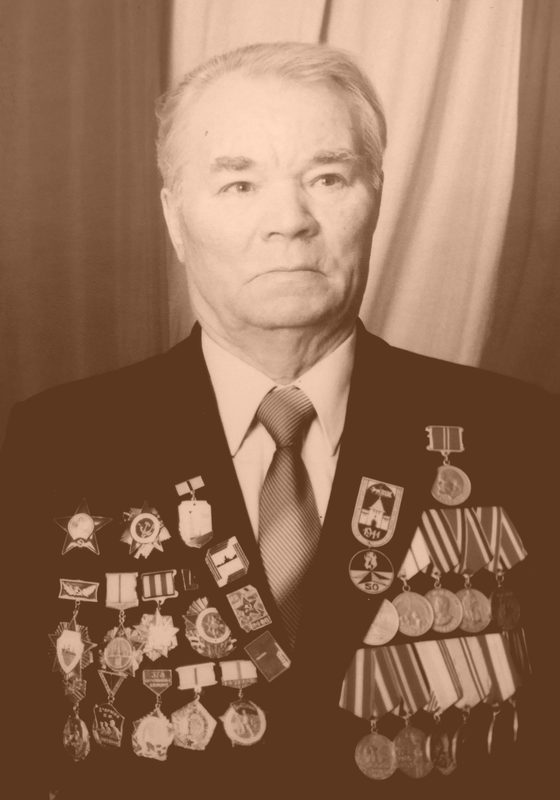
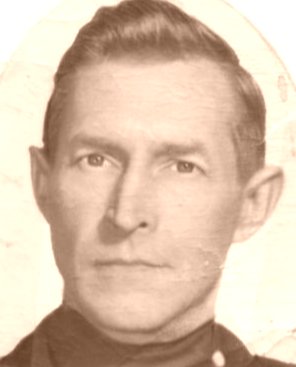
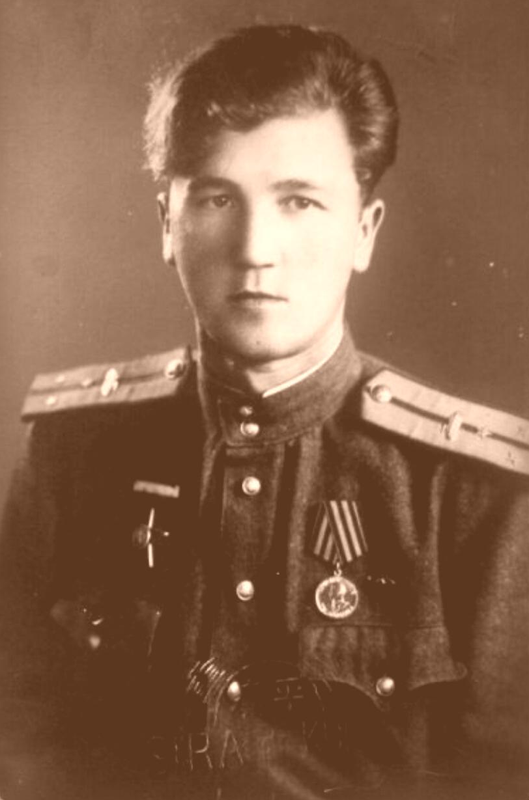
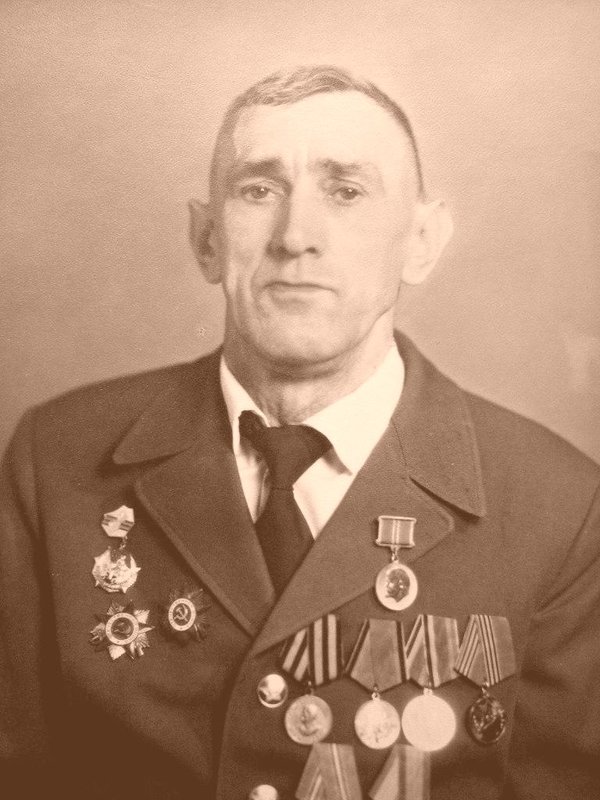
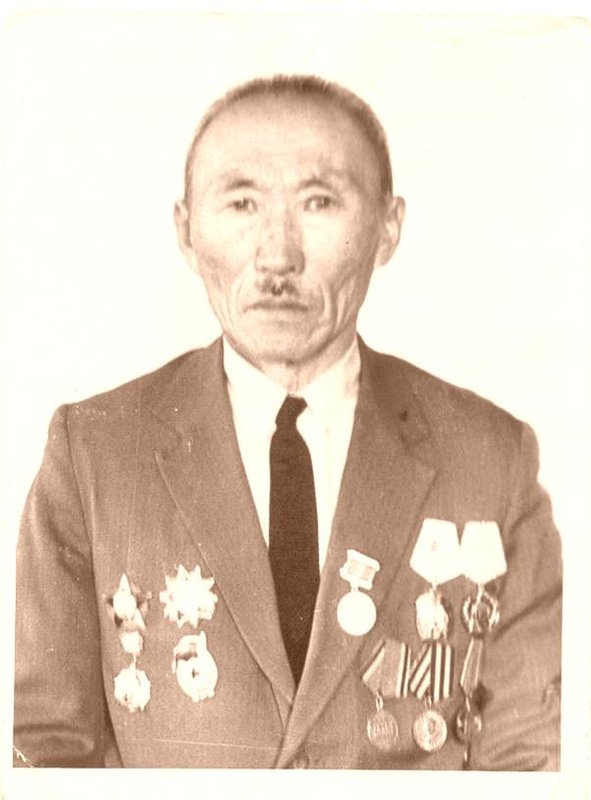
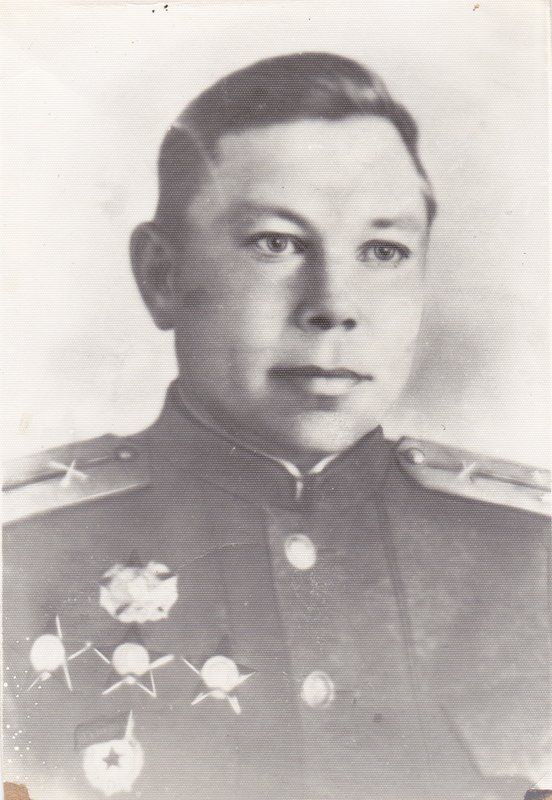
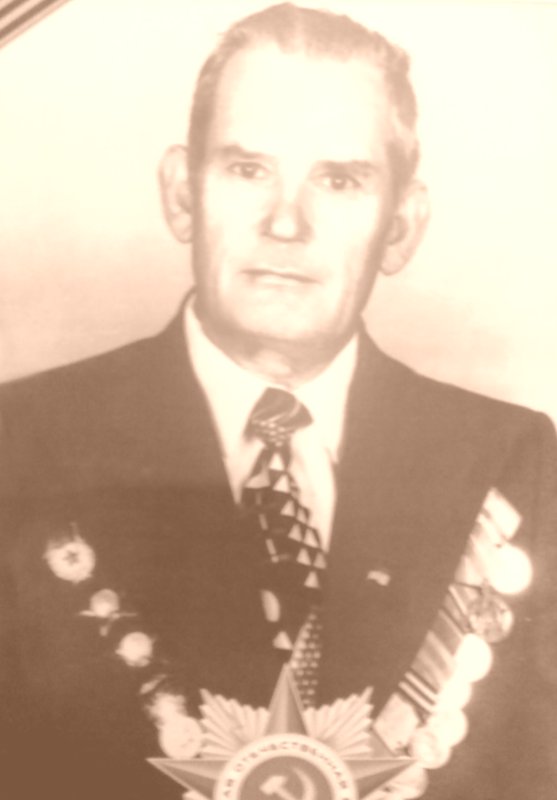
Tkachuk Alexey Isakovich
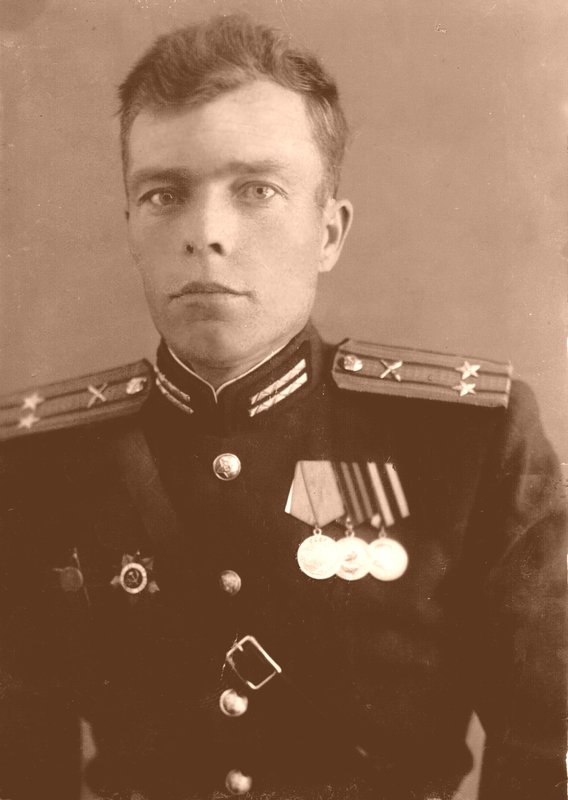
"I am Tkachuk Alexey Isakovich, was born on February 14, 1921 in the family of a middle peasant, in the village of Norinsk, Ovruch district, Zhytomyr region of the Ukrainian SSR. In 1928 I entered the Norinsk secondary school, which I graduated from in 1938 - and went to work in Zhelonsk incomplete secondary school of the Ovruch district of the Zhytomyr region, where he worked until 1939. In 1939 he graduated from the advanced training courses for teachers and was appointed a teacher at the Skrebelich primary school of the Ovruch district of the Zhytomyr region, where he worked before being drafted into the Red Army. On September 18, 1939 he was drafted into the Red Army and on October 22, 1939, he arrived in the 504th Howitzer Artillery Regiment of the 102nd Infantry Division of the Siberian Military District, in the city of Kansk, Krasnoyarsk Territory, where he was enrolled as a cadet in the regimental school of this regiment.In October 1940, he graduated from the regimental school with the rank of junior sergeant and was appointed for the position of commander of the radio unit of the 7th battery of the 3rd division of the 510th howitzer artillery regiment. In July 1941, as part of the regiment, he was sent to the Western Front, then to the Kalinin Front. The 510th Howitzer Artillery Regiment was transferred to the Reserve of the High Command, where it remained until October 1942. In the fall of 1942, by order of the Military Council of the 29th Army, the 510th Howitzer Artillery Regiment began to replace the material part worn out in battles. Since January 1, 1943, by order of the People's Commissariat of Defense, the regiment has been part of the 1st Howitzer Brigade of the 3rd Artillery Division of the Reserve of the High Command, where, as a radio unit commander, he participated in battles on the Western Front until August 3, 1943. On August 3, 1943, he was seriously wounded and sent to evacuation hospital No. 1236 at the Luza station of the Kirov region, where he lay until December 1943. In December, he was discharged from the hospital and sent to the 36th reserve artillery regiment of the 2nd reserve rifle division, at the Chebarkul station of the Chelyabinsk region, where he worked as a senior radiotelephone master of the regiment until March 1944. In March 1944, he was sent to the Frunze Gorky Red Banner Political School, which he graduated in February 1945. On February 2, 1944, he was awarded the rank of junior lieutenant. From February to May 1945 he was in the reserve regiment of political personnel in the city of Gorky. In May 1945 he was sent to the 1st Belorussian Front, where he was in the reserve of the political administration of the 1st Belorussian Front until June 1945. In June 1945, he was appointed to the post of Komsomol organizer of the 930th separate anti-aircraft artillery division of the 35th Guards Rifle Division of the 4th Guards Corps of the 8th Guards Army, where he worked until November 1945. In November 1945, due to the reduction of the liberated Komsomol agents, he was appointed to the post of Komsomol organizer of the 40th Guards Cannon Artillery Regiment of the 377th Guards Artillery Brigade of the 4th Guards Rifle Corps of the 7th Guards Army of the Group of Soviet Occupation Forces in Germany, where he worked until June 1946. In June, due to the disbanding of the unit, he was appointed head of the library of the 399th Guards Artillery Brigade of the 82nd Guards Rifle Division of the 8th Guards Army of the Group of Soviet Forces in Germany, where he worked in this position until April 1947. Due to the fact that the unit was disbanded, in April 1947, he was appointed head of the library of the 128th Guards Cannon Artillery Regiment of the 57th Guards Rifle Division of the 8th Guards Army of the Group of Soviet Forces in Germany. In 1947, he completed a one-month course for library directors at the Political Directorate of the Group of Soviet Forces in Germany. In the 128th Guards Cannon Artillery Regiment he worked until December 1949 - and in December 1949 he was transferred to the Leningrad Military District and was appointed head of the club of the 335th Anti-Aircraft Artillery Regiment of the 5th Anti-Aircraft Artillery Brigade. The rank of lieutenant was awarded in March 1950. He was in the Komsomol from 1934 to 1943. In May 1943 he became a member of the All-Union Communist party (b). "PS This autobiography was written by him. After the Great Patriotic War, he held leading positions. He finished service in 1956, in the city of Pavlovsk, Leningrad region, with the rank of senior lieutenant. Was dismissed from Army Forces for health reasons, died on October 25, 2005. Buried in the village of Norinsk, Ovruch district, Zhytomyr region, Ukraine, he was a modest, honest, principled and respected person, never enjoyed any privileges.
Tkachuk Alexey Isakovich
"I am Tkachuk Alexey Isakovich, was born on February 14, 1921 in the family of a middle peasant, in the village of Norinsk, Ovruch district, Zhytomyr region of the Ukrainian SSR. In 1928 I entered the Norinsk secondary school, which I graduated from in 1938 - and went to work in Zhelonsk incomplete secondary school of the Ovruch district of the Zhytomyr region, where he worked until 1939. In 1939 he graduated from the advanced training courses for teachers and was appointed a teacher at the Skrebelich primary school of the Ovruch district of the Zhytomyr region, where he worked before being drafted into the Red Army. On September 18, 1939 he was drafted into the Red Army and on October 22, 1939, he arrived in the 504th Howitzer Artillery Regiment of the 102nd Infantry Division of the Siberian Military District, in the city of Kansk, Krasnoyarsk Territory, where he was enrolled as a cadet in the regimental school of this regiment.In October 1940, he graduated from the regimental school with the rank of junior sergeant and was appointed for the position of commander of the radio unit of the 7th battery of the 3rd division of the 510th howitzer artillery regiment. In July 1941, as part of the regiment, he was sent to the Western Front, then to the Kalinin Front. The 510th Howitzer Artillery Regiment was transferred to the Reserve of the High Command, where it remained until October 1942. In the fall of 1942, by order of the Military Council of the 29th Army, the 510th Howitzer Artillery Regiment began to replace the material part worn out in battles. Since January 1, 1943, by order of the People's Commissariat of Defense, the regiment has been part of the 1st Howitzer Brigade of the 3rd Artillery Division of the Reserve of the High Command, where, as a radio unit commander, he participated in battles on the Western Front until August 3, 1943. On August 3, 1943, he was seriously wounded and sent to evacuation hospital No. 1236 at the Luza station of the Kirov region, where he lay until December 1943. In December, he was discharged from the hospital and sent to the 36th reserve artillery regiment of the 2nd reserve rifle division, at the Chebarkul station of the Chelyabinsk region, where he worked as a senior radiotelephone master of the regiment until March 1944. In March 1944, he was sent to the Frunze Gorky Red Banner Political School, which he graduated in February 1945. On February 2, 1944, he was awarded the rank of junior lieutenant. From February to May 1945 he was in the reserve regiment of political personnel in the city of Gorky. In May 1945 he was sent to the 1st Belorussian Front, where he was in the reserve of the political administration of the 1st Belorussian Front until June 1945. In June 1945, he was appointed to the post of Komsomol organizer of the 930th separate anti-aircraft artillery division of the 35th Guards Rifle Division of the 4th Guards Corps of the 8th Guards Army, where he worked until November 1945. In November 1945, due to the reduction of the liberated Komsomol agents, he was appointed to the post of Komsomol organizer of the 40th Guards Cannon Artillery Regiment of the 377th Guards Artillery Brigade of the 4th Guards Rifle Corps of the 7th Guards Army of the Group of Soviet Occupation Forces in Germany, where he worked until June 1946. In June, due to the disbanding of the unit, he was appointed head of the library of the 399th Guards Artillery Brigade of the 82nd Guards Rifle Division of the 8th Guards Army of the Group of Soviet Forces in Germany, where he worked in this position until April 1947. Due to the fact that the unit was disbanded, in April 1947, he was appointed head of the library of the 128th Guards Cannon Artillery Regiment of the 57th Guards Rifle Division of the 8th Guards Army of the Group of Soviet Forces in Germany. In 1947, he completed a one-month course for library directors at the Political Directorate of the Group of Soviet Forces in Germany. In the 128th Guards Cannon Artillery Regiment he worked until December 1949 - and in December 1949 he was transferred to the Leningrad Military District and was appointed head of the club of the 335th Anti-Aircraft Artillery Regiment of the 5th Anti-Aircraft Artillery Brigade. The rank of lieutenant was awarded in March 1950. He was in the Komsomol from 1934 to 1943. In May 1943 he became a member of the All-Union Communist party (b). "PS This autobiography was written by him. After the Great Patriotic War, he held leading positions. He finished service in 1956, in the city of Pavlovsk, Leningrad region, with the rank of senior lieutenant. Was dismissed from Army Forces for health reasons, died on October 25, 2005. Buried in the village of Norinsk, Ovruch district, Zhytomyr region, Ukraine, he was a modest, honest, principled and respected person, never enjoyed any privileges.
0 comment



2026 © Russian Military Historical Society Developed by Jetmix