Telitsyn Vasily Papovich
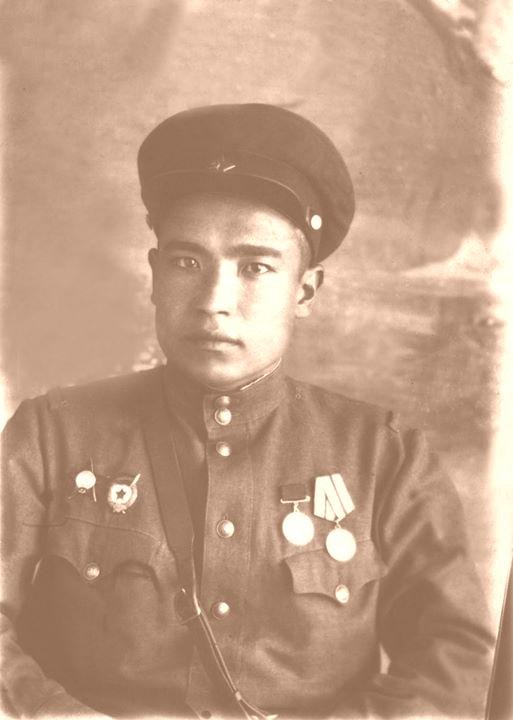
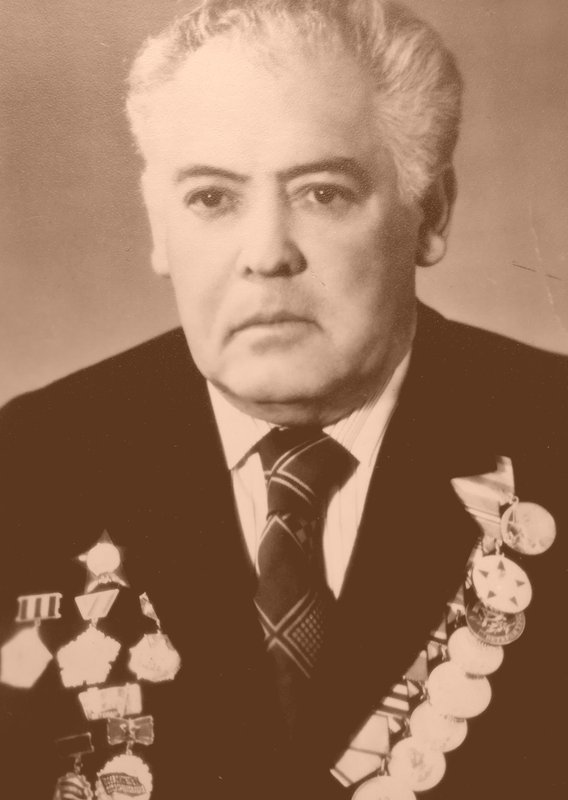
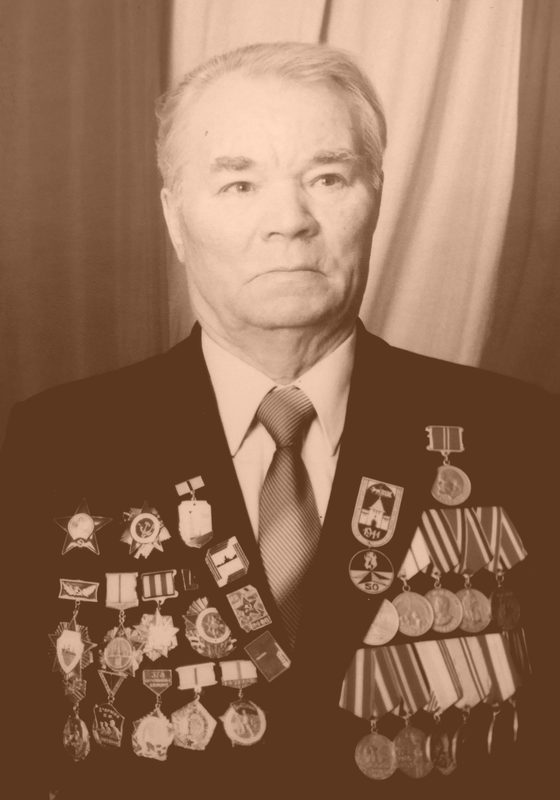
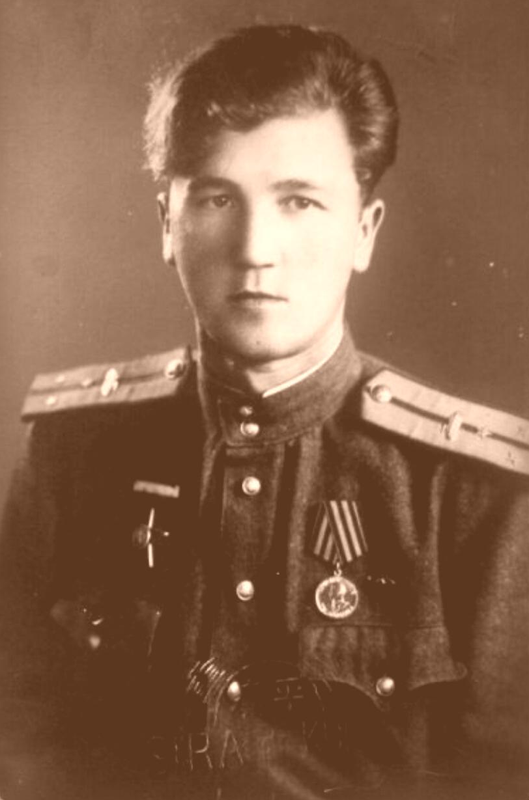
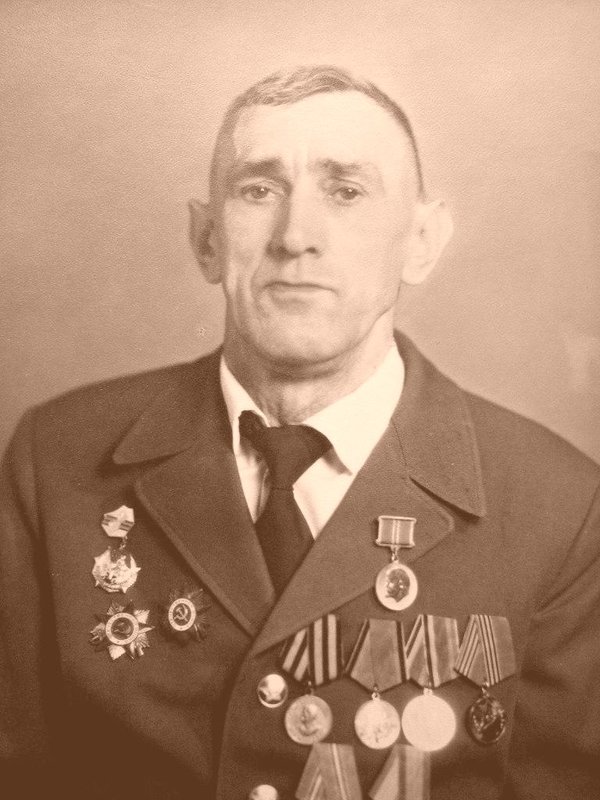
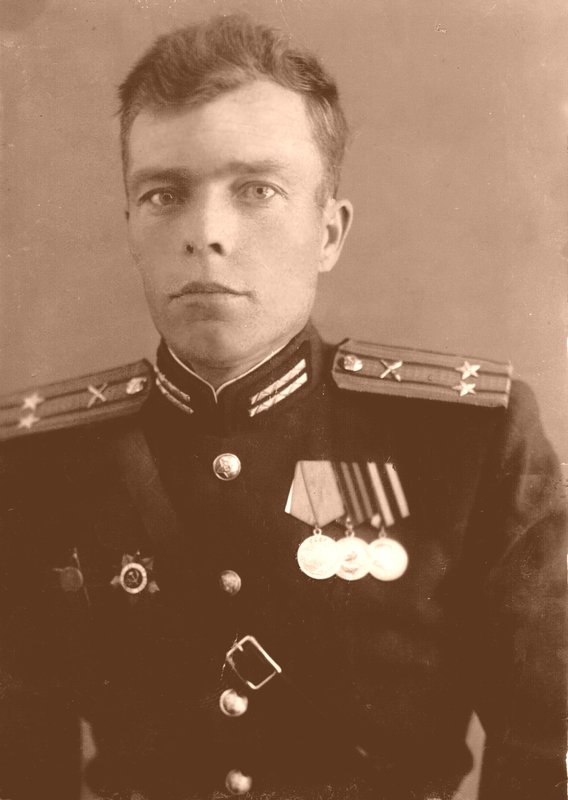
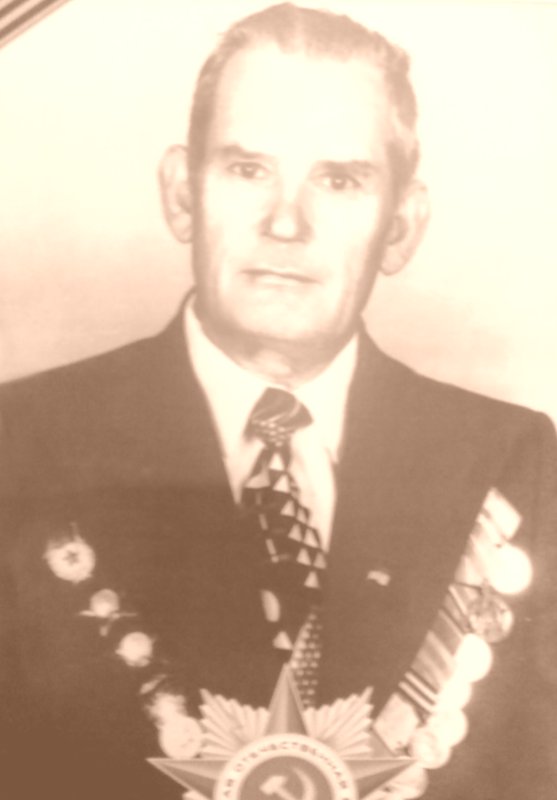
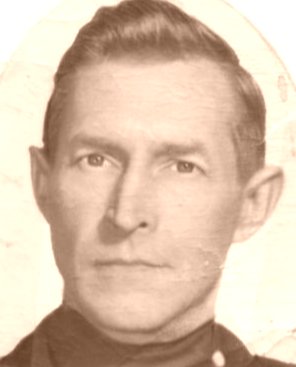
Telitsyn Vasily Papovich, born December 13, 1909, a native of the Sunsky district. 06/23/1941 (on the second day of the war) was drafted into the Red Army with a car (he worked as a driver in the RaiPO(Disrtict Consumer Society). He fought in the Leningrad area near the city of Narva. Then, on the Volkhov front, he took part in the crossing of Lake Ladoga. He performed the tasks of covering the immediate approaches to Leningrad and preventing its capture by the enemy. On April 2, 1942, he was seriously wounded and contused. From the field hospital by plane from the encirclement transferred to the rear hospital. After long-term treatment, he was sent to serve in Riga, where he celebrated Victory Day over Nazi Germany (by chance that day in Riga he met his brother Mikhail, also a front-line soldier). Then he was transferred to Mongolia, where he participated in battles as part of the troops of the Trans-Baikal Front. He celebrated the Victory Day over Japan in Mukden (China). He returned home in December 1945. He was awarded the Order of the Red Star, the Medal for Military Merit, the Order of the Patriotic War, and numerous medals. From the speech of V.P. Telitsyn. at a rally in the village of Suna in honor of the Victory over Nazi Germany (70s): “I was taken into the army on the second day of the war, along with a car. At that time, I worked as a driver in the Sunsky regional consumer union. Among others, I was sent to the Leningrad direction near the city of Narva. I had to experience the bitterness of retreat (left Tikhvin, Volkhov). They retreated along the Gulf of Finland and Lake Ladoga. They retreated with battles, defended themselves. However, the fascists at that time were stronger than us. In 1942 we were transferred to the rear to replenish personnel and receive new equipment. After formation, our unit was sent to the Volkhov front in the Second Shock Army, commanded by the traitor to the Motherland, General Vlasov. We, rank-and-file soldiers, as well as officers, did not know about this betrayal. They fought heroically and bravely with the Nazis. The second shock was surrounded by German fascist troops. The ring was broken several times, but the Germans surrounded us again. We suffered heavy losses, but many Germans were killed. We were short of ammunition and food. We were given the task to break through the encirclement and deliver cartridges, shells and food to the encircled. Under constant mortar fire and bombing, we still managed to break through in several vehicles. We were loaded with the necessary load, and we drove back. But the ring had already closed again. There were swamps all around, the only road we drove along was constantly bombarded. We got into a zone of massive fire. It was April 2, 1942. I was wounded in the right arm and leg, and I was concussed. I lost consciousness, then came to my senses. Mines exploded all around. I managed to start the car and took it out of the firing zone. The whole car was pierced by shrapnel, but the engine was unharmed. The rest of the vehicles also managed to break through and the necessary cargo was delivered to our military unit. It was a very difficult time for our Second Shock Army. The encirclement ring was shrinking every day. I was placed in a field hospital (surrounded) at the Rogavka station (registration in the fields: Novgorod region, 140 km from St. Petersburg, hospital No. 2538). He lay there for 30 days, as there was no way to transport them across the front line from the encirclement. All the same, the plane landed and we, seriously wounded, were taken to the rear hospital. After a long treatment, I was sent to another military unit. He met the victory over fascist Germany in Riga. On this day, I accidentally met my brother, also a participant in the Great Patriotic War. Soon our unit was sent to Russia, and from there to Mongolia. I took part in battles to defend Leningrad, Estonia and in battles as part of the Trans-Baikal Front. Celebrated the Victory Day over Germany in Riga. Victory Day over Japan was celebrated in China, in the city of Mukden. He was demobilized in December 1945. Allow me, dear war veterans, all participants of the meeting, to congratulate you on the Victory Day, to wish you good health, success in your affairs and eternal peace time.
Telitsyn Vasily Papovich
Telitsyn Vasily Papovich, born December 13, 1909, a native of the Sunsky district. 06/23/1941 (on the second day of the war) was drafted into the Red Army with a car (he worked as a driver in the RaiPO(Disrtict Consumer Society). He fought in the Leningrad area near the city of Narva. Then, on the Volkhov front, he took part in the crossing of Lake Ladoga. He performed the tasks of covering the immediate approaches to Leningrad and preventing its capture by the enemy. On April 2, 1942, he was seriously wounded and contused. From the field hospital by plane from the encirclement transferred to the rear hospital. After long-term treatment, he was sent to serve in Riga, where he celebrated Victory Day over Nazi Germany (by chance that day in Riga he met his brother Mikhail, also a front-line soldier). Then he was transferred to Mongolia, where he participated in battles as part of the troops of the Trans-Baikal Front. He celebrated the Victory Day over Japan in Mukden (China). He returned home in December 1945. He was awarded the Order of the Red Star, the Medal for Military Merit, the Order of the Patriotic War, and numerous medals. From the speech of V.P. Telitsyn. at a rally in the village of Suna in honor of the Victory over Nazi Germany (70s): “I was taken into the army on the second day of the war, along with a car. At that time, I worked as a driver in the Sunsky regional consumer union. Among others, I was sent to the Leningrad direction near the city of Narva. I had to experience the bitterness of retreat (left Tikhvin, Volkhov). They retreated along the Gulf of Finland and Lake Ladoga. They retreated with battles, defended themselves. However, the fascists at that time were stronger than us. In 1942 we were transferred to the rear to replenish personnel and receive new equipment. After formation, our unit was sent to the Volkhov front in the Second Shock Army, commanded by the traitor to the Motherland, General Vlasov. We, rank-and-file soldiers, as well as officers, did not know about this betrayal. They fought heroically and bravely with the Nazis. The second shock was surrounded by German fascist troops. The ring was broken several times, but the Germans surrounded us again. We suffered heavy losses, but many Germans were killed. We were short of ammunition and food. We were given the task to break through the encirclement and deliver cartridges, shells and food to the encircled. Under constant mortar fire and bombing, we still managed to break through in several vehicles. We were loaded with the necessary load, and we drove back. But the ring had already closed again. There were swamps all around, the only road we drove along was constantly bombarded. We got into a zone of massive fire. It was April 2, 1942. I was wounded in the right arm and leg, and I was concussed. I lost consciousness, then came to my senses. Mines exploded all around. I managed to start the car and took it out of the firing zone. The whole car was pierced by shrapnel, but the engine was unharmed. The rest of the vehicles also managed to break through and the necessary cargo was delivered to our military unit. It was a very difficult time for our Second Shock Army. The encirclement ring was shrinking every day. I was placed in a field hospital (surrounded) at the Rogavka station (registration in the fields: Novgorod region, 140 km from St. Petersburg, hospital No. 2538). He lay there for 30 days, as there was no way to transport them across the front line from the encirclement. All the same, the plane landed and we, seriously wounded, were taken to the rear hospital. After a long treatment, I was sent to another military unit. He met the victory over fascist Germany in Riga. On this day, I accidentally met my brother, also a participant in the Great Patriotic War. Soon our unit was sent to Russia, and from there to Mongolia. I took part in battles to defend Leningrad, Estonia and in battles as part of the Trans-Baikal Front. Celebrated the Victory Day over Germany in Riga. Victory Day over Japan was celebrated in China, in the city of Mukden. He was demobilized in December 1945. Allow me, dear war veterans, all participants of the meeting, to congratulate you on the Victory Day, to wish you good health, success in your affairs and eternal peace time.
0 comment



2026 © Russian Military Historical Society Developed by Jetmix