Back to
album
album
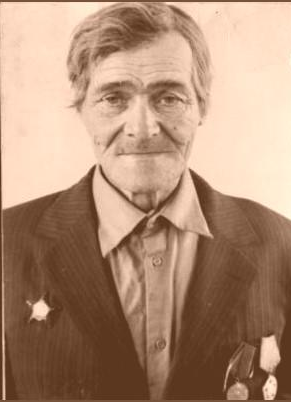
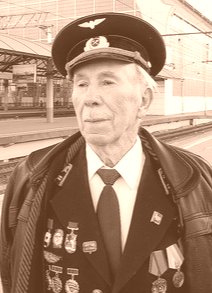
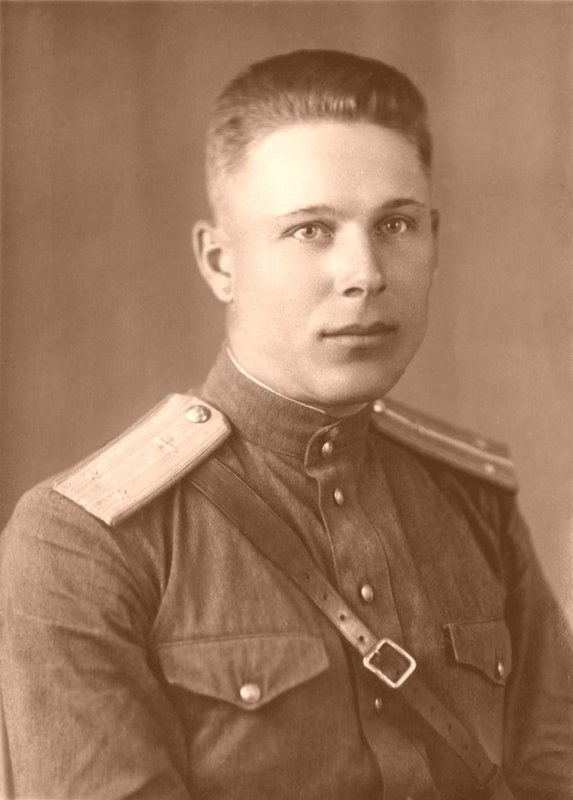
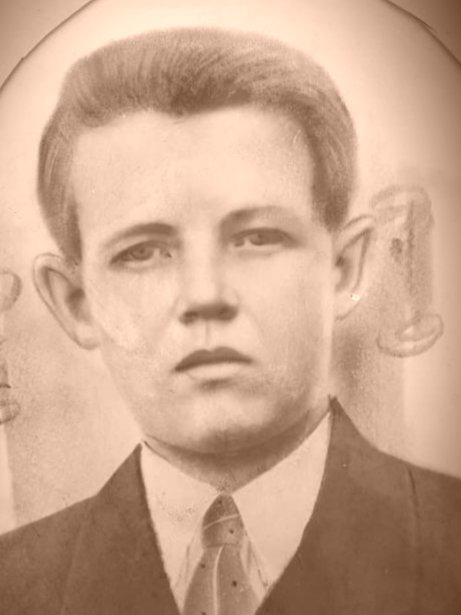
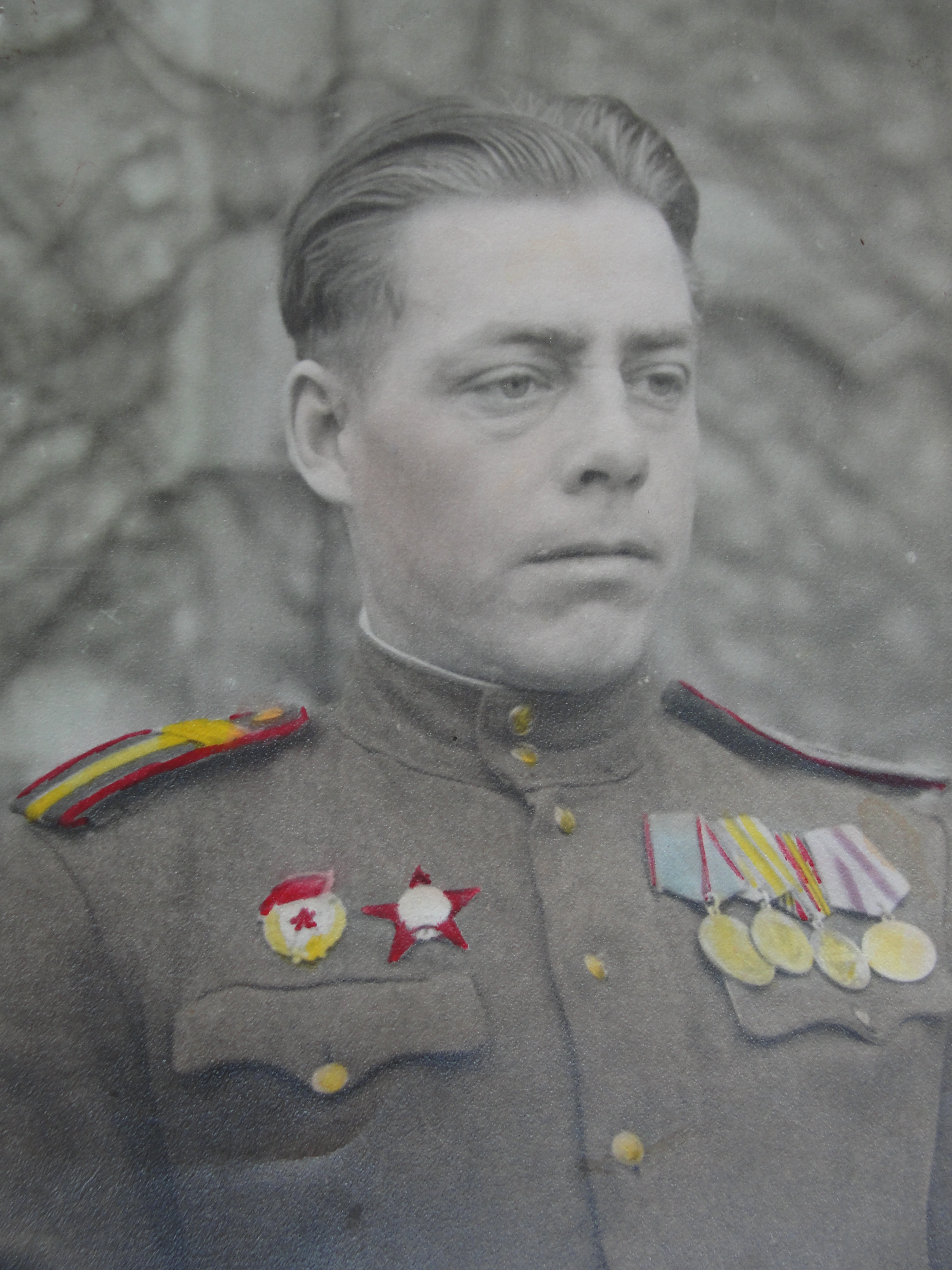
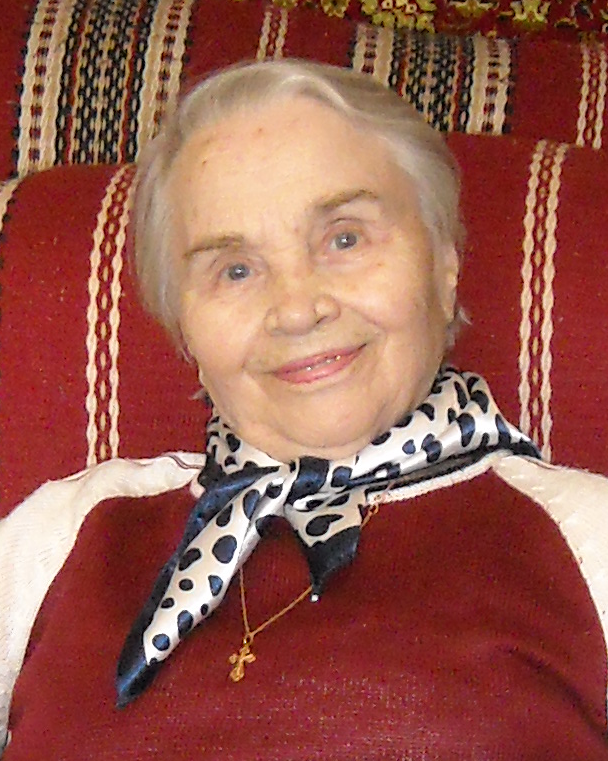
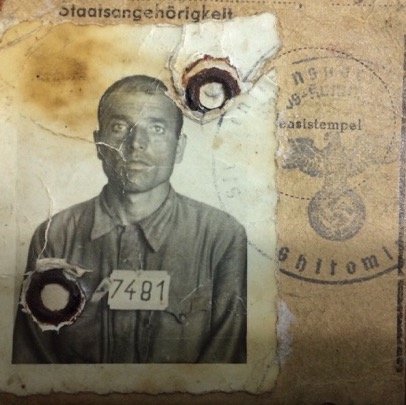
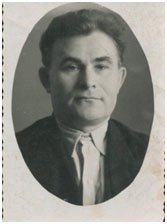
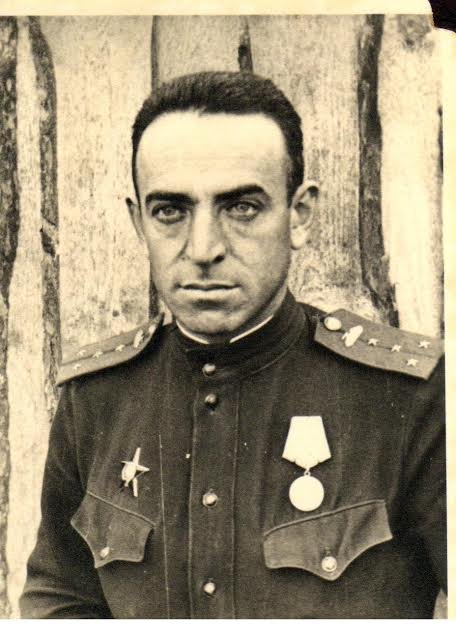
Khavalkin Alexey Antonovich
Title: Red Army soldier Type of troops: Artillery I would like to tell a little about my stepfather's grandfather, Alexei Antonovich Khavalkin, born on March 30, 1917. He was born and lived in Tula. He was drafted into the ranks of the Red Army in September 1938 and ended up in the 12th Howitzer Artillery Regiment (stationed in the city of Kalinin, now the city of Tver), as a forging blacksmith. At that time, the army widely used horses as a draft force, and howitzers in artillery regiments were transported by horses. The duties of Alexei Antonovich included horseshoeing and repairing artillery equipment. He did not manage to demobilize at the end of his military service, the war began. And their regiment in July 1941 was transferred to Belarus on the border. The Germans advanced quickly, despite fierce resistance, and soon some were bombed, and the remaining soldiers and officers were taken prisoner. During the war, Alexey Antonovich visited three Prisoners of war camps on the territory of Belarus. Several times he and his comrades tried to escape, but they were caught up with the dogs, beaten and returned back to the camp. When our troops launched an offensive in Belarus, the prisoners were taken to Norway on the island of Spitsbergen. With the offensive of the allied forces, the Germans, before retreating, destroyed the prisoners, taking them out to sea on barges - they drowned them. Alexei Antonovich was lucky, they were rescued by an English assault landing on the island. Alexey Antonovich stayed in the "death camps" from July 1941 to May 1945. Then my grandfather was kept in a check-up camp for former prisoners of war near Kaluga, and later in the town of Uzlov, Tula region. And only in 1948, after all the checks, he was unconvoyed and finally released. Cadet of the Pervomaiskaya cadet school of the Tula region, Shchyokinsky district 7 "G" class Timofeev Egor
Khavalkin Alexey Antonovich
Title: Red Army soldier Type of troops: Artillery I would like to tell a little about my stepfather's grandfather, Alexei Antonovich Khavalkin, born on March 30, 1917. He was born and lived in Tula. He was drafted into the ranks of the Red Army in September 1938 and ended up in the 12th Howitzer Artillery Regiment (stationed in the city of Kalinin, now the city of Tver), as a forging blacksmith. At that time, the army widely used horses as a draft force, and howitzers in artillery regiments were transported by horses. The duties of Alexei Antonovich included horseshoeing and repairing artillery equipment. He did not manage to demobilize at the end of his military service, the war began. And their regiment in July 1941 was transferred to Belarus on the border. The Germans advanced quickly, despite fierce resistance, and soon some were bombed, and the remaining soldiers and officers were taken prisoner. During the war, Alexey Antonovich visited three Prisoners of war camps on the territory of Belarus. Several times he and his comrades tried to escape, but they were caught up with the dogs, beaten and returned back to the camp. When our troops launched an offensive in Belarus, the prisoners were taken to Norway on the island of Spitsbergen. With the offensive of the allied forces, the Germans, before retreating, destroyed the prisoners, taking them out to sea on barges - they drowned them. Alexei Antonovich was lucky, they were rescued by an English assault landing on the island. Alexey Antonovich stayed in the "death camps" from July 1941 to May 1945. Then my grandfather was kept in a check-up camp for former prisoners of war near Kaluga, and later in the town of Uzlov, Tula region. And only in 1948, after all the checks, he was unconvoyed and finally released. Cadet of the Pervomaiskaya cadet school of the Tula region, Shchyokinsky district 7 "G" class Timofeev Egor
0 comment



2026 © Russian Military Historical Society Developed by Jetmix