Back to
album
album
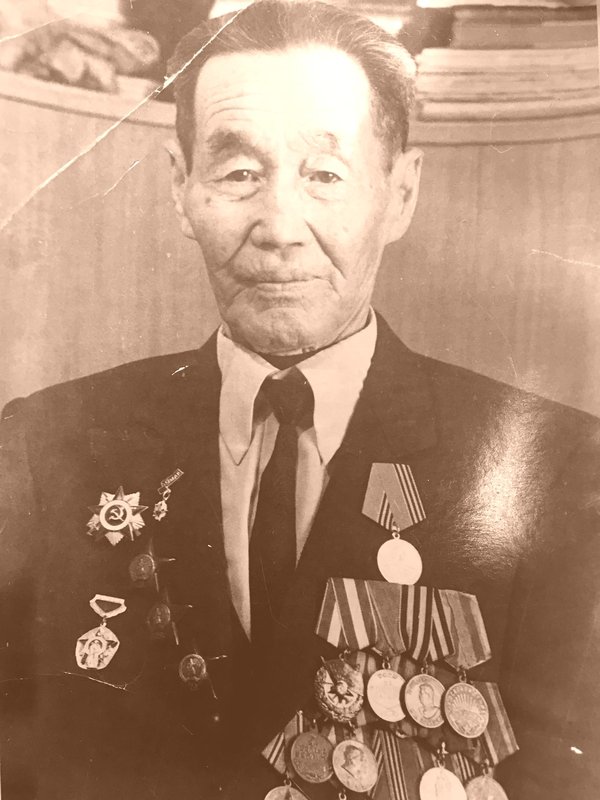
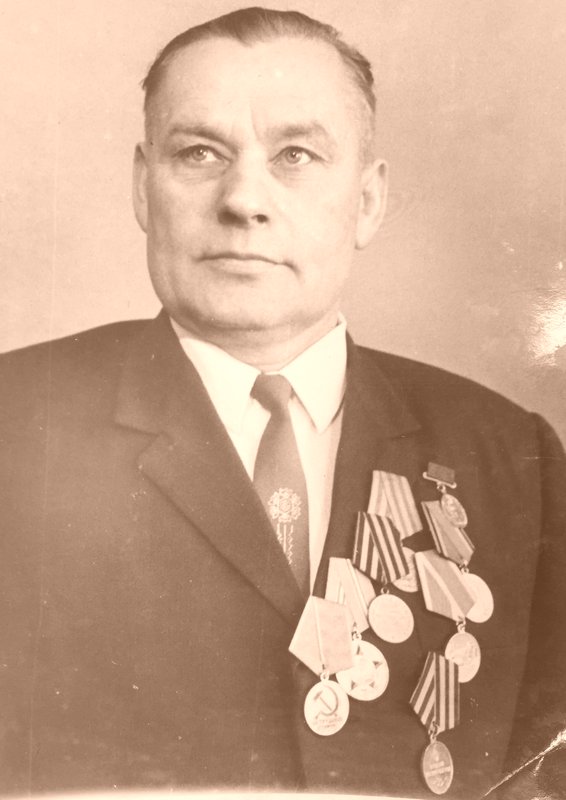
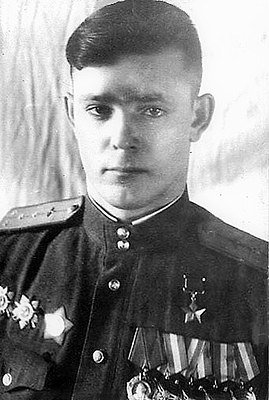
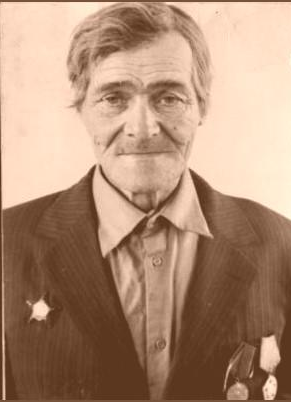
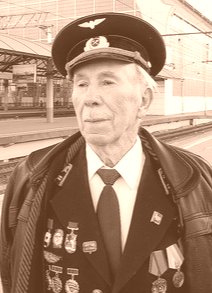
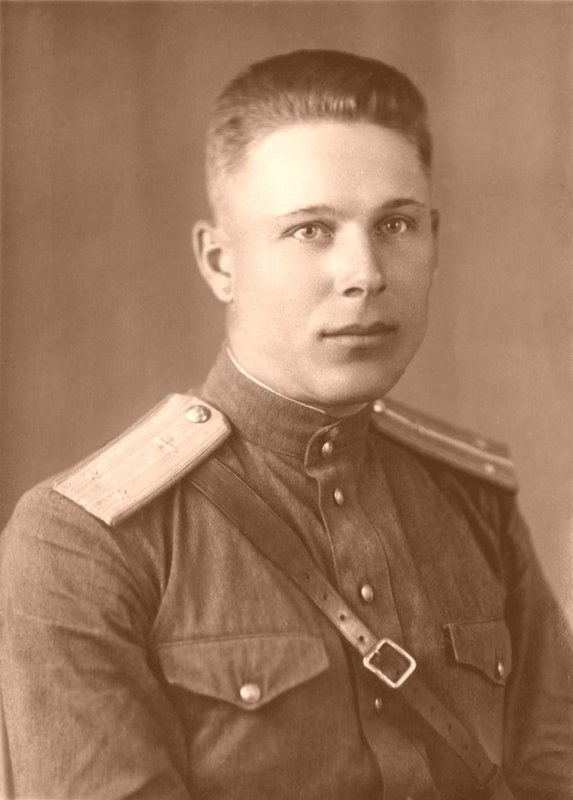
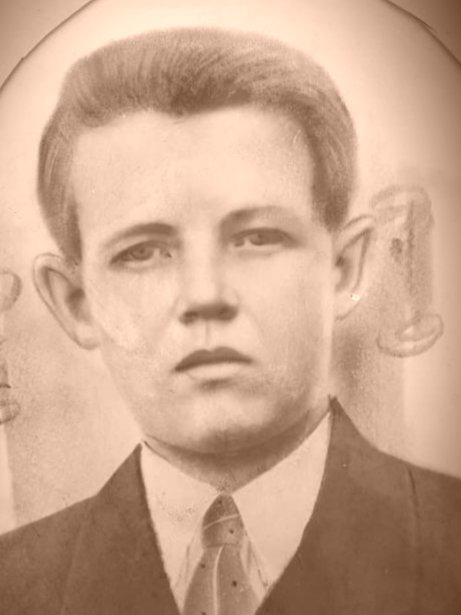
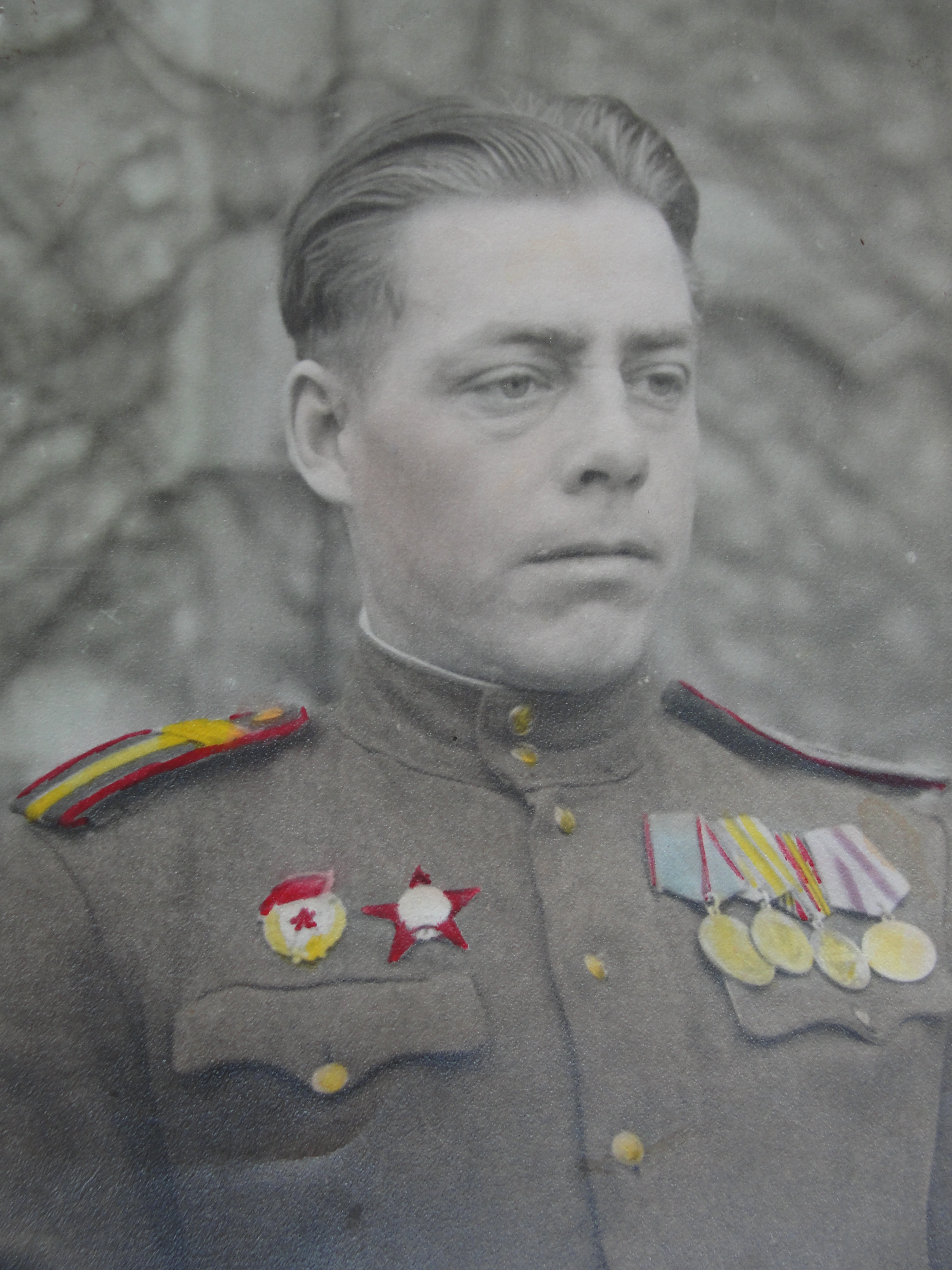
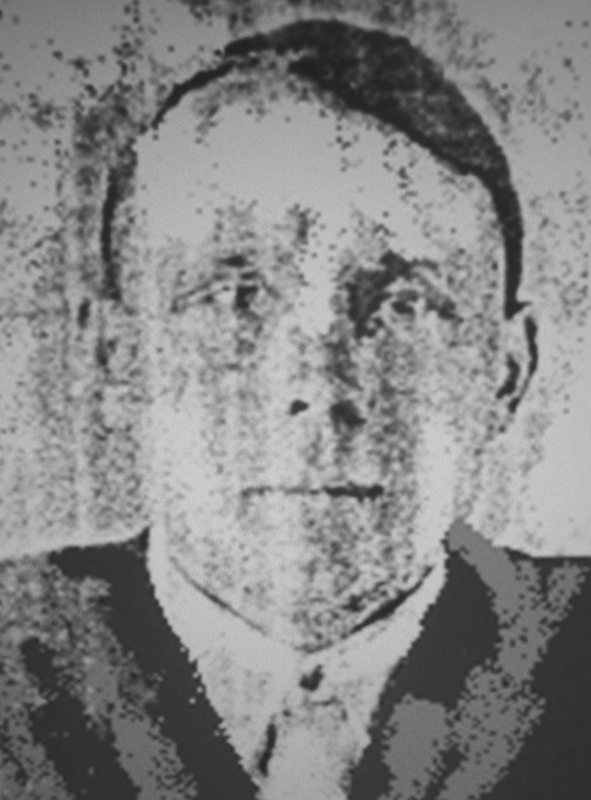
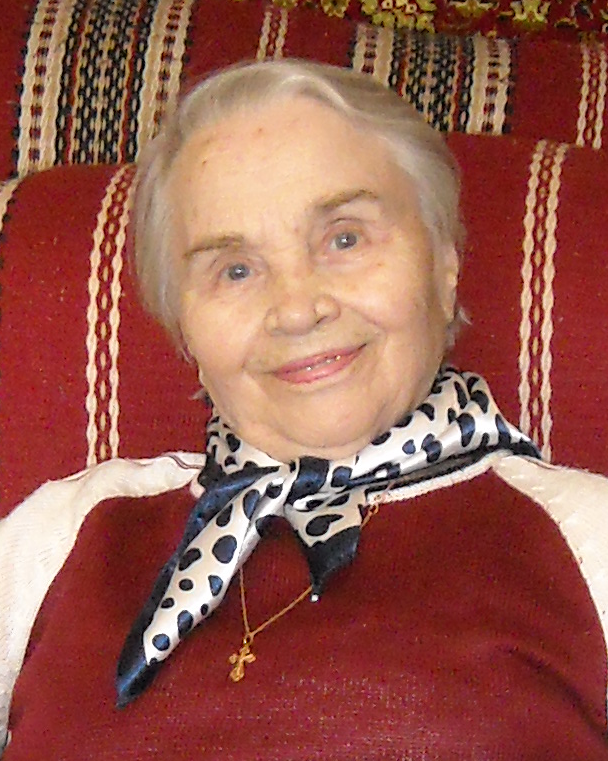
Izotov Dmitry Iosifovich
In the fall of 1941, like many of his peers and fellow villagers, Dmitry Iosifovich Izotov volunteered for the front. The military commissariat was sent to the Tambov Military Cavalry Red Banner School named after the 1st Cavalry Army for training on accelerated officer courses - the front needed young command personnel. Grandfather received the rank of lieutenant of the Red Army at the end of November 1942 and was immediately sent to the active army. He often recalled this day - it was frosty, it was snowing thickly, all the cadets of the school were gathered on the parade ground, and the head of the school, reading out the names of the cadets in a commanding voice, handed them new officer shoulder straps and announced the place of departure. Each anxiously awaited his name, and now it sounds: IZOTOV - Stalingrad Front. As you know, it was in this direction that one of the most fierce battles of the Great Patriotic War unfolded. Grandfather commanded a cavalry platoon of the 227th Cavalry Regiment of the 81st Cavalry Division, which was part of the 4th Cavalry Corps. The battle of Kotelnikovo (December 1942) became his baptism of fire for him. On December 4, the enemy began heavy artillery fire, 150 tanks of the Nazis attacked the 81st cavalry division in the Pokhlebin area. By the middle of the day, the division was completely surrounded, a "cauldron" was formed. The cavalrymen fought throughout the day and with the onset of darkness began to break through the encirclement. The division commander and chief of staff were killed. At Kotelnikovo, my grandfather was wounded and contused. For participation in the Battle of Stalingrad he was awarded the Order of the Patriotic War and the Order of the Red Star. After treatment in a hospital (city of Azov, Rostov region), he returned to the front, where, as a commander of a saber platoon, he trained officers and equestrian personnel for the Red Army. The award list prepared by the commander of the 6th reserve cavalry regiment for awarding the grandfather with the medal "For Military Merit" says: "leith. During his stay in the unit, IZOTOV prepared and sent five marching platoons to the active army, the horse platoon is in excellent condition. " The grandfather treated the horses on which he spent the entire war with special love. Here is just one fact - during the long railway crossing, during which he commanded a troop transporting horses for the front from Kalmykia, not a single horse fell; moreover, according to the results of control weighing, they also gained weight. Grandfather always said: "You can be undernourished, but the horse must always be watered and fed."
Izotov Dmitry Iosifovich
In the fall of 1941, like many of his peers and fellow villagers, Dmitry Iosifovich Izotov volunteered for the front. The military commissariat was sent to the Tambov Military Cavalry Red Banner School named after the 1st Cavalry Army for training on accelerated officer courses - the front needed young command personnel. Grandfather received the rank of lieutenant of the Red Army at the end of November 1942 and was immediately sent to the active army. He often recalled this day - it was frosty, it was snowing thickly, all the cadets of the school were gathered on the parade ground, and the head of the school, reading out the names of the cadets in a commanding voice, handed them new officer shoulder straps and announced the place of departure. Each anxiously awaited his name, and now it sounds: IZOTOV - Stalingrad Front. As you know, it was in this direction that one of the most fierce battles of the Great Patriotic War unfolded. Grandfather commanded a cavalry platoon of the 227th Cavalry Regiment of the 81st Cavalry Division, which was part of the 4th Cavalry Corps. The battle of Kotelnikovo (December 1942) became his baptism of fire for him. On December 4, the enemy began heavy artillery fire, 150 tanks of the Nazis attacked the 81st cavalry division in the Pokhlebin area. By the middle of the day, the division was completely surrounded, a "cauldron" was formed. The cavalrymen fought throughout the day and with the onset of darkness began to break through the encirclement. The division commander and chief of staff were killed. At Kotelnikovo, my grandfather was wounded and contused. For participation in the Battle of Stalingrad he was awarded the Order of the Patriotic War and the Order of the Red Star. After treatment in a hospital (city of Azov, Rostov region), he returned to the front, where, as a commander of a saber platoon, he trained officers and equestrian personnel for the Red Army. The award list prepared by the commander of the 6th reserve cavalry regiment for awarding the grandfather with the medal "For Military Merit" says: "leith. During his stay in the unit, IZOTOV prepared and sent five marching platoons to the active army, the horse platoon is in excellent condition. " The grandfather treated the horses on which he spent the entire war with special love. Here is just one fact - during the long railway crossing, during which he commanded a troop transporting horses for the front from Kalmykia, not a single horse fell; moreover, according to the results of control weighing, they also gained weight. Grandfather always said: "You can be undernourished, but the horse must always be watered and fed."
0 comment




2026 © Russian Military Historical Society Developed by Jetmix