Back to
album
album
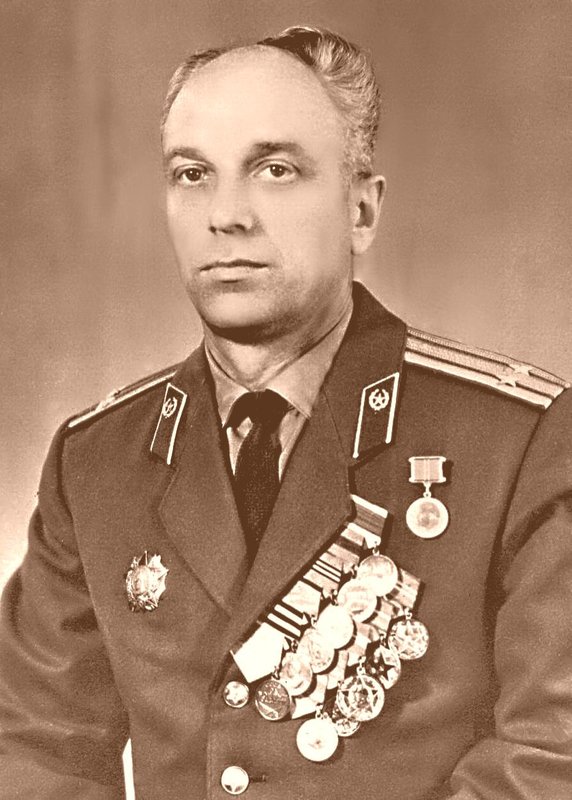
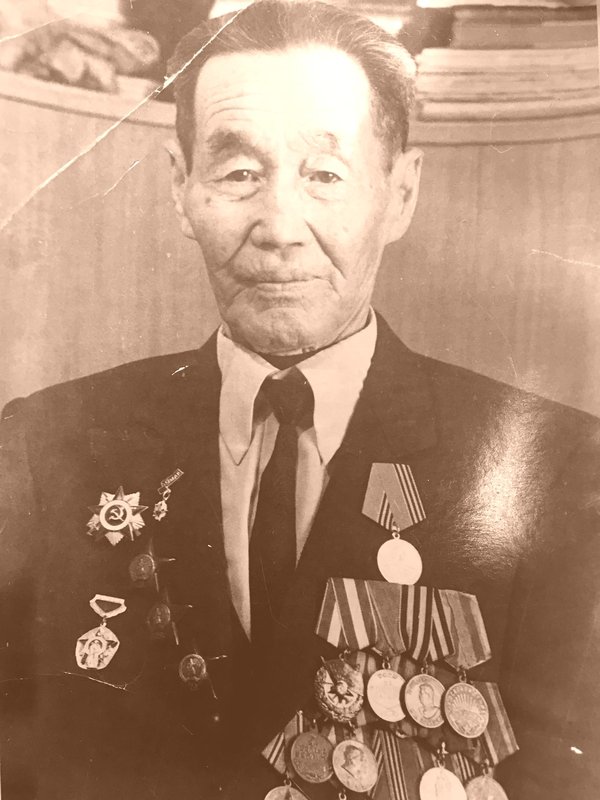
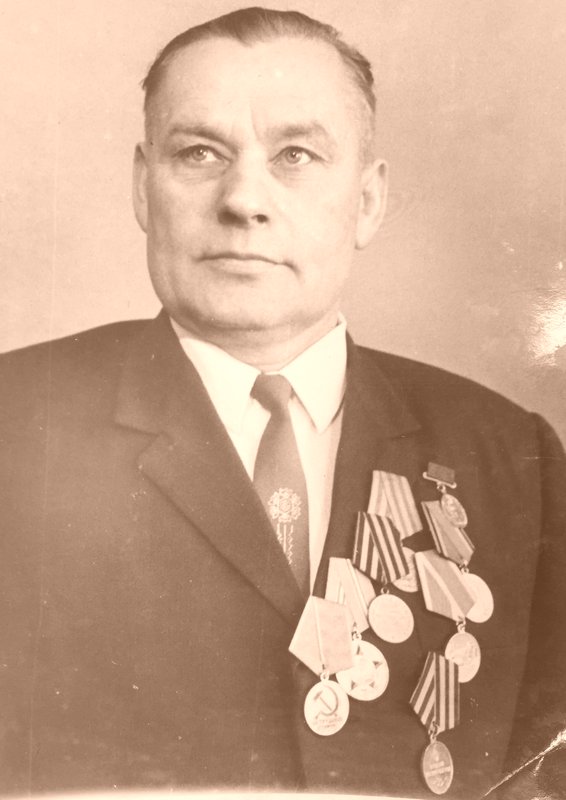
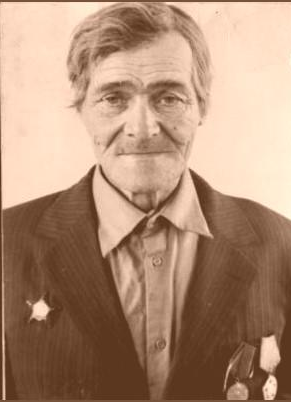
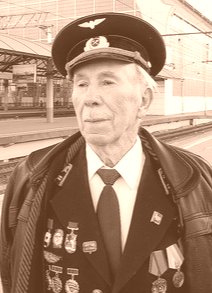
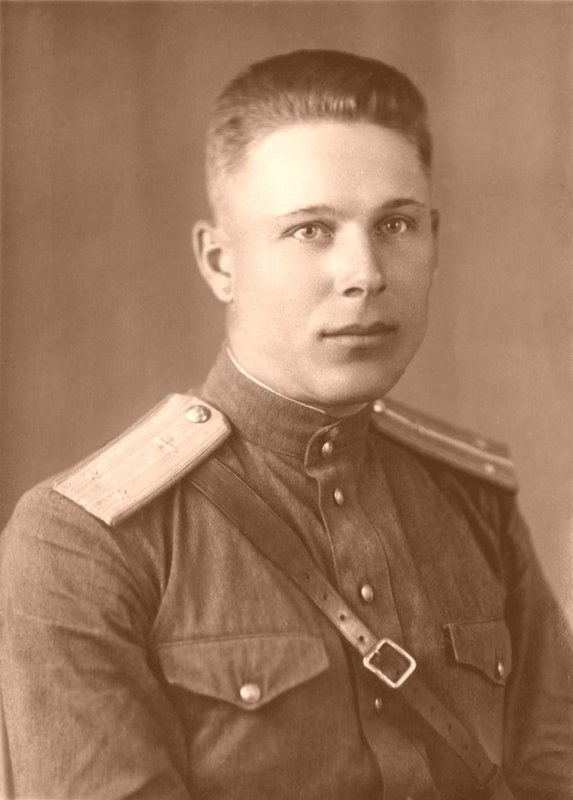
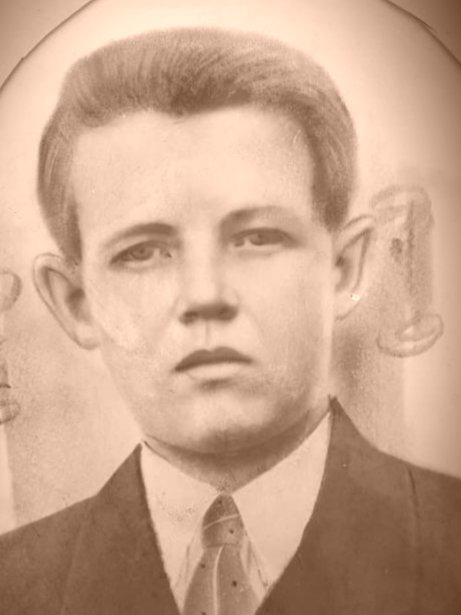
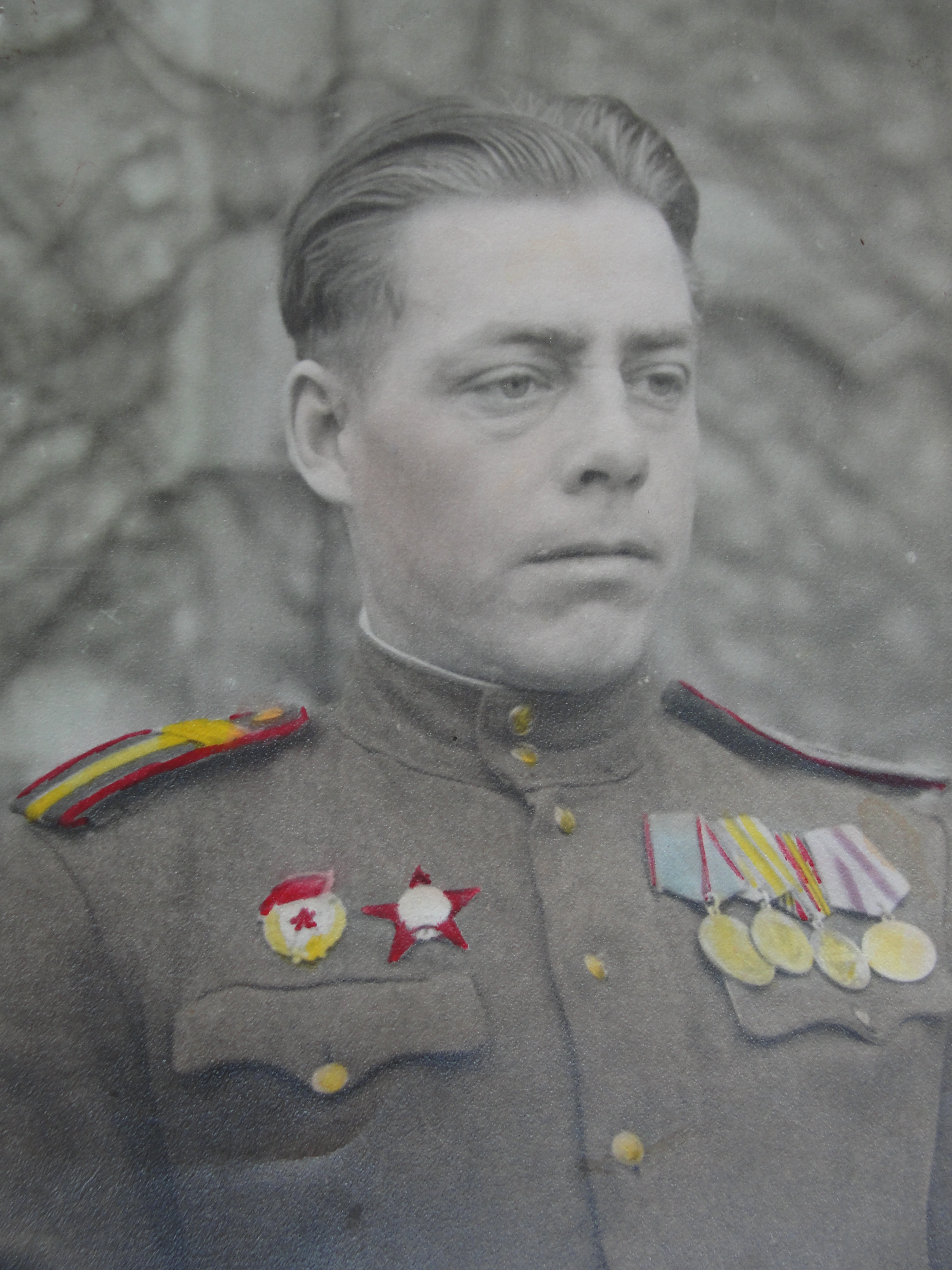
Ilyin Alexander Vasilievich
Alexander Vasilyevich Ilyin, just in the year of the Olympics in Moscow in 1980, became the head of the Moscow-passenger-Kievskaya station. He had not only to prepare his facility for receiving guests, but to reconstruct the Kievsky railway station - the main railway gate of the Olympic capital. But if everything was clear with the interiors and the painting of the halls, then the reconstruction of the huge arched landing stage became a real challenge for all participants. Only a few months remained before the start of the sports games, and from the passenger platform of the station overhead one could see the thin steel bindings of the arches, and then the clear sky. The landing stage did not have a roof. And any of the commissions that checked the progress of construction work could be the last in the career of the station chief. Alexander Vasilyevich experienced such a nagging anxiety at the sight of a clear sky only in his distant childhood. During the Great Patriotic War, Sasha Ilyin remembered every day of the month when his native Maloyaroslavets was occupied by the Germans. The occupants who settled in their house did not particularly annoy - they sat at the same table, and the Germans treated the boy to chocolates. But every minute he knew why they were here - there was a Wehrmacht anti-aircraft unit in the village. As soon as a small plane with red stars appeared over their houses - a snub-nosed I-16 fighter or a beautiful but clumsy LaGG-3 - the Germans opened fire and almost always got hit. With tears, residents watched the burning airplanes. When our attack aircraft or bombers arrived, my heart sank again. Now they will give heat - the Germans will get it, and theirs too. He also remembered the constant hunger. Therefore, the boy had no other dream than to enter the railway technical school after the 7th grade. They were fed there. Ilyin graduated from the Moscow technical school with a degree in railway operation, and in 1948 he went to the Kuzbass for distribution. He worked as a duty, shunting dispatcher at the station Usyaty (now Prokopyevsk). The miners' region sent coal in a stream to the blast furnaces of Magnitka, Nizhny Tagil. It was shipped up to 1000 wagons per day. And after graduating from the Novosibirsk Institute of Railway Transport, he, already an experienced mover, nevertheless asked for a transfer closer to his father's house and ended up first in his native Aprelevka, and then at the Vnukovo station. Here, in front of the watchman on duty in 1956-1957, a change of railway eras took place. The last steam locomotives in suburban traffic replaced the first trains on the Kiev direction. Then he worked at the station Moscow-sorting-Kievskaya and as deputy head of the road department. But a real, big deal awaited him when he returned to his native section of the railway. He, the head of the Moscow-passenger-Kievskaya station, had to implement all the plans for the reconstruction of the station for the Olympics. For two months we worked together, with passion. The construction headquarters was located in the office of the station chief, and operational information also flocked there. And suddenly in April there was silence - a day, two, a week ... there are no cars with shields from Ivano-Frankivsk. Editing stopped, the news of the state of emergency quickly reached Secretary General Leonid Brezhnev. It turned out that glass ran out in Dzerzhinsk due to the fault of big politics. The plant rolled plexiglass sheet from raw materials supplied by West Germany. It was it that fell under the economic sanctions against the USSR after the introduction of its troops into Afghanistan. While our specialists were looking for a recipe for their own coating, Ilyin, at his own peril and risk, decided to put on a batch of red shields obtained as prototypes. There were 400 of them in total. Alexander Vasilyevich was the first to sign the changes in the project. The red shields were enough to cover the center and two side lines. When a new coating appeared in time - cloudy, yellowish, with bubbles, they began to put it on. In May-June, the work was completed, but then an article suddenly appeared in Komsomolskaya Pravda, and then the city newspapers echoed: "Ruby Faces of the Landing Cage". After the unanimous assessment of the press that the concept with the lines of red glass was great, the initiators breathed a sigh of relief. Alexander Ilyin remembered the date of the beginning and closing of the 1980 Olympics for the rest of his life - these were the days of the highest tension. “Political and sports commentators have repeatedly repeated the number of participating countries and sports delegations who have arrived in Moscow,” he says. “But I remember the number 52 - so many delegations from different countries passed through the Kievsky railway station”. They arrived through the western borders of the USSR, most of the athletes from African countries came to our country through Odessa, and then by train to Moscow. “Our carriage sections worked around the clock,” says Alexander Vasilyevich. - The meeting of delegations was worked out to the smallest detail, and the preparation of rolling stock for these transportation was organized. None of the station's staff, which is 1200 people, did not need to be forced to work with full dedication. “The mood we lived in at that time,” says Alexander Vasilievich, “can be called calm confidence in the correctness of what we are doing.And the reviews about the work of the railway workers were only positive. " Among the memorial signs of that time for Alexander Vasilyevich, one of the main ones was “To the Honorary Railwayman”. When we talk about Olympic athletes, we do not hesitate to say the words "sports feat". Those who prepared the Olympics were also ready for a feat, albeit not so noticeable.
Ilyin Alexander Vasilievich
Alexander Vasilyevich Ilyin, just in the year of the Olympics in Moscow in 1980, became the head of the Moscow-passenger-Kievskaya station. He had not only to prepare his facility for receiving guests, but to reconstruct the Kievsky railway station - the main railway gate of the Olympic capital. But if everything was clear with the interiors and the painting of the halls, then the reconstruction of the huge arched landing stage became a real challenge for all participants. Only a few months remained before the start of the sports games, and from the passenger platform of the station overhead one could see the thin steel bindings of the arches, and then the clear sky. The landing stage did not have a roof. And any of the commissions that checked the progress of construction work could be the last in the career of the station chief. Alexander Vasilyevich experienced such a nagging anxiety at the sight of a clear sky only in his distant childhood. During the Great Patriotic War, Sasha Ilyin remembered every day of the month when his native Maloyaroslavets was occupied by the Germans. The occupants who settled in their house did not particularly annoy - they sat at the same table, and the Germans treated the boy to chocolates. But every minute he knew why they were here - there was a Wehrmacht anti-aircraft unit in the village. As soon as a small plane with red stars appeared over their houses - a snub-nosed I-16 fighter or a beautiful but clumsy LaGG-3 - the Germans opened fire and almost always got hit. With tears, residents watched the burning airplanes. When our attack aircraft or bombers arrived, my heart sank again. Now they will give heat - the Germans will get it, and theirs too. He also remembered the constant hunger. Therefore, the boy had no other dream than to enter the railway technical school after the 7th grade. They were fed there. Ilyin graduated from the Moscow technical school with a degree in railway operation, and in 1948 he went to the Kuzbass for distribution. He worked as a duty, shunting dispatcher at the station Usyaty (now Prokopyevsk). The miners' region sent coal in a stream to the blast furnaces of Magnitka, Nizhny Tagil. It was shipped up to 1000 wagons per day. And after graduating from the Novosibirsk Institute of Railway Transport, he, already an experienced mover, nevertheless asked for a transfer closer to his father's house and ended up first in his native Aprelevka, and then at the Vnukovo station. Here, in front of the watchman on duty in 1956-1957, a change of railway eras took place. The last steam locomotives in suburban traffic replaced the first trains on the Kiev direction. Then he worked at the station Moscow-sorting-Kievskaya and as deputy head of the road department. But a real, big deal awaited him when he returned to his native section of the railway. He, the head of the Moscow-passenger-Kievskaya station, had to implement all the plans for the reconstruction of the station for the Olympics. For two months we worked together, with passion. The construction headquarters was located in the office of the station chief, and operational information also flocked there. And suddenly in April there was silence - a day, two, a week ... there are no cars with shields from Ivano-Frankivsk. Editing stopped, the news of the state of emergency quickly reached Secretary General Leonid Brezhnev. It turned out that glass ran out in Dzerzhinsk due to the fault of big politics. The plant rolled plexiglass sheet from raw materials supplied by West Germany. It was it that fell under the economic sanctions against the USSR after the introduction of its troops into Afghanistan. While our specialists were looking for a recipe for their own coating, Ilyin, at his own peril and risk, decided to put on a batch of red shields obtained as prototypes. There were 400 of them in total. Alexander Vasilyevich was the first to sign the changes in the project. The red shields were enough to cover the center and two side lines. When a new coating appeared in time - cloudy, yellowish, with bubbles, they began to put it on. In May-June, the work was completed, but then an article suddenly appeared in Komsomolskaya Pravda, and then the city newspapers echoed: "Ruby Faces of the Landing Cage". After the unanimous assessment of the press that the concept with the lines of red glass was great, the initiators breathed a sigh of relief. Alexander Ilyin remembered the date of the beginning and closing of the 1980 Olympics for the rest of his life - these were the days of the highest tension. “Political and sports commentators have repeatedly repeated the number of participating countries and sports delegations who have arrived in Moscow,” he says. “But I remember the number 52 - so many delegations from different countries passed through the Kievsky railway station”. They arrived through the western borders of the USSR, most of the athletes from African countries came to our country through Odessa, and then by train to Moscow. “Our carriage sections worked around the clock,” says Alexander Vasilyevich. - The meeting of delegations was worked out to the smallest detail, and the preparation of rolling stock for these transportation was organized. None of the station's staff, which is 1200 people, did not need to be forced to work with full dedication. “The mood we lived in at that time,” says Alexander Vasilievich, “can be called calm confidence in the correctness of what we are doing.And the reviews about the work of the railway workers were only positive. " Among the memorial signs of that time for Alexander Vasilyevich, one of the main ones was “To the Honorary Railwayman”. When we talk about Olympic athletes, we do not hesitate to say the words "sports feat". Those who prepared the Olympics were also ready for a feat, albeit not so noticeable.
0 comment




2026 © Russian Military Historical Society Developed by Jetmix