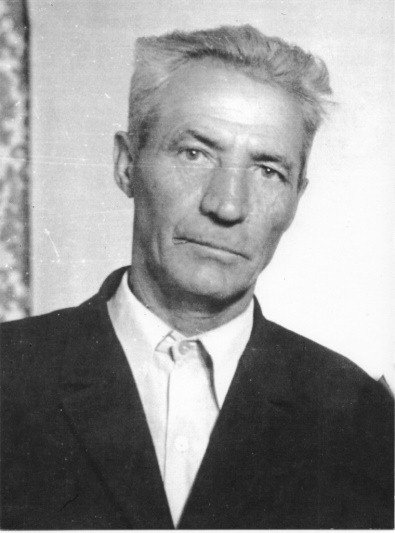
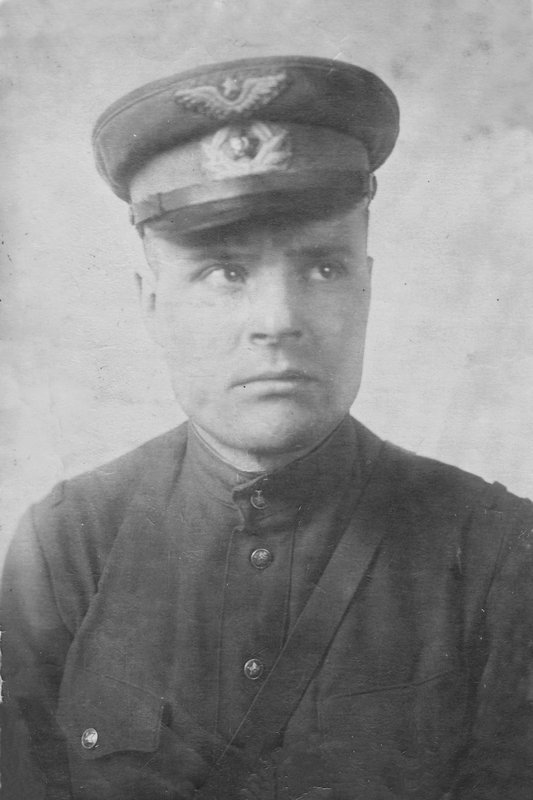
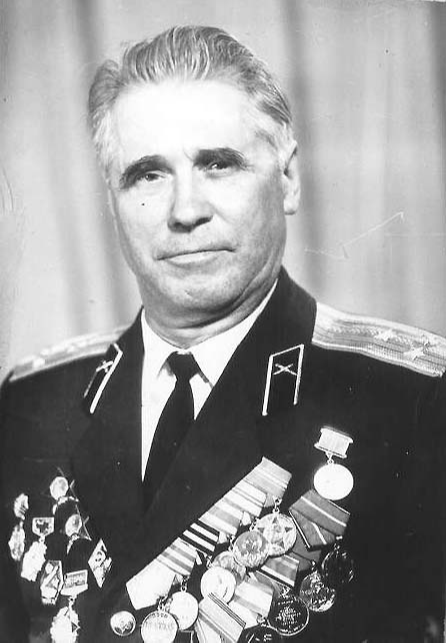
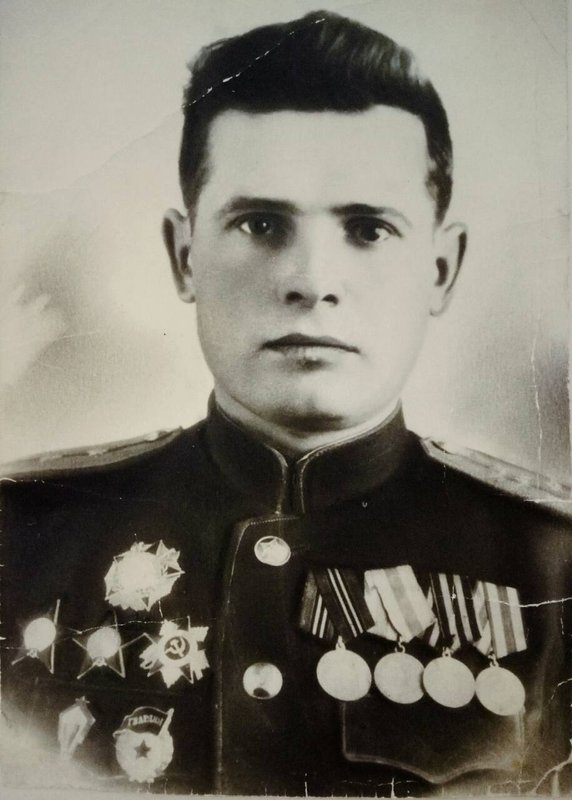
Kolchin Ivan Ivanovich
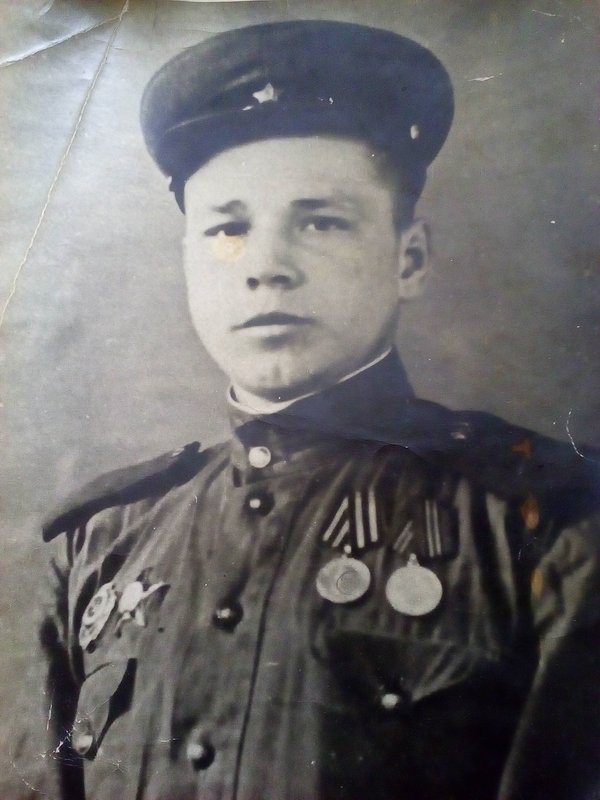
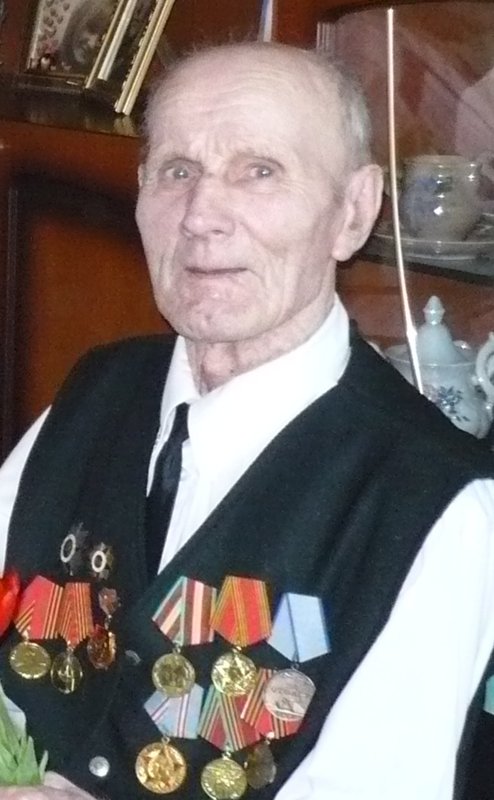
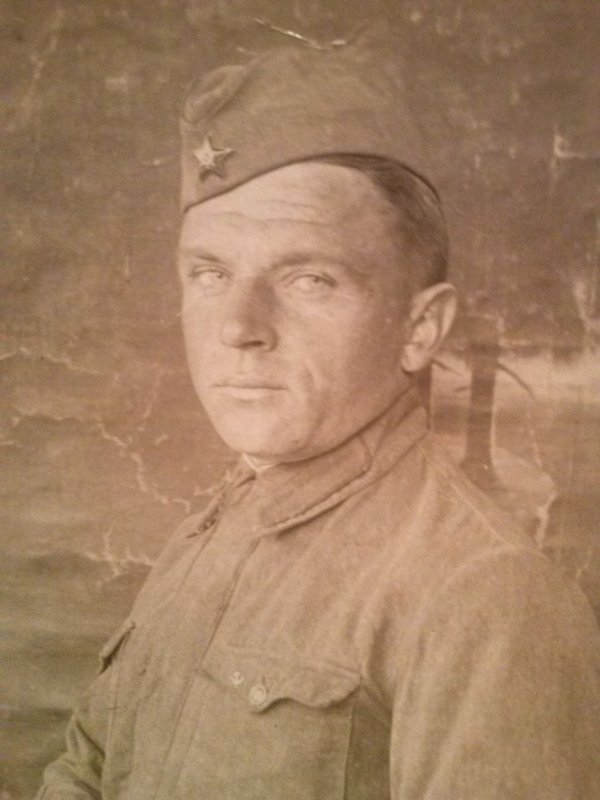
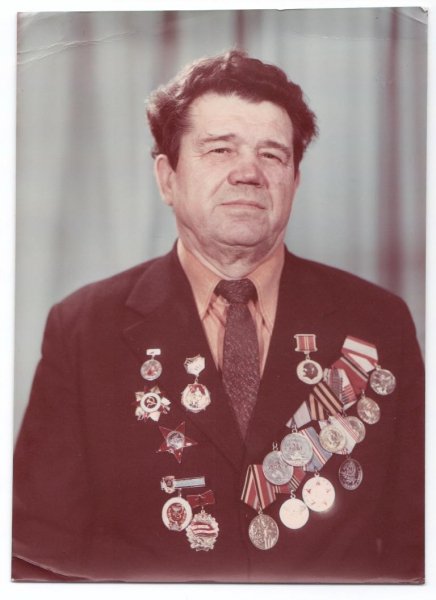
Remembering on this day the soldiers of Victory - those who died in terrible battles, and those who survived - it is impossible to bypass the military assistant. With a sanitary bag on their side, with weapons in their hands, they went on the attack together with their battalions. This story is about my grandfather - Kolchin Ivan Ivanovich. Kolchin Ivan Ivanovich was born on September 10, 1924 in Mordovia, and soon the family moved to the Urals in the village of Smelovsk, Verkhneuralsky district. He spent his childhood there, where he finished 7 classes of school. In 1940 he entered the medical assistant-obstetric school in Magnitogorsk (now the PF Nadezhdin Medical College). When the war broke out, they decided to give the students a crash course in helping the wounded and quickly send them to the front lines. Of the seventeen boys who finished their studies ahead of schedule in 1942 and were sent to the front, only three celebrated victory in 1945. The first practice of seventeen-year-old graduates was Magnitogorsk hospitals, where soldiers lay, whose tunics, stored in the locker, were firmly saturated with the smell of gunpowder and the earth of front-line trenches, everything else will come later. Then he was sent to the front line to the Leningrad Front, his grandfather was enrolled in the 124th Red Banner Order of Suvorov division, in the 225 sapper battalion. Many years later, my grandfather recalled: “How can I describe the sensations of the first fight with familiar words and concepts, when it seems that all the bullets from the outfits are flying at you, only at you? ... Then, as if some force throws up, and you run next to eighteen years old and you don't hear your scream in this roar of tearing metal. "Hooray! For the Motherland! For Stalin!" and you hit the trench with a lead burst, where the enemy was hiding. " And went the endless faces of the wounded, bandaging and operations in the field. Fierce battles, attacks and retreats, bandages in forty-degree frost under the whistle of bullets overhead, bloody bandages freezing to the fingers, more than once had to face death, cross the front line as part of a reconnaissance group. Deductions from grain front rations for children of besieged Leningrad by decision of the battalion's Komsomol meeting. As part of the Volkhov and Leningrad fronts, the division served on the shores of Lake Ladoga, including in the area of the Sinyavinsky Heights, and participated in their liberation. A little help. The battles for the Sinyavinsky heights became one of the most tragic pages of the battle for Leningrad. After the German troops reached Ladoga in September 1941, the heights were in the hands of the enemy, who created a system of defensive structures on these heights. From here the Germans adjusted artillery fire along the Ladoga Road of Life. Attempts to break through the blockade of Leningrad during the Sinyavinsky offensive operations of 1941-1942. were not successful (among others, the 561st battalion of penal units of the Wehrmacht fought there, which offered fierce resistance). Even after the blockade was broken in January 1943, the Sinyavinsky heights remained with the Germans, which allowed them to fire on the Polyany-Shlisselburg railway line, which connected Leningrad with the rest of the country in February 1943. Active hostilities in the Mginsko-Sinyavinsky direction resumed in the summer of 1943. In September 1943, Soviet troops managed to seize a powerful stronghold of the enemy's defense - Sinyavino station and improve the position of both Leningrad itself and the Soviet troops in the northwestern strategic direction. In January 1944, the Sinyavinsky heights were completely liberated from the German fascist troops. Every spring and summer, search detachments work here - no one knows the exact number of soldiers who died here, on the Sinyavinskiye heights, and have not yet been found; the bulk of the losses - the personnel of military units and subdivisions of the Volkhov and Leningrad fronts. In the battles near Konigsberg as part of the Baltic Front, Ivan Ivanovich Kolchin was seriously wounded by a mine fragment and lost a leg, returned from the hospital with a prosthesis. - On Victory Day, how happy we were that the war was over, that our comrades would no longer die…. Yes, unless you tell about it! - We swore at the front that we would come to each other after the war, if we survived. But alas - the war made me an invalid - long distances are beyond the power. But I remember the oath: every year on May 9 I come to the mass graves. I know that my fellow soldiers are not lying here. But now I think: does it really matter on what fronts you fought? All of us - alive and fallen - did one thing - brought this Victory Day closer. Three of the Kolchins left for the war: their father (a participant in the civil war) and brothers. All returned wounded. - We were lucky: we survived. And most importantly, they did not lose heart. The elder brother, a participant in the Battle of the Kursk Bulge, was bedridden for a year, the doctors said that the spinal cord was injured and would not walk, but over time he got to his feet. For many years he later worked as the chairman of a collective farm. Fellow villagers often asked their mother how it happened that everyone in her family returned from the front, and she replied that every day she prayed very hard for her sons and her husband.After the end of the war, my grandfather immediately decided to go to medical school. The first time he went to take exams in Chelyabinsk was in 1945, but battle wounds opened and he had to return home. The second attempt was a year later, the exams were passed, but because of poor health, without waiting for admission, he left back. The notice that he was accepted as a student of the Chelyabinsk Medical Institute came by mail to his home address. During the day I was studying, and at night I was on duty in the hospital for six years. After graduation, he returned to Magnitogorsk and came to work at the polyclinic of the Magnitostroy trust. First as a workshop therapist at the DOK, then a rheumatologist. From 1971 to 1986 he headed the district service of the polyclinic, since 1986 he was a district doctor, had the first qualification category of a general practitioner. He constantly shared his experience and knowledge with young specialists, gave lectures at the Magnitogorsk Medical School. He created a wonderful family, raised two children and four grandchildren. He always led an active life - he walked to work in any weather, drove a car, loved to go out into the countryside, pick mushrooms and work in the garden. He heard many words of gratitude from his patients and colleagues for their sensitivity and attentive attitude, someone expressed it orally, several grateful articles were published in the newspapers Magnitogorsk Rabochy and Magnitostroy. Awarded for his work with numerous certificates, government awards as a participant in the Great Patriotic War - two medals "For Courage" (from the moment of its appearance it was the highest medal of the USSR and remained it until the collapse of the Soviet Union. Unlike many other medals and even orders, awarded often "for participation", the medal "For Courage" was awarded exclusively for the courage shown on the battlefield), the medal "For the Defense of Leningrad", the Order of the Red Star, the Order of the Patriotic War of the 1st degree. He was awarded the title of veteran of the Magnitostroy trust, veteran of health care, veteran of labor, veteran of Magnitka and veteran of the Great Patriotic War. Kolchin Ivan Ivanovich died after a long illness in October 1997. Time flies, but the consequences of the war will never be erased from the memory of the people who have suffered incalculable losses in this difficult battle with the enemy. Our family would like to express gratitude to the administration of the Magnitogorsk Medical College named after P.F. Nadezhdin for organizing a commemorative plaque with photographs and short stories about graduates who participated in the Great Patriotic War, including my grandfather.
Kolchin Ivan Ivanovich
Remembering on this day the soldiers of Victory - those who died in terrible battles, and those who survived - it is impossible to bypass the military assistant. With a sanitary bag on their side, with weapons in their hands, they went on the attack together with their battalions. This story is about my grandfather - Kolchin Ivan Ivanovich. Kolchin Ivan Ivanovich was born on September 10, 1924 in Mordovia, and soon the family moved to the Urals in the village of Smelovsk, Verkhneuralsky district. He spent his childhood there, where he finished 7 classes of school. In 1940 he entered the medical assistant-obstetric school in Magnitogorsk (now the PF Nadezhdin Medical College). When the war broke out, they decided to give the students a crash course in helping the wounded and quickly send them to the front lines. Of the seventeen boys who finished their studies ahead of schedule in 1942 and were sent to the front, only three celebrated victory in 1945. The first practice of seventeen-year-old graduates was Magnitogorsk hospitals, where soldiers lay, whose tunics, stored in the locker, were firmly saturated with the smell of gunpowder and the earth of front-line trenches, everything else will come later. Then he was sent to the front line to the Leningrad Front, his grandfather was enrolled in the 124th Red Banner Order of Suvorov division, in the 225 sapper battalion. Many years later, my grandfather recalled: “How can I describe the sensations of the first fight with familiar words and concepts, when it seems that all the bullets from the outfits are flying at you, only at you? ... Then, as if some force throws up, and you run next to eighteen years old and you don't hear your scream in this roar of tearing metal. "Hooray! For the Motherland! For Stalin!" and you hit the trench with a lead burst, where the enemy was hiding. " And went the endless faces of the wounded, bandaging and operations in the field. Fierce battles, attacks and retreats, bandages in forty-degree frost under the whistle of bullets overhead, bloody bandages freezing to the fingers, more than once had to face death, cross the front line as part of a reconnaissance group. Deductions from grain front rations for children of besieged Leningrad by decision of the battalion's Komsomol meeting. As part of the Volkhov and Leningrad fronts, the division served on the shores of Lake Ladoga, including in the area of the Sinyavinsky Heights, and participated in their liberation. A little help. The battles for the Sinyavinsky heights became one of the most tragic pages of the battle for Leningrad. After the German troops reached Ladoga in September 1941, the heights were in the hands of the enemy, who created a system of defensive structures on these heights. From here the Germans adjusted artillery fire along the Ladoga Road of Life. Attempts to break through the blockade of Leningrad during the Sinyavinsky offensive operations of 1941-1942. were not successful (among others, the 561st battalion of penal units of the Wehrmacht fought there, which offered fierce resistance). Even after the blockade was broken in January 1943, the Sinyavinsky heights remained with the Germans, which allowed them to fire on the Polyany-Shlisselburg railway line, which connected Leningrad with the rest of the country in February 1943. Active hostilities in the Mginsko-Sinyavinsky direction resumed in the summer of 1943. In September 1943, Soviet troops managed to seize a powerful stronghold of the enemy's defense - Sinyavino station and improve the position of both Leningrad itself and the Soviet troops in the northwestern strategic direction. In January 1944, the Sinyavinsky heights were completely liberated from the German fascist troops. Every spring and summer, search detachments work here - no one knows the exact number of soldiers who died here, on the Sinyavinskiye heights, and have not yet been found; the bulk of the losses - the personnel of military units and subdivisions of the Volkhov and Leningrad fronts. In the battles near Konigsberg as part of the Baltic Front, Ivan Ivanovich Kolchin was seriously wounded by a mine fragment and lost a leg, returned from the hospital with a prosthesis. - On Victory Day, how happy we were that the war was over, that our comrades would no longer die…. Yes, unless you tell about it! - We swore at the front that we would come to each other after the war, if we survived. But alas - the war made me an invalid - long distances are beyond the power. But I remember the oath: every year on May 9 I come to the mass graves. I know that my fellow soldiers are not lying here. But now I think: does it really matter on what fronts you fought? All of us - alive and fallen - did one thing - brought this Victory Day closer. Three of the Kolchins left for the war: their father (a participant in the civil war) and brothers. All returned wounded. - We were lucky: we survived. And most importantly, they did not lose heart. The elder brother, a participant in the Battle of the Kursk Bulge, was bedridden for a year, the doctors said that the spinal cord was injured and would not walk, but over time he got to his feet. For many years he later worked as the chairman of a collective farm. Fellow villagers often asked their mother how it happened that everyone in her family returned from the front, and she replied that every day she prayed very hard for her sons and her husband.After the end of the war, my grandfather immediately decided to go to medical school. The first time he went to take exams in Chelyabinsk was in 1945, but battle wounds opened and he had to return home. The second attempt was a year later, the exams were passed, but because of poor health, without waiting for admission, he left back. The notice that he was accepted as a student of the Chelyabinsk Medical Institute came by mail to his home address. During the day I was studying, and at night I was on duty in the hospital for six years. After graduation, he returned to Magnitogorsk and came to work at the polyclinic of the Magnitostroy trust. First as a workshop therapist at the DOK, then a rheumatologist. From 1971 to 1986 he headed the district service of the polyclinic, since 1986 he was a district doctor, had the first qualification category of a general practitioner. He constantly shared his experience and knowledge with young specialists, gave lectures at the Magnitogorsk Medical School. He created a wonderful family, raised two children and four grandchildren. He always led an active life - he walked to work in any weather, drove a car, loved to go out into the countryside, pick mushrooms and work in the garden. He heard many words of gratitude from his patients and colleagues for their sensitivity and attentive attitude, someone expressed it orally, several grateful articles were published in the newspapers Magnitogorsk Rabochy and Magnitostroy. Awarded for his work with numerous certificates, government awards as a participant in the Great Patriotic War - two medals "For Courage" (from the moment of its appearance it was the highest medal of the USSR and remained it until the collapse of the Soviet Union. Unlike many other medals and even orders, awarded often "for participation", the medal "For Courage" was awarded exclusively for the courage shown on the battlefield), the medal "For the Defense of Leningrad", the Order of the Red Star, the Order of the Patriotic War of the 1st degree. He was awarded the title of veteran of the Magnitostroy trust, veteran of health care, veteran of labor, veteran of Magnitka and veteran of the Great Patriotic War. Kolchin Ivan Ivanovich died after a long illness in October 1997. Time flies, but the consequences of the war will never be erased from the memory of the people who have suffered incalculable losses in this difficult battle with the enemy. Our family would like to express gratitude to the administration of the Magnitogorsk Medical College named after P.F. Nadezhdin for organizing a commemorative plaque with photographs and short stories about graduates who participated in the Great Patriotic War, including my grandfather.
0 comment



2026 © Russian Military Historical Society Developed by Jetmix