
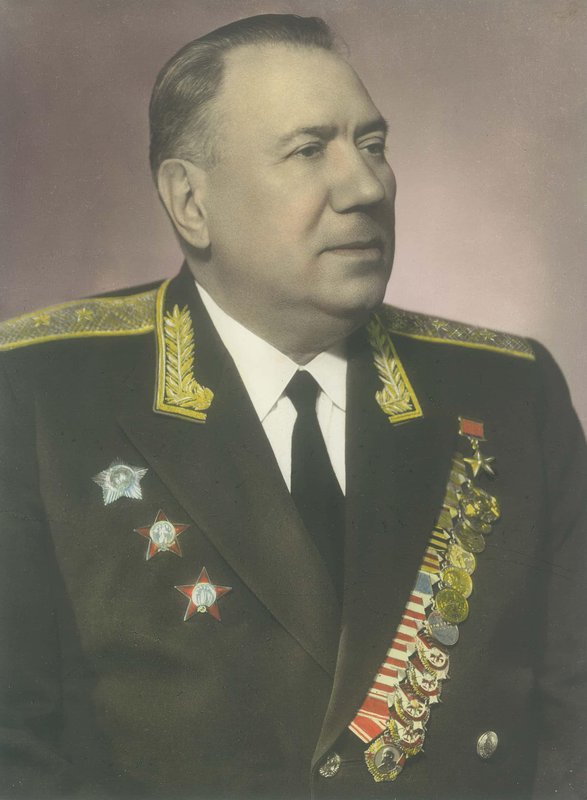
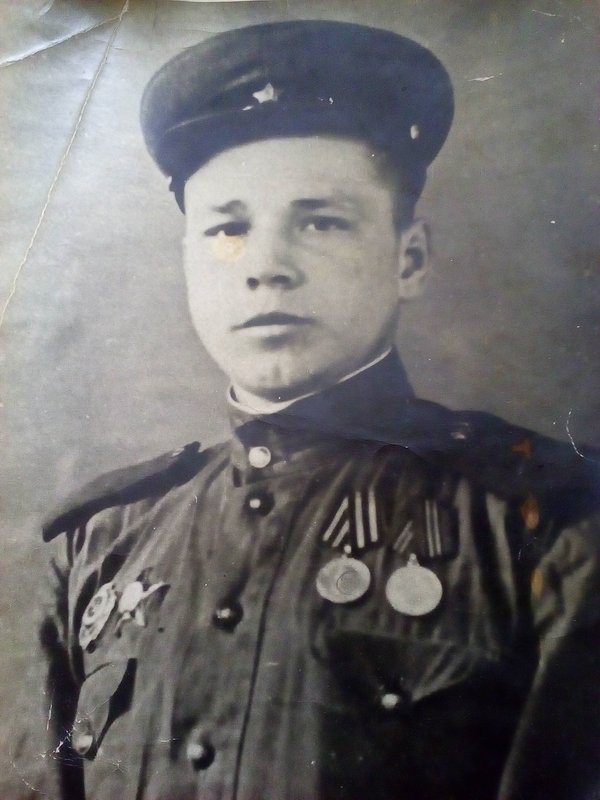
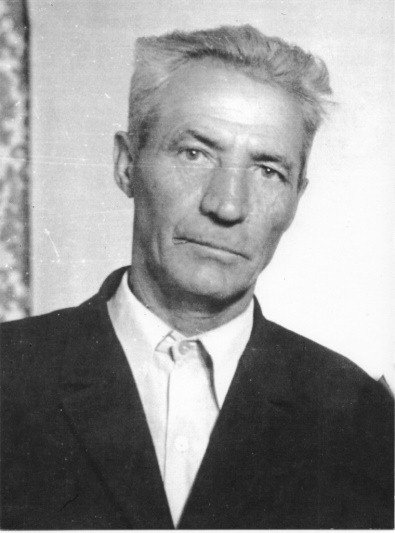
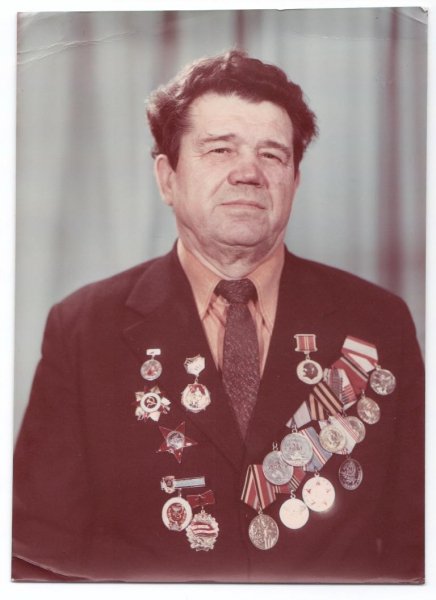
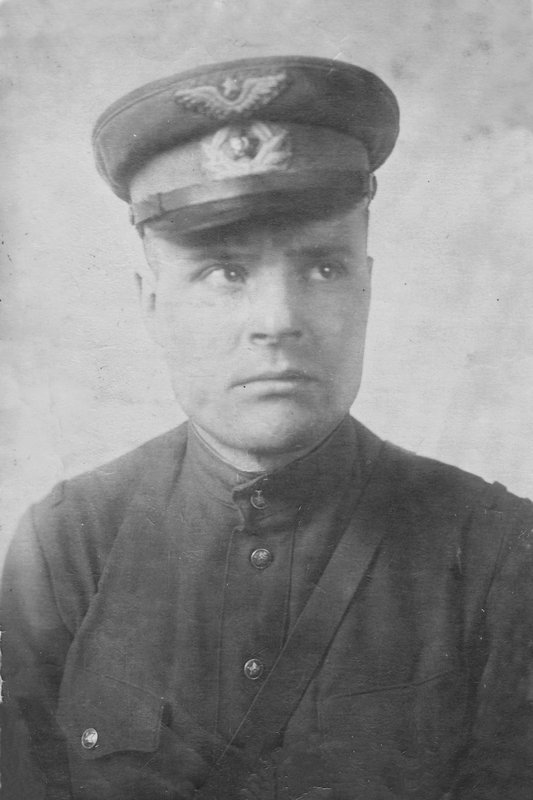
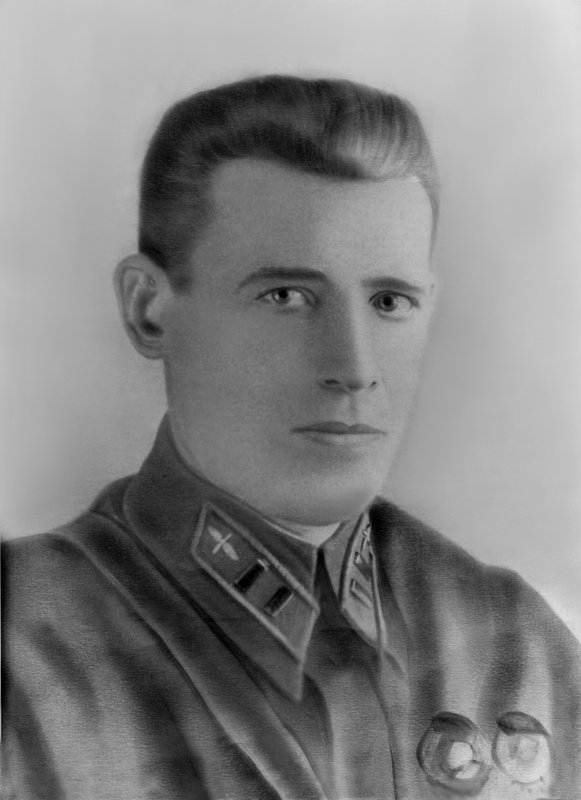
Kapustin Joseph Egorovich
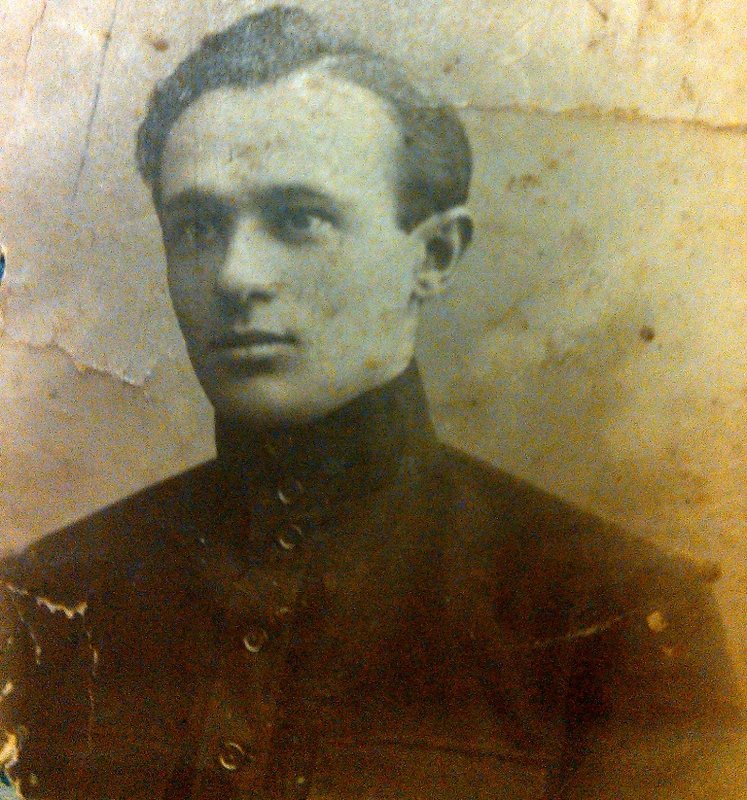
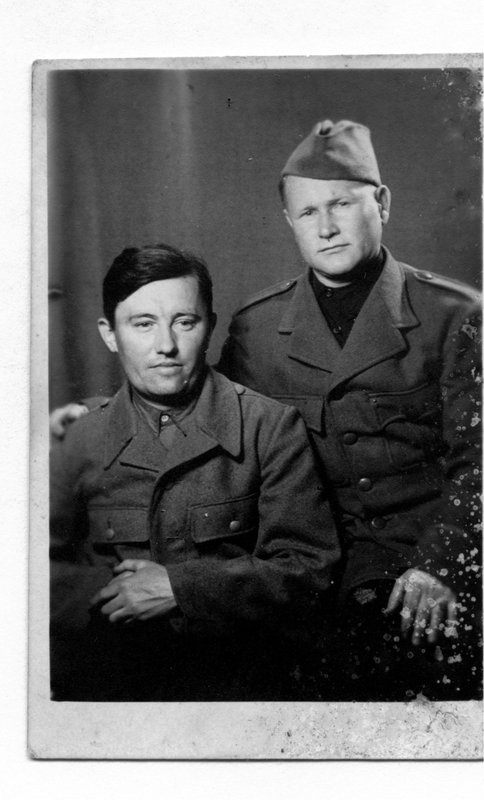
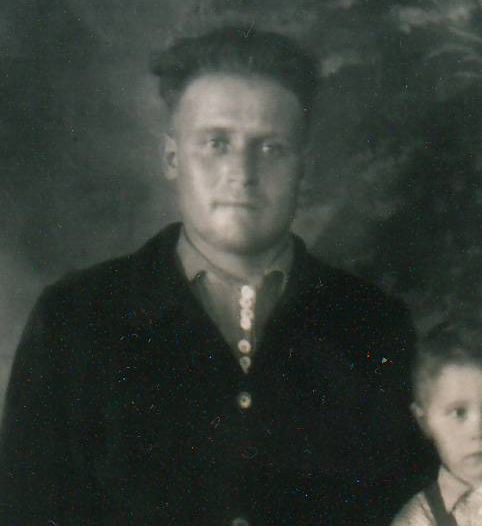
Rank: Major Type of troops: Aviation Kapustin Joseph Yegorovich was born in 1908 in the city of Kalach (Voronezh region). Since 1931 in the ranks of the Red Army. In the rank of lieutenant, Joseph Kapustin served as a junior pilot in the 109th Fighter Aviation Squadron of the 36th Fighter Aviation Brigade of the Kiev Military District. From August 20, 1937 to April 25, 1938 he participated in the national revolutionary war in Spain. He was awarded the Orders of Lenin (11/14/1938) and the Red Banner (03/02/1938). In 1938 he was promoted to captain and continued to serve in his military district. In 1940, Kapustin I.E. was appointed squadron commander of the 69th Fighter Aviation Regiment and began serving in the Odessa military district. Joseph Egorovich is a participant of the Great Patriotic War from the first day. At the head of his squadron on I-16 fighters, he fought near Odessa, where he shot down 2 aircraft. On July 5, 1941, shot down a He-111 bomber in an air battle. Everyone in the regiment rejoiced at this victory: after all, the 4th "invulnerable" aircraft, praised by the Germans, was shot down. Here is an excerpt from the book by A.T .Cherevatenko - "The sky of Odessa, 1941": "The lesson for the whole regiment was the battle, conducted soon by the commander of the 3rd squadron, Captain I. E..Kapustin. Patrolling north - west of Odessa, Kapustin's group met 9 "Heinkel-111" and immediately rushed into the attack. They could not withstand the impetuous pressure, changed course and began to flee, continuing to fire at the "hawks." Our guys, taking advantage of the height advantage, attacked the enemy. One plane was knocked out, and he collapsed in the field. German long-range twin-engine bomber (reconnaissance) Heinkel He-111. The regiment was all in high spirits. Still, the first swallow, it should bring us spring. The Nazis considered the He-111 invulnerable and therefore, probably, went without To cover fighters. Needless to say, the car is strong, well-armed, develops a speed of over 400 km / h! And yet, "donkeys" - as the group of Captain I. E. Kapustin proved - can shoot down such an aircraft. "In July 1941, Kapustin I .E. Was wounded in aerial combat. In 1942, after being cured in the hospital, he received the rank of major, and was appointed commander of the 788th IAP, flew on the Yak-1. Since August 1943, the regiment took an active part in the Battle of Stalingrad. In total, in the battles of the Great Patriotic War, Kapustin I.E. shot down 3 planes (2 personally and 1 as part of a group). On August 23, 1942, Joseph Egorovich Kapustin was killed in the Varvarovka area near Stalingrad. On that day, four Yak-1 fighters led by Kapustin flew to the Samofalovka-Kalach area for reconnaissance. Already returning to the airfield, Soviet pilots discovered a group of 20 Ju-87 dive bombers under the cover of 6 Me-109 fighters. Without hesitation, they rushed into battle. As a result, 2 bombers were shot down at once. However, the Messers soon piled on and, due to the small remaining fuel, ours began to withdraw from the battle. True, it was not without losses: Major I.E. Kapustin shot down one enemy fighter in a frontal attack, but he himself was mortally wounded by a bullet in the stomach. He landed on the fuselage and died. He was buried in a mass grave in the village of Maisky, Gornopolyansky village council, Volgograd region.
Kapustin Joseph Egorovich
Rank: Major Type of troops: Aviation Kapustin Joseph Yegorovich was born in 1908 in the city of Kalach (Voronezh region). Since 1931 in the ranks of the Red Army. In the rank of lieutenant, Joseph Kapustin served as a junior pilot in the 109th Fighter Aviation Squadron of the 36th Fighter Aviation Brigade of the Kiev Military District. From August 20, 1937 to April 25, 1938 he participated in the national revolutionary war in Spain. He was awarded the Orders of Lenin (11/14/1938) and the Red Banner (03/02/1938). In 1938 he was promoted to captain and continued to serve in his military district. In 1940, Kapustin I.E. was appointed squadron commander of the 69th Fighter Aviation Regiment and began serving in the Odessa military district. Joseph Egorovich is a participant of the Great Patriotic War from the first day. At the head of his squadron on I-16 fighters, he fought near Odessa, where he shot down 2 aircraft. On July 5, 1941, shot down a He-111 bomber in an air battle. Everyone in the regiment rejoiced at this victory: after all, the 4th "invulnerable" aircraft, praised by the Germans, was shot down. Here is an excerpt from the book by A.T .Cherevatenko - "The sky of Odessa, 1941": "The lesson for the whole regiment was the battle, conducted soon by the commander of the 3rd squadron, Captain I. E..Kapustin. Patrolling north - west of Odessa, Kapustin's group met 9 "Heinkel-111" and immediately rushed into the attack. They could not withstand the impetuous pressure, changed course and began to flee, continuing to fire at the "hawks." Our guys, taking advantage of the height advantage, attacked the enemy. One plane was knocked out, and he collapsed in the field. German long-range twin-engine bomber (reconnaissance) Heinkel He-111. The regiment was all in high spirits. Still, the first swallow, it should bring us spring. The Nazis considered the He-111 invulnerable and therefore, probably, went without To cover fighters. Needless to say, the car is strong, well-armed, develops a speed of over 400 km / h! And yet, "donkeys" - as the group of Captain I. E. Kapustin proved - can shoot down such an aircraft. "In July 1941, Kapustin I .E. Was wounded in aerial combat. In 1942, after being cured in the hospital, he received the rank of major, and was appointed commander of the 788th IAP, flew on the Yak-1. Since August 1943, the regiment took an active part in the Battle of Stalingrad. In total, in the battles of the Great Patriotic War, Kapustin I.E. shot down 3 planes (2 personally and 1 as part of a group). On August 23, 1942, Joseph Egorovich Kapustin was killed in the Varvarovka area near Stalingrad. On that day, four Yak-1 fighters led by Kapustin flew to the Samofalovka-Kalach area for reconnaissance. Already returning to the airfield, Soviet pilots discovered a group of 20 Ju-87 dive bombers under the cover of 6 Me-109 fighters. Without hesitation, they rushed into battle. As a result, 2 bombers were shot down at once. However, the Messers soon piled on and, due to the small remaining fuel, ours began to withdraw from the battle. True, it was not without losses: Major I.E. Kapustin shot down one enemy fighter in a frontal attack, but he himself was mortally wounded by a bullet in the stomach. He landed on the fuselage and died. He was buried in a mass grave in the village of Maisky, Gornopolyansky village council, Volgograd region.
0 comment



2026 © Russian Military Historical Society Developed by Jetmix