

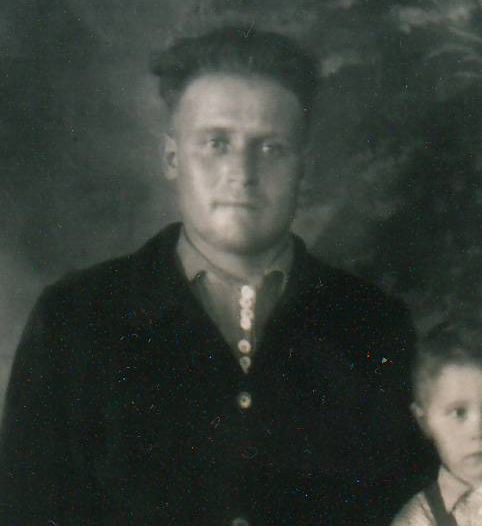
Aniskov Alexander Karpovich
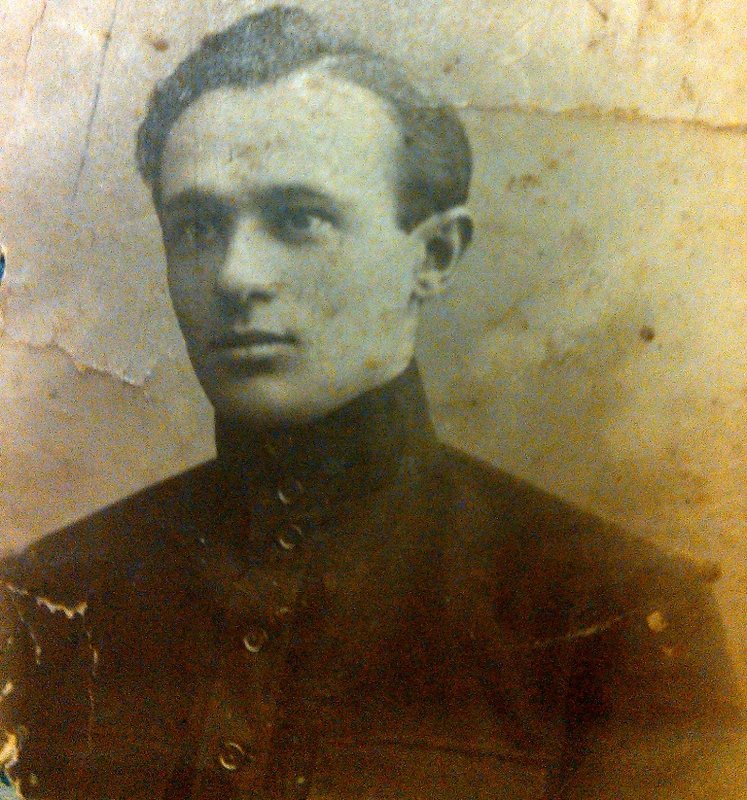
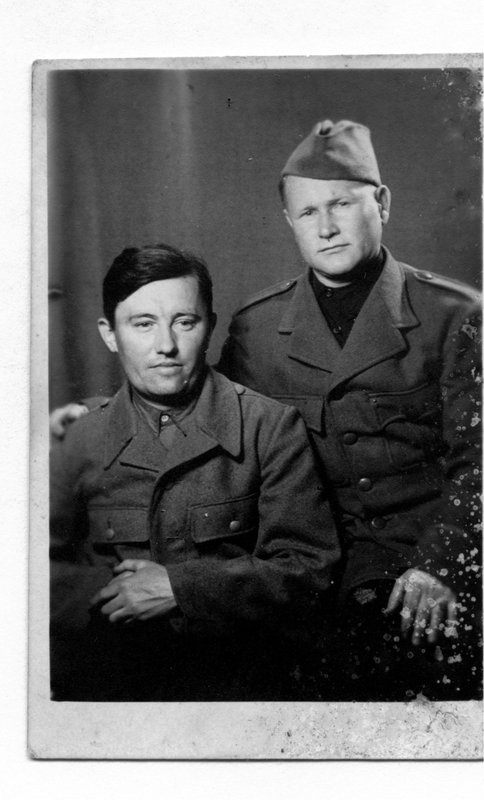
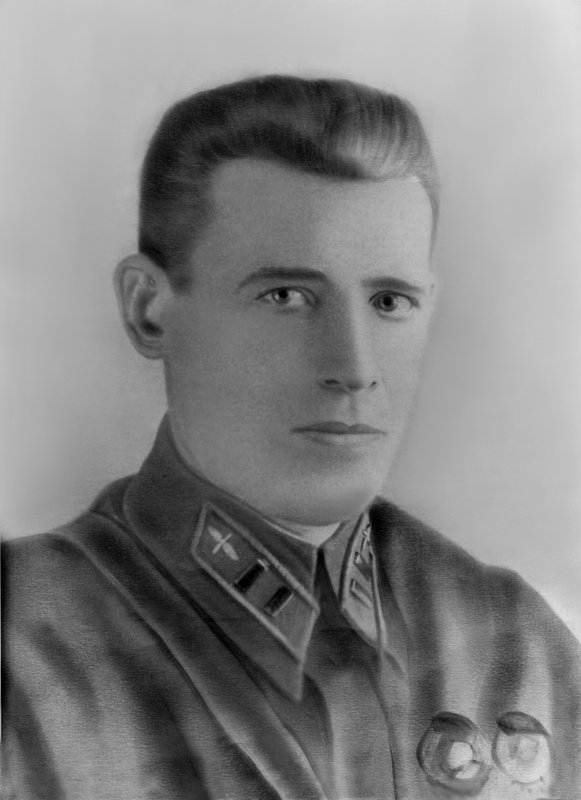
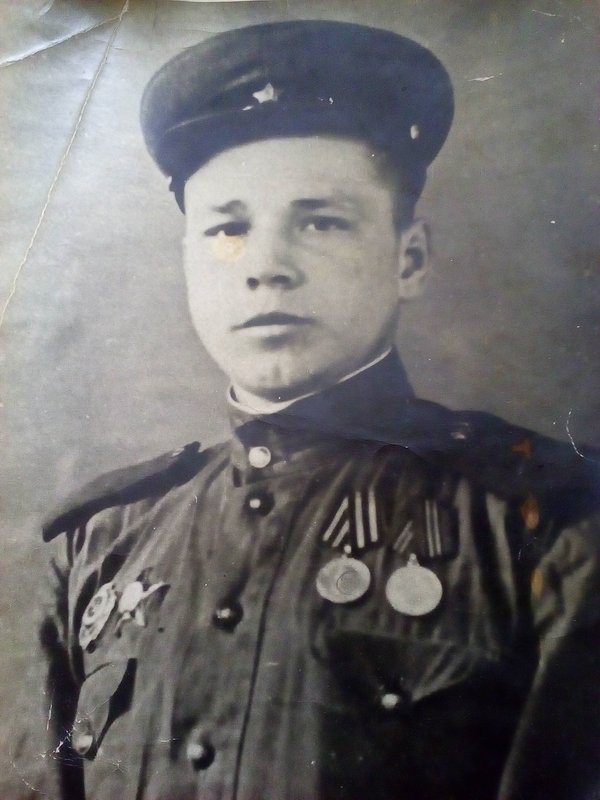
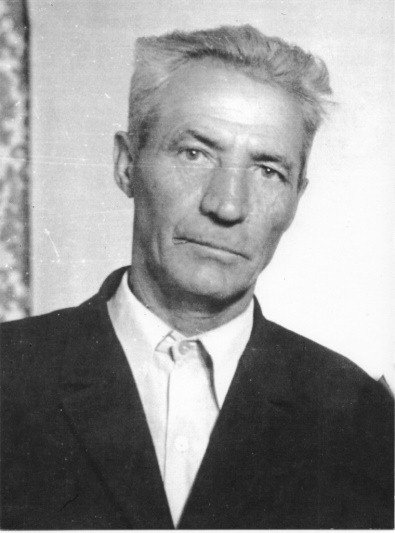
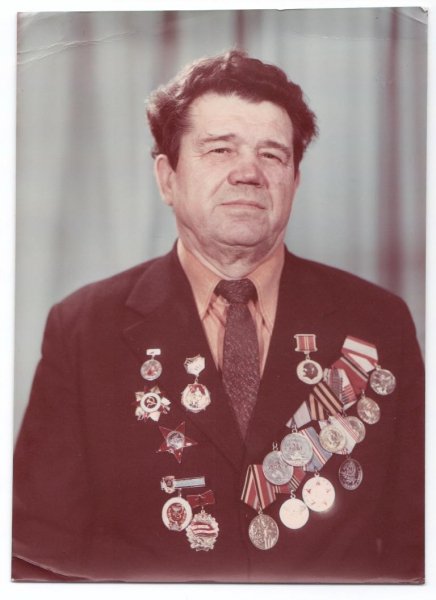
CITY: Kemerovo Region, Belovsky District, Podkopenka village DATE OF BIRTH: 04/10/1925 DATE OF DEATH: 10/31/1991 HISTORY: Title: Petty Officer Type of Troops: Ground Forces, Air Force (except naval aviation), coastal service, NKVD troops, border troops Subdivision: 151 1st Infantry Division (1st formation) My grandfather Aniskov Alexander Karpovich. 10.04.1925 (1922) - 31.10. 1991. Siberian. Born in the Kemerovo region, Belovsky district, Podkopenka village. The family of Karp's great-grandfather moved to Siberia during the Stolypin reforms in the early 20th century from Western Belarus. He came with one ax (he was a skilled craftsman in wood construction). He raised his yard, helped his fellow villagers to build. He had four sons: Sergei, Mikhail, Fedor, Alexander. All of them went to the front in the Great Patriotic War. Sergei, Mikhail and Fedor died or are missing (eternal memory). My youngest grandfather, Alexander Karpovich, returned from the war, I want to tell you about him, according to the words of his relatives and which I myself have. My grandfather got married at the age of 14, his daughter Galina was born in 1939. In the documents he attributed to himself 3 years. In January 1941, he was drafted into the army and entered the Belotserkovsky VPU, then the Kiev Military Infantry School, where he was caught by the war. He was the squad leader of the 638th Infantry Regiment of the 151st Infantry Division. In July 1941 he took the first battles near Smolensk. There is very little information on this period of the war, as our units were retreating. The grandfather himself did not say anything about this period of the war. In general, he said that he went to the front in 1942. One can only guess what he had to endure by reading the scanty notes on his military ID. The first wound was a concussion in the head in August 1941. After the injury, the sense of smell and taste disappeared for life. My mother told me about this, when my grandfather was visiting us at home, my mother is a wonderful cook and she could not help but ask how she liked the treat she prepared, to which my grandfather replied, “You know Olya, I don’t taste after a shell shock”. After the battles of 1941, evacuation to the Caucasus, as part of the Transcaucasian Front for staffing, rest and training in the 151st Infantry Division (2nd formation), it retained the numbers of the main formations. Aniskov A.K. he met a fascist in the fall of 1942 near Mozdok as part of the 683 rifle regiment. The fascist was eager for Baku oil, for him it was a matter of life and death. In September 1942, the second wound in the arm was minor. February 1943, the third wound in the leg, the German bullet went very deep, they did not get it, and so I had to walk with a German bullet in the leg for the rest of my life. Was in the evacuation hospital № 375 from February 1943 to May 1943. He fought in the 17th rifle regiment. He was the foreman of a company of machine gunners from May 1943 to February 1944 (Kaluga - Kursk - Kharkov). As part of the 75th Guards Division, my grandfather liberated Belarus, where in 1941 he was surrounded himself, liberated Poland, smashed a German on the outskirts of Berlin. The 75th Guards Division crossed the Oder River and seized a bridgehead on the left bank. From April 1945 to November 1946 cadet and then the commander of the automobile department of the 692 motor transport regiment. Aniskov Alexander Karpovich returned from the war at the beginning of 1947. Awarded with twelve orders and medals. Member of the CPSU since 1952. Became the chairman of the collective farm. Raised four children. He died at the age of 66 on 10/31/1991. I remember, I'm proud. Thanks for the victory! May the earth rest in peace to you.
Aniskov Alexander Karpovich
CITY: Kemerovo Region, Belovsky District, Podkopenka village DATE OF BIRTH: 04/10/1925 DATE OF DEATH: 10/31/1991 HISTORY: Title: Petty Officer Type of Troops: Ground Forces, Air Force (except naval aviation), coastal service, NKVD troops, border troops Subdivision: 151 1st Infantry Division (1st formation) My grandfather Aniskov Alexander Karpovich. 10.04.1925 (1922) - 31.10. 1991. Siberian. Born in the Kemerovo region, Belovsky district, Podkopenka village. The family of Karp's great-grandfather moved to Siberia during the Stolypin reforms in the early 20th century from Western Belarus. He came with one ax (he was a skilled craftsman in wood construction). He raised his yard, helped his fellow villagers to build. He had four sons: Sergei, Mikhail, Fedor, Alexander. All of them went to the front in the Great Patriotic War. Sergei, Mikhail and Fedor died or are missing (eternal memory). My youngest grandfather, Alexander Karpovich, returned from the war, I want to tell you about him, according to the words of his relatives and which I myself have. My grandfather got married at the age of 14, his daughter Galina was born in 1939. In the documents he attributed to himself 3 years. In January 1941, he was drafted into the army and entered the Belotserkovsky VPU, then the Kiev Military Infantry School, where he was caught by the war. He was the squad leader of the 638th Infantry Regiment of the 151st Infantry Division. In July 1941 he took the first battles near Smolensk. There is very little information on this period of the war, as our units were retreating. The grandfather himself did not say anything about this period of the war. In general, he said that he went to the front in 1942. One can only guess what he had to endure by reading the scanty notes on his military ID. The first wound was a concussion in the head in August 1941. After the injury, the sense of smell and taste disappeared for life. My mother told me about this, when my grandfather was visiting us at home, my mother is a wonderful cook and she could not help but ask how she liked the treat she prepared, to which my grandfather replied, “You know Olya, I don’t taste after a shell shock”. After the battles of 1941, evacuation to the Caucasus, as part of the Transcaucasian Front for staffing, rest and training in the 151st Infantry Division (2nd formation), it retained the numbers of the main formations. Aniskov A.K. he met a fascist in the fall of 1942 near Mozdok as part of the 683 rifle regiment. The fascist was eager for Baku oil, for him it was a matter of life and death. In September 1942, the second wound in the arm was minor. February 1943, the third wound in the leg, the German bullet went very deep, they did not get it, and so I had to walk with a German bullet in the leg for the rest of my life. Was in the evacuation hospital № 375 from February 1943 to May 1943. He fought in the 17th rifle regiment. He was the foreman of a company of machine gunners from May 1943 to February 1944 (Kaluga - Kursk - Kharkov). As part of the 75th Guards Division, my grandfather liberated Belarus, where in 1941 he was surrounded himself, liberated Poland, smashed a German on the outskirts of Berlin. The 75th Guards Division crossed the Oder River and seized a bridgehead on the left bank. From April 1945 to November 1946 cadet and then the commander of the automobile department of the 692 motor transport regiment. Aniskov Alexander Karpovich returned from the war at the beginning of 1947. Awarded with twelve orders and medals. Member of the CPSU since 1952. Became the chairman of the collective farm. Raised four children. He died at the age of 66 on 10/31/1991. I remember, I'm proud. Thanks for the victory! May the earth rest in peace to you.
0 comment



2026 © Russian Military Historical Society Developed by Jetmix