



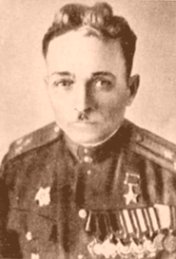
Alexandrovsky Vasily Stepanovich
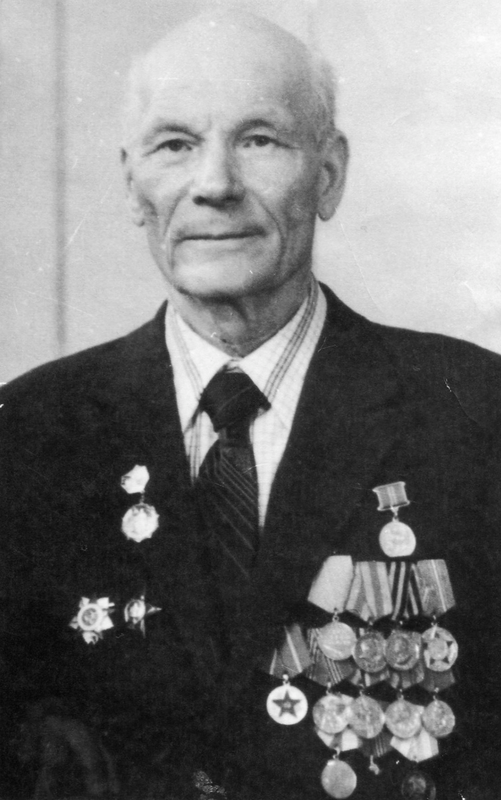
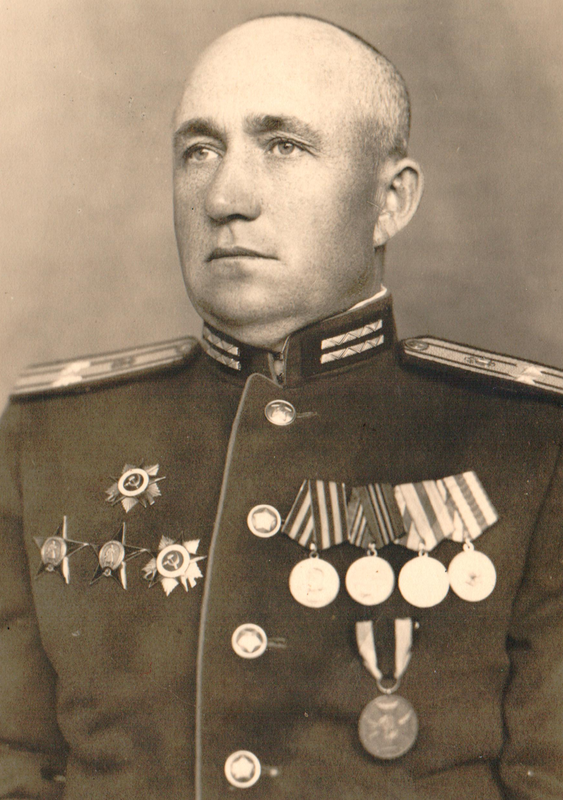
CITY: village Zhukovka, Rzhevsky district, Kalinin region. DATE OF BIRTH: 12/25/1898 DATE OF DEATH: 11/16/1972 HISTORY: Vasily Stepanovich Aleksandrovsky (December 13 [25], 1898 - November 16, 1972) - a participant in the First World War, the Civil and the Great Patriotic War, a participant in the battles of the Far Eastern conflict in 1929. During World War II - commander of the 6th Guards Rifle Regiment of the 2nd Guards Rifle Division of the 56th Army of the North Caucasian Front. Hero of the Soviet Union (11/17/1943), guard colonel. Born on December 13 (25), 1898 in the village of Zhukovka, Rzhevsky district, Tver province (now Rzhevsky district, Tver region), into a peasant family. Russian by nationality. Was a shepherd, worked at a tannery in Rzhev. He served in the tsarist army. He took part in the battles of the First World War. In December 1918 he entered the Moscow Infantry Courses, from where he was transferred to the machine gun courses of the middle command personnel in the Kremlin. In October 1919, after completing the courses, he left for the front. Participated in the Civil War. In battle, he was seriously wounded. In 1921 he graduated from the Higher Shooting School in Moscow. Participant of the battles on the Chinese Eastern Railway in 1929. On the fronts of the Great Patriotic War from the first days. Commander of the 6th Guards Rifle Regiment of the 2nd Guards Rifle Division of the 56th Army of the North Caucasian Front. Member of the CPSU (b) / CPSU since 1943. In the 2nd Guards Rifle Division, awarded the Order of the Red Banner and named Taman, the 6th Regiment invariably went ahead in the offensive battles of 1943. The command assigned him the most important combat missions. From April 28 to May 3, 1943, the regiment fought for the Krymskaya station. The guardsmen, skillfully disguising themselves, interacting with the artillerymen, overcame both minefields and barbed wire, destroyed eleven machine-gun and five mortar points and burst into the embankment. The Nazis hastily left the Crimean, leaving over 500 soldiers and officers killed. On May 25, 1943, the regiment with a surprise assault captured the command heights "71.0", "95.0" and the Horishny farm of the Crimean region, capturing prisoners and trophies. The enemy, attaching great importance to the heights, brought in fresh forces and counterattacked the regiment with the support of tanks and many aircraft. For three days a fierce battle raged. Sixteen times fascist chains with tanks and armored personnel carriers rushed to the heights. German dive bombers hung in the air all the time. They were fired at from infantry weapons. An example of bravery and resourcefulness was shown to everyone by the regiment commander. He himself shot down a Junkers-88 from a light machine gun at low level flight. The plane crashed in the combat formations of the counterattacking and burned down together with the crew. Despite the superiority of forces and the brutal onslaught of the enemy, the soldiers of the regiment did not give up their positions. The 6th Guards Regiment also distinguished itself during the breakthrough of the heavily fortified "Blue Line" of the enemy and then during the liberation of the Kuban. But the most glorious and most difficult thing carried out by the soldiers under the command of Vasily Stepanovich Alexandrovsky was the crossing of the Kerch Strait in early November 1943. On November 3, 1943, in a strong storm, Vasily Stepanovich Aleksandrovsky, together with the assault groups, was the first to land on the coast of the Crimea, and groups of soldiers of the 1st Guards Regiment also crossed. The paratroopers caught the enemy by surprise, with a united attack knocked him out of the village of Mayak, now the village of Podmayachny within the city of Kerch. The Hitlerites who came to their senses, pulling up their reserves, rushed into battle. The guardsmen, having repulsed six counterattacks, went on the offensive, capturing the important hill "175.0" and the large settlement Baksy. The Hitlerite command threw tanks, artillery, aviation against our paratroopers, and organized over twenty counterattacks with superior forces. The guards held their ground. So a strong bridgehead was conquered in the Crimea north of Kerch, and the liberation of the peninsula began. By the decree of the Presidium of the Supreme Soviet of the USSR of November 17, 1943 for exemplary command of the regiment during the crossing of the Kerch Strait and the personal courage and heroism of the guards shown at the same time, Colonel Vasily Stepanovich Aleksandrovsky was awarded the title of Hero of the Soviet Union with the award of the Order of Lenin and the Gold Star medal (No. 2181) ... Since 1946 Vasily Stepanovich Aleksandrovsky is in reserve. He lived in the city of Rzhev, Tver region. Died November 16, 1972. Awards: Medal "Gold Star" of the Hero of the Soviet Union Two Orders of Lenin Three Orders of the Red Banner Order of the Patriotic War II degree Numerous medals
Alexandrovsky Vasily Stepanovich
CITY: village Zhukovka, Rzhevsky district, Kalinin region. DATE OF BIRTH: 12/25/1898 DATE OF DEATH: 11/16/1972 HISTORY: Vasily Stepanovich Aleksandrovsky (December 13 [25], 1898 - November 16, 1972) - a participant in the First World War, the Civil and the Great Patriotic War, a participant in the battles of the Far Eastern conflict in 1929. During World War II - commander of the 6th Guards Rifle Regiment of the 2nd Guards Rifle Division of the 56th Army of the North Caucasian Front. Hero of the Soviet Union (11/17/1943), guard colonel. Born on December 13 (25), 1898 in the village of Zhukovka, Rzhevsky district, Tver province (now Rzhevsky district, Tver region), into a peasant family. Russian by nationality. Was a shepherd, worked at a tannery in Rzhev. He served in the tsarist army. He took part in the battles of the First World War. In December 1918 he entered the Moscow Infantry Courses, from where he was transferred to the machine gun courses of the middle command personnel in the Kremlin. In October 1919, after completing the courses, he left for the front. Participated in the Civil War. In battle, he was seriously wounded. In 1921 he graduated from the Higher Shooting School in Moscow. Participant of the battles on the Chinese Eastern Railway in 1929. On the fronts of the Great Patriotic War from the first days. Commander of the 6th Guards Rifle Regiment of the 2nd Guards Rifle Division of the 56th Army of the North Caucasian Front. Member of the CPSU (b) / CPSU since 1943. In the 2nd Guards Rifle Division, awarded the Order of the Red Banner and named Taman, the 6th Regiment invariably went ahead in the offensive battles of 1943. The command assigned him the most important combat missions. From April 28 to May 3, 1943, the regiment fought for the Krymskaya station. The guardsmen, skillfully disguising themselves, interacting with the artillerymen, overcame both minefields and barbed wire, destroyed eleven machine-gun and five mortar points and burst into the embankment. The Nazis hastily left the Crimean, leaving over 500 soldiers and officers killed. On May 25, 1943, the regiment with a surprise assault captured the command heights "71.0", "95.0" and the Horishny farm of the Crimean region, capturing prisoners and trophies. The enemy, attaching great importance to the heights, brought in fresh forces and counterattacked the regiment with the support of tanks and many aircraft. For three days a fierce battle raged. Sixteen times fascist chains with tanks and armored personnel carriers rushed to the heights. German dive bombers hung in the air all the time. They were fired at from infantry weapons. An example of bravery and resourcefulness was shown to everyone by the regiment commander. He himself shot down a Junkers-88 from a light machine gun at low level flight. The plane crashed in the combat formations of the counterattacking and burned down together with the crew. Despite the superiority of forces and the brutal onslaught of the enemy, the soldiers of the regiment did not give up their positions. The 6th Guards Regiment also distinguished itself during the breakthrough of the heavily fortified "Blue Line" of the enemy and then during the liberation of the Kuban. But the most glorious and most difficult thing carried out by the soldiers under the command of Vasily Stepanovich Alexandrovsky was the crossing of the Kerch Strait in early November 1943. On November 3, 1943, in a strong storm, Vasily Stepanovich Aleksandrovsky, together with the assault groups, was the first to land on the coast of the Crimea, and groups of soldiers of the 1st Guards Regiment also crossed. The paratroopers caught the enemy by surprise, with a united attack knocked him out of the village of Mayak, now the village of Podmayachny within the city of Kerch. The Hitlerites who came to their senses, pulling up their reserves, rushed into battle. The guardsmen, having repulsed six counterattacks, went on the offensive, capturing the important hill "175.0" and the large settlement Baksy. The Hitlerite command threw tanks, artillery, aviation against our paratroopers, and organized over twenty counterattacks with superior forces. The guards held their ground. So a strong bridgehead was conquered in the Crimea north of Kerch, and the liberation of the peninsula began. By the decree of the Presidium of the Supreme Soviet of the USSR of November 17, 1943 for exemplary command of the regiment during the crossing of the Kerch Strait and the personal courage and heroism of the guards shown at the same time, Colonel Vasily Stepanovich Aleksandrovsky was awarded the title of Hero of the Soviet Union with the award of the Order of Lenin and the Gold Star medal (No. 2181) ... Since 1946 Vasily Stepanovich Aleksandrovsky is in reserve. He lived in the city of Rzhev, Tver region. Died November 16, 1972. Awards: Medal "Gold Star" of the Hero of the Soviet Union Two Orders of Lenin Three Orders of the Red Banner Order of the Patriotic War II degree Numerous medals
0 comment




2026 © Russian Military Historical Society Developed by Jetmix