Kuzenkova (Ulyanova) Maria Filippovna
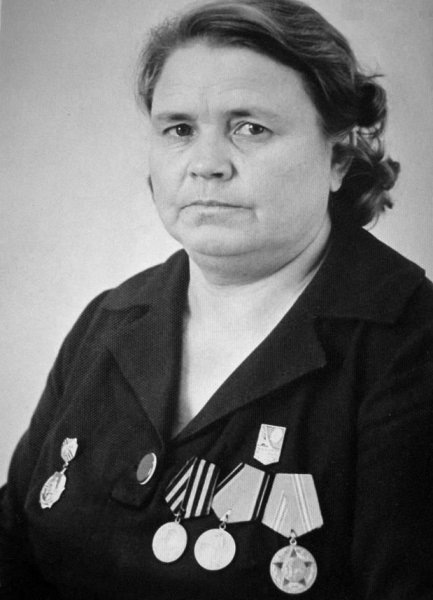
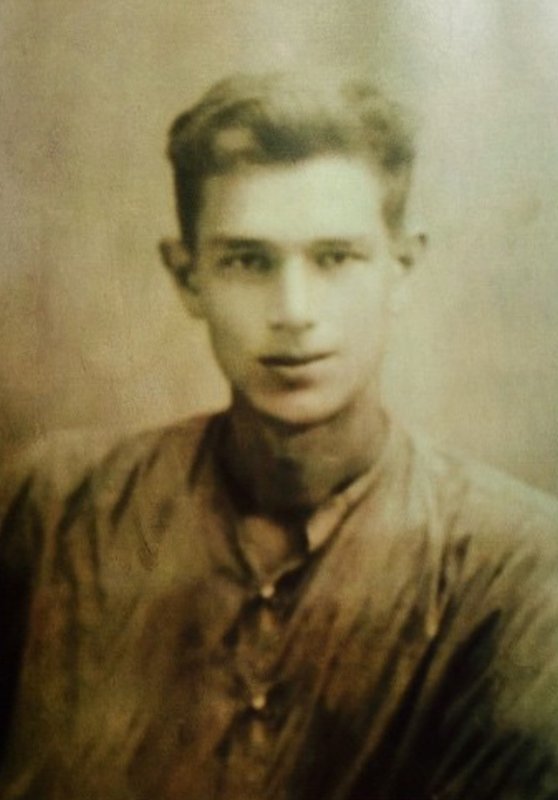
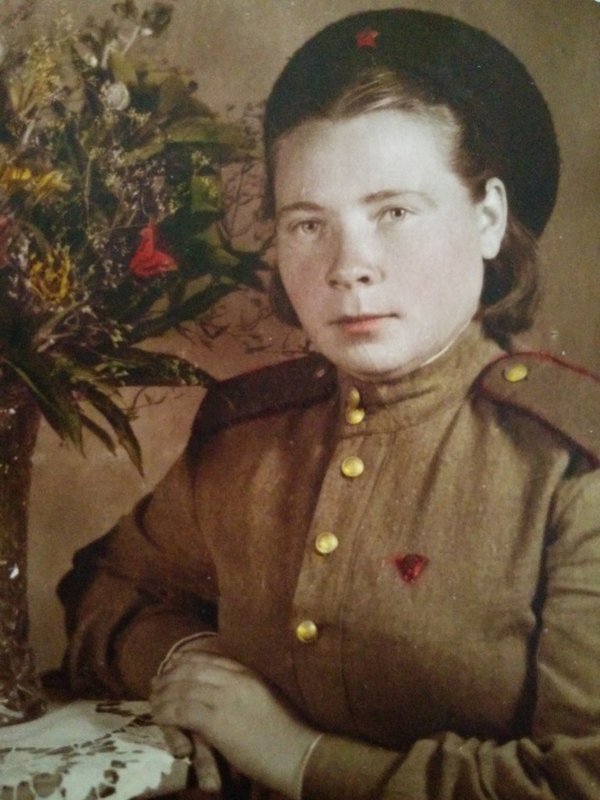
Rank: Red Army Troop Type: Land Forces, Air Force (except naval aviation), Coastal Service, NKVD troops, Border Guard Battalion of the Sky WATCHERS Maria Filippovna Kuzenkova was born in 1922 in the Ardatovsky District. In Atemasova she completed 5 classes. The family had many children, it was necessary to go to work to feed all of them. Maria trained as a saleswoman, and after a short study she started to work independently. How many of these young girls wanted to have a job, go to work, earn money, help their parents! But the war, indifferent to the feelings and aspirations of the civilian population, covered the fatherland with a black wing. The hard hour of the trial has come. In April 1942, Maria Ulyanova (that is her maiden name), who could not look expressionlessly at the grief that came to her native village (since the first days of the war the funerals did not pass Atemasovo), together with her friends, turned to the Komsomol district committee with the request to give direction to the front. In the recruiting office, the officer who was processing the documents looked at the red-cheeked girl, who was ‘two centimeters’ tall, shook her head and sighed violently: "And this one too, to the front! The tired officer could not imagine that at the end of the war this little girl would reach the capital of Poland, take part in liberation, receive the medal "for the liberation of Warsaw" and set out to liberate Polish countries from the fascist yoke. In spring 1942, after completing special courses, Maria was drafted into the VNOS battalion (air surveillance, notification and communication). The girls were taught to observe air targets, to recognize enemy planes and our planes by their noise and of course by their silhouettes, so as not to confuse them. Originally, the unit was located at the so-called observation points, which were located at different places in the Gorky region. Through binoculars the observers looked up into the sky, determined the types of aircraft, their number and the direction of flight and urgently transmitted all data to the command of the anti-aircraft and air defense units guarding the Gorky sky. The fate of important industrial plants, which were bombed by enemy pilots, and the lives of the people depended on their abilities. They lived in the fields, in shelters. Their necks tired, sometimes they were dizzy from the constant gaze at the sky (during the day and night, by the way). But the observers did not pay attention to this - because there, at the front, it was a hundred times more difficult. The Germans were defeated near Moscow, and Red Army drove the German divisions to the West. Maria was assigned to the 82nd Air Defense Division, which advanced with other units of the first Belarusian front. How much sadness she saw on her way to the front! How many dead, mutilated soldiers, hanged, burned, old men, women and children shot! After the liberation of Soviet towns and villages, the troops of the first Belarusian front entered Polish soil. Maria Filippovna returned from the war at the end of July 1945 with the medals "for the liberation of Warsaw" and "for the victory over Germany". First she worked in Atemasov, then she moved with her family to Kulebaki.
Kuzenkova (Ulyanova) Maria Filippovna
Rank: Red Army Troop Type: Land Forces, Air Force (except naval aviation), Coastal Service, NKVD troops, Border Guard Battalion of the Sky WATCHERS Maria Filippovna Kuzenkova was born in 1922 in the Ardatovsky District. In Atemasova she completed 5 classes. The family had many children, it was necessary to go to work to feed all of them. Maria trained as a saleswoman, and after a short study she started to work independently. How many of these young girls wanted to have a job, go to work, earn money, help their parents! But the war, indifferent to the feelings and aspirations of the civilian population, covered the fatherland with a black wing. The hard hour of the trial has come. In April 1942, Maria Ulyanova (that is her maiden name), who could not look expressionlessly at the grief that came to her native village (since the first days of the war the funerals did not pass Atemasovo), together with her friends, turned to the Komsomol district committee with the request to give direction to the front. In the recruiting office, the officer who was processing the documents looked at the red-cheeked girl, who was ‘two centimeters’ tall, shook her head and sighed violently: "And this one too, to the front! The tired officer could not imagine that at the end of the war this little girl would reach the capital of Poland, take part in liberation, receive the medal "for the liberation of Warsaw" and set out to liberate Polish countries from the fascist yoke. In spring 1942, after completing special courses, Maria was drafted into the VNOS battalion (air surveillance, notification and communication). The girls were taught to observe air targets, to recognize enemy planes and our planes by their noise and of course by their silhouettes, so as not to confuse them. Originally, the unit was located at the so-called observation points, which were located at different places in the Gorky region. Through binoculars the observers looked up into the sky, determined the types of aircraft, their number and the direction of flight and urgently transmitted all data to the command of the anti-aircraft and air defense units guarding the Gorky sky. The fate of important industrial plants, which were bombed by enemy pilots, and the lives of the people depended on their abilities. They lived in the fields, in shelters. Their necks tired, sometimes they were dizzy from the constant gaze at the sky (during the day and night, by the way). But the observers did not pay attention to this - because there, at the front, it was a hundred times more difficult. The Germans were defeated near Moscow, and Red Army drove the German divisions to the West. Maria was assigned to the 82nd Air Defense Division, which advanced with other units of the first Belarusian front. How much sadness she saw on her way to the front! How many dead, mutilated soldiers, hanged, burned, old men, women and children shot! After the liberation of Soviet towns and villages, the troops of the first Belarusian front entered Polish soil. Maria Filippovna returned from the war at the end of July 1945 with the medals "for the liberation of Warsaw" and "for the victory over Germany". First she worked in Atemasov, then she moved with her family to Kulebaki.
0 comment



2026 © Russian Military Historical Society Developed by Jetmix