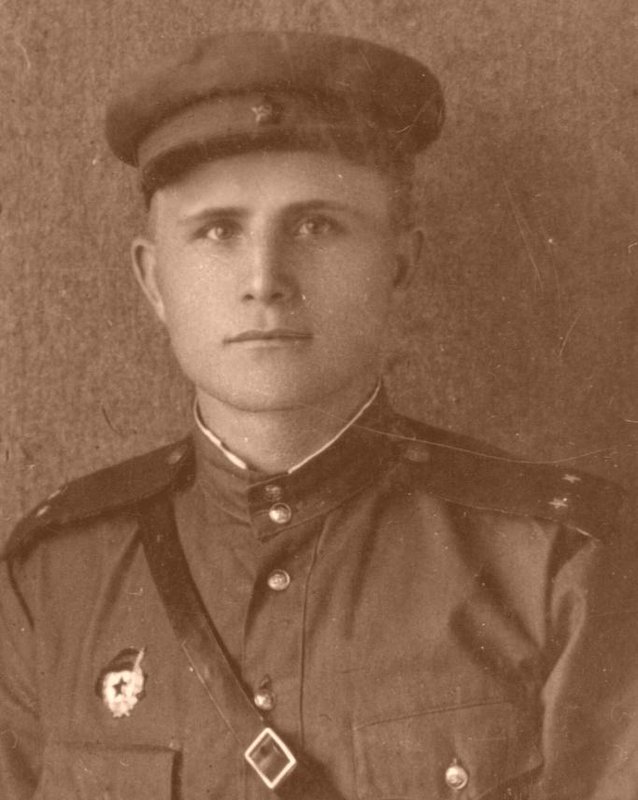


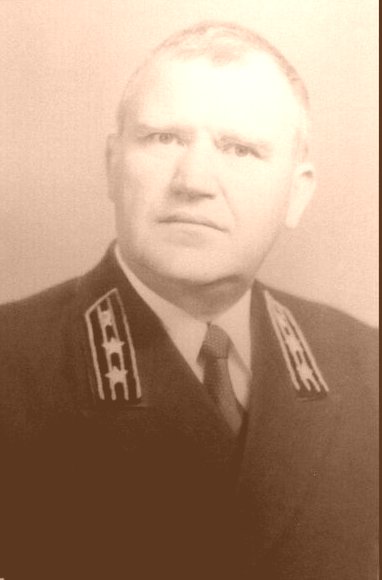

Kolodyazhny Nikolay Mikhailovich
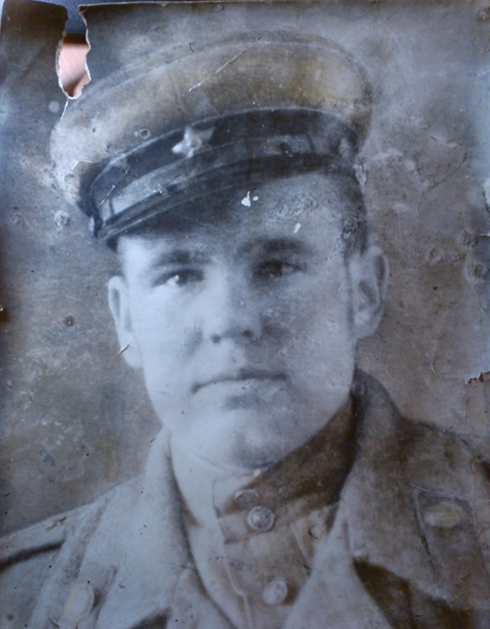
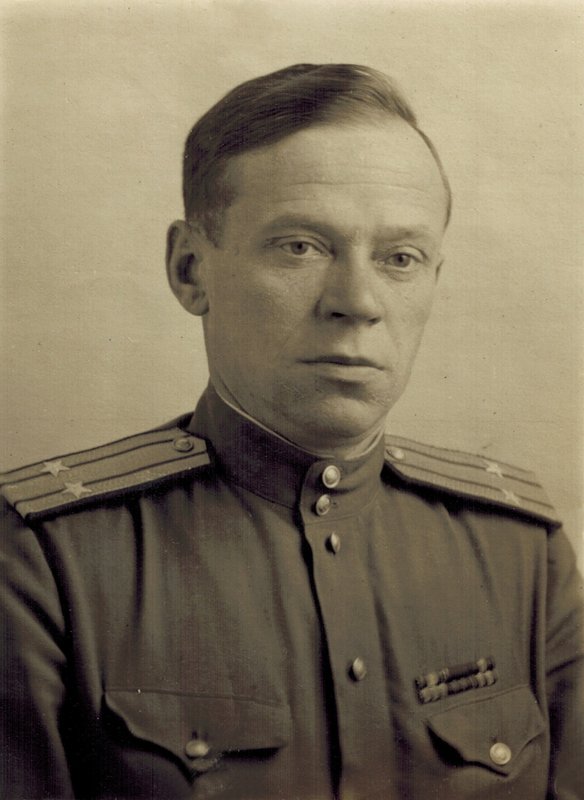
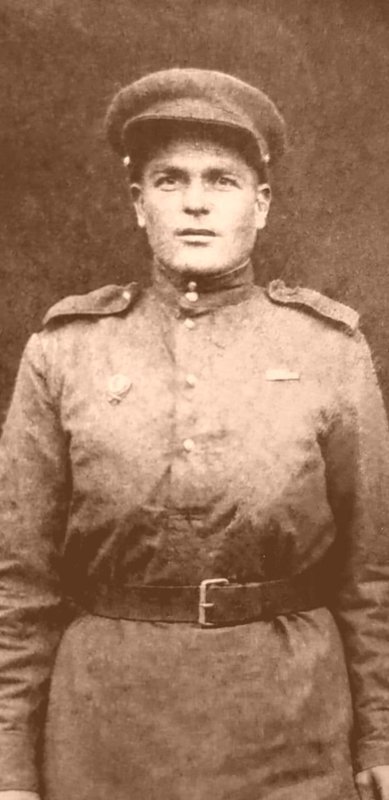
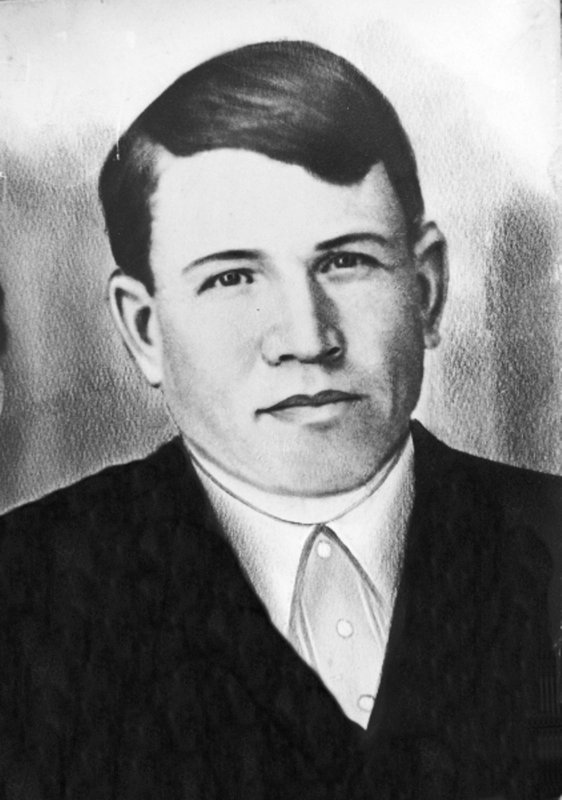
Rank: Lieutenant. Military Branch: Armored and mechanized troops. The men’s line of my family dates back to 1901. It was then when my first known paternal ancestor, Nikolai Mikhailovich Kolodyazhny, was born. During the turmoil, he was lost, and ended up in an orphanage, from where he was soon taken by one of the landowners. All his childhood, he was a simple boy, helping with the household, grazing cattle, walking with his peers, learning to read and write. When the October revolution started, he added 3 years to join the Red Army. During the civil war, he crossed Sivash as part of the 26th rifle regiment. He was seriously wounded in the fighting. After the civil war, he came to Simferopol, where he took courses for road masters. Having quickly mastered the profession, he proved to be a good master in Simferopol, after which he was sent to Yevpatoria to build a road to Donuzlav. Then he was sent to Bakhchisarai as the head of a group of "road builders" to repair and lay roads in its surroundings. While working on roads, Nikolai Mikhailovich simultaneously mastered the "art" of the leader, finding an approach and improving the work of each master of his team. In 1935, he was appointed head of the district road construction department in Ichki (now the village of Sovetsky). Working as the head of the road Department, he was engaged not only in roads, but also in landscaping roadsides, installing signs. After working for three years as the head of the road Department, miraculously avoiding reprisals, thanks to his fruitful work on the improvement of the district, he becomes the Chairman of the Ichkinsky district Executive Committee. The Chairman continues to improve Ikinci district. Here are the data provided by the Museum in the village of Sovetsky: "in 1940, the right to participate in the all-Union agricultural exhibition was granted to 100 leading MTS employees. Thus, the village of Sovetskoye becomes a major agricultural center of the Crimea. A Creamery plant operated on the territory of the village. The socio-cultural infrastructure was developing. There were three libraries in the village! In 1937, the seven-year-long Ichkinsky school was transformed into a secondary school, where about 300 children began to study. In 1938, a sports stadium was built in Sovetsky, and a summer sports school was organized in 1939. Demographic indicators indicate the flourishing of the village. At the beginning of 1941, approximately 5,400 people lived in it, and Sovetsky received the status of an urban-type settlement." But in 1941, the peaceful, prosperous life of people was destroyed by a terrible war. Immediately after its beginning and the advance of the fascists to the Crimea, the leaders of all the villages of the Crimea were gathered and given instructions. Nikolai Mikhailovich gets the task to collect all the documentation, money and wealth of the village in a short time and take it to Krasnodar. Preparations for evacuation began. In a few days, trucks with documents and jewelry were collected. And went to the ferry crossing. It's hard to imagine what a burden of responsibility my great-grandfather had. Everything ended successfully, the documents and money were delivered and handed over safely to the Bank. Due to the fact that at that time Nikolai Mikhailovich was 40 years old, and he worked in a high-ranking position, besides, he was wounded after the civil war, he was not drafted into the army and was free. But the great-grandfather did not want to stay aside and wanted to help his homeland, so in the Krasnodar territory he volunteered for the war. He was sent to the Saratov higher military school, where he received the rank of second Lieutenant and the specialty of a tank driver. A tank division was formed from graduates of the school and sent to Omsk in 1942. It was from there that my great-grandfather went to the front line. Further I know nothing about my great-grandfather’s combat path, because the database sites of the archives of the Ministry of Defense do not provide any information, and the request to the Central archive of the Ministry of Defense has remained unanswered for several months. However, I can say with confidence that my great-grandfather participated in many operations, as evidenced by his medals and Orders: "For Combat Service", "For the Defense of the Caucasus", "For the Fictory over Germany in the Great Patriotic War in 1941-1945.". A large number of Guards badges. It is known that my great-grandfather reached Germany with the Red Army. As a person who restored and built more than one road, he was offered to become a commandant in one of the German settlements in Germany, to help "raise" the infrastructure. However, Nikolai Mikhailovich refused, explaining his answer by the fact that he is a purely civil person, and is not ready to live and work so far from his native lands, which also needed to be restored after the liberation of the Crimea from the Nazi invaders. After the war, the great-grandfather returned to the Soviet Union, where he was offered to take his post, but the great-grandfather refused, because in his opinion, there was already a literate and intelligent person in this position. In September 1945, he took the post of Chairman of the Zuysky district Executive Committee. A year later, he received an offer to become Deputy Chairman of the Executive Committee of Simferopol! He accepted the offer and worked in Simferopol until 1948. At the end of 1948, he was transferred and appointed head of an Elevator in the village of Oktyabrskoye. In 1950, he moved to Dzhankoy and headed the district road Department. He was in charge of road repairs in the Voinka-Dzhankoy-Nizhnegorsk-Belogorsk section, laying new roads. After retirement, he worked as a Party Secretary of the Dzhankoy inter-collective farm construction. The story of my great-grandfather's life shows the history of an entire epoch by the example of the fate of one person. The era of people who were able to fight for themselves, for their children, for a bright future. Throughout the life of my great-grandfather, he faced difficulties, being a poor little boy without a family and a home, he was able to become a respected person who helped his native country for decades. And we, the current generation, should follow the example of our grandfathers and great-grandfathers, who didn’t spare themselves working hard for the benefit of the country and were able to fight for a bright future. It doesn't matter if you're in a tank at war, or at a factory at a machine, or in hospitals, helping the wounded. In peacetime, leading collective farms or village councils, teaching children at school, or harvesting crops in the field, everyone understood that he was responsible for the future, for the next generation!
Kolodyazhny Nikolay Mikhailovich
Rank: Lieutenant. Military Branch: Armored and mechanized troops. The men’s line of my family dates back to 1901. It was then when my first known paternal ancestor, Nikolai Mikhailovich Kolodyazhny, was born. During the turmoil, he was lost, and ended up in an orphanage, from where he was soon taken by one of the landowners. All his childhood, he was a simple boy, helping with the household, grazing cattle, walking with his peers, learning to read and write. When the October revolution started, he added 3 years to join the Red Army. During the civil war, he crossed Sivash as part of the 26th rifle regiment. He was seriously wounded in the fighting. After the civil war, he came to Simferopol, where he took courses for road masters. Having quickly mastered the profession, he proved to be a good master in Simferopol, after which he was sent to Yevpatoria to build a road to Donuzlav. Then he was sent to Bakhchisarai as the head of a group of "road builders" to repair and lay roads in its surroundings. While working on roads, Nikolai Mikhailovich simultaneously mastered the "art" of the leader, finding an approach and improving the work of each master of his team. In 1935, he was appointed head of the district road construction department in Ichki (now the village of Sovetsky). Working as the head of the road Department, he was engaged not only in roads, but also in landscaping roadsides, installing signs. After working for three years as the head of the road Department, miraculously avoiding reprisals, thanks to his fruitful work on the improvement of the district, he becomes the Chairman of the Ichkinsky district Executive Committee. The Chairman continues to improve Ikinci district. Here are the data provided by the Museum in the village of Sovetsky: "in 1940, the right to participate in the all-Union agricultural exhibition was granted to 100 leading MTS employees. Thus, the village of Sovetskoye becomes a major agricultural center of the Crimea. A Creamery plant operated on the territory of the village. The socio-cultural infrastructure was developing. There were three libraries in the village! In 1937, the seven-year-long Ichkinsky school was transformed into a secondary school, where about 300 children began to study. In 1938, a sports stadium was built in Sovetsky, and a summer sports school was organized in 1939. Demographic indicators indicate the flourishing of the village. At the beginning of 1941, approximately 5,400 people lived in it, and Sovetsky received the status of an urban-type settlement." But in 1941, the peaceful, prosperous life of people was destroyed by a terrible war. Immediately after its beginning and the advance of the fascists to the Crimea, the leaders of all the villages of the Crimea were gathered and given instructions. Nikolai Mikhailovich gets the task to collect all the documentation, money and wealth of the village in a short time and take it to Krasnodar. Preparations for evacuation began. In a few days, trucks with documents and jewelry were collected. And went to the ferry crossing. It's hard to imagine what a burden of responsibility my great-grandfather had. Everything ended successfully, the documents and money were delivered and handed over safely to the Bank. Due to the fact that at that time Nikolai Mikhailovich was 40 years old, and he worked in a high-ranking position, besides, he was wounded after the civil war, he was not drafted into the army and was free. But the great-grandfather did not want to stay aside and wanted to help his homeland, so in the Krasnodar territory he volunteered for the war. He was sent to the Saratov higher military school, where he received the rank of second Lieutenant and the specialty of a tank driver. A tank division was formed from graduates of the school and sent to Omsk in 1942. It was from there that my great-grandfather went to the front line. Further I know nothing about my great-grandfather’s combat path, because the database sites of the archives of the Ministry of Defense do not provide any information, and the request to the Central archive of the Ministry of Defense has remained unanswered for several months. However, I can say with confidence that my great-grandfather participated in many operations, as evidenced by his medals and Orders: "For Combat Service", "For the Defense of the Caucasus", "For the Fictory over Germany in the Great Patriotic War in 1941-1945.". A large number of Guards badges. It is known that my great-grandfather reached Germany with the Red Army. As a person who restored and built more than one road, he was offered to become a commandant in one of the German settlements in Germany, to help "raise" the infrastructure. However, Nikolai Mikhailovich refused, explaining his answer by the fact that he is a purely civil person, and is not ready to live and work so far from his native lands, which also needed to be restored after the liberation of the Crimea from the Nazi invaders. After the war, the great-grandfather returned to the Soviet Union, where he was offered to take his post, but the great-grandfather refused, because in his opinion, there was already a literate and intelligent person in this position. In September 1945, he took the post of Chairman of the Zuysky district Executive Committee. A year later, he received an offer to become Deputy Chairman of the Executive Committee of Simferopol! He accepted the offer and worked in Simferopol until 1948. At the end of 1948, he was transferred and appointed head of an Elevator in the village of Oktyabrskoye. In 1950, he moved to Dzhankoy and headed the district road Department. He was in charge of road repairs in the Voinka-Dzhankoy-Nizhnegorsk-Belogorsk section, laying new roads. After retirement, he worked as a Party Secretary of the Dzhankoy inter-collective farm construction. The story of my great-grandfather's life shows the history of an entire epoch by the example of the fate of one person. The era of people who were able to fight for themselves, for their children, for a bright future. Throughout the life of my great-grandfather, he faced difficulties, being a poor little boy without a family and a home, he was able to become a respected person who helped his native country for decades. And we, the current generation, should follow the example of our grandfathers and great-grandfathers, who didn’t spare themselves working hard for the benefit of the country and were able to fight for a bright future. It doesn't matter if you're in a tank at war, or at a factory at a machine, or in hospitals, helping the wounded. In peacetime, leading collective farms or village councils, teaching children at school, or harvesting crops in the field, everyone understood that he was responsible for the future, for the next generation!
0 comment




2026 © Russian Military Historical Society Developed by Jetmix