
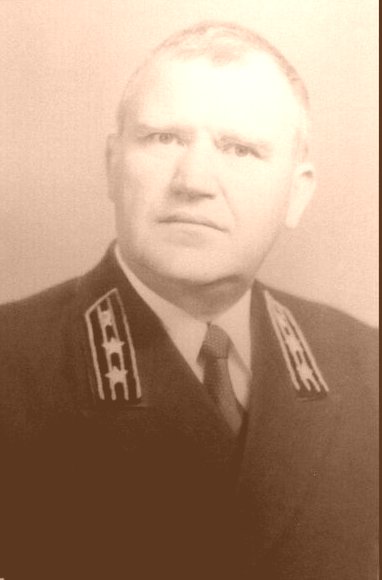


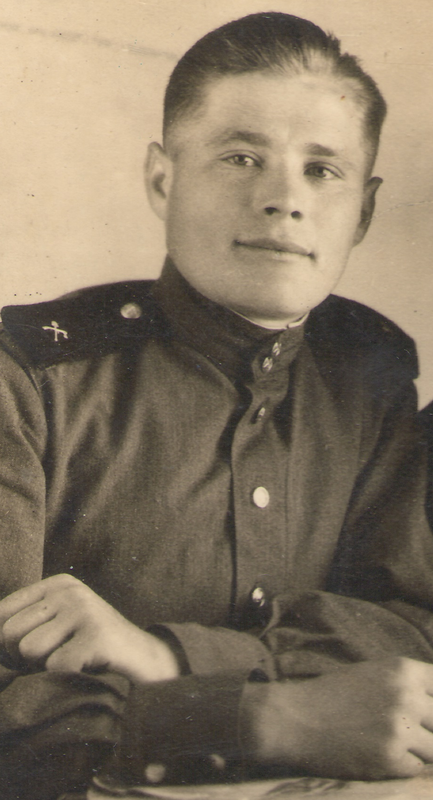
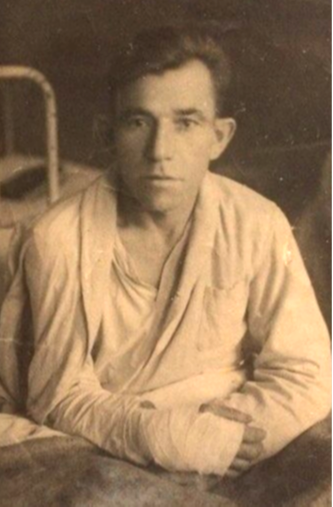
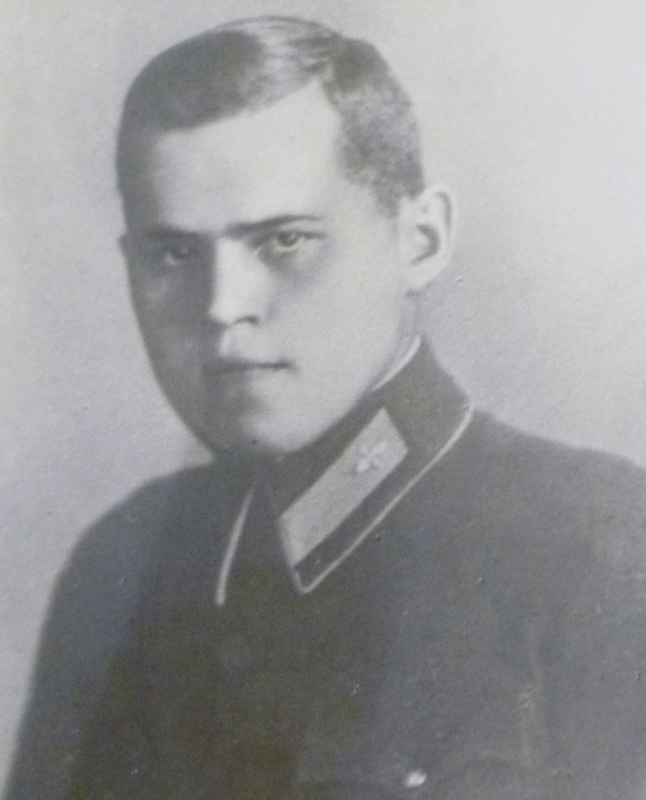
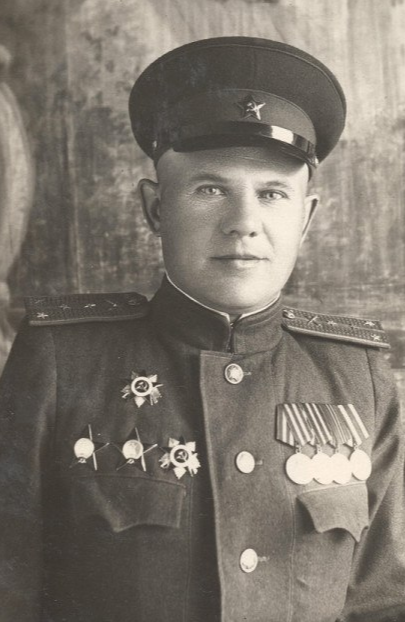

Kurtin Mitrofan Romanovich
Military Branch: Land Forces, Air Force (except Naval Aviation), Coastal Service, NKWD Troops, Border Guard - writes great-granddaughter- Derevyankina Ksenia Yuryevna. My great-grandfather, Kurtin Mitrofan Romanovich was born on 30 May 1917 in the Amur region, Gribskoye village, and died in June 1992, serving in the Soviet Army from March 1938 to January 1962. The total length of service in the Soviet Army was more than 25 years. Including in the active army from 19 November 1943 to 3 September 1945. During the war he was a driver and drove an anti-tank gun, which was very large, and also was a driver of the regiment commander. They destroyed many tanks during the war, for which my great-grandfather was awarded many times. One day planes flew in and there was no place to hide in the field. Great-grandfather hid, lay down behind the steering wheel and covered his head with his hands, at that moment a bomb exploded nearby and a splinter hit his hand, if he had not covered his head with his hands, the splinter would have hit his head. The doctors wanted to remove the fragment and could not remove it. So he lived with them for the rest of his life. Once they were driving a car that was carrying a cannon and a guard commander, they stopped and got out of the car to see where the Germans were, German planes flew in and bombed the car and the cannon, but he and the commander survived. Great-grandfather took part in the crossing of Siwash, in the icy salt water the soldiers had to lie still for several hours so that the Germans would not discover their presence, for a sudden attack. My great-grandfather and all the soldiers were freezing in the cold water, but they did not let to discover their presence and defeated the Germans. In the salt water of Sivosh, my great-grandfather saw the bodies of the soldiers who had died in the Civil War. When they attacked the Germans in Russia, it was very cold and hungry. And when they went on the offensive, they liberated the territories conquered by the Germans, and life became more satisfying and the spirit rose. When they reached the territory of Germany at that time, the Japanese attacked China, and the part of the great-grandfather's body was loaded into wagons with all the military weapons that had been sent to the Far East to fight the Japanese. Echelons with troops marched day and night without interruption to the East. They were given a green road everywhere so that they could help China defeat the Japanese. Russia declared war on Japan in September 1945. When great-grandfather arrived in the winter of 1943 it was a bitter winter at the front, even when he slept in the trenches or shelters so as not to freeze his feet, even when asleep he knocked on his leg, this habit of self-preservation remained with him for five years after the war. At night he slept in a house bed, and his feet continued to tap his feet out of habit. My great-grandfather did not like to talk about the war, the stories were not big and sparse. After the war, my great-grandfather continued to serve in the Far East and protected the borders of our homeland until January 1962, serving in Sovgavan and on the Dry River. During his service my grandfather served in the Navy aviation and prepared the pilots for flying supersonic jet aircraft.
Kurtin Mitrofan Romanovich
Military Branch: Land Forces, Air Force (except Naval Aviation), Coastal Service, NKWD Troops, Border Guard - writes great-granddaughter- Derevyankina Ksenia Yuryevna. My great-grandfather, Kurtin Mitrofan Romanovich was born on 30 May 1917 in the Amur region, Gribskoye village, and died in June 1992, serving in the Soviet Army from March 1938 to January 1962. The total length of service in the Soviet Army was more than 25 years. Including in the active army from 19 November 1943 to 3 September 1945. During the war he was a driver and drove an anti-tank gun, which was very large, and also was a driver of the regiment commander. They destroyed many tanks during the war, for which my great-grandfather was awarded many times. One day planes flew in and there was no place to hide in the field. Great-grandfather hid, lay down behind the steering wheel and covered his head with his hands, at that moment a bomb exploded nearby and a splinter hit his hand, if he had not covered his head with his hands, the splinter would have hit his head. The doctors wanted to remove the fragment and could not remove it. So he lived with them for the rest of his life. Once they were driving a car that was carrying a cannon and a guard commander, they stopped and got out of the car to see where the Germans were, German planes flew in and bombed the car and the cannon, but he and the commander survived. Great-grandfather took part in the crossing of Siwash, in the icy salt water the soldiers had to lie still for several hours so that the Germans would not discover their presence, for a sudden attack. My great-grandfather and all the soldiers were freezing in the cold water, but they did not let to discover their presence and defeated the Germans. In the salt water of Sivosh, my great-grandfather saw the bodies of the soldiers who had died in the Civil War. When they attacked the Germans in Russia, it was very cold and hungry. And when they went on the offensive, they liberated the territories conquered by the Germans, and life became more satisfying and the spirit rose. When they reached the territory of Germany at that time, the Japanese attacked China, and the part of the great-grandfather's body was loaded into wagons with all the military weapons that had been sent to the Far East to fight the Japanese. Echelons with troops marched day and night without interruption to the East. They were given a green road everywhere so that they could help China defeat the Japanese. Russia declared war on Japan in September 1945. When great-grandfather arrived in the winter of 1943 it was a bitter winter at the front, even when he slept in the trenches or shelters so as not to freeze his feet, even when asleep he knocked on his leg, this habit of self-preservation remained with him for five years after the war. At night he slept in a house bed, and his feet continued to tap his feet out of habit. My great-grandfather did not like to talk about the war, the stories were not big and sparse. After the war, my great-grandfather continued to serve in the Far East and protected the borders of our homeland until January 1962, serving in Sovgavan and on the Dry River. During his service my grandfather served in the Navy aviation and prepared the pilots for flying supersonic jet aircraft.
0 comment



2026 © Russian Military Historical Society Developed by Jetmix