




Kuleba Ivan Efimovich
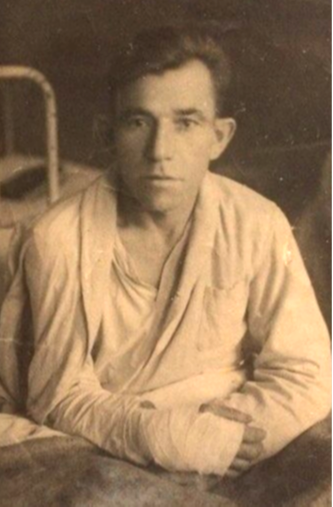
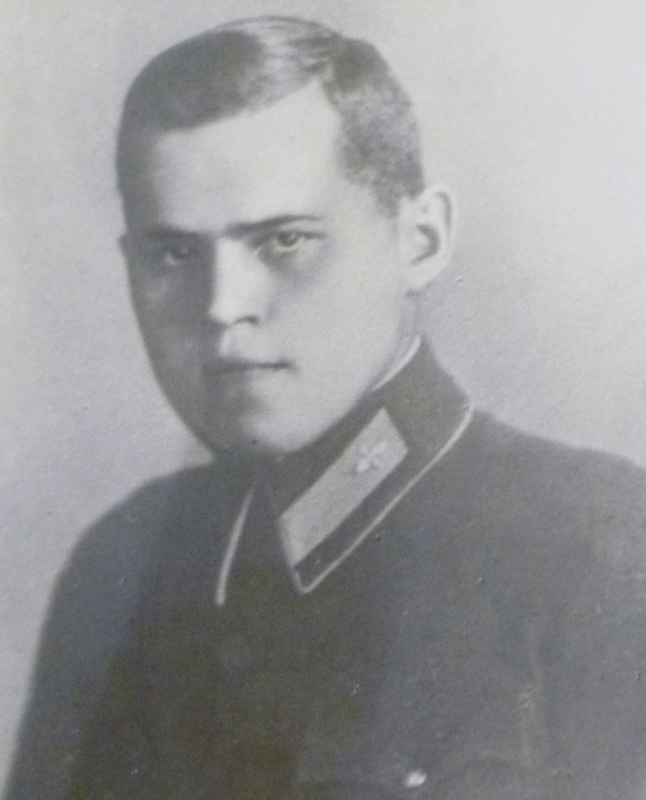
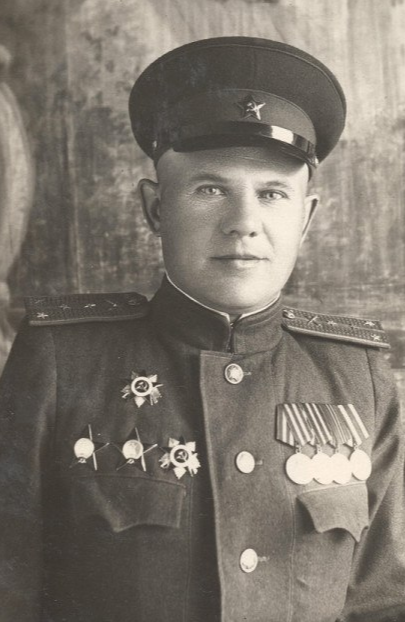
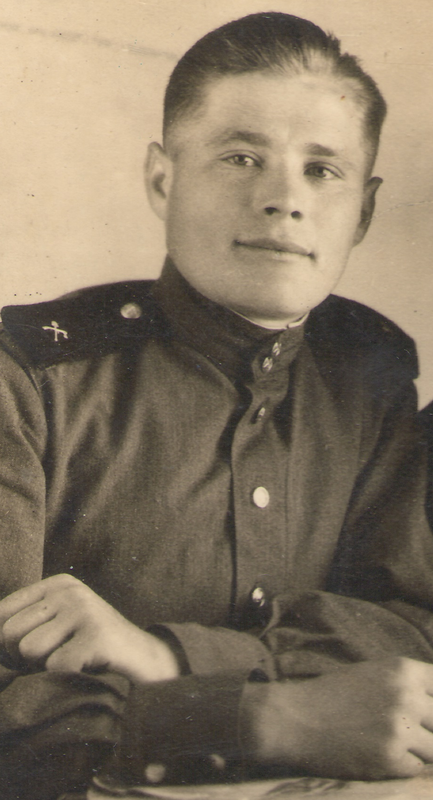
Rank: Red Army soldier. Type of troops: Ground Forces, Air Force (except Naval Aviation), Coast Guard, NKVD Troops, Border Guard. I would like to tell you the story of my veteran who did not fight on the battlefield in the active army, but worked hard and survived in German captivity. I do not think it is necessary to prove his well-deserved place in the immortal regiment. It was not possible to gather a great deal of information, because during his lifetime it was very difficult to "extract" information from his grandfather - he could not even share a part of what he went through during the war years with his children or grandchildren. Or perhaps, as with many who were "Eastern workers" or who were in a Nazi concentration camp and then managed to survive and return home, it was frightening and impossible to talk about their stay in Germany, so they could simply stay at home rather than in a new camp on the Arctic Circle. The picture is slightly restored from fragmentary data: a lost memory, a story that suddenly appears, or facts known to mutual friends and relatives. My grandfather was taken to forced labor around the summer of 1942. The year can be restored because he was not yet 18 years old at that time, he was considered a minor prisoner according to the documents. In Germany he was held on the territory of a concentration camp, at least it was mentioned that they lived in barracks behind barbed wire in the camp. He worked both on the railway and in agriculture. I remember very well a story I heard about him as a child. They were gathering a harvest in the potato fields, which Ivan thought was excellent - he did not remember potatoes that big in his collective farm! The size of the tubers impressed the imagination of the young Ivan so much - 8 potatoes filled a whole bucket! After collecting the largest potatoes, he dragged them to the kitchen where they were to be cooked (which is hard to say, for the workers or the German staff). The overseer saw his grandfather's "catch", knocked the bucket out of his hands and loosened it roughly with whatever came into his hands. Tears of resentment and lack of understanding for what had happened probably caused the German to condescend and he "explained" what the punishment was for - he grabbed a potato, broke it on his knee and showed that it was empty inside and unsuitable for eating. It may be an insignificant story, but it gave us an idea of life "there". He gave no details: where, how - no names. In the camp he learned to speak German - not just individual sentences, but he had a good command of the spoken language. Probably youth + natural intelligence helped. He remembered German all his life, although he did not use it anywhere else. He could translate by ear. My grandfather had an amazing quality that instilled holy reverence in us grandchildren - when he was "on a spree" after the rural holidays of our days, he was sad, withdrawn and spoke only in German - very volatile and coherent - as if he was communicating with an invisible interlocutor. When he was sober he never told us what and with whom these conversations were. He did not take part in military operations, did not receive any awards. He survived only one concentration camp. They were released in 1945 and managed to return to their home village. After the war he was immediately transferred to the army, where he served for 5 years (!) according to post-war standards. He served in Georgia, Abkhazia, Kislovodsk, near Moscow. The Avatar photo was taken in Kuntsevo in 1948. There were no less terrible troubled years - hunger, cold, constant exercises, marches, transfers. He has already told us about the years of the army. Grandfather Ivan - our family hero, was always a model of decency, patience and example!
Kuleba Ivan Efimovich
Rank: Red Army soldier. Type of troops: Ground Forces, Air Force (except Naval Aviation), Coast Guard, NKVD Troops, Border Guard. I would like to tell you the story of my veteran who did not fight on the battlefield in the active army, but worked hard and survived in German captivity. I do not think it is necessary to prove his well-deserved place in the immortal regiment. It was not possible to gather a great deal of information, because during his lifetime it was very difficult to "extract" information from his grandfather - he could not even share a part of what he went through during the war years with his children or grandchildren. Or perhaps, as with many who were "Eastern workers" or who were in a Nazi concentration camp and then managed to survive and return home, it was frightening and impossible to talk about their stay in Germany, so they could simply stay at home rather than in a new camp on the Arctic Circle. The picture is slightly restored from fragmentary data: a lost memory, a story that suddenly appears, or facts known to mutual friends and relatives. My grandfather was taken to forced labor around the summer of 1942. The year can be restored because he was not yet 18 years old at that time, he was considered a minor prisoner according to the documents. In Germany he was held on the territory of a concentration camp, at least it was mentioned that they lived in barracks behind barbed wire in the camp. He worked both on the railway and in agriculture. I remember very well a story I heard about him as a child. They were gathering a harvest in the potato fields, which Ivan thought was excellent - he did not remember potatoes that big in his collective farm! The size of the tubers impressed the imagination of the young Ivan so much - 8 potatoes filled a whole bucket! After collecting the largest potatoes, he dragged them to the kitchen where they were to be cooked (which is hard to say, for the workers or the German staff). The overseer saw his grandfather's "catch", knocked the bucket out of his hands and loosened it roughly with whatever came into his hands. Tears of resentment and lack of understanding for what had happened probably caused the German to condescend and he "explained" what the punishment was for - he grabbed a potato, broke it on his knee and showed that it was empty inside and unsuitable for eating. It may be an insignificant story, but it gave us an idea of life "there". He gave no details: where, how - no names. In the camp he learned to speak German - not just individual sentences, but he had a good command of the spoken language. Probably youth + natural intelligence helped. He remembered German all his life, although he did not use it anywhere else. He could translate by ear. My grandfather had an amazing quality that instilled holy reverence in us grandchildren - when he was "on a spree" after the rural holidays of our days, he was sad, withdrawn and spoke only in German - very volatile and coherent - as if he was communicating with an invisible interlocutor. When he was sober he never told us what and with whom these conversations were. He did not take part in military operations, did not receive any awards. He survived only one concentration camp. They were released in 1945 and managed to return to their home village. After the war he was immediately transferred to the army, where he served for 5 years (!) according to post-war standards. He served in Georgia, Abkhazia, Kislovodsk, near Moscow. The Avatar photo was taken in Kuntsevo in 1948. There were no less terrible troubled years - hunger, cold, constant exercises, marches, transfers. He has already told us about the years of the army. Grandfather Ivan - our family hero, was always a model of decency, patience and example!
0 comment



2026 © Russian Military Historical Society Developed by Jetmix