


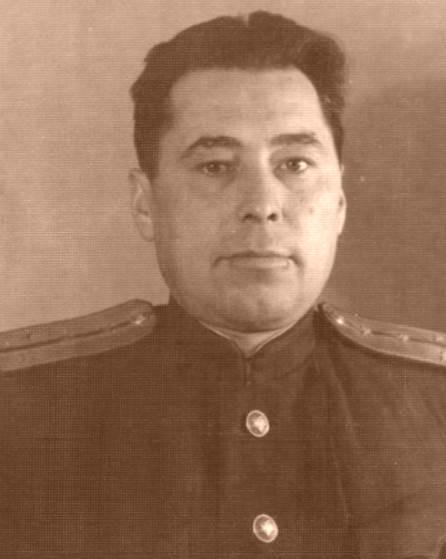

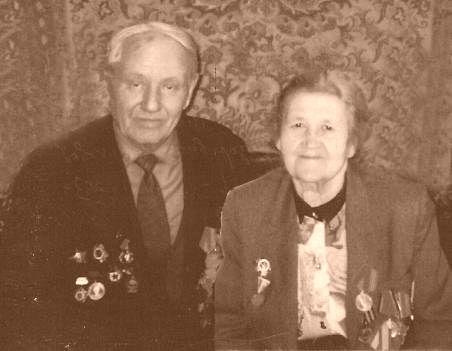


Kanaev Vladimir Ivanovich
Kanaev Vladimir Ivanovich Volunteer. In the ranks of the Red army since 16 years. Radioman. Knight of the order of the red Star and of the Patriotic War of the II degree. He awarded the medals "For military merit", "For victory over Germany" "For victory over Japan", "For the capture of Budapest", "For capture of Vienna", "For liberation of Prague", the Mongolian medal "For the victory over Japan". (07.12.1924 Alatyr – 17.12.1985 Leningrad.) Vladimir Ivanovich Kanaev was born on December 7, 1924 in Alatyr. On July 14, 1941, when he was a sixteen-year-old teenager, he joined the red army as a volunteer. Due to his age, hi was sent to Kuibyshev military school of communications (Serdobsk) by the district military Commissariat of Inza (Ulyanovsk region). On September 15, 1941, he took the Military oath. In November 1941, due to the difficult situation at the front, he was recalled to the 262nd rifle division (later Demidov – Khingan red banner division named after the order of Suvorov) as the commander of Communications Department and sent to the front. In November-December 1941, the division took an active part in the defeat of Nazis near Moscow, liberation of Kalinin, and had heavy, bloody battles near Rzhev and Bely. In February-June 1942, as a part of the division's units, he broke thtough encirclement three times. In the last two cases he returned to the front line voluntarily to help the soldiers, to take out weapons and documents. From January to October 1943, V. I. Kanaev was a cadet at Smolensk artillery school (Irbit). In November, with the rank of second Lieutenant, he was appointed to the position of the Chief of communications of the 2nd division of 1426th light artillery regiment of 49th light artillery brigade of the 16th artillery division of the breakthrough (later – Kirovograd red banner, named after the order of Suvorov of the II degree). Devision of the Reserve of the Main Command of the 53rd army (2nd Ukrainian front). In August 1944 the regiment became the part of 202nd separate light artillery brigade (later Budapest red banner brigade, named after the order of Bogdan Khmelnitsky) of the 6th tank army (2nd, 3rd Ukrainian fronts). As a part of the regiment, he participated in Iasi-Kishinev operation (August 1944), the campaign for Bucharest, and Debrecen operation (October 1944, where he received his first order of the red Star). According to his commendation list, in the battles for the liberation of Hungary, Vladimir Kanaev successfully corrected the fire of our artillery: "on 20.03.45 he corrected the division's fire and as a result... up to 80 Germans were scattered and partially destroyed, 3 machine-gun points were suppressed… In the period from 22 to 26 March 1945, Kanaev personally found two 75 m /m artillery batteries, 8 machine-gun points, which were destroyed by the division's fire. On 27. 03.45 advancing in the battle formations of the 6th motor brigade, Kanaev was correcting the division's fire and cleared the way for our infantry and tanks up, suppressing one mortar battery, 3 machine-gun points, and one enemy PPO gun. Up to 70 Hitlerites were dispersed and destroyed. " V. I. Kanaev participated in the capture of Budapest and Vienna, and in the liberation of Prague. He finished the war in September 1945 as a senior Lieutenant in the position of platoon commander of 1426 PAWS in Mukden (now Shenyang, China), participated in the Hingano-Mukden offensive operation (August-September 1945), which led to the defeat of Japanese Kwantung army in Western Manchuria. Awarded the order "Patriotic War of the II degree and the"oder of the Red Star", the medals "For military merit", "For victory over Germany", "For victory over Japan", "For the capture of Budapest", "For capture of Vienna", "For liberation of Prague", the Mongolian medal "For victory over Japan". In 1960 he graduated from the Military artillery Academy of Lenin order named after M. I. Kalinin (Leningrad). Awarded the order of “the red Star” and "for service to the Motherland in the armed Forces of the USSR of the III degree and many medals. He continued to serve in the Soviet Army until 1982. Retired with the rank of Colonel. He was buried at Kovalevsky cemetery (Saint Petersburg).
Kanaev Vladimir Ivanovich
Kanaev Vladimir Ivanovich Volunteer. In the ranks of the Red army since 16 years. Radioman. Knight of the order of the red Star and of the Patriotic War of the II degree. He awarded the medals "For military merit", "For victory over Germany" "For victory over Japan", "For the capture of Budapest", "For capture of Vienna", "For liberation of Prague", the Mongolian medal "For the victory over Japan". (07.12.1924 Alatyr – 17.12.1985 Leningrad.) Vladimir Ivanovich Kanaev was born on December 7, 1924 in Alatyr. On July 14, 1941, when he was a sixteen-year-old teenager, he joined the red army as a volunteer. Due to his age, hi was sent to Kuibyshev military school of communications (Serdobsk) by the district military Commissariat of Inza (Ulyanovsk region). On September 15, 1941, he took the Military oath. In November 1941, due to the difficult situation at the front, he was recalled to the 262nd rifle division (later Demidov – Khingan red banner division named after the order of Suvorov) as the commander of Communications Department and sent to the front. In November-December 1941, the division took an active part in the defeat of Nazis near Moscow, liberation of Kalinin, and had heavy, bloody battles near Rzhev and Bely. In February-June 1942, as a part of the division's units, he broke thtough encirclement three times. In the last two cases he returned to the front line voluntarily to help the soldiers, to take out weapons and documents. From January to October 1943, V. I. Kanaev was a cadet at Smolensk artillery school (Irbit). In November, with the rank of second Lieutenant, he was appointed to the position of the Chief of communications of the 2nd division of 1426th light artillery regiment of 49th light artillery brigade of the 16th artillery division of the breakthrough (later – Kirovograd red banner, named after the order of Suvorov of the II degree). Devision of the Reserve of the Main Command of the 53rd army (2nd Ukrainian front). In August 1944 the regiment became the part of 202nd separate light artillery brigade (later Budapest red banner brigade, named after the order of Bogdan Khmelnitsky) of the 6th tank army (2nd, 3rd Ukrainian fronts). As a part of the regiment, he participated in Iasi-Kishinev operation (August 1944), the campaign for Bucharest, and Debrecen operation (October 1944, where he received his first order of the red Star). According to his commendation list, in the battles for the liberation of Hungary, Vladimir Kanaev successfully corrected the fire of our artillery: "on 20.03.45 he corrected the division's fire and as a result... up to 80 Germans were scattered and partially destroyed, 3 machine-gun points were suppressed… In the period from 22 to 26 March 1945, Kanaev personally found two 75 m /m artillery batteries, 8 machine-gun points, which were destroyed by the division's fire. On 27. 03.45 advancing in the battle formations of the 6th motor brigade, Kanaev was correcting the division's fire and cleared the way for our infantry and tanks up, suppressing one mortar battery, 3 machine-gun points, and one enemy PPO gun. Up to 70 Hitlerites were dispersed and destroyed. " V. I. Kanaev participated in the capture of Budapest and Vienna, and in the liberation of Prague. He finished the war in September 1945 as a senior Lieutenant in the position of platoon commander of 1426 PAWS in Mukden (now Shenyang, China), participated in the Hingano-Mukden offensive operation (August-September 1945), which led to the defeat of Japanese Kwantung army in Western Manchuria. Awarded the order "Patriotic War of the II degree and the"oder of the Red Star", the medals "For military merit", "For victory over Germany", "For victory over Japan", "For the capture of Budapest", "For capture of Vienna", "For liberation of Prague", the Mongolian medal "For victory over Japan". In 1960 he graduated from the Military artillery Academy of Lenin order named after M. I. Kalinin (Leningrad). Awarded the order of “the red Star” and "for service to the Motherland in the armed Forces of the USSR of the III degree and many medals. He continued to serve in the Soviet Army until 1982. Retired with the rank of Colonel. He was buried at Kovalevsky cemetery (Saint Petersburg).
0 comment



2026 © Russian Military Historical Society Developed by Jetmix