



Clementiev Stepan Kuzmich
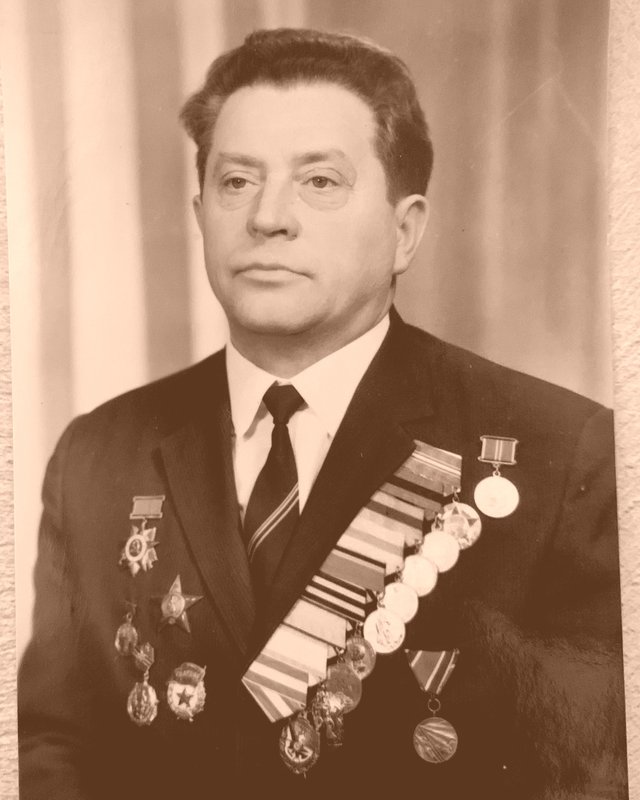
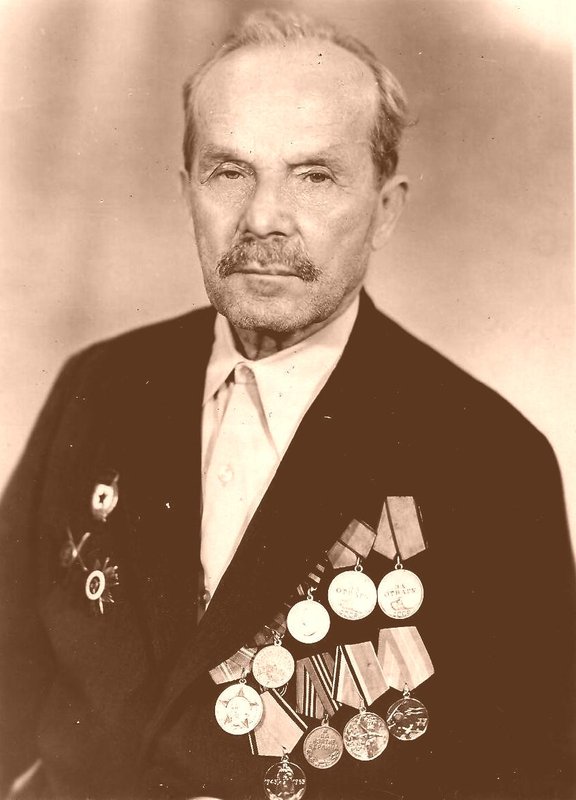
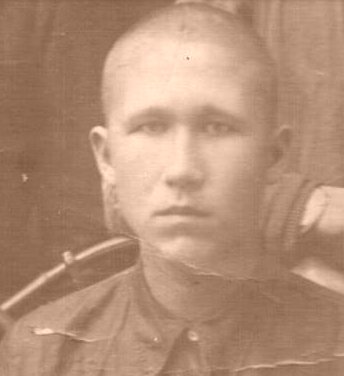
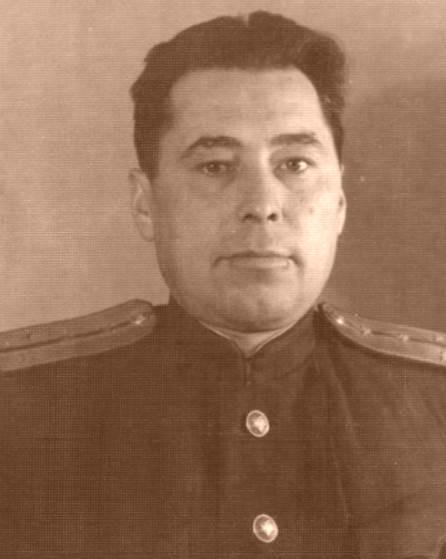
Stepan Kuzmich Klementiev was born on April 10, 1906 and in April 1942, at the age of 36, he was called up. Before getting to the front line, he working as a mechanic at Yegorov factory (Leningrad, International Avenue, Yegorov plant, shop No. 6, shop No. 2), where tanks were assembled. In his letters, he wrote: "I send you as a friend of life and a father a warm greeting from the big city of Leningrad. I work temporarily on engine repairs. Don't worry about me, because I'm still living well, the work is easy, in the gut, just a little dirty, but this is nonsense. We work from 8am to 7pm with a lunch break of 1 hour. Food is provided with dry rations, there is no dining room for us. Bread 800 gr., cereals 250 gr., flour 35 gr., meat 150 gr., butter 43 gr., sugar 35 gr., tobacco 10 gr. You can live, although it’s not enough. There's nowhere else to get bread. No money, and it is very expensive: at the market a kilogram of bread costs 450-500 rubles. There is nothing to buy in the stores, and, however, there is nothing to buy, money in your pocket only for the tram, you do not have to wait for pay. As for the apartment and the bathhouse, it couldn't be better. Bathhouse is just a stone's throw away, wash yourself at least every day. We live in a nice room, sleep on mattresses, even have pillows. I live well so far, I have a little free time, but there is no place to use it: they rarely give me a business trip around the city, but you can only go to the hostel and the factory. Leningrad is shelled with artillery every day, but there are no particularly dangerous places, because it is large. 20.7.1942. Our units drove out Germans and liberated 2 small towns. There is ongoing progress. There is nothing good in the city except whirring and bursting of shells, and this is the worst. Every day under fire, you can see that you have profited from this world. In the town everything goes on as before, with the exception of the evacuation of civilians. I’m living good so far, only my hair has turned gray. If you manage to meet, you will hardly recognize me. There is nothing more to write, and nothing else can be written. My dream is to return in the near future. Maybe I'll survive? It should be an end to this war!» And the last letter from 15.08.1942. "I have been at the old address for the last few days, and then I am driving a combat vehicle to the front line. And now again to draw clay not with your hands, but with your sides. So there is no hope that I will survive. But what can you do, I'm not the first, I'm not the last. I give you and your family a big hug, a big kiss, and a big handshake." He had a premonition of his own death. On September 18, 1942 he burned down in a tank, which was repaired by him. From reports of irretrievable losses, we learned that he was buried in Staro-Panovo, south of 2500 m, Krasnoselsky district of Leningrad region.
Clementiev Stepan Kuzmich
Stepan Kuzmich Klementiev was born on April 10, 1906 and in April 1942, at the age of 36, he was called up. Before getting to the front line, he working as a mechanic at Yegorov factory (Leningrad, International Avenue, Yegorov plant, shop No. 6, shop No. 2), where tanks were assembled. In his letters, he wrote: "I send you as a friend of life and a father a warm greeting from the big city of Leningrad. I work temporarily on engine repairs. Don't worry about me, because I'm still living well, the work is easy, in the gut, just a little dirty, but this is nonsense. We work from 8am to 7pm with a lunch break of 1 hour. Food is provided with dry rations, there is no dining room for us. Bread 800 gr., cereals 250 gr., flour 35 gr., meat 150 gr., butter 43 gr., sugar 35 gr., tobacco 10 gr. You can live, although it’s not enough. There's nowhere else to get bread. No money, and it is very expensive: at the market a kilogram of bread costs 450-500 rubles. There is nothing to buy in the stores, and, however, there is nothing to buy, money in your pocket only for the tram, you do not have to wait for pay. As for the apartment and the bathhouse, it couldn't be better. Bathhouse is just a stone's throw away, wash yourself at least every day. We live in a nice room, sleep on mattresses, even have pillows. I live well so far, I have a little free time, but there is no place to use it: they rarely give me a business trip around the city, but you can only go to the hostel and the factory. Leningrad is shelled with artillery every day, but there are no particularly dangerous places, because it is large. 20.7.1942. Our units drove out Germans and liberated 2 small towns. There is ongoing progress. There is nothing good in the city except whirring and bursting of shells, and this is the worst. Every day under fire, you can see that you have profited from this world. In the town everything goes on as before, with the exception of the evacuation of civilians. I’m living good so far, only my hair has turned gray. If you manage to meet, you will hardly recognize me. There is nothing more to write, and nothing else can be written. My dream is to return in the near future. Maybe I'll survive? It should be an end to this war!» And the last letter from 15.08.1942. "I have been at the old address for the last few days, and then I am driving a combat vehicle to the front line. And now again to draw clay not with your hands, but with your sides. So there is no hope that I will survive. But what can you do, I'm not the first, I'm not the last. I give you and your family a big hug, a big kiss, and a big handshake." He had a premonition of his own death. On September 18, 1942 he burned down in a tank, which was repaired by him. From reports of irretrievable losses, we learned that he was buried in Staro-Panovo, south of 2500 m, Krasnoselsky district of Leningrad region.
0 comment




2026 © Russian Military Historical Society Developed by Jetmix