


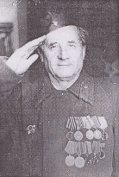


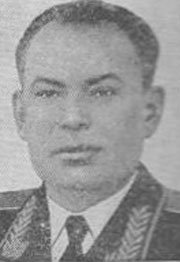

Serebryakov Nikolai Gennadievich
Serebryakov Nikolai Gennadievich
Type of troops: coastal defense and air defense Artillery, coastal units, Aviation of the Red Army and Marine Forces of the NKVD border troops. Born in 1897 near Kostroma. In 1915, he was drafted into the Russian Imperial Army. He supported the October revolution and in February of 1918 was enlisted in the Red Army. In 1919 he volunteered for the 1st partisan detachment of the 1st Ukrainian Insurgent Regiment named after Hetman Ivan Bogun, fighting first with German interventionists, and then with the White Army. Under the command of another Bogun-commander of the 4th Air Defense division N. A. Bogun he was to serve at the beginning of the Great Patriotic war. Since 1925 he was a member of the Communist party. In 1925-1927 he attended the Kiev Higher Combined school of commanders of the Red Army named after S. S. Kamenev (later-the Kiev Higher Combined Arms Command twice Red Sanner school named after M. V. Frunze). After completing the course he was appointed a platoon commander of the light artillery regiment of the 1st Caucasian Rifle Division in Kutaisi. In the following years he served in various positions in the artillery and air defense. In 1938 Captain Serebryakov was awarded the medal "XX years of the Workers' and Peasants' Red Army" - the first medal established in the USSR. He met the war at the age of 44 with the rank of Major. He participated in the defense of Moscow in December 1941 and was promoted to Lieutenant Colonel. In 1942 he was the chief of artillery of the 4th Air Defense Division on the Stalingrad front. He was appointed commander of all ground-based air defense systems in the city of Kalach-on-Don in the outskirts of Stalingrad. In total, during the period from March 31 to August 8, 1942, units of the 4th division shot down 68 and hit 17 enemy aircrafts in battles. He served under the commander of the Soviet Air Defense Forces Mikhail Stepanovich Gromadin, with whom he studied at the Kiev Higher School of Commanders. In December 1943, Lieutenant Colonel Serebryakov was appointed commander of the 1569th anti-aircraft artillery regiment of the 84th Division, and was wounded in 1944. Six-month air defense courses for recruits of the 1569th regiment were organized in Astrakhan. The regiment was a part of the active Army until July 31, 1944, and then was stationed in the forests of Belarus. By the decree of the Presidium of the Supreme Soviet of the USSR of May 1, 1944 Nikolai G. Serebryakov was awarded the medal "For defense of Caucasus", by the decree of 9 may 1945 - the medal "For the victory over Germany in the Great Patriotic War of 1941-1945". For military distinction and impeccable service in the Soviet Army awarded the Order of Lenin and Order of the Red Banner. After the war, he headed the Air Defense Range in Vladimir region. In 1949 he moved to the Urals and worked at the Chelyabinsk Polytechnic Institute. He died in 1958 and was buried in Chelyabinsk.
Serebryakov Nikolai Gennadievich
Serebryakov Nikolai Gennadievich
Type of troops: coastal defense and air defense Artillery, coastal units, Aviation of the Red Army and Marine Forces of the NKVD border troops. Born in 1897 near Kostroma. In 1915, he was drafted into the Russian Imperial Army. He supported the October revolution and in February of 1918 was enlisted in the Red Army. In 1919 he volunteered for the 1st partisan detachment of the 1st Ukrainian Insurgent Regiment named after Hetman Ivan Bogun, fighting first with German interventionists, and then with the White Army. Under the command of another Bogun-commander of the 4th Air Defense division N. A. Bogun he was to serve at the beginning of the Great Patriotic war. Since 1925 he was a member of the Communist party. In 1925-1927 he attended the Kiev Higher Combined school of commanders of the Red Army named after S. S. Kamenev (later-the Kiev Higher Combined Arms Command twice Red Sanner school named after M. V. Frunze). After completing the course he was appointed a platoon commander of the light artillery regiment of the 1st Caucasian Rifle Division in Kutaisi. In the following years he served in various positions in the artillery and air defense. In 1938 Captain Serebryakov was awarded the medal "XX years of the Workers' and Peasants' Red Army" - the first medal established in the USSR. He met the war at the age of 44 with the rank of Major. He participated in the defense of Moscow in December 1941 and was promoted to Lieutenant Colonel. In 1942 he was the chief of artillery of the 4th Air Defense Division on the Stalingrad front. He was appointed commander of all ground-based air defense systems in the city of Kalach-on-Don in the outskirts of Stalingrad. In total, during the period from March 31 to August 8, 1942, units of the 4th division shot down 68 and hit 17 enemy aircrafts in battles. He served under the commander of the Soviet Air Defense Forces Mikhail Stepanovich Gromadin, with whom he studied at the Kiev Higher School of Commanders. In December 1943, Lieutenant Colonel Serebryakov was appointed commander of the 1569th anti-aircraft artillery regiment of the 84th Division, and was wounded in 1944. Six-month air defense courses for recruits of the 1569th regiment were organized in Astrakhan. The regiment was a part of the active Army until July 31, 1944, and then was stationed in the forests of Belarus. By the decree of the Presidium of the Supreme Soviet of the USSR of May 1, 1944 Nikolai G. Serebryakov was awarded the medal "For defense of Caucasus", by the decree of 9 may 1945 - the medal "For the victory over Germany in the Great Patriotic War of 1941-1945". For military distinction and impeccable service in the Soviet Army awarded the Order of Lenin and Order of the Red Banner. After the war, he headed the Air Defense Range in Vladimir region. In 1949 he moved to the Urals and worked at the Chelyabinsk Polytechnic Institute. He died in 1958 and was buried in Chelyabinsk.
0 comment




2026 © Russian Military Historical Society Developed by Jetmix