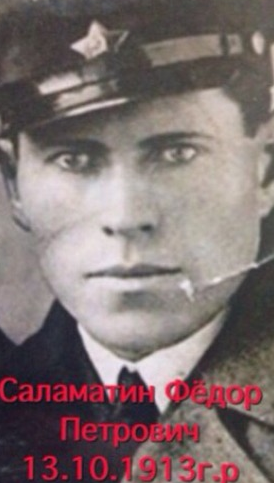
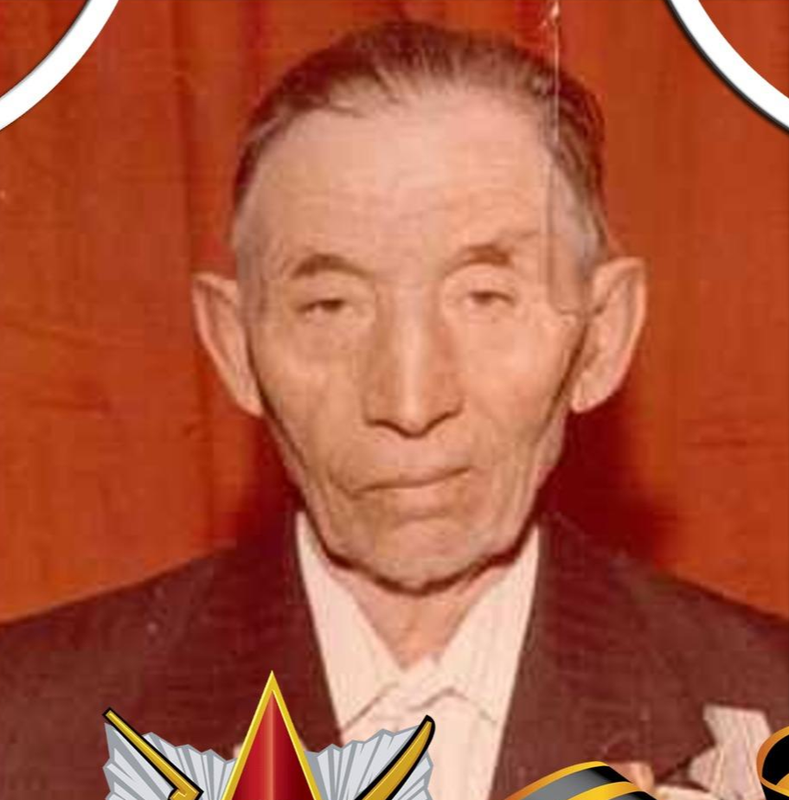
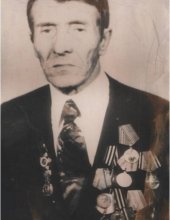
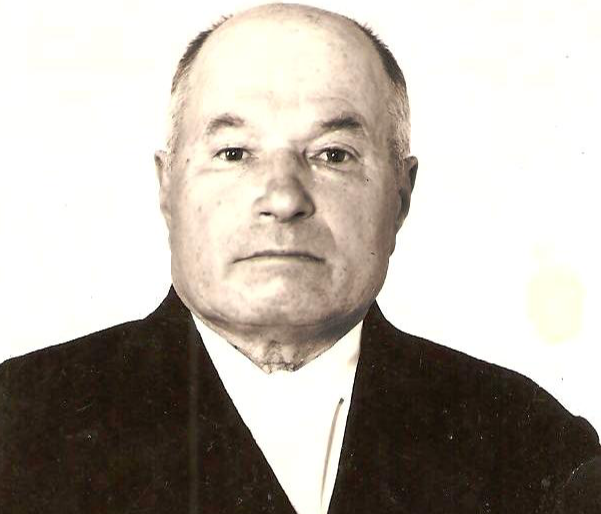


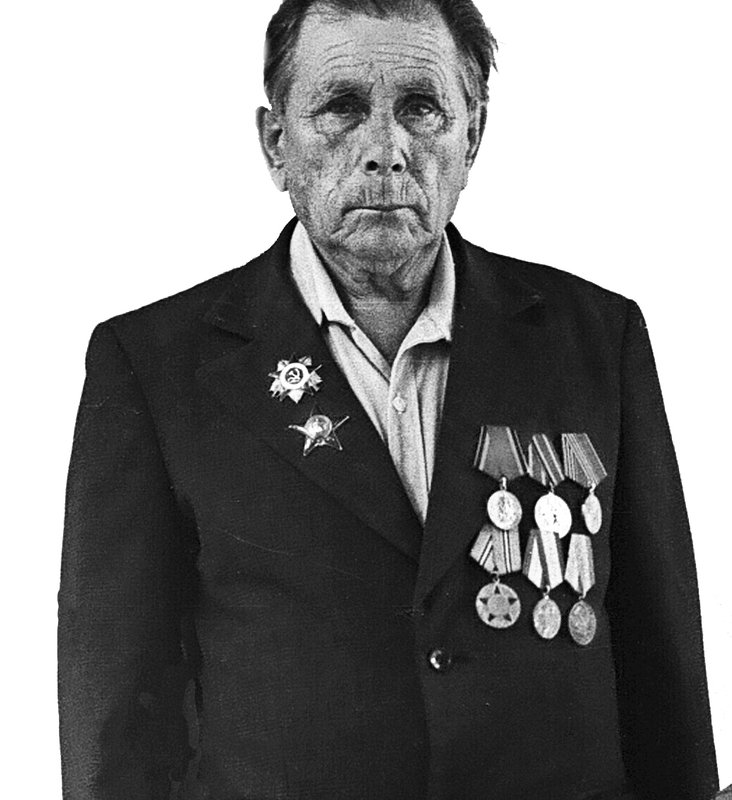
Titiukhin Fedor Vasilevich
Rank: Senior Sergeant
Branch of troops: Armored and mechanized troops
Before the war he was a driver in a "lorry" (Gas AA). He was drafted into the army in 1941 and, together with the car, got to the 3rd Ukrainian Front. Throughout the war he served the front line by car. He transported ammunition, food, various household goods and delivered the wounded to the rear.
Once he was carrying the wounded in the back of a "lorry" in a hilly area. Suddenly, a mortar shelling of the road began from one of the hills. Mine hit right in the back of the car. Exploded in the back, killing the wounded. The cabin collapsed, but Fyodor Vasilyevich survived. Shrapnel hurt his back. He was treated in a hospital, after which he was transferred to another car - an open passenger car "Willis", in which he drove the military leader (unfortunately, the name is unknown). The front was then located in Hungary.
On September 25, 1944, before the upcoming battle near the city of Szekesfehervar, he and the commander went to inspect the combat positions, but were unexpectedly blown up by a mine. The mine exploded right from the side of the commander, who died on the spot from shrapnel, and ricocheted to the left, shattering Fyodor Vasilyevich's fingers on his left foot. Since the injury occurred on the front line, it was impossible to provide him with proper assistance in time.
He was transported to Ukraine, to evacuation hospital No. 5807 in Dneprodzerzhinsk, where he ended up only on October 21, 1944. As a result, the wound festered and blood poisoning began.
At the hospital, the doctor said that the leg should be amputated up to the knee, otherwise Fyodor Vasilyevich would not live long. However, he categorically did not want to become a one-legged invalid and begged not to cut off his leg. The doctor replied that he could only cut off the foot, but that the wounded would live a maximum of several months to 5 years. Fyodor Vasilyevich agreed. The doctor cut off the foot, but the strength of character and the will to live won, and Fedor Vasilyevich lived not only more than 5 years, but only 3 days did not live to see his 90th birthday. However, all his life the wound reminded of itself: it hurt and "shot through", he had to make a special shoe and block and wear it all his life to compensate for the missing foot.
Upon returning from the front, he continued to work as a driver in the organization "Vodosvet" in the city of Prokhladny KBASSR and worked there until 1959, until a decree was issued banning the disabled from working in such professions. Then he moved to the machinists of the pumping station at the water intake, where he worked until retirement.
Titiukhin Fedor Vasilevich
Rank: Senior Sergeant
Branch of troops: Armored and mechanized troops
Before the war he was a driver in a "lorry" (Gas AA). He was drafted into the army in 1941 and, together with the car, got to the 3rd Ukrainian Front. Throughout the war he served the front line by car. He transported ammunition, food, various household goods and delivered the wounded to the rear.
Once he was carrying the wounded in the back of a "lorry" in a hilly area. Suddenly, a mortar shelling of the road began from one of the hills. Mine hit right in the back of the car. Exploded in the back, killing the wounded. The cabin collapsed, but Fyodor Vasilyevich survived. Shrapnel hurt his back. He was treated in a hospital, after which he was transferred to another car - an open passenger car "Willis", in which he drove the military leader (unfortunately, the name is unknown). The front was then located in Hungary.
On September 25, 1944, before the upcoming battle near the city of Szekesfehervar, he and the commander went to inspect the combat positions, but were unexpectedly blown up by a mine. The mine exploded right from the side of the commander, who died on the spot from shrapnel, and ricocheted to the left, shattering Fyodor Vasilyevich's fingers on his left foot. Since the injury occurred on the front line, it was impossible to provide him with proper assistance in time.
He was transported to Ukraine, to evacuation hospital No. 5807 in Dneprodzerzhinsk, where he ended up only on October 21, 1944. As a result, the wound festered and blood poisoning began.
At the hospital, the doctor said that the leg should be amputated up to the knee, otherwise Fyodor Vasilyevich would not live long. However, he categorically did not want to become a one-legged invalid and begged not to cut off his leg. The doctor replied that he could only cut off the foot, but that the wounded would live a maximum of several months to 5 years. Fyodor Vasilyevich agreed. The doctor cut off the foot, but the strength of character and the will to live won, and Fedor Vasilyevich lived not only more than 5 years, but only 3 days did not live to see his 90th birthday. However, all his life the wound reminded of itself: it hurt and "shot through", he had to make a special shoe and block and wear it all his life to compensate for the missing foot.
Upon returning from the front, he continued to work as a driver in the organization "Vodosvet" in the city of Prokhladny KBASSR and worked there until 1959, until a decree was issued banning the disabled from working in such professions. Then he moved to the machinists of the pumping station at the water intake, where he worked until retirement.
0 comment




2026 © Russian Military Historical Society Developed by Jetmix