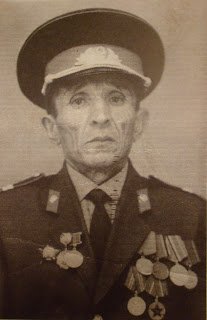
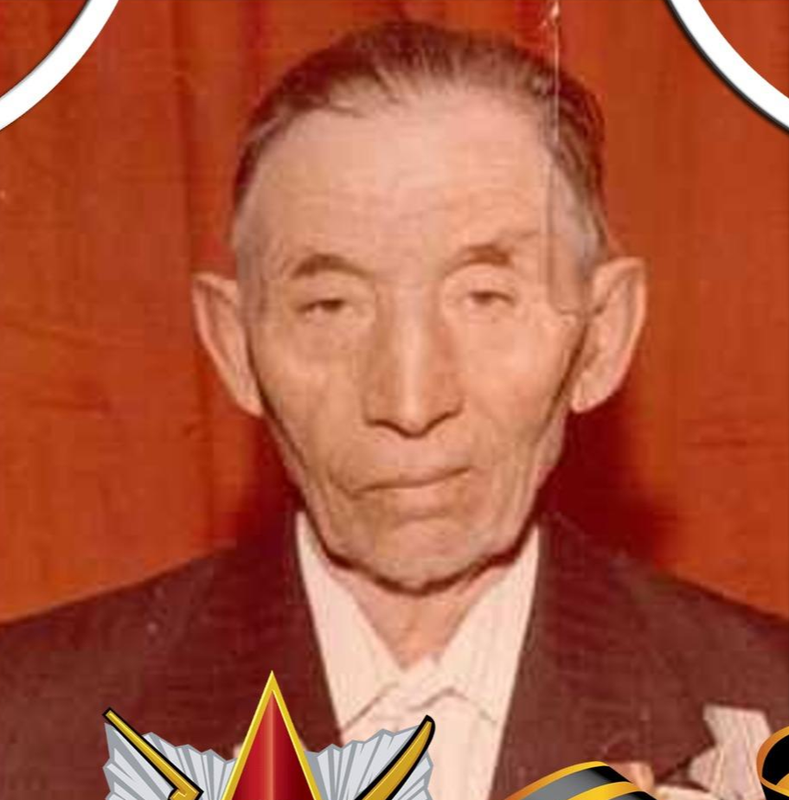
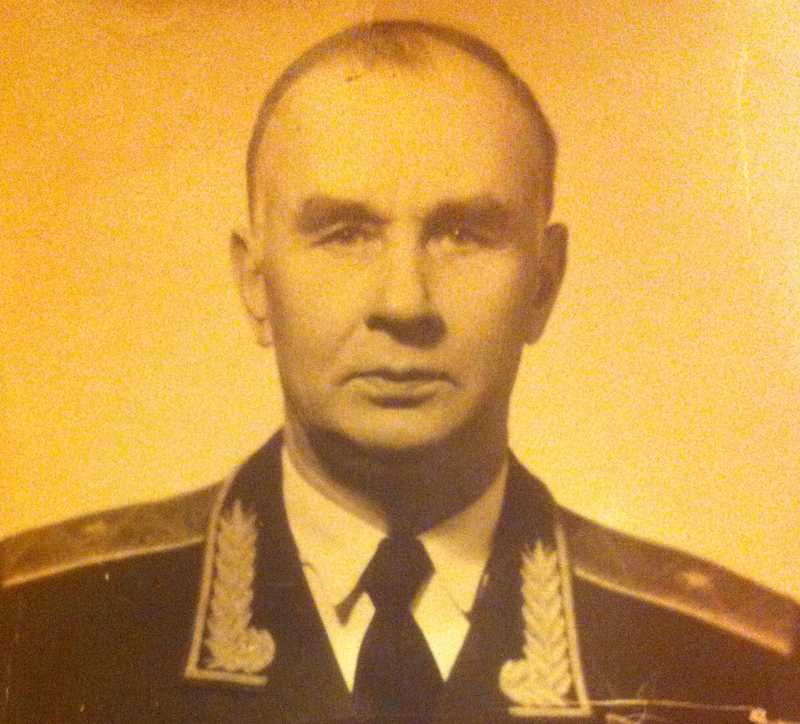
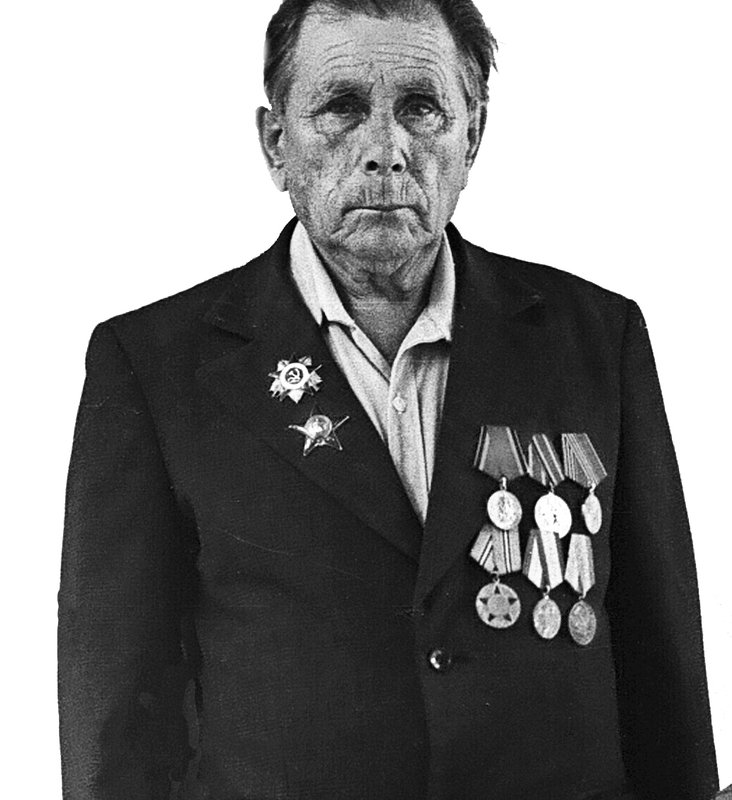
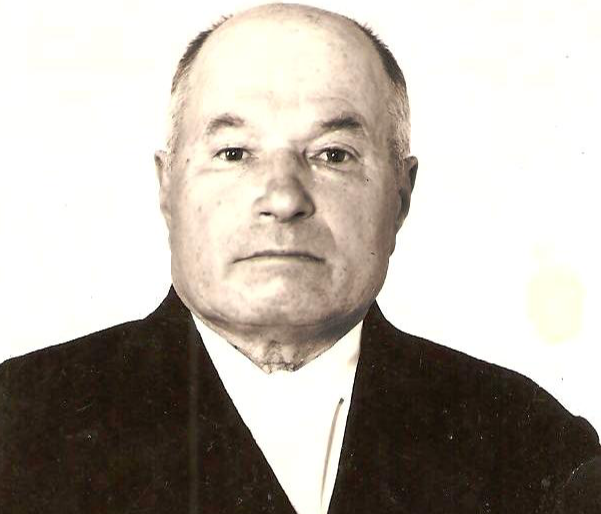

Sadov Aleksandr Anatolevich
Rank: Sergeant
Branch of troops: Artillery
He was born on September 28, 1924 in the village of Pesterevo. But soon, the family moved to the village of Lozhkino, where his grandfather, Anton Denisovich, lived. In Lozhkino, Alexander graduated from a 4-year elementary School, it was possible to continue his studies in the village of Shchuchye, and then he was went to the city of Chelyabinsk for worker’s vocational education. Six months later, he was awarded the qualification of a bricklayer and was sent to work at ChTZ (Chelyabinsk Tractor Factory). There was nowhere to live at the factory, and he returned to the village of Lozhkino again. In the kolkhoz he had been cutting down trees in Ikovka until 1942, while there was more than a year of war in this country.
On August 16, 1942, Alexander Anatolyevich was drafted into the Red Army. The recruits were brought to the so-called "Red Barracks" outside the city of Chelyabinsk, where they passed the course of a young soldier, lived in reed huts.
Then in the town of Irbit, Sverdlovsk region, he was awarded the rank of Junior Sergeant. From Irbit he was sent to Moscow in 1943, then transferred to the territory of Ukraine, where on March 15 he participated in the first combat. Sergeant Sadov went through the war in infantry as a machine gunner and the commander of a machine-gun company. He took part in the battles for the liberation of Ukraine. He fought in Bulgaria, Romania, Hungary. Near Budapest he received a shrapnel wound. Not all of the fragments were taken out in the medical unit, one fwas left in his body for more than fifty years, until it came out by itself.
He remembered for the rest of his life the liberation of Prague. Here Sergeant Sadov Alexander Anatolyevich finished his military career. There he celebrated Victory Day on May 9, 1945. He was given a month's leave to go home, but he was not demobilized. After the vacation, there were Moldova, Western Ukraine, where they had to fight against Ukrainian nationalists.
In Ukraine the WWII finally ended for Sadov in 1947. He spent only three days at home in the village of Lozhkino after demobilization. A. Sadov got a job at the Kislyansk Machina & Tractor Station on the Kommunar combine. After training at the Shmakovsky School for training machine operators, he was sent to work in the village of Kolupaevka, Malobelovsky village council. Here he got married in 1950. He worked on tractors, combines, was a foreman.
In 1975, the family moved to live in the village of Yurgamysh, where he got a job at Agricultural machinery. Alexander Sadov worked as a freight forwarder, crane operator until retirement, his wife worked at a livestock service station. Together they raised four children. For military merits Sergeant Sadov was awarded the Order of Glory III degree, the Order of Victory, Zhukov Medal, (many military awards have not been kept). On the labor front he was awarded the jubilee medal “In honor of the 100th anniversary of the birth of V.I. Lenin ", the medal" Veteran of Labor ".
Sadov Aleksandr Anatolevich
Rank: Sergeant
Branch of troops: Artillery
He was born on September 28, 1924 in the village of Pesterevo. But soon, the family moved to the village of Lozhkino, where his grandfather, Anton Denisovich, lived. In Lozhkino, Alexander graduated from a 4-year elementary School, it was possible to continue his studies in the village of Shchuchye, and then he was went to the city of Chelyabinsk for worker’s vocational education. Six months later, he was awarded the qualification of a bricklayer and was sent to work at ChTZ (Chelyabinsk Tractor Factory). There was nowhere to live at the factory, and he returned to the village of Lozhkino again. In the kolkhoz he had been cutting down trees in Ikovka until 1942, while there was more than a year of war in this country.
On August 16, 1942, Alexander Anatolyevich was drafted into the Red Army. The recruits were brought to the so-called "Red Barracks" outside the city of Chelyabinsk, where they passed the course of a young soldier, lived in reed huts.
Then in the town of Irbit, Sverdlovsk region, he was awarded the rank of Junior Sergeant. From Irbit he was sent to Moscow in 1943, then transferred to the territory of Ukraine, where on March 15 he participated in the first combat. Sergeant Sadov went through the war in infantry as a machine gunner and the commander of a machine-gun company. He took part in the battles for the liberation of Ukraine. He fought in Bulgaria, Romania, Hungary. Near Budapest he received a shrapnel wound. Not all of the fragments were taken out in the medical unit, one fwas left in his body for more than fifty years, until it came out by itself.
He remembered for the rest of his life the liberation of Prague. Here Sergeant Sadov Alexander Anatolyevich finished his military career. There he celebrated Victory Day on May 9, 1945. He was given a month's leave to go home, but he was not demobilized. After the vacation, there were Moldova, Western Ukraine, where they had to fight against Ukrainian nationalists.
In Ukraine the WWII finally ended for Sadov in 1947. He spent only three days at home in the village of Lozhkino after demobilization. A. Sadov got a job at the Kislyansk Machina & Tractor Station on the Kommunar combine. After training at the Shmakovsky School for training machine operators, he was sent to work in the village of Kolupaevka, Malobelovsky village council. Here he got married in 1950. He worked on tractors, combines, was a foreman.
In 1975, the family moved to live in the village of Yurgamysh, where he got a job at Agricultural machinery. Alexander Sadov worked as a freight forwarder, crane operator until retirement, his wife worked at a livestock service station. Together they raised four children. For military merits Sergeant Sadov was awarded the Order of Glory III degree, the Order of Victory, Zhukov Medal, (many military awards have not been kept). On the labor front he was awarded the jubilee medal “In honor of the 100th anniversary of the birth of V.I. Lenin ", the medal" Veteran of Labor ".
0 comment




2026 © Russian Military Historical Society Developed by Jetmix