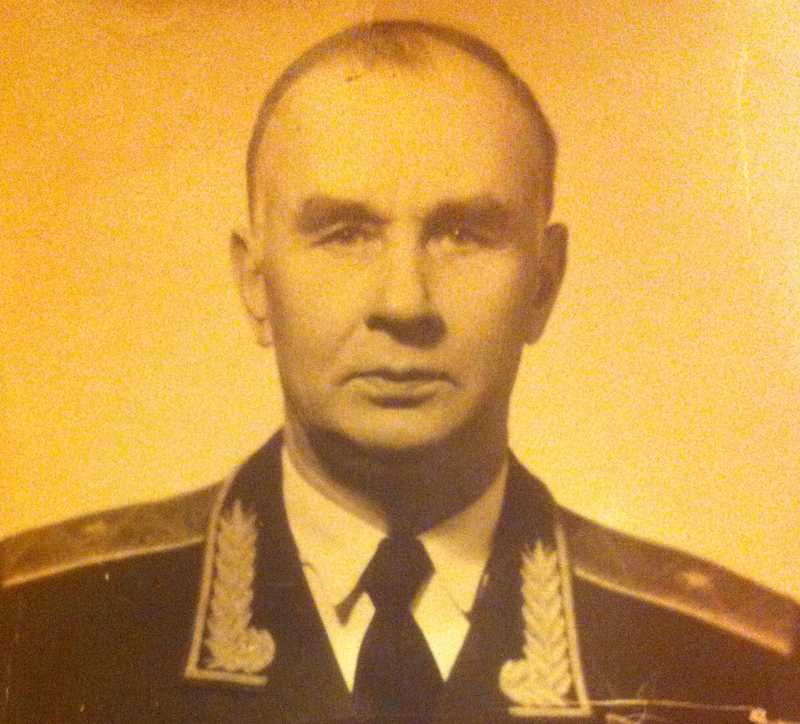
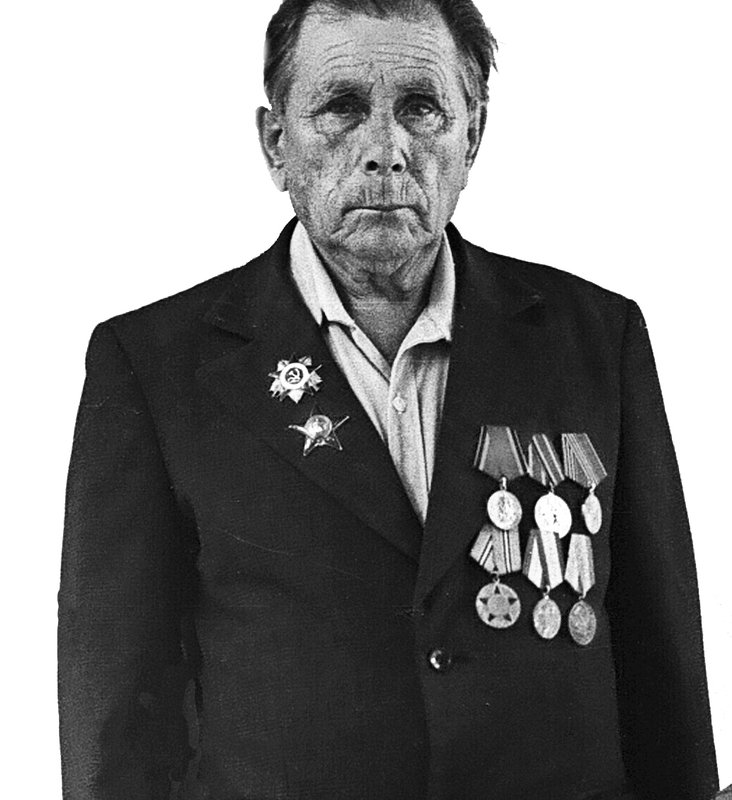
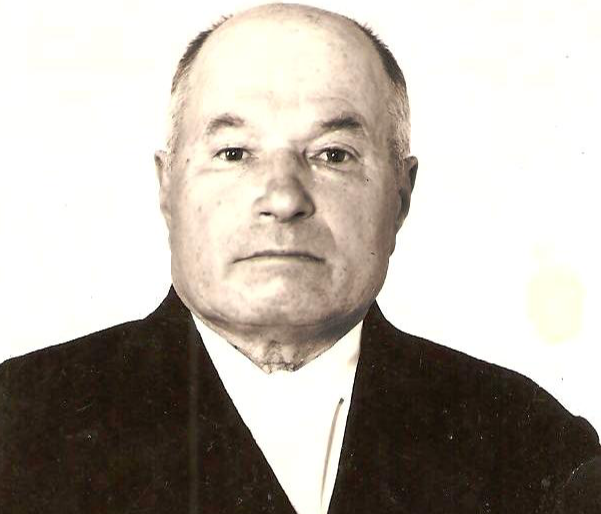


Tolstykh Porfirii Ivanovich
Tolstykh Porfiry Ivanovich at the age of 17 went to his elder sister Stepanida in Turinsk. A year later he was drafted into the army. Returning home, he worked on timber rafting, here his health deteriorated greatly, he could not walk. But thanks to his strong character, he got to his feet. In 1942, in the front of the Turin Military Commissariat, he graduated from a driving course and in 1943 he volunteered for the front.
His military awards are kept: the Order of the Patriotic War, two medals "For Military Merit" and a medal "For Victory over Germany in the Great Patriotic War." Together with them lies a letter from the Supreme Commander-in-Chief Comrade Stalin and four thanks of the Supreme Commander-in-Chief Marshal of the Soviet Union Comrade Stalin for excellent military operations. Among them is an old shabby diary. Porfiry Ivanovich made some notes regarding the path of his Guards Ural Volunteer Tank Corps.
Here are the lines from this diary: “This corps had passed a hard way. It was in the midst of the Great Patriotic War, the beginning of 1943. The workers of the Urals put forward the idea of establishing a volunteer tank corps. The Sverdlovsk, Chelyabinsk and Perm regional committees submitted this proposal to the Central Committee of the CPSU. 100,000 applications were submitted. On March 11, 1943, the name was given: 30th Ural Volunteer Tank Corps. On April 10, the corps was formed. On May 1, 1943, we took the military oath. On July 18 we launched an offensive. On July 24, 1943, they began their combat path in the area of the city of Kozelsk. This is how our first journey began. The Urals fought bravely.
In January 1944, the Ural Corps was deployed south to the 1st Ukrainian Front. The Urals began to attack. The enemy began to retreat in panic. This happened with the enemy division of the Soviet Union SS-Totenkopfverbände (Death's Head). Our tankers crushed the best Führer division near Khvorostkov with their tanks' tracks. It was especially hard to take Kamensk-Podolsk. There was an enemy garrison of five thousand men. All night 24-25 and in the afternoon of March 25 there was a struggle for the Turkish Fortress. On the morning of March 26, the city was taken.
Then they went to liberate Poland. The enemy threw 60 tanks, 50 armored personnel carriers, 15 self-propelled guns, divisions, artillery. 12 counterattacks had to be recaptured by the Sverdlovsk brigade. The Ural corps was breaking through to the Oder. The Polish population came out to meet the glorious tankers. Experienced tankers took the city of Burzein in half an hour. The battle for the Oder was inscribed in the history of glorious deeds. After a short break, the corps went to the city of Lubin. This city was in the ring of our tanks. On April 2, 1945, the Urals withdrew from the fighting, and on April 11 they were in a new front to Berlin. In the battles for Berlin, the Ural Corps destroyed: 18,209 enemy soldiers and officers, captured 18,134 people, destroyed 16 aircraft, 33 medium tanks, 10 Tiger tanks and many other equipment. ”
I would like to add lines from the letter Comrade Stalin, Supreme Commander-in-Chief of the Soviet Union:
“For successful hostilities, as part of a formation, in breaking through the German defense on the western bank of the Narew River, north of Warsaw, and during the liberation of the cities of Pshasnysh (Prasnysh), Bytuv (Byutov), Gdansk (Danzig), at the capture of the cities of Marienburg, Chojnice (Konitz), Stralsund, Grimmen, Demin, Malkhin, Waren, Wesenberg, Barth, Bad Doberan, Neubuko, Warin, Wittenberg, Anklam, Friedland, Neubrandenburg, Lichen, Greifswald, Treptz and Greifeswald, Treptz, Neustrelle you, Tolstykh Porfiry Ivanovich, have been awarded ten commendations from the Supreme Commander-in-Chief Comrade Stalin. "
Tolstykh Porfirii Ivanovich
Tolstykh Porfiry Ivanovich at the age of 17 went to his elder sister Stepanida in Turinsk. A year later he was drafted into the army. Returning home, he worked on timber rafting, here his health deteriorated greatly, he could not walk. But thanks to his strong character, he got to his feet. In 1942, in the front of the Turin Military Commissariat, he graduated from a driving course and in 1943 he volunteered for the front.
His military awards are kept: the Order of the Patriotic War, two medals "For Military Merit" and a medal "For Victory over Germany in the Great Patriotic War." Together with them lies a letter from the Supreme Commander-in-Chief Comrade Stalin and four thanks of the Supreme Commander-in-Chief Marshal of the Soviet Union Comrade Stalin for excellent military operations. Among them is an old shabby diary. Porfiry Ivanovich made some notes regarding the path of his Guards Ural Volunteer Tank Corps.
Here are the lines from this diary: “This corps had passed a hard way. It was in the midst of the Great Patriotic War, the beginning of 1943. The workers of the Urals put forward the idea of establishing a volunteer tank corps. The Sverdlovsk, Chelyabinsk and Perm regional committees submitted this proposal to the Central Committee of the CPSU. 100,000 applications were submitted. On March 11, 1943, the name was given: 30th Ural Volunteer Tank Corps. On April 10, the corps was formed. On May 1, 1943, we took the military oath. On July 18 we launched an offensive. On July 24, 1943, they began their combat path in the area of the city of Kozelsk. This is how our first journey began. The Urals fought bravely.
In January 1944, the Ural Corps was deployed south to the 1st Ukrainian Front. The Urals began to attack. The enemy began to retreat in panic. This happened with the enemy division of the Soviet Union SS-Totenkopfverbände (Death's Head). Our tankers crushed the best Führer division near Khvorostkov with their tanks' tracks. It was especially hard to take Kamensk-Podolsk. There was an enemy garrison of five thousand men. All night 24-25 and in the afternoon of March 25 there was a struggle for the Turkish Fortress. On the morning of March 26, the city was taken.
Then they went to liberate Poland. The enemy threw 60 tanks, 50 armored personnel carriers, 15 self-propelled guns, divisions, artillery. 12 counterattacks had to be recaptured by the Sverdlovsk brigade. The Ural corps was breaking through to the Oder. The Polish population came out to meet the glorious tankers. Experienced tankers took the city of Burzein in half an hour. The battle for the Oder was inscribed in the history of glorious deeds. After a short break, the corps went to the city of Lubin. This city was in the ring of our tanks. On April 2, 1945, the Urals withdrew from the fighting, and on April 11 they were in a new front to Berlin. In the battles for Berlin, the Ural Corps destroyed: 18,209 enemy soldiers and officers, captured 18,134 people, destroyed 16 aircraft, 33 medium tanks, 10 Tiger tanks and many other equipment. ”
I would like to add lines from the letter Comrade Stalin, Supreme Commander-in-Chief of the Soviet Union:
“For successful hostilities, as part of a formation, in breaking through the German defense on the western bank of the Narew River, north of Warsaw, and during the liberation of the cities of Pshasnysh (Prasnysh), Bytuv (Byutov), Gdansk (Danzig), at the capture of the cities of Marienburg, Chojnice (Konitz), Stralsund, Grimmen, Demin, Malkhin, Waren, Wesenberg, Barth, Bad Doberan, Neubuko, Warin, Wittenberg, Anklam, Friedland, Neubrandenburg, Lichen, Greifswald, Treptz and Greifeswald, Treptz, Neustrelle you, Tolstykh Porfiry Ivanovich, have been awarded ten commendations from the Supreme Commander-in-Chief Comrade Stalin. "
0 comment



2026 © Russian Military Historical Society Developed by Jetmix