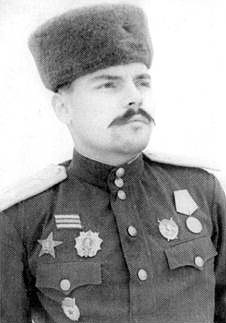
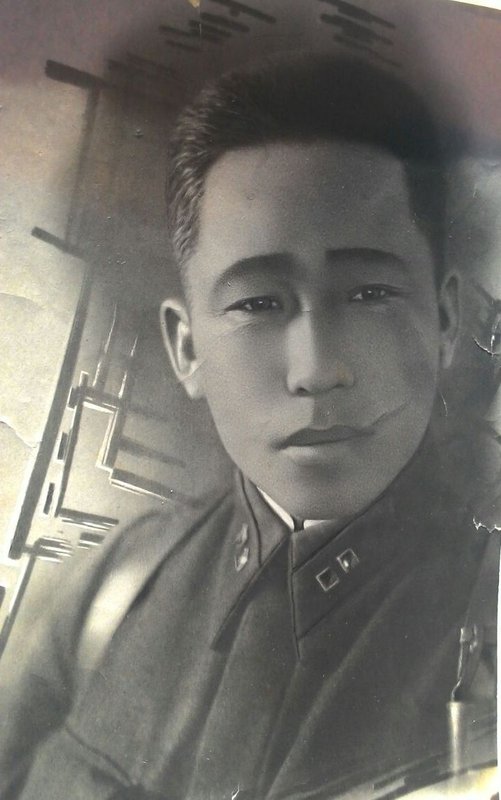
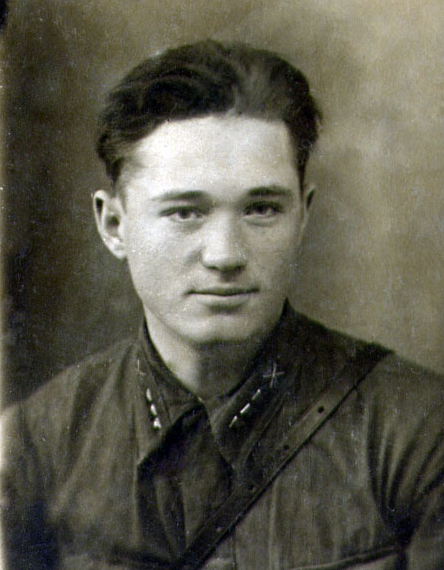
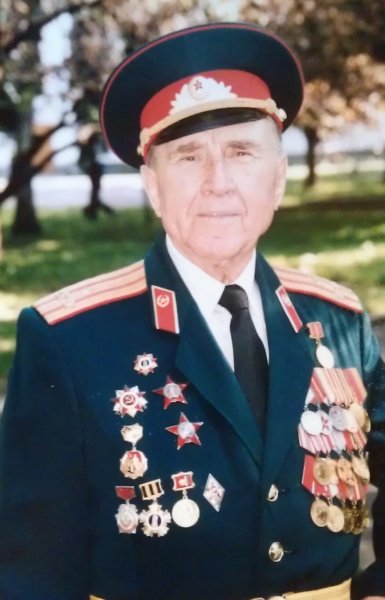
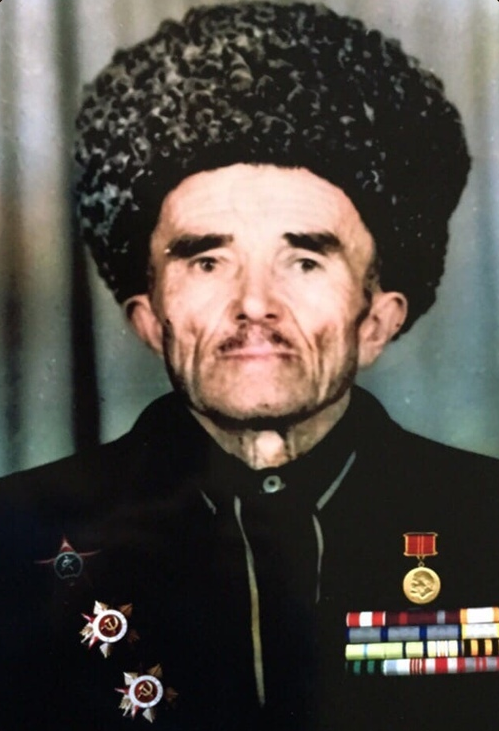
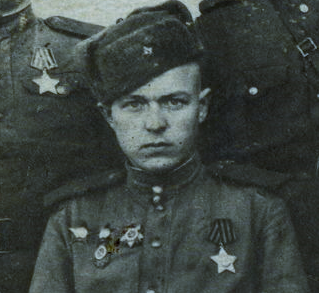
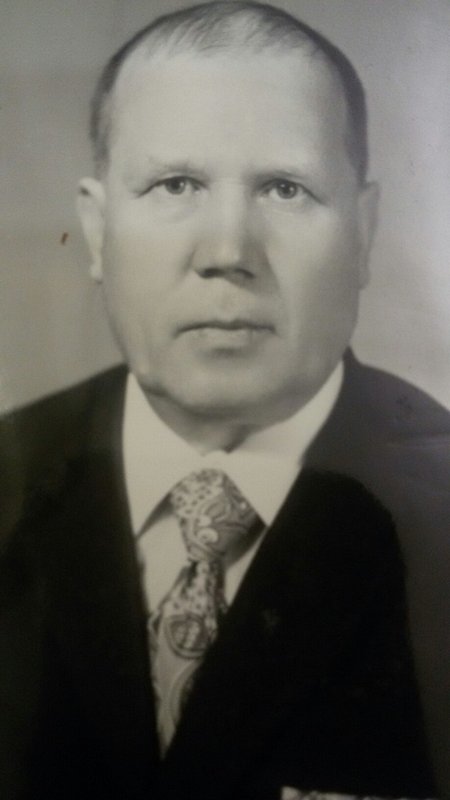
Smolin, Vikenty Vasilievich
Rank: Junior Sergeant_x000D_
Branch of troops: Artillery. _x000D_
_x000D_
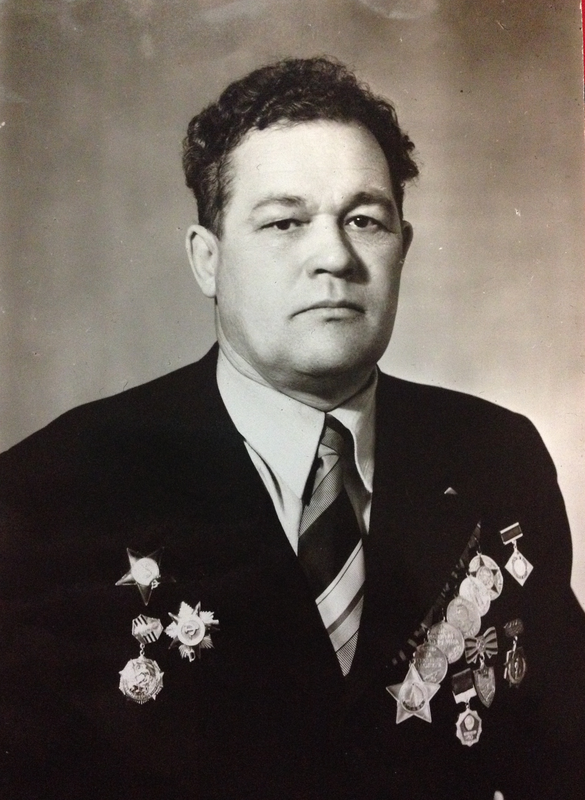
My father, Vikenty Vasilievich Smolin, was born on October 26, 1918 in the Vologda region, Chebsar district, village Sholomovo. His parents Smolin Vasily and Zelenkova Alexandra Konstantinovna had 5 children. His father returned from the army sick, his boots were frozen to his feet. When dad was 3 years old, grandfather died of pneumonia. His mother was left a widow at 32 with children: Nikolai, who was missed in the war, Lydia, Nina, Maria / died in infancy / and the younger Vincent. My grandmother worked in an artel, weaved beautiful Vologda lace, which was sold abroad, including to England. _x000D_
In addition, he had to manage the house and run the entire household, take care of the cattle in order to raise and feed the children. Approximately in 1939, dad left for Arkhangelsk. On 09/20/1939 he was added to the reserve. And then the war began. _x000D_
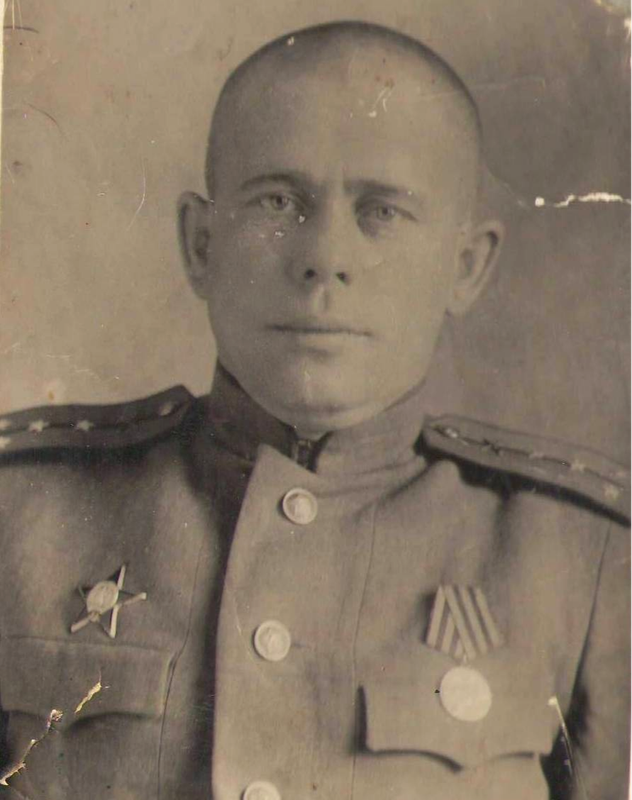
On 18/12/1942 my father was called up for active military service in Artillery Regiment. From January 1943 to May 1946 he served as the Commander of the reconnaissance department of an artillery and mortar unit. As a Junior Sergeant, he participated in military campaigns from 01/27/1943 to 05/09/1945. _x000D_
On 23/08/1943 for military operations he was awarded the medal "For Military Merit". On 30/03/1944 was wounded when with a friend carried out of the combatfield the Commander, for this action he was awarded 09/01/1944 the Order of the Red Star. For participation in fierce combats on the Leningrad Front 03/05/1945 he awarded the Order of Glory III degree. The very hard combats that my father recalled were near Luga, Staraya Russa. He spent the entire war on the front line, having experienced all the difficulties of military service during the war. He served in artillery reconnaissance, had to go for a German prisoner at any time of the year and in any weather, lie for hours in the cold in the snow, in the summer in the hot sun. With pain he recalled a case when shells of the wrong caliber were brought to the gun, howitzer, and with delight about the Katyusha that had appeared at the end of the war. _x000D_
For Liberation of Soviet Latvia he earned the gratitude of the Supreme Commander-in-Chief Marshal of the Soviet Union I.V. Stalin. _x000D_
On 13/10/1944 at 4 o'clock in the morning, our soldiers were the first to walk along the deserted streets of Riga. My father was one of them. In the Baltics, the war ended for my father. They learned about the Victory 08/05/1945. Everyone was happy, hugging, kissing each other, firing weapons. Then, on May 9, 1945, the victory was officially announced. _x000D_
But despite the fact that the war was over, my father had to serve for another year. _x000D_
After demobilization in May 1946, my father came to Murmansk, got a job at the Murmansk seaport, worked as a loader and crane operator. On 02/22/1948 he married Sidorovskaya Anna Kuzminichna, and they had three children: me, Nadezhda, and my brother Nikolay. _x000D_
Then the whole family left for the Arkhangelsk region, Konosha district, the Krasnoye village, but Murmansk pulled back and we returned. He worked at Murmanskmorstroy. Wherever he was,whether he fought or worked, his merits were celebrated everywhere. For his excellent work, he was repeatedly awarded and acknowledged. _x000D_
Then he became a grandfather, he loved very much his grandchildren. This is how the life of one modest man had passed, difficult and peaceful, quiet and inconspicuous. On 04/04/1983 my dad passed away. _x000D_
Many times, at the invitation, he went to schools and told children about the war. I am very sorry that I, being his daughter, had little interest in the war period of his life, and because of his modesty he spoke so little about it himself. Only when he was drank did he like to sing the song "Fire is beating in a cramped dugout" and cried when they performed "Victory Day" and "Holy War", remembering their fellow soldiers and the harsh war days.
Smolin, Vikenty Vasilievich
Rank: Junior Sergeant_x000D_
Branch of troops: Artillery. _x000D_
_x000D_
My father, Vikenty Vasilievich Smolin, was born on October 26, 1918 in the Vologda region, Chebsar district, village Sholomovo. His parents Smolin Vasily and Zelenkova Alexandra Konstantinovna had 5 children. His father returned from the army sick, his boots were frozen to his feet. When dad was 3 years old, grandfather died of pneumonia. His mother was left a widow at 32 with children: Nikolai, who was missed in the war, Lydia, Nina, Maria / died in infancy / and the younger Vincent. My grandmother worked in an artel, weaved beautiful Vologda lace, which was sold abroad, including to England. _x000D_
In addition, he had to manage the house and run the entire household, take care of the cattle in order to raise and feed the children. Approximately in 1939, dad left for Arkhangelsk. On 09/20/1939 he was added to the reserve. And then the war began. _x000D_
On 18/12/1942 my father was called up for active military service in Artillery Regiment. From January 1943 to May 1946 he served as the Commander of the reconnaissance department of an artillery and mortar unit. As a Junior Sergeant, he participated in military campaigns from 01/27/1943 to 05/09/1945. _x000D_
On 23/08/1943 for military operations he was awarded the medal "For Military Merit". On 30/03/1944 was wounded when with a friend carried out of the combatfield the Commander, for this action he was awarded 09/01/1944 the Order of the Red Star. For participation in fierce combats on the Leningrad Front 03/05/1945 he awarded the Order of Glory III degree. The very hard combats that my father recalled were near Luga, Staraya Russa. He spent the entire war on the front line, having experienced all the difficulties of military service during the war. He served in artillery reconnaissance, had to go for a German prisoner at any time of the year and in any weather, lie for hours in the cold in the snow, in the summer in the hot sun. With pain he recalled a case when shells of the wrong caliber were brought to the gun, howitzer, and with delight about the Katyusha that had appeared at the end of the war. _x000D_
For Liberation of Soviet Latvia he earned the gratitude of the Supreme Commander-in-Chief Marshal of the Soviet Union I.V. Stalin. _x000D_
On 13/10/1944 at 4 o'clock in the morning, our soldiers were the first to walk along the deserted streets of Riga. My father was one of them. In the Baltics, the war ended for my father. They learned about the Victory 08/05/1945. Everyone was happy, hugging, kissing each other, firing weapons. Then, on May 9, 1945, the victory was officially announced. _x000D_
But despite the fact that the war was over, my father had to serve for another year. _x000D_
After demobilization in May 1946, my father came to Murmansk, got a job at the Murmansk seaport, worked as a loader and crane operator. On 02/22/1948 he married Sidorovskaya Anna Kuzminichna, and they had three children: me, Nadezhda, and my brother Nikolay. _x000D_
Then the whole family left for the Arkhangelsk region, Konosha district, the Krasnoye village, but Murmansk pulled back and we returned. He worked at Murmanskmorstroy. Wherever he was,whether he fought or worked, his merits were celebrated everywhere. For his excellent work, he was repeatedly awarded and acknowledged. _x000D_
Then he became a grandfather, he loved very much his grandchildren. This is how the life of one modest man had passed, difficult and peaceful, quiet and inconspicuous. On 04/04/1983 my dad passed away. _x000D_
Many times, at the invitation, he went to schools and told children about the war. I am very sorry that I, being his daughter, had little interest in the war period of his life, and because of his modesty he spoke so little about it himself. Only when he was drank did he like to sing the song "Fire is beating in a cramped dugout" and cried when they performed "Victory Day" and "Holy War", remembering their fellow soldiers and the harsh war days.
0 comment



2026 © Russian Military Historical Society Developed by Jetmix