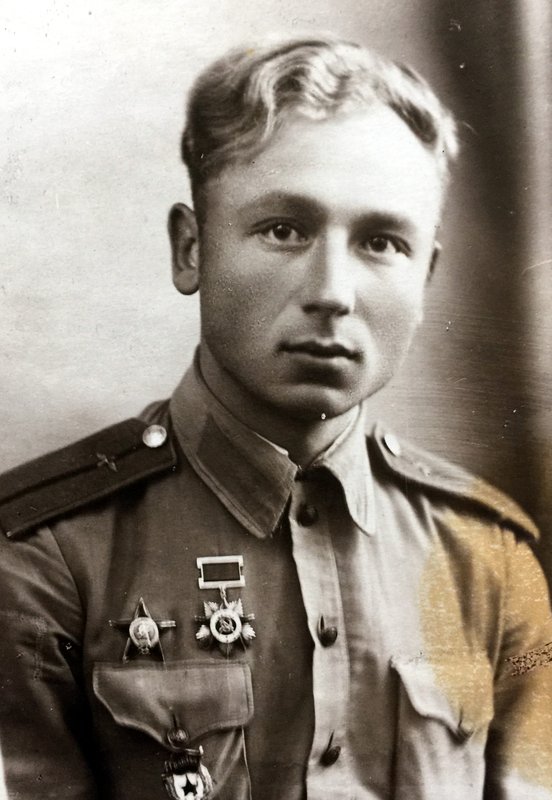
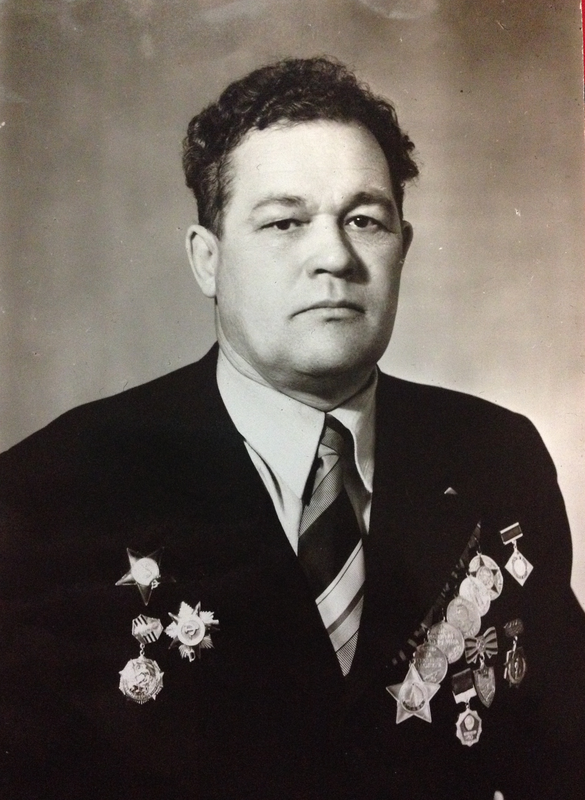
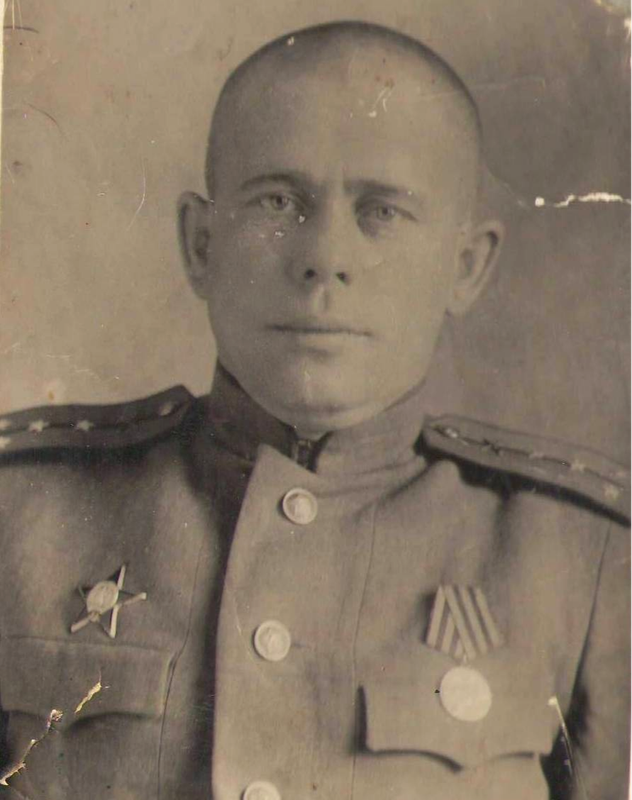
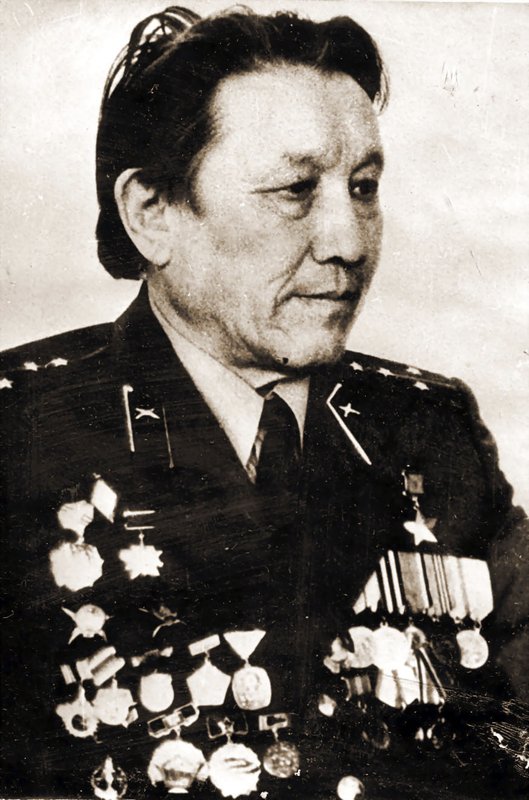
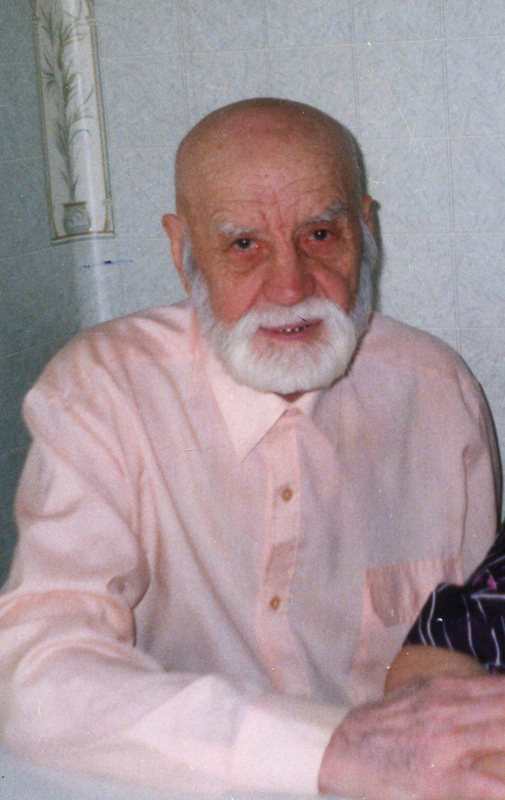
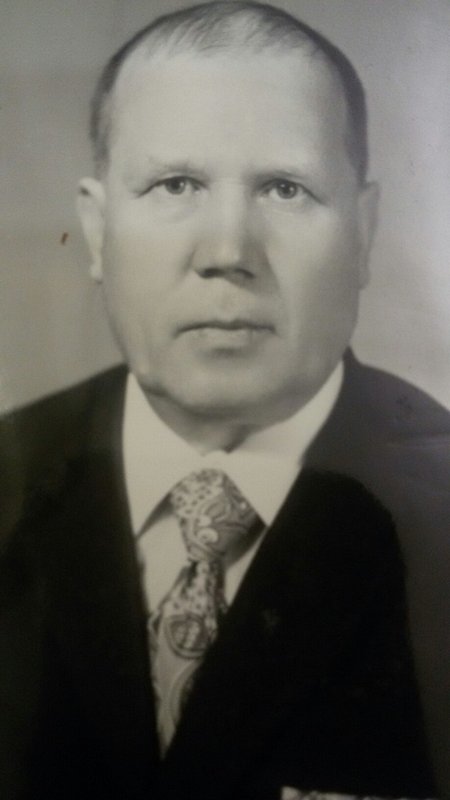
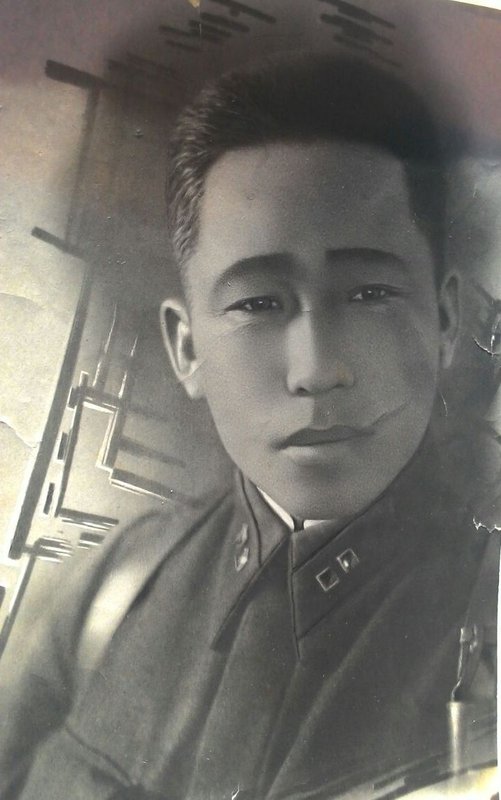
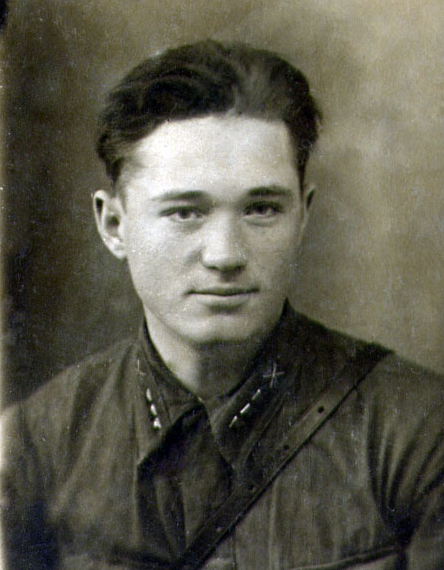
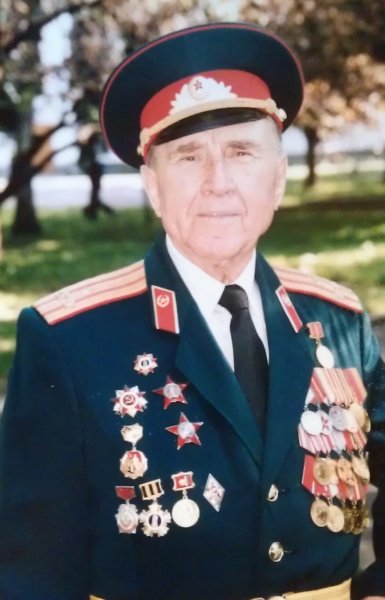
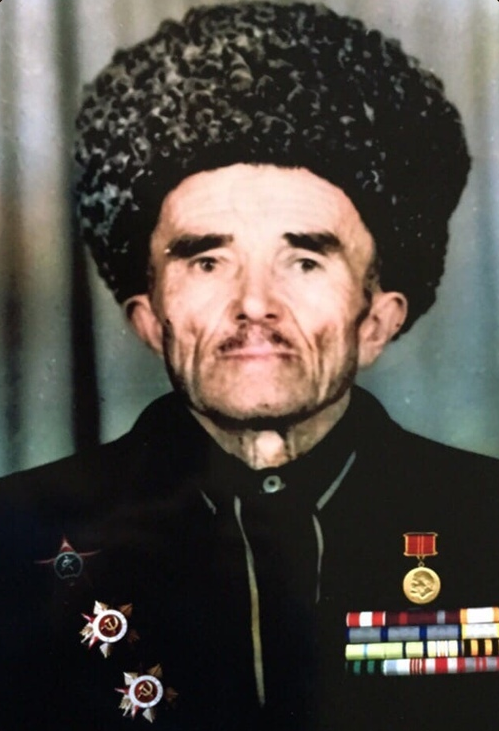
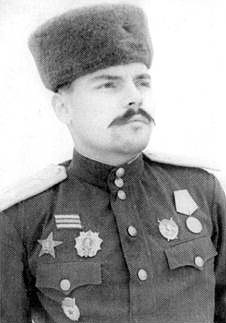
Sergeev, Artem Fedorovich
Rank: Lieutenant Colonel _x000D_
Branch of troops: Artillery _x000D_
SubDivision: 77th Infantry Simferopol Red Banner Order of Suvorov Division named after Sergo Ordzhonikidze _x000D_
Artyom grew up and was brought up in Stalin's family along with other children, was a close friend of his son Vasily. In 1938, Artem Sergeev graduated from the 10th grade, from the 2nd Moscow Special Artillery School and voluntarily joined the ranks of the Red Army. _x000D_
From October 1938 to September 1940 he was cadet, Junior Commander (Sergeant), starshina of the battery of 2nd Leningrad Artillery School (formerly Mikhailovsky). In 1940 he joined the Communist party and in October of the same year with the rank of Lieutenant he was appointed platoon Commander of 13th Artillery Regiment of 1st Rifle Division. He met the war on the western borders as a platoon Commander of 152-mm M-10 howitzers. _x000D_
It happened on June 26, 1941 in Belarus. Already on July 1-2, 1941, Sergeev took part in a fierce defensive combat for the city of Borisov and the crossing of the Berezina River. His artillery battery was destroyed, and the young Lieutenant took over the command of a Rifle company that covered the regiment's retreat. On July 13, the Germans took Sergeev's company into a trap in the area of the town of Gorki and captured him. He was in a prison in the city of Orsha, they planned to shoot him, but on July 23 he managed to escape with several comrades. The group formed the nucleus of the future partisan detachment, to which the soldiers and Commanders of the Red Army began to join. _x000D_
Fighting as part of a partisan detachment, Artyom was wounded for the first time, but by no means the last time. After being cured in a hospital in December 1941, he returned to his 13th Artillery Regiment, which became the 35th Guards. He was the Chief of Reconnaissance of a Division, a Battery Commander, then a Division Commander. _x000D_
On February 18, near Yukhnov, he was again wounded, after the hospital he returned to the Regiment, but in June 1942 he got a new wound. All together, Sergeev A.F. had nine wounds, two of which were very serious. Doctors miraculously saved his left hand, and later he was on the verge of death being hit with a bayonet in the stomach. On June 3, 1942, not completely recovered, he returned to his 35th Guards Artillery Regiment as Battalion Commander, but after 2 weeks he was wounded again and was sent away from the Regiment for follow-up treatment for 3 months. _x000D_
In December 1942, after training at the Higher Officers' Artillery School, he was appointed Chief of Staff of 266th Army Artillery Regiment. After the end of the Stalingrad operation in February, the Regiment from 62nd Army left for the North-Western Front in 68th Army. _x000D_
In April Sergeev was appointed deputy Regiment Commander. In June, the Regiment was transformed into 211st Guards Army Artillery Regiment. _x000D_
From December 1943 to April 1944 Sergeev was the Commander of 554th Army Artillery Rogachevsky Red Banner Regiment. In April he was wounded again. From July to October 1944 he was Commander of 156th Guards Artillery Regiment of 77th Guards Rifle Division. In January 1945, he was Deputy Commander of 140th Army Cannon Artillery Brigade. _x000D_
He took part in combats in the Baltics, East Prussia, Silesia, Saxony, Czechoslovakia. He ended the war on May 12, 1945 as a Lieutenant Colonel._x000D_
After the war he served as a Regiment Commander in Hungary. In August 1945 he was sent to Moscow to the Artillery Academy. After completing his studies in 1951, he commanded 34th Cannon Artillery Brigade of the Carpathian Military District. Then he entered the Military Academy named after K.E. Voroshilov, from which he graduated in 1954. After graduating from the academy, he served in command positions. _x000D_
He retired in 1981 with the rank of Major General of Artillery. In 2006 he published a collection of stories-memoirs about the war "Stories of an artilleryman" and, in co-authorship with Yekaterina Glushik, the book "Conversations about Stalin." Became a member of the Writers' Union of Russia. He was a member of the Donbass community in Moscow. He passed away on January 15, 2008.
Sergeev, Artem Fedorovich
Rank: Lieutenant Colonel _x000D_
Branch of troops: Artillery _x000D_
SubDivision: 77th Infantry Simferopol Red Banner Order of Suvorov Division named after Sergo Ordzhonikidze _x000D_
Artyom grew up and was brought up in Stalin's family along with other children, was a close friend of his son Vasily. In 1938, Artem Sergeev graduated from the 10th grade, from the 2nd Moscow Special Artillery School and voluntarily joined the ranks of the Red Army. _x000D_
From October 1938 to September 1940 he was cadet, Junior Commander (Sergeant), starshina of the battery of 2nd Leningrad Artillery School (formerly Mikhailovsky). In 1940 he joined the Communist party and in October of the same year with the rank of Lieutenant he was appointed platoon Commander of 13th Artillery Regiment of 1st Rifle Division. He met the war on the western borders as a platoon Commander of 152-mm M-10 howitzers. _x000D_
It happened on June 26, 1941 in Belarus. Already on July 1-2, 1941, Sergeev took part in a fierce defensive combat for the city of Borisov and the crossing of the Berezina River. His artillery battery was destroyed, and the young Lieutenant took over the command of a Rifle company that covered the regiment's retreat. On July 13, the Germans took Sergeev's company into a trap in the area of the town of Gorki and captured him. He was in a prison in the city of Orsha, they planned to shoot him, but on July 23 he managed to escape with several comrades. The group formed the nucleus of the future partisan detachment, to which the soldiers and Commanders of the Red Army began to join. _x000D_
Fighting as part of a partisan detachment, Artyom was wounded for the first time, but by no means the last time. After being cured in a hospital in December 1941, he returned to his 13th Artillery Regiment, which became the 35th Guards. He was the Chief of Reconnaissance of a Division, a Battery Commander, then a Division Commander. _x000D_
On February 18, near Yukhnov, he was again wounded, after the hospital he returned to the Regiment, but in June 1942 he got a new wound. All together, Sergeev A.F. had nine wounds, two of which were very serious. Doctors miraculously saved his left hand, and later he was on the verge of death being hit with a bayonet in the stomach. On June 3, 1942, not completely recovered, he returned to his 35th Guards Artillery Regiment as Battalion Commander, but after 2 weeks he was wounded again and was sent away from the Regiment for follow-up treatment for 3 months. _x000D_
In December 1942, after training at the Higher Officers' Artillery School, he was appointed Chief of Staff of 266th Army Artillery Regiment. After the end of the Stalingrad operation in February, the Regiment from 62nd Army left for the North-Western Front in 68th Army. _x000D_
In April Sergeev was appointed deputy Regiment Commander. In June, the Regiment was transformed into 211st Guards Army Artillery Regiment. _x000D_
From December 1943 to April 1944 Sergeev was the Commander of 554th Army Artillery Rogachevsky Red Banner Regiment. In April he was wounded again. From July to October 1944 he was Commander of 156th Guards Artillery Regiment of 77th Guards Rifle Division. In January 1945, he was Deputy Commander of 140th Army Cannon Artillery Brigade. _x000D_
He took part in combats in the Baltics, East Prussia, Silesia, Saxony, Czechoslovakia. He ended the war on May 12, 1945 as a Lieutenant Colonel._x000D_
After the war he served as a Regiment Commander in Hungary. In August 1945 he was sent to Moscow to the Artillery Academy. After completing his studies in 1951, he commanded 34th Cannon Artillery Brigade of the Carpathian Military District. Then he entered the Military Academy named after K.E. Voroshilov, from which he graduated in 1954. After graduating from the academy, he served in command positions. _x000D_
He retired in 1981 with the rank of Major General of Artillery. In 2006 he published a collection of stories-memoirs about the war "Stories of an artilleryman" and, in co-authorship with Yekaterina Glushik, the book "Conversations about Stalin." Became a member of the Writers' Union of Russia. He was a member of the Donbass community in Moscow. He passed away on January 15, 2008.
0 comment



2026 © Russian Military Historical Society Developed by Jetmix