Back to
album
album
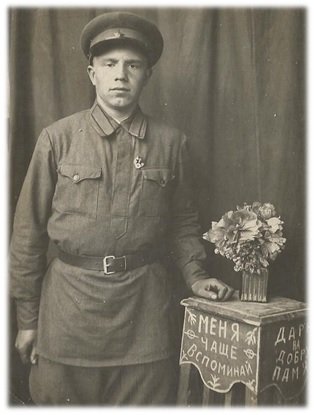

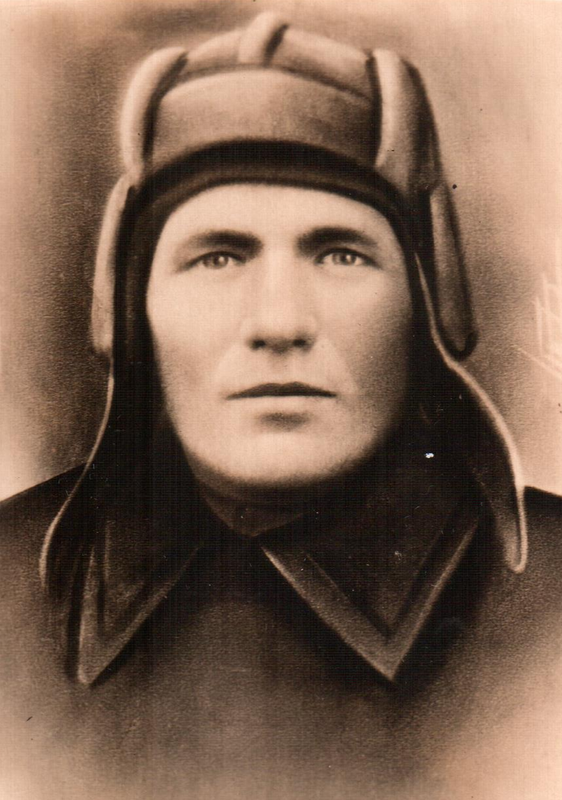
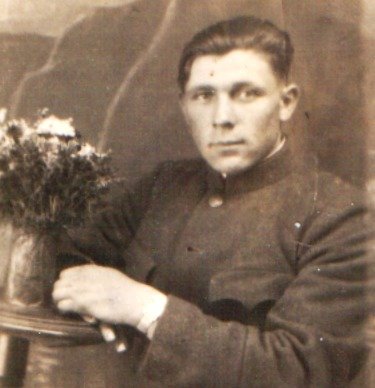
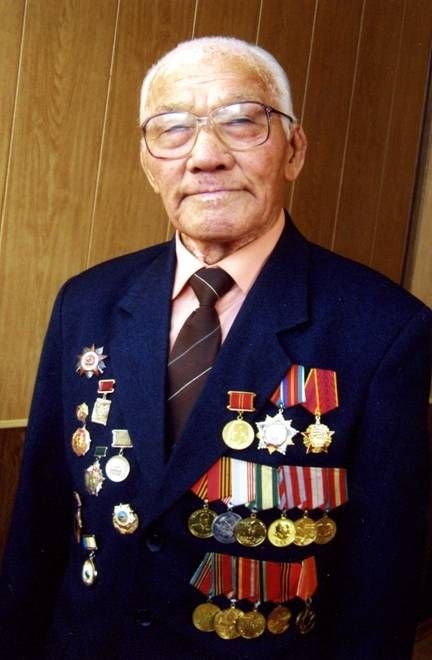

Zhukov Fedosiy Efimovich
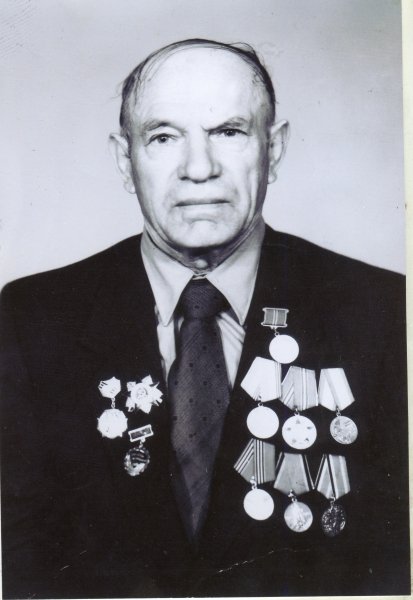
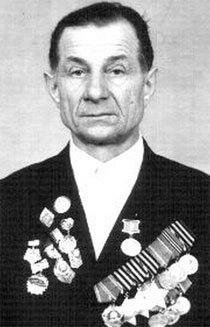
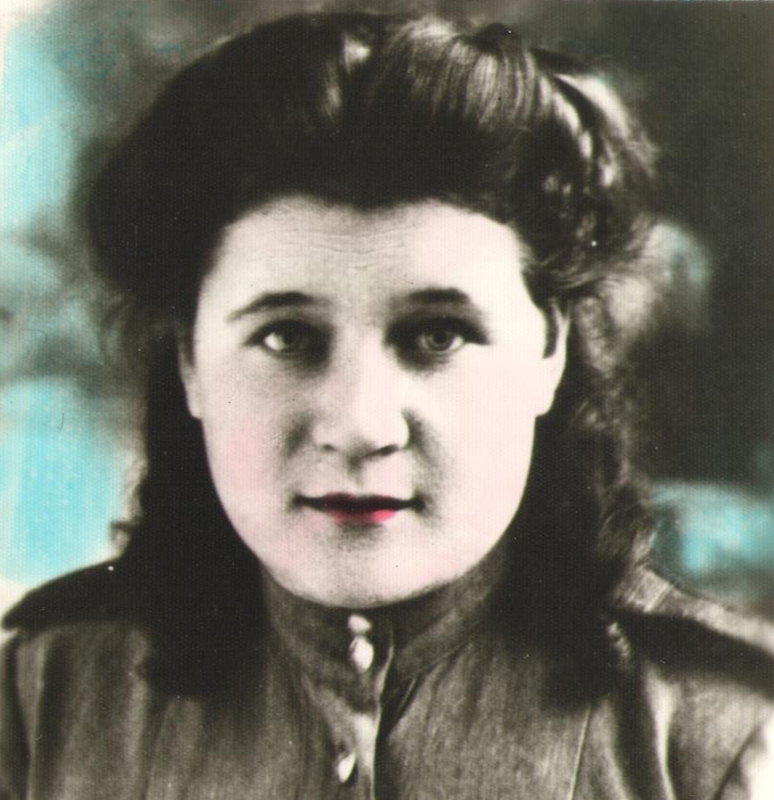
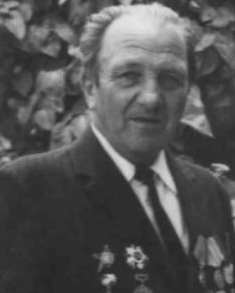
My great-grandfather Zhukov Fedosiy Efimovich was born on December 16, 1919 in the village Blagoveshchenyka Kakhovsky district of Kherson region in a peasant family. In the 30s during the period of collectivization my great-grandfather's family was dispossessed and exiled to the Urals. They were carried in commodity wagons. Many were dying of cold, hunger and diseases. In spring, when the snow melted, they reached the nearest village, it was the state farm of Alexandrovsky, Perm region, where they stopped for permanent residence. The Great Patriotic War abruptly turned the whole country's life around. At the beginning of the war, Grigory Yefimovich Zhukov, the brother of my great-grandfather, went to the front. The great-grandfather already had a family – a wife and a daughter. He himself worked at a defense enterprise, so his numerous requests to send him to the front were refused. In 1944 my great-grandfather managed to get him sent to the front. He fought in the 15th Army in the 166th Rifle Regiment as a machine gunner. He liberated Ukraine, Byelorussia, Poland from Nazi invaders and reached Germany. He was wounded 2 times in the battles, once in fierce battles for Koenigsberg (now Kaliningrad). My great-grandfather did not like to tell about the war, but a few episodes of his stories are preserved in the memory of his daughter (my grandmother). The Nazis tried to keep the fortress city of Koenigsberg at all costs. This was evidenced by their appeals written in large letters on the walls of houses: "We will win - God is with us!", "From now on we are mad!", "We will fight with fanatical madness! And the positions of the Soviet troops were constantly targeted and accurately fired at by the Nazis. And then they found the fire adjuster. It was an old German woman, who was passing on information about the location of Soviet troops. Our troops opened heavy artillery fire at blocks and objects held by the enemy. Air strikes were fired at them from the air. Some groups of German troops in different parts of the city began to surrender not withstanding the pressure. Soon, the process became massive. On April 9, 1944 in the concrete casemate of the bomb shelter act of unconditional surrender of the garrison was signed by the commandant of the fortress, General Otto Lash. The Soviet flag swooped over the Derdona Fort. My great-grandfather's merits were marked by the government awards - the Order of the Great Patriotic War of the 2nd degree; medals "For bravery"; Zhukov medal. Jubilee medals. After the war Fedosiy Yefimovich returned home, but his wife and daughter were not there, and no one knew where they were. His brother also came back alive from the front. Not every family had such happiness at that time. The great-grandfather looked for his wife and daughter for a long time, but the search did not give anything. Ten years after the war, he married for the 2nd time. His wife was a nurse from the hospital, where he had a surgery. My great-grandfather never saw his daughter from his first marriage. 6 years ago she found us through the Internet.
Zhukov Fedosiy Efimovich
My great-grandfather Zhukov Fedosiy Efimovich was born on December 16, 1919 in the village Blagoveshchenyka Kakhovsky district of Kherson region in a peasant family. In the 30s during the period of collectivization my great-grandfather's family was dispossessed and exiled to the Urals. They were carried in commodity wagons. Many were dying of cold, hunger and diseases. In spring, when the snow melted, they reached the nearest village, it was the state farm of Alexandrovsky, Perm region, where they stopped for permanent residence. The Great Patriotic War abruptly turned the whole country's life around. At the beginning of the war, Grigory Yefimovich Zhukov, the brother of my great-grandfather, went to the front. The great-grandfather already had a family – a wife and a daughter. He himself worked at a defense enterprise, so his numerous requests to send him to the front were refused. In 1944 my great-grandfather managed to get him sent to the front. He fought in the 15th Army in the 166th Rifle Regiment as a machine gunner. He liberated Ukraine, Byelorussia, Poland from Nazi invaders and reached Germany. He was wounded 2 times in the battles, once in fierce battles for Koenigsberg (now Kaliningrad). My great-grandfather did not like to tell about the war, but a few episodes of his stories are preserved in the memory of his daughter (my grandmother). The Nazis tried to keep the fortress city of Koenigsberg at all costs. This was evidenced by their appeals written in large letters on the walls of houses: "We will win - God is with us!", "From now on we are mad!", "We will fight with fanatical madness! And the positions of the Soviet troops were constantly targeted and accurately fired at by the Nazis. And then they found the fire adjuster. It was an old German woman, who was passing on information about the location of Soviet troops. Our troops opened heavy artillery fire at blocks and objects held by the enemy. Air strikes were fired at them from the air. Some groups of German troops in different parts of the city began to surrender not withstanding the pressure. Soon, the process became massive. On April 9, 1944 in the concrete casemate of the bomb shelter act of unconditional surrender of the garrison was signed by the commandant of the fortress, General Otto Lash. The Soviet flag swooped over the Derdona Fort. My great-grandfather's merits were marked by the government awards - the Order of the Great Patriotic War of the 2nd degree; medals "For bravery"; Zhukov medal. Jubilee medals. After the war Fedosiy Yefimovich returned home, but his wife and daughter were not there, and no one knew where they were. His brother also came back alive from the front. Not every family had such happiness at that time. The great-grandfather looked for his wife and daughter for a long time, but the search did not give anything. Ten years after the war, he married for the 2nd time. His wife was a nurse from the hospital, where he had a surgery. My great-grandfather never saw his daughter from his first marriage. 6 years ago she found us through the Internet.
0 comment




2026 © Russian Military Historical Society Developed by Jetmix