Back to
album
album
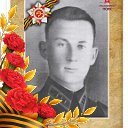
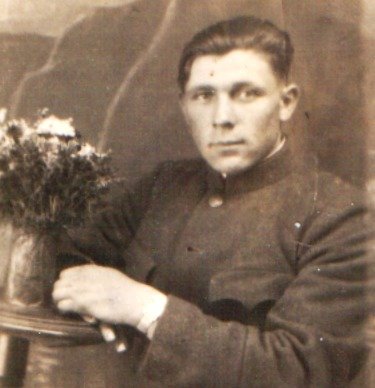
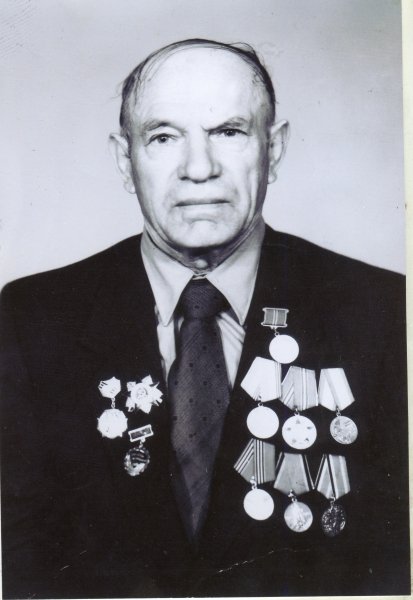
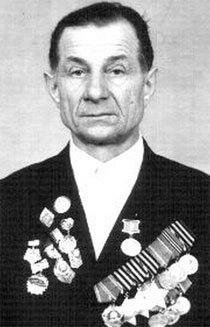
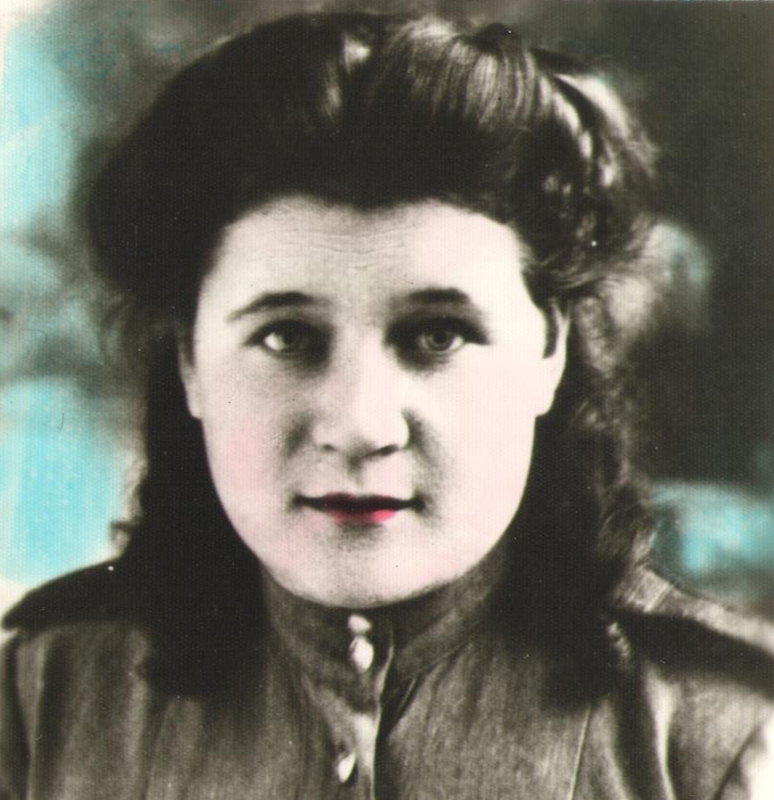
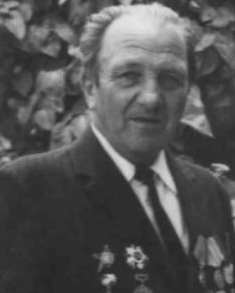
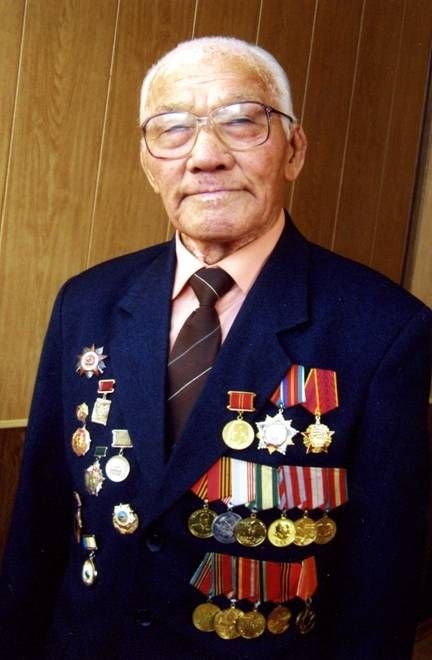


Zhikhar Vladimir Vasilyevich
Zhikhar Vladimir Vasilyevich was born on January 10, 1922 in the village of Badeni, Myadelsky district in a family of peasants. He received his primary education at the Polish elementary school in the village of Badeni, where he finished 4th grade. In 1939, when the western territories of Belarus were returned to the Soviet Union, he finished the 4th-5th grade of the Russian school in the village of Badeni. The war started and at the age of 19 he became a partisan of the Kirov detachment of the Korotkin brigade (commander Kuznetsov, commissar Kozlov) on the eastern territory of Belarus (Ushachsky district). The guerrillas' main task was to investigate the exact location of the enemy's troops and headquarters. The Germans in appointed a Soltus (headman) in each village, his duties were to provide nearby garrisons of the occupiers with food. In one of the days when the soltus had to deliver food to the garrison of Meadel, to him in the "assistants" was appointed a partisan scout Zhihar VV. His task was to: visually remember the location of troops in the garrison, warehouses and fortifications. During the reconnaissance he was spotted by the enemy patrol and sent to the Gestapo. After long torture, he did not give out any information about anyone. But the German officer, suspecting Vladimir Vasilyevich in connection with the guerrillas, ordered to whip him with twenty blows of shompole. After the execution of the sentence, they threw him out, bleeding, to die. He was brought to the village headman by cart. According to witnesses - "back and legs cut open to meat" - there was no untouched place. By a miracle, he was still alive. In 1944, not far from the village of Danilovichi, three soldiers, including Zhihar V.V., were returning from reconnaissance. On the forest road, they met a huge solid column of German units and military equipment. They spent about two hours in ambush and after waiting for the end of the convoy, having a machine gun and two automatic rifles, they destroyed three cars with fascists. Our hero destroyed one enemy car and killed 17 Germans. For this operation Vladimir Vasilyevich was awarded the medal "Partisan of the Great Patriotic War 1st degree" (at that time the medal was equal to the medal "Hero of the Soviet Union", but the partisan was not give the title "hero"). In May 1944, the fascists removed 7 divisions from the frontline and surrounded the guerrilla brigades, with a total of 180,000 men (including carts with women and children). There was nowhere to retreat – there was an impassable swamp behind them. The Command (Labanok, Rodionov and others) decided to suddenly attack the enemy and break out of the encirclement ring. On a dark, rainy night, before the morning punitive operation, the volunteers (including V.V. Zhikhar) snuck through the enemy's trenches, went around the rear of the surrounding partisan detachment of fascists, and at the appointed hour simultaneously with the partisans' attack hit the enemies with machine guns. They broke through the enemy ring, came out of the encirclement and took many prisoners. During interrogation the prisoners said: the attack was very prompt and sudden, and the blow from the rear seemed to them as if the partisan reinforcements from the neighboring detachment came, which was difficult to resist. For this operation, Vladimir Vasilyevich received two memorable gifts for the rest of his life: the Order of the Red Star and shrapnel wounds (in combat, he was seriously wounded in the arm and shoulder). As a result, the Korotkin brigade made its way to the Braslav region. The garrison in Braslav was blocked before the Soviet troops arrived. After his wound, Vladimir Vasilyevich was assigned to the reserve regiment and then was taken to the emergency infirmary where the wounded horses were treated. He was also responsible for removing wounded horses from the front line, and returning the healthy ones back to the front line. After that he served in the headquarters of one of the regiments of the 6th Guards Army, under the command of Govorov - as a liaison. He got this position unexpectedly, but deservedly: the whole unit was preparing for the general's arrival, and with his arrival everyone stood at the stand "still", and Vladimir Vasilyevich was treating the wounded horse's leg without raising his head. Thinking that such impudent behavior would be punished, he appeared by order to the general, but the general noted his dedication, caring attitude to the animals, independence and courage. After that, he ordered the cooks to feed the soldier and appoint him a liaison staff. In the summer of 1945, as part of a group of Soviet troops Zhihar was sent to the Far East, but was not involved in combat operations in the war with Japan, due to the fact that the Americans dropped nuclear bombs on Hiroshima and Nagasaki. And Zhihar V.V. as part of NKVD units was sent to Lithuania to destroy the remains of bandits. In January 1946 he was demobilized.
Zhikhar Vladimir Vasilyevich
Zhikhar Vladimir Vasilyevich was born on January 10, 1922 in the village of Badeni, Myadelsky district in a family of peasants. He received his primary education at the Polish elementary school in the village of Badeni, where he finished 4th grade. In 1939, when the western territories of Belarus were returned to the Soviet Union, he finished the 4th-5th grade of the Russian school in the village of Badeni. The war started and at the age of 19 he became a partisan of the Kirov detachment of the Korotkin brigade (commander Kuznetsov, commissar Kozlov) on the eastern territory of Belarus (Ushachsky district). The guerrillas' main task was to investigate the exact location of the enemy's troops and headquarters. The Germans in appointed a Soltus (headman) in each village, his duties were to provide nearby garrisons of the occupiers with food. In one of the days when the soltus had to deliver food to the garrison of Meadel, to him in the "assistants" was appointed a partisan scout Zhihar VV. His task was to: visually remember the location of troops in the garrison, warehouses and fortifications. During the reconnaissance he was spotted by the enemy patrol and sent to the Gestapo. After long torture, he did not give out any information about anyone. But the German officer, suspecting Vladimir Vasilyevich in connection with the guerrillas, ordered to whip him with twenty blows of shompole. After the execution of the sentence, they threw him out, bleeding, to die. He was brought to the village headman by cart. According to witnesses - "back and legs cut open to meat" - there was no untouched place. By a miracle, he was still alive. In 1944, not far from the village of Danilovichi, three soldiers, including Zhihar V.V., were returning from reconnaissance. On the forest road, they met a huge solid column of German units and military equipment. They spent about two hours in ambush and after waiting for the end of the convoy, having a machine gun and two automatic rifles, they destroyed three cars with fascists. Our hero destroyed one enemy car and killed 17 Germans. For this operation Vladimir Vasilyevich was awarded the medal "Partisan of the Great Patriotic War 1st degree" (at that time the medal was equal to the medal "Hero of the Soviet Union", but the partisan was not give the title "hero"). In May 1944, the fascists removed 7 divisions from the frontline and surrounded the guerrilla brigades, with a total of 180,000 men (including carts with women and children). There was nowhere to retreat – there was an impassable swamp behind them. The Command (Labanok, Rodionov and others) decided to suddenly attack the enemy and break out of the encirclement ring. On a dark, rainy night, before the morning punitive operation, the volunteers (including V.V. Zhikhar) snuck through the enemy's trenches, went around the rear of the surrounding partisan detachment of fascists, and at the appointed hour simultaneously with the partisans' attack hit the enemies with machine guns. They broke through the enemy ring, came out of the encirclement and took many prisoners. During interrogation the prisoners said: the attack was very prompt and sudden, and the blow from the rear seemed to them as if the partisan reinforcements from the neighboring detachment came, which was difficult to resist. For this operation, Vladimir Vasilyevich received two memorable gifts for the rest of his life: the Order of the Red Star and shrapnel wounds (in combat, he was seriously wounded in the arm and shoulder). As a result, the Korotkin brigade made its way to the Braslav region. The garrison in Braslav was blocked before the Soviet troops arrived. After his wound, Vladimir Vasilyevich was assigned to the reserve regiment and then was taken to the emergency infirmary where the wounded horses were treated. He was also responsible for removing wounded horses from the front line, and returning the healthy ones back to the front line. After that he served in the headquarters of one of the regiments of the 6th Guards Army, under the command of Govorov - as a liaison. He got this position unexpectedly, but deservedly: the whole unit was preparing for the general's arrival, and with his arrival everyone stood at the stand "still", and Vladimir Vasilyevich was treating the wounded horse's leg without raising his head. Thinking that such impudent behavior would be punished, he appeared by order to the general, but the general noted his dedication, caring attitude to the animals, independence and courage. After that, he ordered the cooks to feed the soldier and appoint him a liaison staff. In the summer of 1945, as part of a group of Soviet troops Zhihar was sent to the Far East, but was not involved in combat operations in the war with Japan, due to the fact that the Americans dropped nuclear bombs on Hiroshima and Nagasaki. And Zhihar V.V. as part of NKVD units was sent to Lithuania to destroy the remains of bandits. In January 1946 he was demobilized.
0 comment



2026 © Russian Military Historical Society Developed by Jetmix