Back to
album
album
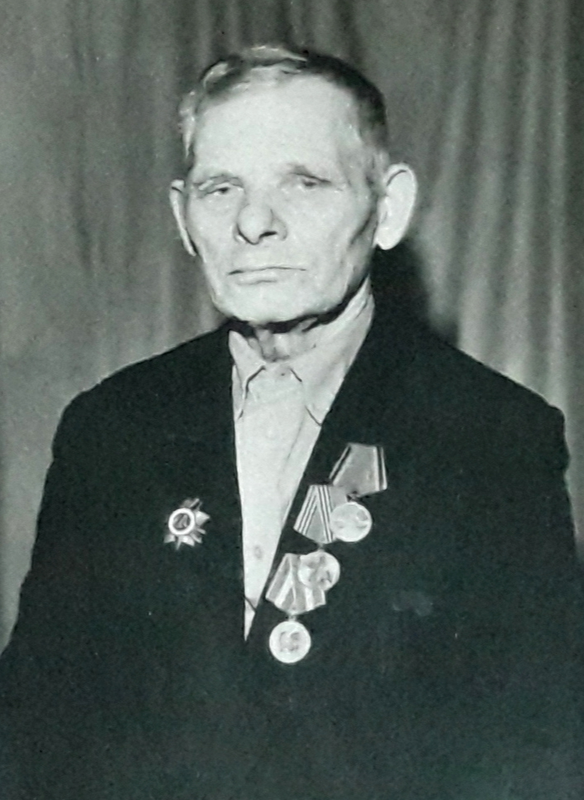

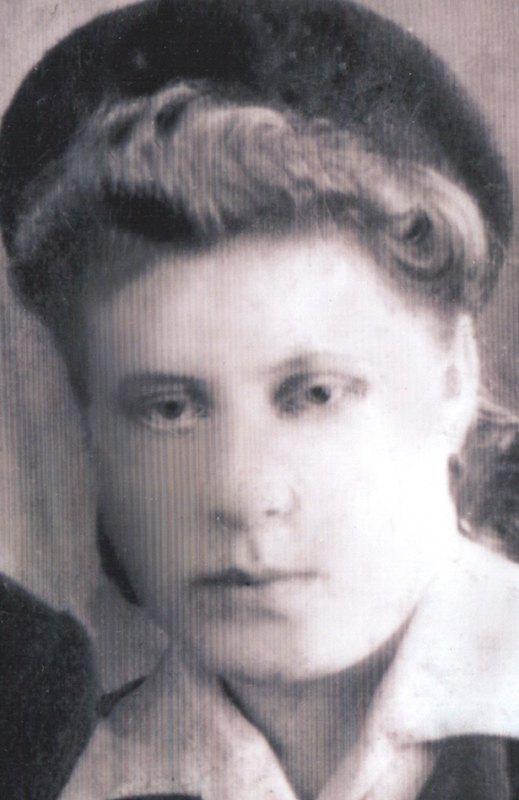
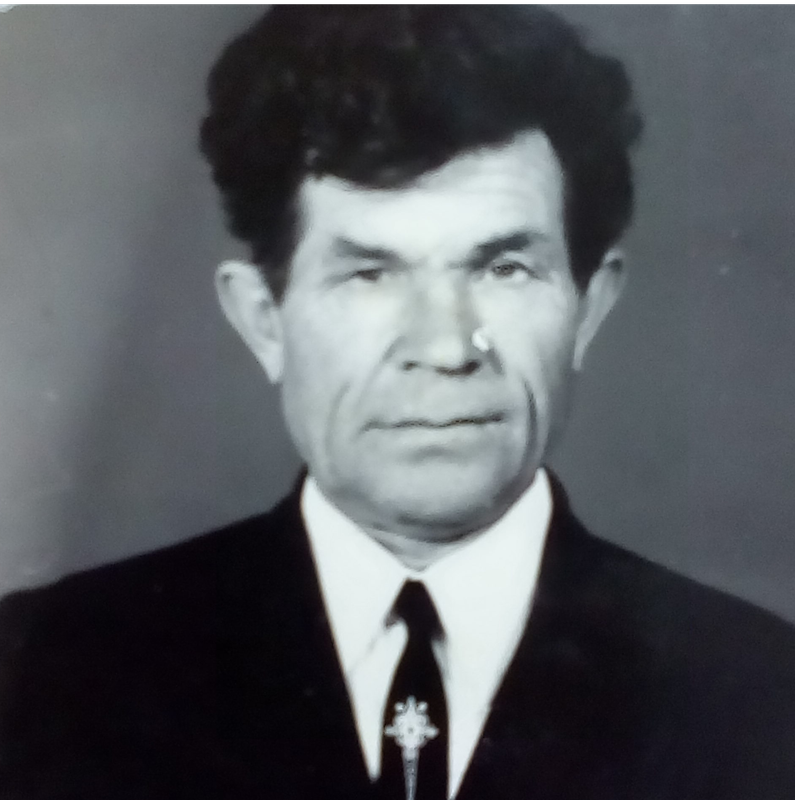
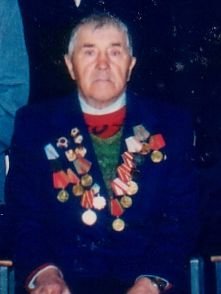
Tamara Klevtsova (Dyukova)
Rank: Specialist_x000D_
Branch of service: Coastal Defense Artillery and Air Defense, Coastal Guard, Air Force, NKVD troops, Border Guard_x000D_
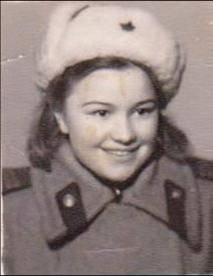
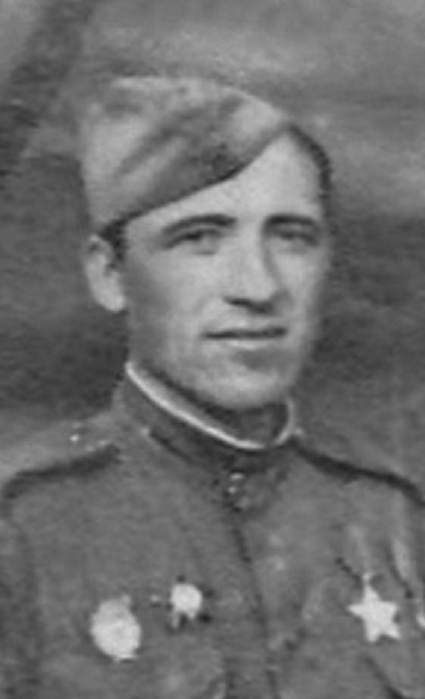
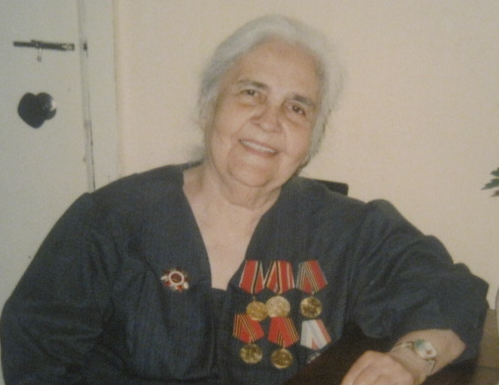
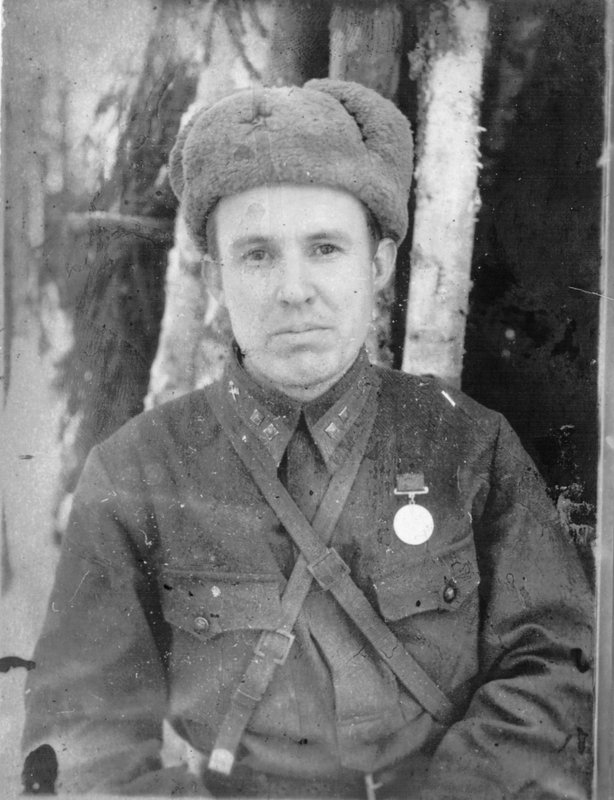
My great-grandmother Tamara Klevtsova (Dyukova) was born in 1923 in the village of Treskino, Inzhavinskiy District, Tambov Region. Her youth was spent in the villageof Injavino, where she graduated from school in 1941. All the girl's dreams were connected with entering the Theater Institute to become an actress. This had everything for that: she sang well, danced, rode horses like a real circus performer, jumped into the water from trees and bridge railings, swam well,and shot. But the dreams were not to be fulfilled: on June 22, 1941, when things were already packed in suitcases, the news came – the war. Together with her friends, Tamara went to the military enlistment office, but they, eighteen-year-old girls, of course, were not taken to the war, but sent to work for a collective farm. There she worked as a bookkeeper, but regularly went to the draft Board and she succeeded: together with her best friend, Anna (they were friends all their lives) sent to the labor front: to build defensive positions in the Bryansk and Smolensk. She had to endure a lot during the year of digging trenches: hunger, cold, shelling. But the girls did not leave thoughts of the front, and finally, in July 1943, they were called up to serve in the 26th Separate Division of the Balloon Barrier, first as telephone operators, and then as ballon personell. The division was located in Arkhangelsk. The balloon was lifted into the sky both day and night. It carried an invisible iron cable with bombs attached to it 2 - 4.5 km up. It was enough to stumble on such a cable, as a helpless German plane fell to the ground. Fragile girls had to drive bulky, elephant-like, hydrogen-filled gas baloons in pairs for tens of kilometers, on foot, in any weather, in a downpour, frost. The balloons were filled with 125 cubic meters of gas and needed to be recharged every day because the hydrogen seeped out. Her hands were numb, and the ropes tore the skin from her palms. Of course, it was not easy for my great-grandmother, but she did not give up, she believed in victory. And it helped her strength, dexterity and amazing endurance, brought up by many years of sports training. And Specialist Dyukova spent two whole years carrying balloons on her shoulders that could escape from her hands at any moment. In 1943, at the front, she met her younger brother Boris, who had fought in the Baltic Fleet in an escort for allied ships. After the end of the war, Tamara was demobilized from the army by order of July 13, 1945 and came to the city of Kirsanov. Here she married Vladimir Klevtsov, who returned from the war, with whom she studied at school together and kept in touch throughout the war. In Kirsanov, she graduated from an external pedagogical school and worked at a railway school, first as a pioneer leader, then as a primary school teacher. Pupils gratefully remember the glorious deeds of the pioneer squad: hiking in their native land, pioneer bonfires, amateur art shows, physical culture holidays. Tamara worked at school for 11 years, but for health reasons she had to leave – the hardships of wartime affected her. But she could not stay at home and in 1961 came to work in the library of the Kirsanov technical school of mechanization and electrification of agriculture, where she worked until retirement. My great-grandmother Tamara has many thanks and awards, but the most important award is the memory of her students, workmates, everyone who knew this tireless worker: the organizer of amateur performances, the head of the reading circle, the organizer and participant of the theater club. And all this hand in hand with her life partner, loyal friend and husband Vladimir Klevtsov, with whom they lived 48 bright happy years, raised two children and three grandchildren.
Tamara Klevtsova (Dyukova)
Rank: Specialist_x000D_
Branch of service: Coastal Defense Artillery and Air Defense, Coastal Guard, Air Force, NKVD troops, Border Guard_x000D_
My great-grandmother Tamara Klevtsova (Dyukova) was born in 1923 in the village of Treskino, Inzhavinskiy District, Tambov Region. Her youth was spent in the villageof Injavino, where she graduated from school in 1941. All the girl's dreams were connected with entering the Theater Institute to become an actress. This had everything for that: she sang well, danced, rode horses like a real circus performer, jumped into the water from trees and bridge railings, swam well,and shot. But the dreams were not to be fulfilled: on June 22, 1941, when things were already packed in suitcases, the news came – the war. Together with her friends, Tamara went to the military enlistment office, but they, eighteen-year-old girls, of course, were not taken to the war, but sent to work for a collective farm. There she worked as a bookkeeper, but regularly went to the draft Board and she succeeded: together with her best friend, Anna (they were friends all their lives) sent to the labor front: to build defensive positions in the Bryansk and Smolensk. She had to endure a lot during the year of digging trenches: hunger, cold, shelling. But the girls did not leave thoughts of the front, and finally, in July 1943, they were called up to serve in the 26th Separate Division of the Balloon Barrier, first as telephone operators, and then as ballon personell. The division was located in Arkhangelsk. The balloon was lifted into the sky both day and night. It carried an invisible iron cable with bombs attached to it 2 - 4.5 km up. It was enough to stumble on such a cable, as a helpless German plane fell to the ground. Fragile girls had to drive bulky, elephant-like, hydrogen-filled gas baloons in pairs for tens of kilometers, on foot, in any weather, in a downpour, frost. The balloons were filled with 125 cubic meters of gas and needed to be recharged every day because the hydrogen seeped out. Her hands were numb, and the ropes tore the skin from her palms. Of course, it was not easy for my great-grandmother, but she did not give up, she believed in victory. And it helped her strength, dexterity and amazing endurance, brought up by many years of sports training. And Specialist Dyukova spent two whole years carrying balloons on her shoulders that could escape from her hands at any moment. In 1943, at the front, she met her younger brother Boris, who had fought in the Baltic Fleet in an escort for allied ships. After the end of the war, Tamara was demobilized from the army by order of July 13, 1945 and came to the city of Kirsanov. Here she married Vladimir Klevtsov, who returned from the war, with whom she studied at school together and kept in touch throughout the war. In Kirsanov, she graduated from an external pedagogical school and worked at a railway school, first as a pioneer leader, then as a primary school teacher. Pupils gratefully remember the glorious deeds of the pioneer squad: hiking in their native land, pioneer bonfires, amateur art shows, physical culture holidays. Tamara worked at school for 11 years, but for health reasons she had to leave – the hardships of wartime affected her. But she could not stay at home and in 1961 came to work in the library of the Kirsanov technical school of mechanization and electrification of agriculture, where she worked until retirement. My great-grandmother Tamara has many thanks and awards, but the most important award is the memory of her students, workmates, everyone who knew this tireless worker: the organizer of amateur performances, the head of the reading circle, the organizer and participant of the theater club. And all this hand in hand with her life partner, loyal friend and husband Vladimir Klevtsov, with whom they lived 48 bright happy years, raised two children and three grandchildren.
0 comment




2026 © Russian Military Historical Society Developed by Jetmix