Back to
album
album
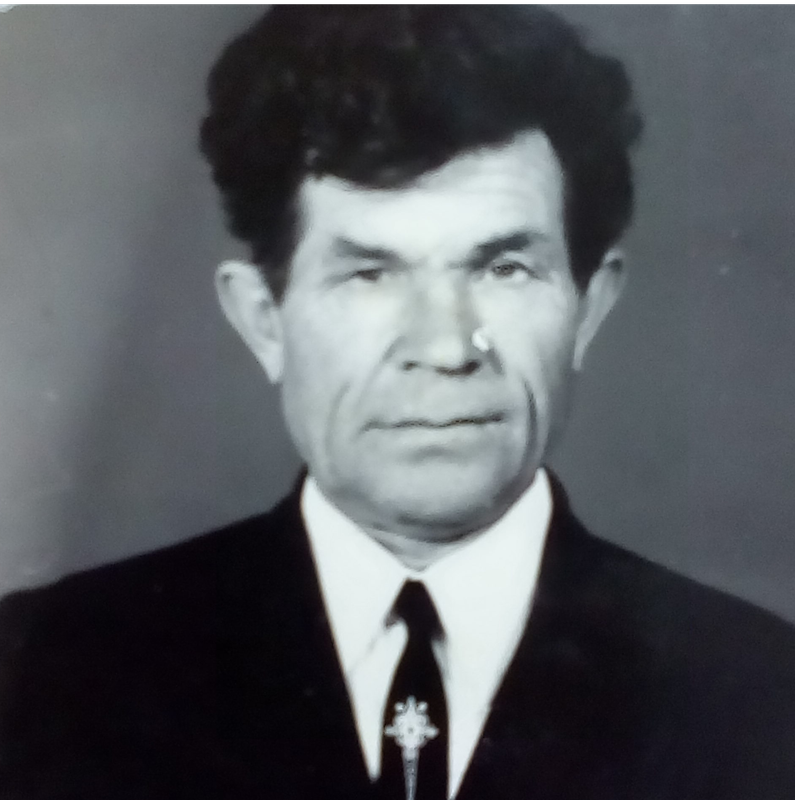
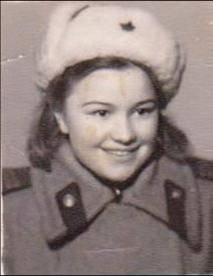
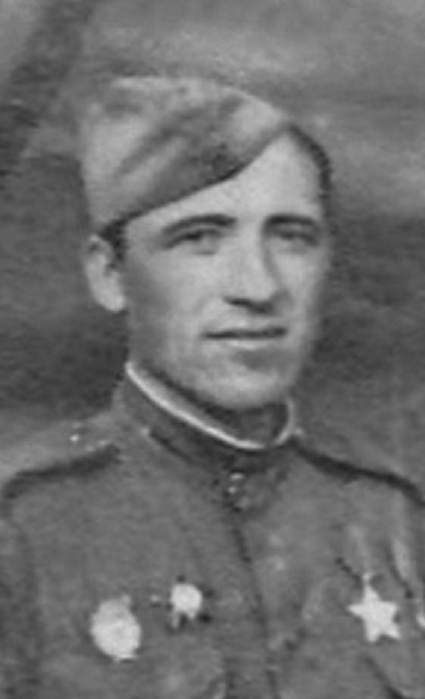
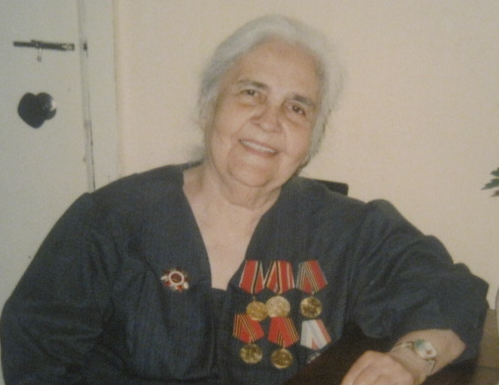
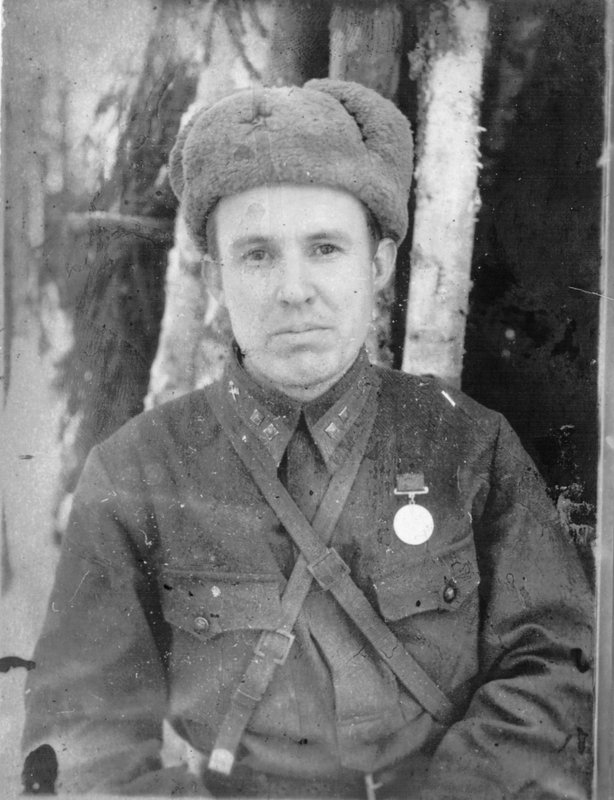
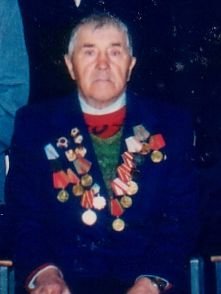


Alexander Zaitsev
Alexander Zaitsev was born in 1910. In the first days of the war, his wife, Anna Minaeva, defended her engineering degree and was sent to a factory that built aircraft for the front. Their daughter was not even a year old at the time. Alexander was not immediately mobilized because, after defending his diploma, he was sent to the Ministry of Heavy Industry to participate in the conversion of the Kolomna Machine-Building Plant to the production of military products and the evacuation of the plant from Moscow to the Urals. After placing the factory in Sverdlovsk, Alexander Zaitsev was drafted into the army until demobilization in 1947. He served in the sapper battalion of the 164th Rifle Division of the 2nd formation (later - Vitebsk Red Banner). Participated in the defense of Moscow. At Volokolamsk he directed the construction of the defense line, at a distance of 10-15 meters from the German trenches. Our infantrymen crawled across the river on ice and were killed by enemy machine-gun fire. A. Zaitsev (Technican Lieutenant, party leader of the battalion) with his comrades laid logs across the river, filled them with water. And since the winter of 1941 was very cold, an ice wall immediately formed, protecting the retreating units from Nazi fire. During heavy fighting, a tunnel specialist was miraculously found, with the help of which they dug a passage to the foot of the German bunker and blew it up from underground. Then high-explosive charges were placed under the Warsaw Highway. Alexander received the Medal For Bravery in November 1942, in the Tula Region on the Western front. Then there were battles near the city of Rzhev, where he was seriously concussed by an air bomb. But since only four of the 12 officers of the battalion were still alive, he kept in the ranks through pain and weakness. In 1943, A. Zaitsev, having already become an Assistant Commander of the sapper battalion, received the Medal For Military Merit for setting up minefields on the territory of Belarus. 1944, operation Bagration - the battalion participated in the General offensive on the city of Vitebsk. The troops of Marshal Bagramyan, Commander of the 2nd Belorussian Front, entered East Prussia in the autumn of 1944, then, breaking through the German front, reached the Baltic sea in the area of Liepaja (former Courland), encircling a large group of fascist troops. The main front went to the West, to Central Europe and Germany, and the 186th Sapper Battalion remained on the line of defense of the surrounded Germans. For fighting to liberate Konigsberg, Alexander received the Order of the Red Star. The Kurland group was liquidated only after the German capitulation in the spring of 1945. The unit was given a whole battalion of Germans to participate in the demining of the territory. This was one of the last dangerous events of wartime for Alexander Zaitsev – he and several machine gunners led three hundred Germans through the forest to the location of their unit. Our grandfather told a lot of warm words and stories about the examples of loyalty and courage of horses that provided the movement of the sapper battalion throughout the war. He was discharged with the rank of a Captain.
Alexander Zaitsev
Alexander Zaitsev was born in 1910. In the first days of the war, his wife, Anna Minaeva, defended her engineering degree and was sent to a factory that built aircraft for the front. Their daughter was not even a year old at the time. Alexander was not immediately mobilized because, after defending his diploma, he was sent to the Ministry of Heavy Industry to participate in the conversion of the Kolomna Machine-Building Plant to the production of military products and the evacuation of the plant from Moscow to the Urals. After placing the factory in Sverdlovsk, Alexander Zaitsev was drafted into the army until demobilization in 1947. He served in the sapper battalion of the 164th Rifle Division of the 2nd formation (later - Vitebsk Red Banner). Participated in the defense of Moscow. At Volokolamsk he directed the construction of the defense line, at a distance of 10-15 meters from the German trenches. Our infantrymen crawled across the river on ice and were killed by enemy machine-gun fire. A. Zaitsev (Technican Lieutenant, party leader of the battalion) with his comrades laid logs across the river, filled them with water. And since the winter of 1941 was very cold, an ice wall immediately formed, protecting the retreating units from Nazi fire. During heavy fighting, a tunnel specialist was miraculously found, with the help of which they dug a passage to the foot of the German bunker and blew it up from underground. Then high-explosive charges were placed under the Warsaw Highway. Alexander received the Medal For Bravery in November 1942, in the Tula Region on the Western front. Then there were battles near the city of Rzhev, where he was seriously concussed by an air bomb. But since only four of the 12 officers of the battalion were still alive, he kept in the ranks through pain and weakness. In 1943, A. Zaitsev, having already become an Assistant Commander of the sapper battalion, received the Medal For Military Merit for setting up minefields on the territory of Belarus. 1944, operation Bagration - the battalion participated in the General offensive on the city of Vitebsk. The troops of Marshal Bagramyan, Commander of the 2nd Belorussian Front, entered East Prussia in the autumn of 1944, then, breaking through the German front, reached the Baltic sea in the area of Liepaja (former Courland), encircling a large group of fascist troops. The main front went to the West, to Central Europe and Germany, and the 186th Sapper Battalion remained on the line of defense of the surrounded Germans. For fighting to liberate Konigsberg, Alexander received the Order of the Red Star. The Kurland group was liquidated only after the German capitulation in the spring of 1945. The unit was given a whole battalion of Germans to participate in the demining of the territory. This was one of the last dangerous events of wartime for Alexander Zaitsev – he and several machine gunners led three hundred Germans through the forest to the location of their unit. Our grandfather told a lot of warm words and stories about the examples of loyalty and courage of horses that provided the movement of the sapper battalion throughout the war. He was discharged with the rank of a Captain.
0 comment



2026 © Russian Military Historical Society Developed by Jetmix