Back to
album
album
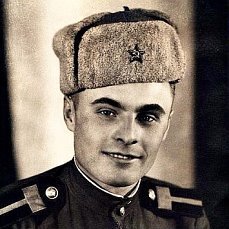
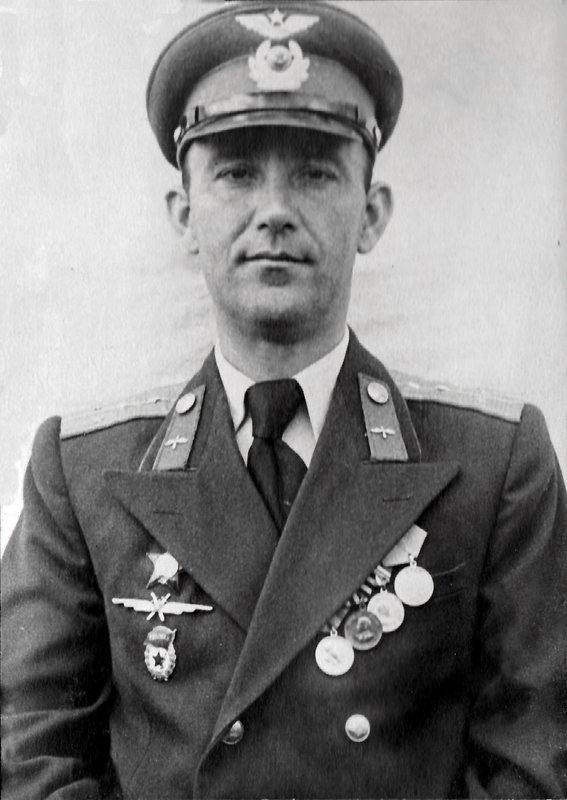
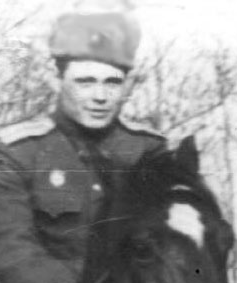
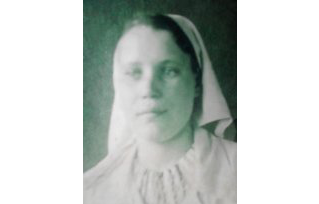
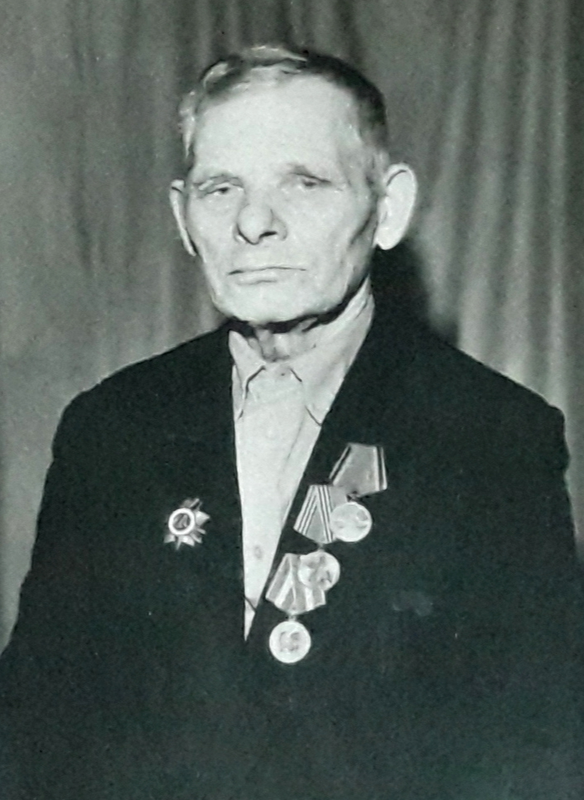

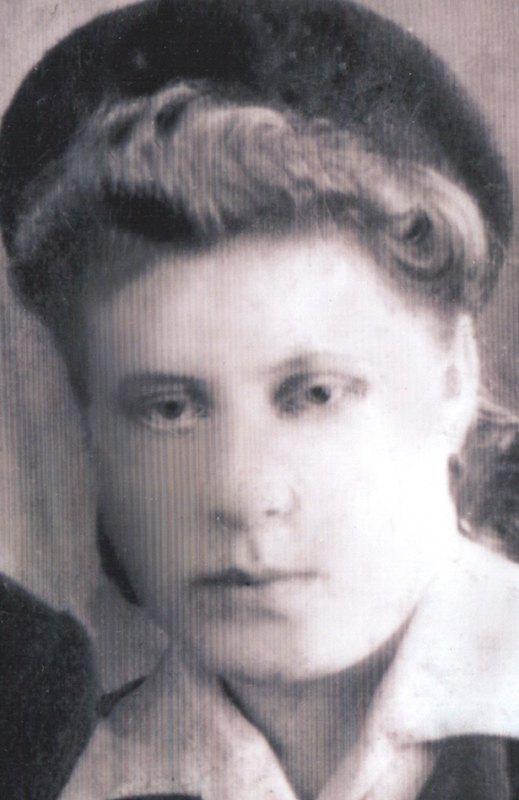
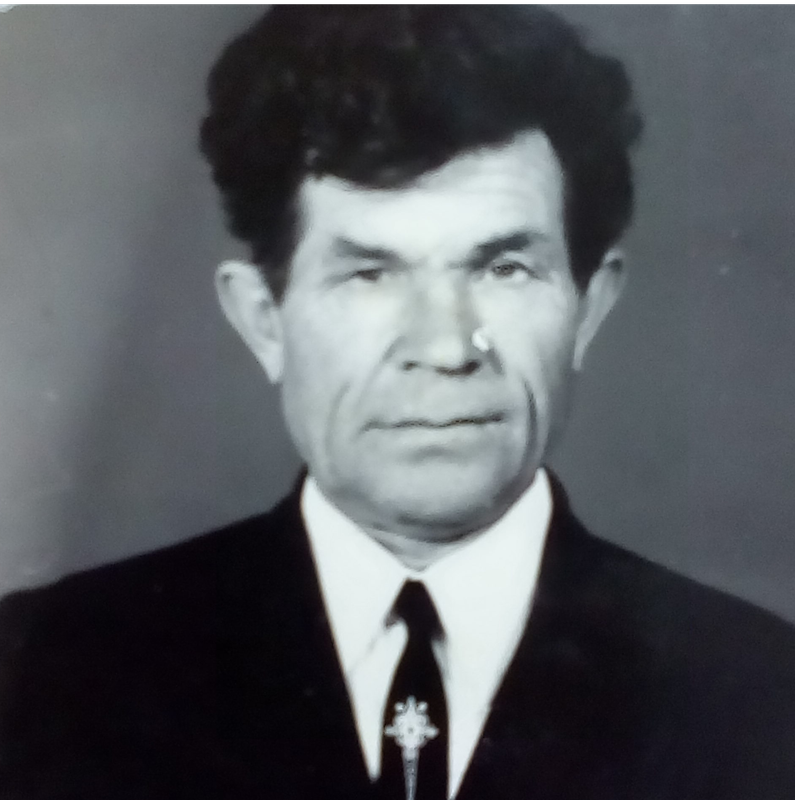
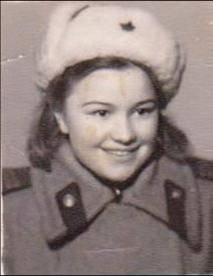
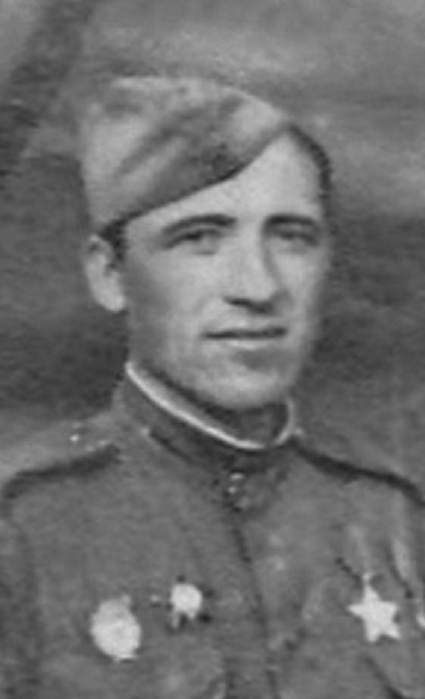
Koval Georgy (Georges) Abramovich
Type of troops: Troops of the NKVD and NKGB (except for the border). Koval Zhorzh Abramovich - Soviet intelligence officer, teacher at the Moscow Institute of Chemical Technology named after D.I. Mendeleev. Georges Koval was born on December 25, 1913 (old style) in the American town of Sue City, Iowa, into a family of Jewish emigrants from Western Belarus. He graduated from an American school and two years of chemistry college. When in 1932, during the crisis in the United States, everyone lost their jobs, the Kovalei family decided to leave for the Soviet Union. At the age of nineteen, Georgy Koval entered the Moscow Institute of Chemical Technology. Mendeleev, who graduated with honors. During his studies, Koval attracted the attention of the Main Intelligence Directorate: a talented chemist with knowledge of American realities could be very useful to the Soviet Union at this difficult time. After special training at the GRU, Koval began his work in the United States in 1940 under the operational pseudonym Delmar. When work began on the Manhattan Project (the creation of the atomic bomb), Georges Coval managed to get into the atomic center in Oak Ridge. He was assigned to the health safety department - his job was to ensure that radiation did not harm employees. Thanks to this, Koval had wide access to all objects of the huge nuclear complex. Climbing the career ladder, he gained access to more and more valuable information, which he transmitted to the USSR. Initially, Koval, under an assumed name, collected information about new toxins that could be used in chemical weapons. Thanks to Koval, information about the production of nuclear materials - plutonium, polonium and others - was collected and sent to Moscow. And the secret data received from him in December 1945 - February 1946 prompted Soviet scientists an idea and confirmed the correct way to solve the problem associated with the neutron fuse. When the Americans dropped an atomic bomb on Japan in August 1945, a Soviet defector informed the US authorities that the Soviet Union knew details about the Manhattan Project. Two years later, Koval had to flee the country: the American counterintelligence caught the eye of Soviet literature, which told about the Kovalei family, in the photo was Georgy Abramovich himself - patriots and happy emigrants from Iowa. Two months before the test of the first Soviet atomic bomb, Georges Abramovich resigned from the GRU, not reaching the officer rank, and got a job at his native Moscow State Technical University named after Bauman. At Baumanka he taught until retirement and dealt with the problems of chemical technology and the automation of chemical production. Koval Zh.A. enthusiastically engaged in science, prepared and published about a hundred serious scientific works, which were recognized in scientific circles. He took an active part in the work of scientific conferences, made presentations and reports, and for many years of work at the institute he was able to create a whole scientific heritage, which is still used by students of the D.I. Mendeleev. He lived in Moscow, where he died on January 31, 2006. He was awarded a medal "For the victory over Germany in the Great Patriotic War of 1941-1945", jubilee medals, a badge of honor "For service in military intelligence." On October 22, 2007, it became known that Russian President Vladimir Putin signed a decree conferring the title of Hero of Russia to intelligence officer Georges Koval - in the official statement he was named the only Soviet intelligence officer who managed to infiltrate the secret facilities of the project. His work, the statement said, enabled the Soviet Union to accelerate the creation of its own atomic bomb. Many details of the activities of this remarkable intelligence officer are still hidden under the heading "top secret".
Koval Georgy (Georges) Abramovich
Type of troops: Troops of the NKVD and NKGB (except for the border). Koval Zhorzh Abramovich - Soviet intelligence officer, teacher at the Moscow Institute of Chemical Technology named after D.I. Mendeleev. Georges Koval was born on December 25, 1913 (old style) in the American town of Sue City, Iowa, into a family of Jewish emigrants from Western Belarus. He graduated from an American school and two years of chemistry college. When in 1932, during the crisis in the United States, everyone lost their jobs, the Kovalei family decided to leave for the Soviet Union. At the age of nineteen, Georgy Koval entered the Moscow Institute of Chemical Technology. Mendeleev, who graduated with honors. During his studies, Koval attracted the attention of the Main Intelligence Directorate: a talented chemist with knowledge of American realities could be very useful to the Soviet Union at this difficult time. After special training at the GRU, Koval began his work in the United States in 1940 under the operational pseudonym Delmar. When work began on the Manhattan Project (the creation of the atomic bomb), Georges Coval managed to get into the atomic center in Oak Ridge. He was assigned to the health safety department - his job was to ensure that radiation did not harm employees. Thanks to this, Koval had wide access to all objects of the huge nuclear complex. Climbing the career ladder, he gained access to more and more valuable information, which he transmitted to the USSR. Initially, Koval, under an assumed name, collected information about new toxins that could be used in chemical weapons. Thanks to Koval, information about the production of nuclear materials - plutonium, polonium and others - was collected and sent to Moscow. And the secret data received from him in December 1945 - February 1946 prompted Soviet scientists an idea and confirmed the correct way to solve the problem associated with the neutron fuse. When the Americans dropped an atomic bomb on Japan in August 1945, a Soviet defector informed the US authorities that the Soviet Union knew details about the Manhattan Project. Two years later, Koval had to flee the country: the American counterintelligence caught the eye of Soviet literature, which told about the Kovalei family, in the photo was Georgy Abramovich himself - patriots and happy emigrants from Iowa. Two months before the test of the first Soviet atomic bomb, Georges Abramovich resigned from the GRU, not reaching the officer rank, and got a job at his native Moscow State Technical University named after Bauman. At Baumanka he taught until retirement and dealt with the problems of chemical technology and the automation of chemical production. Koval Zh.A. enthusiastically engaged in science, prepared and published about a hundred serious scientific works, which were recognized in scientific circles. He took an active part in the work of scientific conferences, made presentations and reports, and for many years of work at the institute he was able to create a whole scientific heritage, which is still used by students of the D.I. Mendeleev. He lived in Moscow, where he died on January 31, 2006. He was awarded a medal "For the victory over Germany in the Great Patriotic War of 1941-1945", jubilee medals, a badge of honor "For service in military intelligence." On October 22, 2007, it became known that Russian President Vladimir Putin signed a decree conferring the title of Hero of Russia to intelligence officer Georges Koval - in the official statement he was named the only Soviet intelligence officer who managed to infiltrate the secret facilities of the project. His work, the statement said, enabled the Soviet Union to accelerate the creation of its own atomic bomb. Many details of the activities of this remarkable intelligence officer are still hidden under the heading "top secret".
0 comment



2026 © Russian Military Historical Society Developed by Jetmix