Back to
album
album
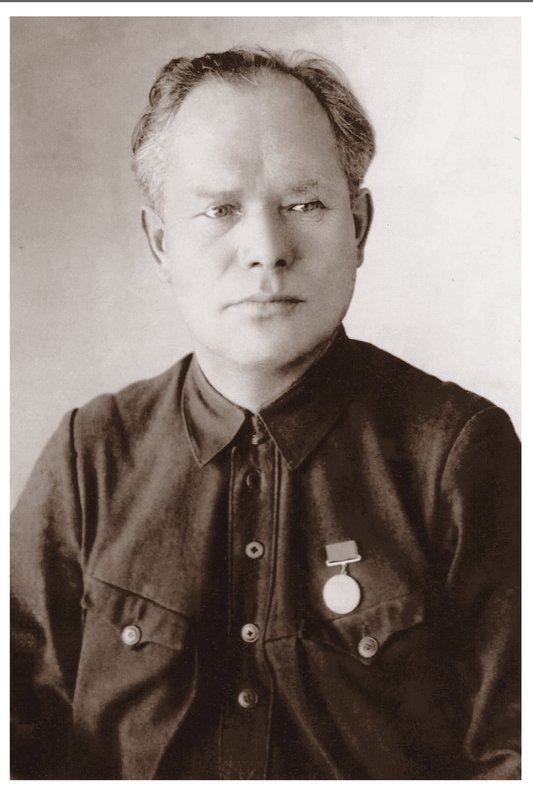
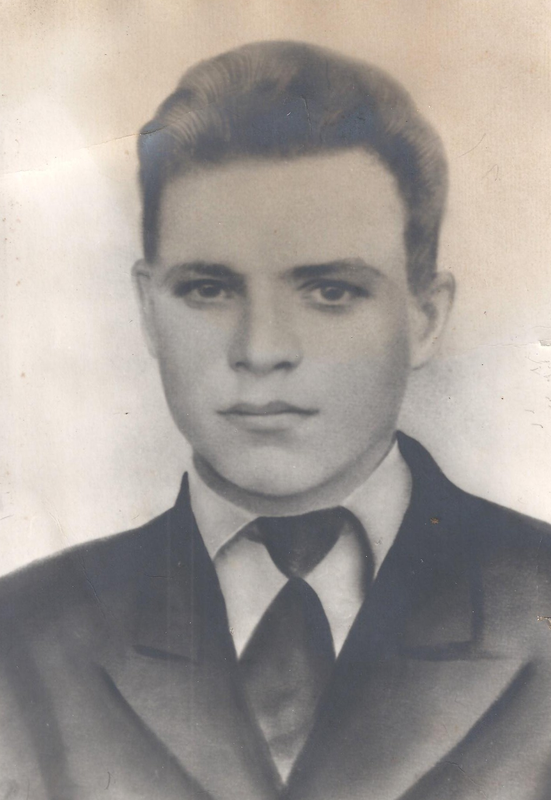
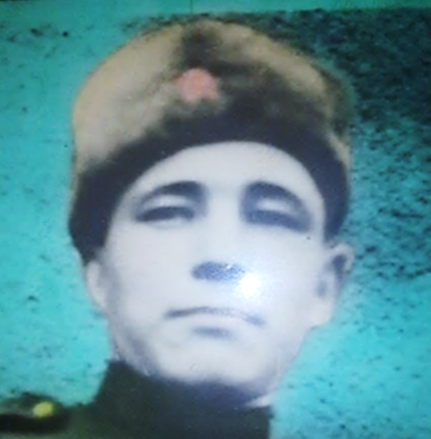
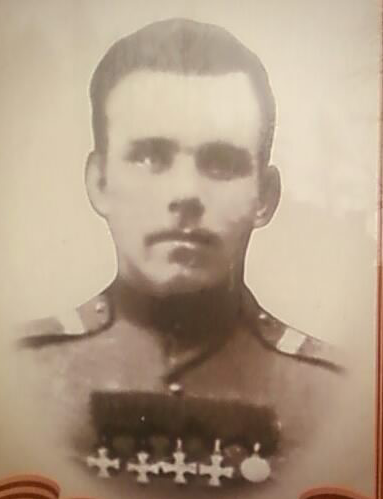
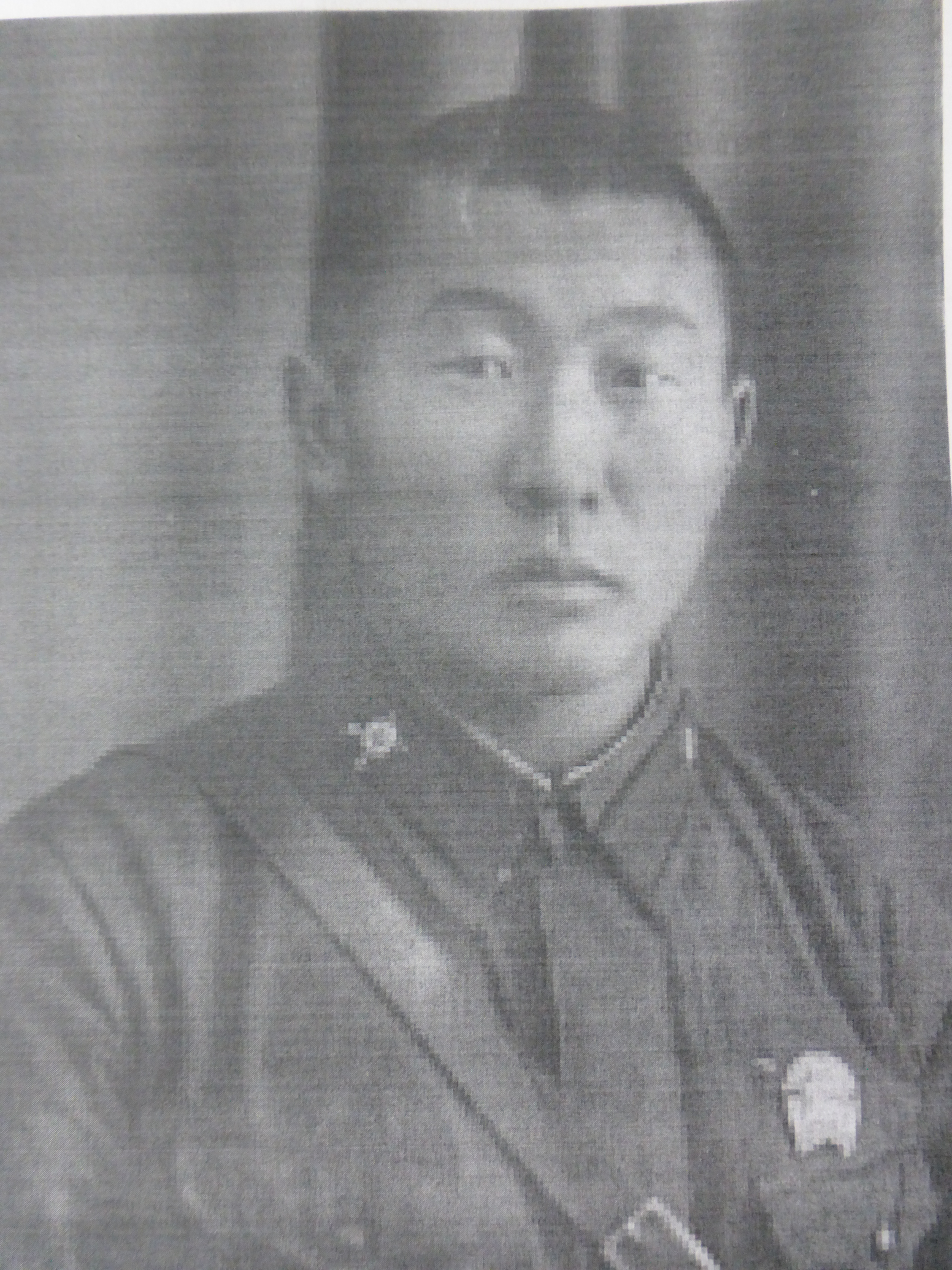
Khandazhapov Sodnom Banzaraktsayevich
Rank: Lieutenant Type of Troops: Ground Forces, Air Force (except naval aviation), coastal service, NKVD troops, border troops Sodnom Banzaraktsayevich was born in the village of Tsagatui, Dzhida region of the Republic of Buryatia. From 1935 to 1938 was a member of the Komsomol, worked as a secretary of the Komsomol organization of the collective farm, and since March 1940 - a member of the Communist Party. He served in active military service from the fall of 1938 to the fall of 1940 as a private in the 115 Trans-Baikal Cavalry Regiment of the 8th Cavalry Division in the 1st Red Banner Cavalry Division. In July 1941, he was mobilized and sent to study at the Military Komsomol School in the city of Irkutsk, graduated in December 1941 and received the rank of junior political instructor. In January 1941, with a marching echelon, he arrived at the 3rd Guards Cavalry Division of General L.M. Dovator and appointed military commissar of the mortar battery of the 9th Guards Cavalry Regiment. It was a multinational unit, people of 10 nationalities fought in it: Russians, Ukrainians, Belarusians, Buryats, Kirghiz, Uzbeks, Cossacks, Tatars, Ossetians, Circassians. The battery was commanded by the Ossetians Nikolai Friev. At first, he was very suspicious of Sodny Banzaraktsayevich - career soldiers, as a rule, disliked political workers. However, the new military commissar was distinguished by an energetic and fearless character, and was a true patriot. He went with the soldiers on the hunt for "cuckoos" (German snipers), pulled the telephone cable together with the signalmen, during the battle corrected the firing of the mortar battery, pulled out the wounded from the battlefield, i.e. The "staff rat" did not behave in any way and therefore the battalion commander quickly changed his attitude towards him. The last battle Sodnom Banzaraktsayevich took on March 18, 1943 near the village of Moritsky, Sumy region. Fascist infantry and 28 tanks attacked the 9th Guards Cavalry Regiment. The commander of the mortar platoon, Pukhov, was seriously wounded and the military commissar pulled him from the battlefield and took command. In this battle, Khanjapov was first wounded in the leg, but continued to lead the battle. The second injury, already severe (concussion and loss of the left arm). From the battlefield he was carried unconscious. After being wounded he was treated in hospitals in the city of Kursk and the city of Omsk. After the war, Sodnom Banzaraktsayevich never forgot his fellow soldiers. He was actively engaged in the search for fellow soldiers, the search for unknown heroes, the return of their memory to relatives, countrymen through newspaper magazine publications, wrote books. He is the author of the books "Saber campaign", "My fellow soldiers", "Cavalrymen in battles for the Motherland. Khanjapov also wrote about the heroes of Khalkin-Gol, the heroes of the Red Army who were unreasonably repressed. He wrote a lot and was admitted to the Union of Journalists of the USSR. Khanjapov Sodnom Banzaraktsayevich was awarded the Medals "For the Defense of Moscow", "For Courage", the Order of the Red Banner and the Order of the Red Star. He died on December 6, 1991, having lived 73 years, like his country, the Union of Soviet Socialist Republics. In his native village Tsagatui, Dzhida district of the Republic of Buryatia, a street is named after him.
Khandazhapov Sodnom Banzaraktsayevich
Rank: Lieutenant Type of Troops: Ground Forces, Air Force (except naval aviation), coastal service, NKVD troops, border troops Sodnom Banzaraktsayevich was born in the village of Tsagatui, Dzhida region of the Republic of Buryatia. From 1935 to 1938 was a member of the Komsomol, worked as a secretary of the Komsomol organization of the collective farm, and since March 1940 - a member of the Communist Party. He served in active military service from the fall of 1938 to the fall of 1940 as a private in the 115 Trans-Baikal Cavalry Regiment of the 8th Cavalry Division in the 1st Red Banner Cavalry Division. In July 1941, he was mobilized and sent to study at the Military Komsomol School in the city of Irkutsk, graduated in December 1941 and received the rank of junior political instructor. In January 1941, with a marching echelon, he arrived at the 3rd Guards Cavalry Division of General L.M. Dovator and appointed military commissar of the mortar battery of the 9th Guards Cavalry Regiment. It was a multinational unit, people of 10 nationalities fought in it: Russians, Ukrainians, Belarusians, Buryats, Kirghiz, Uzbeks, Cossacks, Tatars, Ossetians, Circassians. The battery was commanded by the Ossetians Nikolai Friev. At first, he was very suspicious of Sodny Banzaraktsayevich - career soldiers, as a rule, disliked political workers. However, the new military commissar was distinguished by an energetic and fearless character, and was a true patriot. He went with the soldiers on the hunt for "cuckoos" (German snipers), pulled the telephone cable together with the signalmen, during the battle corrected the firing of the mortar battery, pulled out the wounded from the battlefield, i.e. The "staff rat" did not behave in any way and therefore the battalion commander quickly changed his attitude towards him. The last battle Sodnom Banzaraktsayevich took on March 18, 1943 near the village of Moritsky, Sumy region. Fascist infantry and 28 tanks attacked the 9th Guards Cavalry Regiment. The commander of the mortar platoon, Pukhov, was seriously wounded and the military commissar pulled him from the battlefield and took command. In this battle, Khanjapov was first wounded in the leg, but continued to lead the battle. The second injury, already severe (concussion and loss of the left arm). From the battlefield he was carried unconscious. After being wounded he was treated in hospitals in the city of Kursk and the city of Omsk. After the war, Sodnom Banzaraktsayevich never forgot his fellow soldiers. He was actively engaged in the search for fellow soldiers, the search for unknown heroes, the return of their memory to relatives, countrymen through newspaper magazine publications, wrote books. He is the author of the books "Saber campaign", "My fellow soldiers", "Cavalrymen in battles for the Motherland. Khanjapov also wrote about the heroes of Khalkin-Gol, the heroes of the Red Army who were unreasonably repressed. He wrote a lot and was admitted to the Union of Journalists of the USSR. Khanjapov Sodnom Banzaraktsayevich was awarded the Medals "For the Defense of Moscow", "For Courage", the Order of the Red Banner and the Order of the Red Star. He died on December 6, 1991, having lived 73 years, like his country, the Union of Soviet Socialist Republics. In his native village Tsagatui, Dzhida district of the Republic of Buryatia, a street is named after him.
0 comment



2026 © Russian Military Historical Society Developed by Jetmix