Back to
album
album
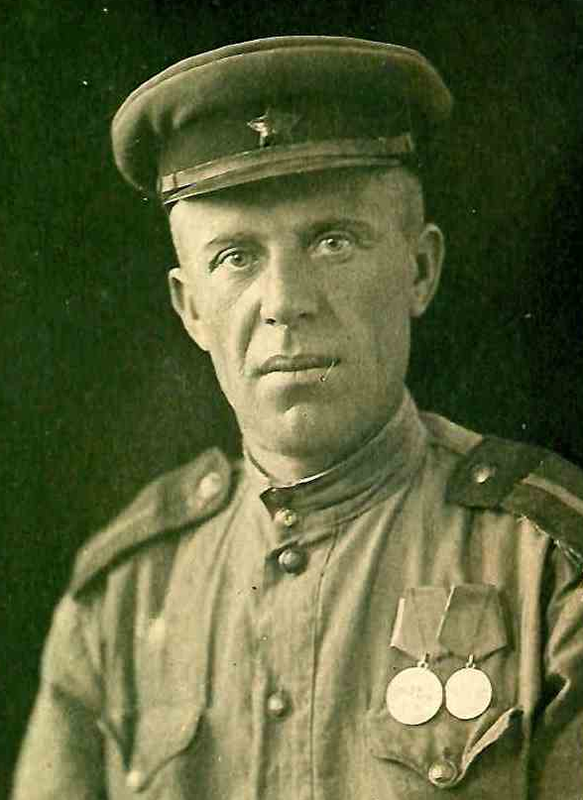
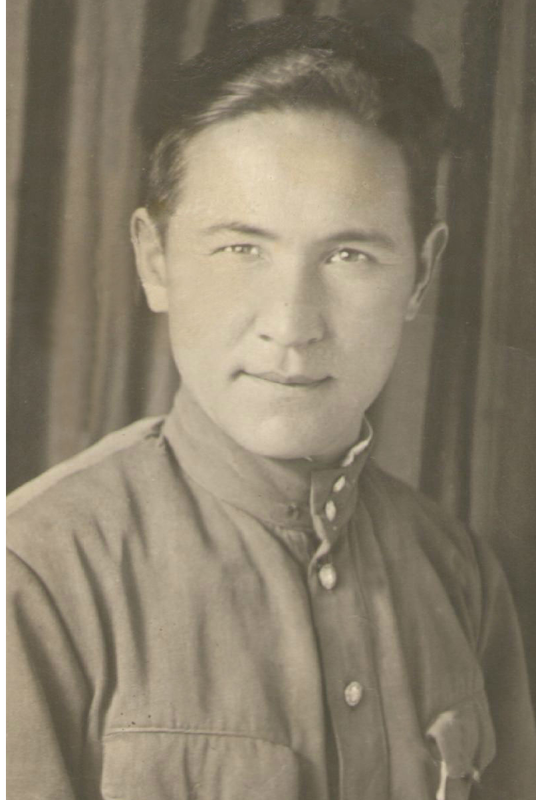
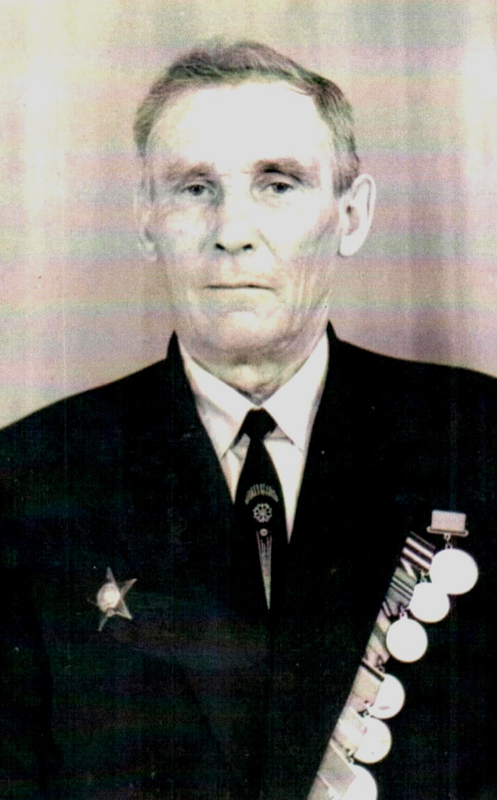
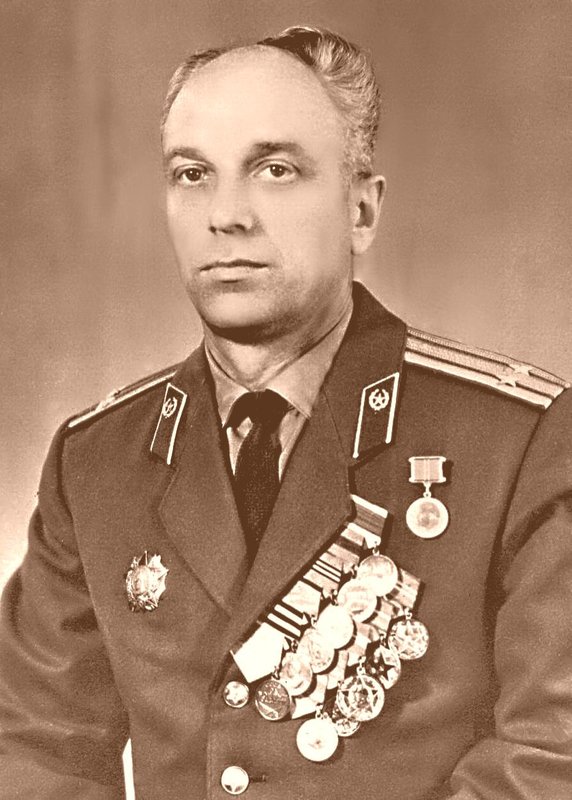
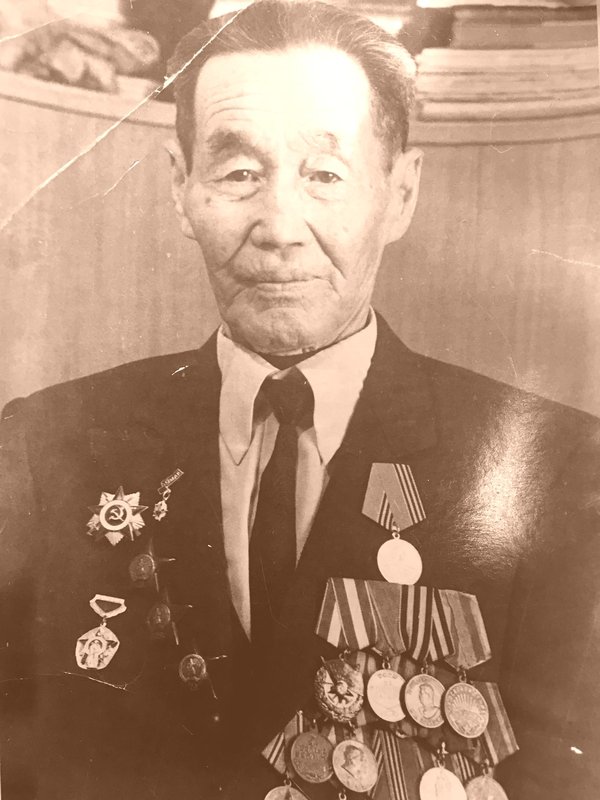
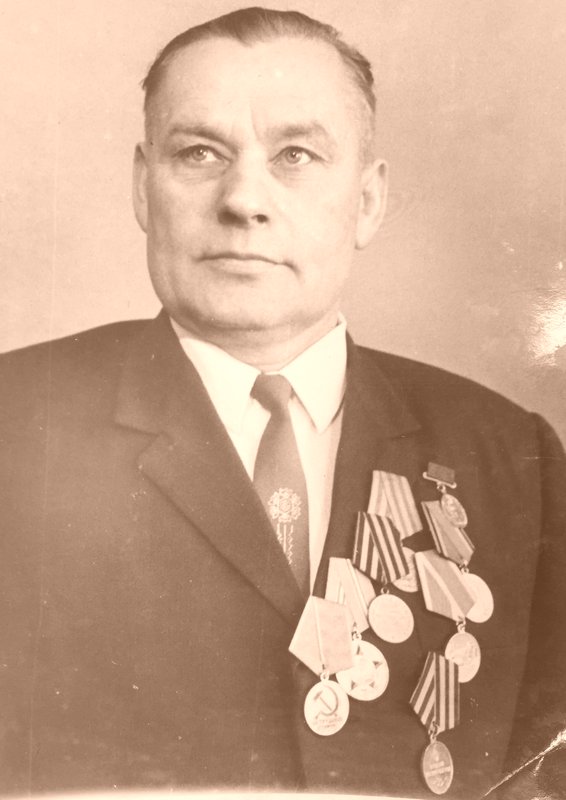
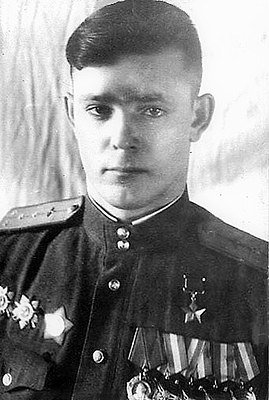
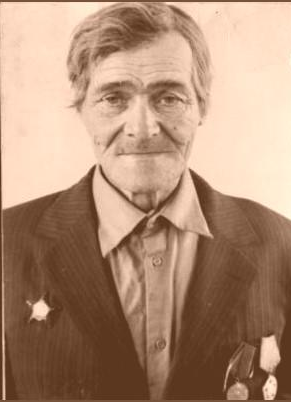
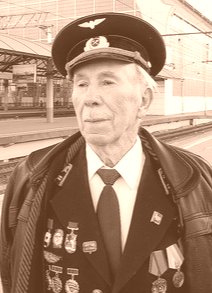
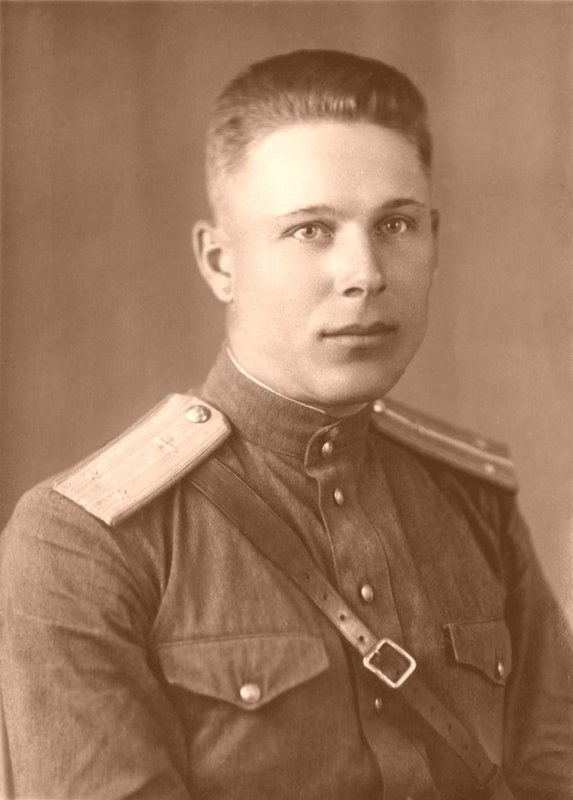
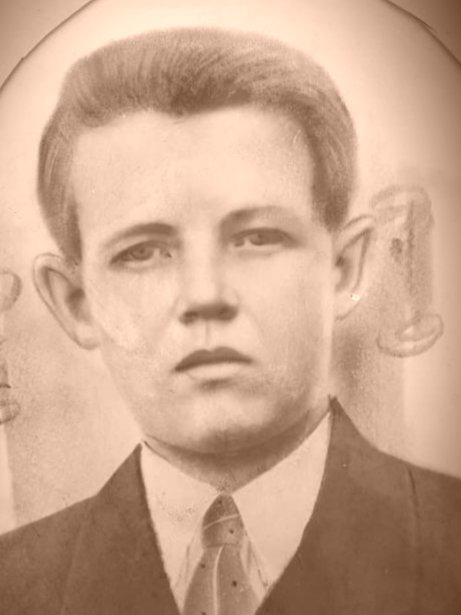
Ignatiev Egor Kondratievich
My great-grandfather, Yegor Ignatiev, was born on December 9, 1917 in the village Milukhino Bezhanitsky Velikoluksky district. At the age of 10, he and his family moved to the village. Novonikolskoe, Dzerzhinsky district, Krasnoyarsk Territory. After finishing school in grade 7, great-grandfather goes to work in a rural grocery store. When the war began, he called all the men in the village and told them: "Take everything you need in the store!" And since July 1941, my great-grandfather was drafted into the Red Army. The war found him as a grown man, 24 years old. He was sent to military unit №66476 by the foreman of the medical service. The combat path of the great-great-grandfather began on 08/30/1941. Egor Kondratyevich traveled the hard glorious path from Moscow to Konigsberg. And all the time he was at the front, in battles with the German invaders. He was badly wounded three times and awarded four government awards. Working as a senior clerk of the company, during the offensive on the Konigsberg direction in conditions of a constant mobile unit, he ensured the strictest accounting and safety of food and all property of the unit, as a result of which the slightest losses and theft of trophy and army valuables were prevented. He remembered many battles. But he especially remembered the battle at Yelnya. Collapse of Operation Typhoon. “Tears come out in my eyes, a lump rolls up my throat when I think about the late autumn of 1941. The bitterness of defeat, experienced in the days when a brown plague was approaching the capital along the roads of the Smolensk region, the Kalinin land, the Moscow region broken by the wheels of caterpillars. Black crosses on the turrets of tanks and the sides of cars, white skulls on the sleeves of uniforms. The time is anxious and formidable. After all, the enemy threatened our capital. It was then that I, a young Siberian boy, who had worked as a salesman in a rural store before military service, received my baptism of fire. The unit fought defensive battles along Yelnya. Here the Nazis felt what the steadfastness of a Russian soldier was, they felt the strength of our bayonet. But the forces were still unequal ... The sky was covered with smoke, black-brown clouds covered the sun. Fields, roadsides - all in craters. Mournfully rustle in the wind, as if mourning the fallen, birches and aspens. The enemy did not spare anyone - neither women, nor children, nor old people. Shoulder to shoulder with us fought the soldiers who came out of the encirclement. They told more than once about the horrors they experienced. And we took revenge. Batteries of anti-tank and anti-aircraft guns stood in the way of the enemy's armored armadas. They beat them with direct fire to hit the enemy for sure, to delay him. Where there were no guns, mobile detachments of tank destroyers appeared. Demolitions and sappers. They will drive up in a lorry, or even on ordinary horse-drawn carts, set mines, hedgehogs. And often brave Red Army men, armed only with grenades or Molotov cocktails, entered into single combat with the “tigers”. They did not spare themselves, did not take care, if only the enemy did not come up. Until the last bullet, to the last drop of blood, they fought on the outskirts of the capital. In one of the battles I was wounded. After returning from the hospital, I took part in the release of Klin. Words cannot convey that joy. After all, we drove the enemy to the west. So the ominous operation codenamed Typhoon was thwarted. Acting according to this plan, the Nazis tried to seize Moscow, but suffered a severe defeat. With a sense of pride, I now remember my fellow soldiers, participants in the Battle of Moscow, one of the greatest battles of the Second World War. ... We again walked on the Smolensk land, familiar from the autumn of 1941. Now to the west. " E. Ignatiev Great-grandfather was awarded 4 government awards. Among them is the most honorable medal "For Courage". Great-grandfather was also awarded medals "For the Defense of Moscow", "For the capture of Konigsberg", "For the victory over Germany in the Great Patriotic War of 1941-1945." After the war, he was awarded jubilee medals and the Order of the Patriotic War of the 1st degree. After the war, on October 31, 1945, he returned to his home, where his mother, father and family greeted him. And in November 1945 he married Ekaterina Vasilievna Ignatieva. They lived their whole lives together. Graduated from evening school. He worked as a seller, was the director of a food processing plant, organized agricultural supplies, then he was transferred to the regional party committee as an instructor. Yegor Kondratyevich died on 15.01. 2002.
Ignatiev Egor Kondratievich
My great-grandfather, Yegor Ignatiev, was born on December 9, 1917 in the village Milukhino Bezhanitsky Velikoluksky district. At the age of 10, he and his family moved to the village. Novonikolskoe, Dzerzhinsky district, Krasnoyarsk Territory. After finishing school in grade 7, great-grandfather goes to work in a rural grocery store. When the war began, he called all the men in the village and told them: "Take everything you need in the store!" And since July 1941, my great-grandfather was drafted into the Red Army. The war found him as a grown man, 24 years old. He was sent to military unit №66476 by the foreman of the medical service. The combat path of the great-great-grandfather began on 08/30/1941. Egor Kondratyevich traveled the hard glorious path from Moscow to Konigsberg. And all the time he was at the front, in battles with the German invaders. He was badly wounded three times and awarded four government awards. Working as a senior clerk of the company, during the offensive on the Konigsberg direction in conditions of a constant mobile unit, he ensured the strictest accounting and safety of food and all property of the unit, as a result of which the slightest losses and theft of trophy and army valuables were prevented. He remembered many battles. But he especially remembered the battle at Yelnya. Collapse of Operation Typhoon. “Tears come out in my eyes, a lump rolls up my throat when I think about the late autumn of 1941. The bitterness of defeat, experienced in the days when a brown plague was approaching the capital along the roads of the Smolensk region, the Kalinin land, the Moscow region broken by the wheels of caterpillars. Black crosses on the turrets of tanks and the sides of cars, white skulls on the sleeves of uniforms. The time is anxious and formidable. After all, the enemy threatened our capital. It was then that I, a young Siberian boy, who had worked as a salesman in a rural store before military service, received my baptism of fire. The unit fought defensive battles along Yelnya. Here the Nazis felt what the steadfastness of a Russian soldier was, they felt the strength of our bayonet. But the forces were still unequal ... The sky was covered with smoke, black-brown clouds covered the sun. Fields, roadsides - all in craters. Mournfully rustle in the wind, as if mourning the fallen, birches and aspens. The enemy did not spare anyone - neither women, nor children, nor old people. Shoulder to shoulder with us fought the soldiers who came out of the encirclement. They told more than once about the horrors they experienced. And we took revenge. Batteries of anti-tank and anti-aircraft guns stood in the way of the enemy's armored armadas. They beat them with direct fire to hit the enemy for sure, to delay him. Where there were no guns, mobile detachments of tank destroyers appeared. Demolitions and sappers. They will drive up in a lorry, or even on ordinary horse-drawn carts, set mines, hedgehogs. And often brave Red Army men, armed only with grenades or Molotov cocktails, entered into single combat with the “tigers”. They did not spare themselves, did not take care, if only the enemy did not come up. Until the last bullet, to the last drop of blood, they fought on the outskirts of the capital. In one of the battles I was wounded. After returning from the hospital, I took part in the release of Klin. Words cannot convey that joy. After all, we drove the enemy to the west. So the ominous operation codenamed Typhoon was thwarted. Acting according to this plan, the Nazis tried to seize Moscow, but suffered a severe defeat. With a sense of pride, I now remember my fellow soldiers, participants in the Battle of Moscow, one of the greatest battles of the Second World War. ... We again walked on the Smolensk land, familiar from the autumn of 1941. Now to the west. " E. Ignatiev Great-grandfather was awarded 4 government awards. Among them is the most honorable medal "For Courage". Great-grandfather was also awarded medals "For the Defense of Moscow", "For the capture of Konigsberg", "For the victory over Germany in the Great Patriotic War of 1941-1945." After the war, he was awarded jubilee medals and the Order of the Patriotic War of the 1st degree. After the war, on October 31, 1945, he returned to his home, where his mother, father and family greeted him. And in November 1945 he married Ekaterina Vasilievna Ignatieva. They lived their whole lives together. Graduated from evening school. He worked as a seller, was the director of a food processing plant, organized agricultural supplies, then he was transferred to the regional party committee as an instructor. Yegor Kondratyevich died on 15.01. 2002.
0 comment




2026 © Russian Military Historical Society Developed by Jetmix