Back to
album
album
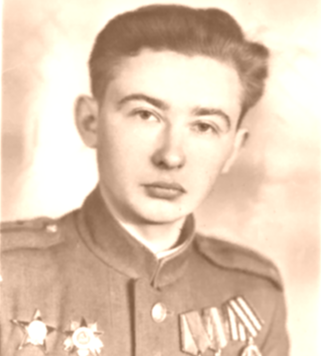
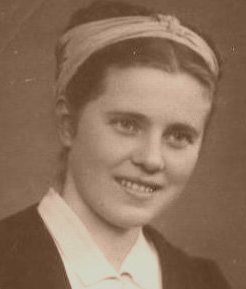
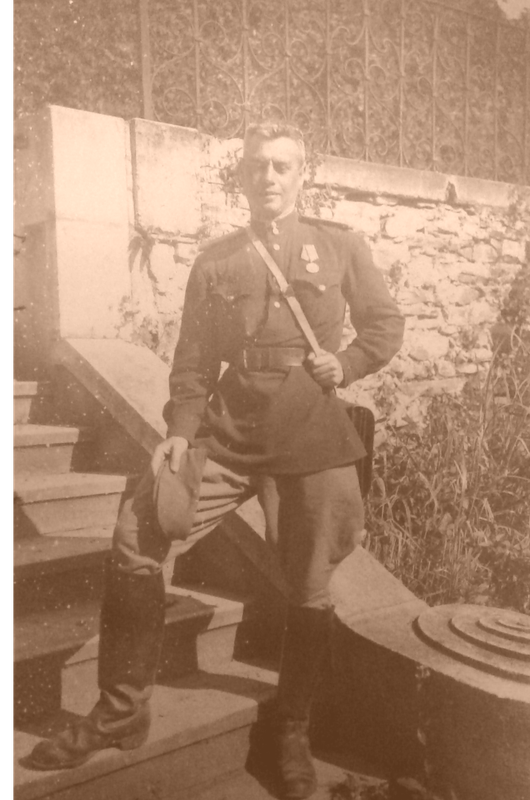
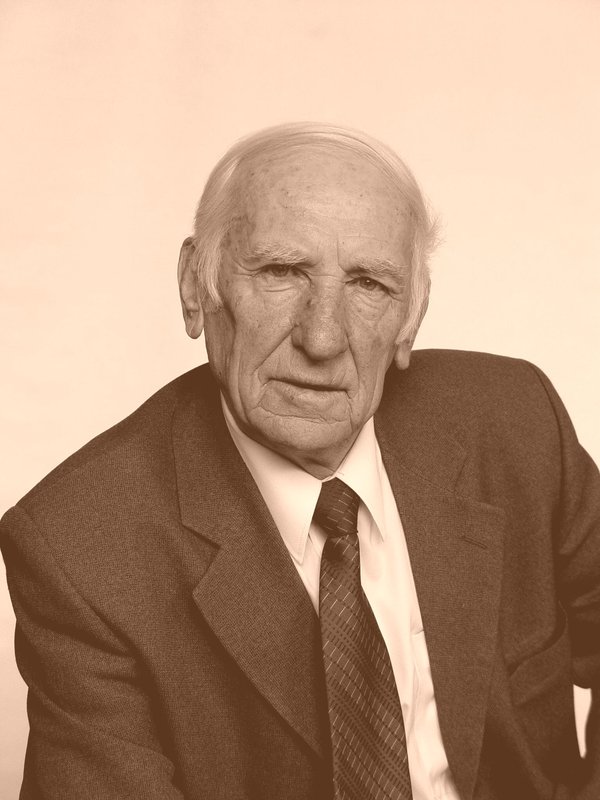
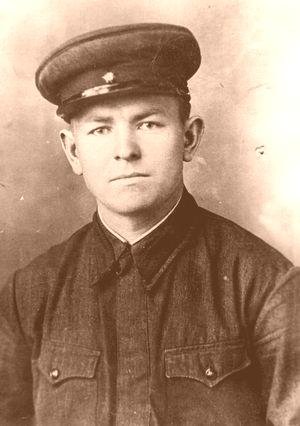
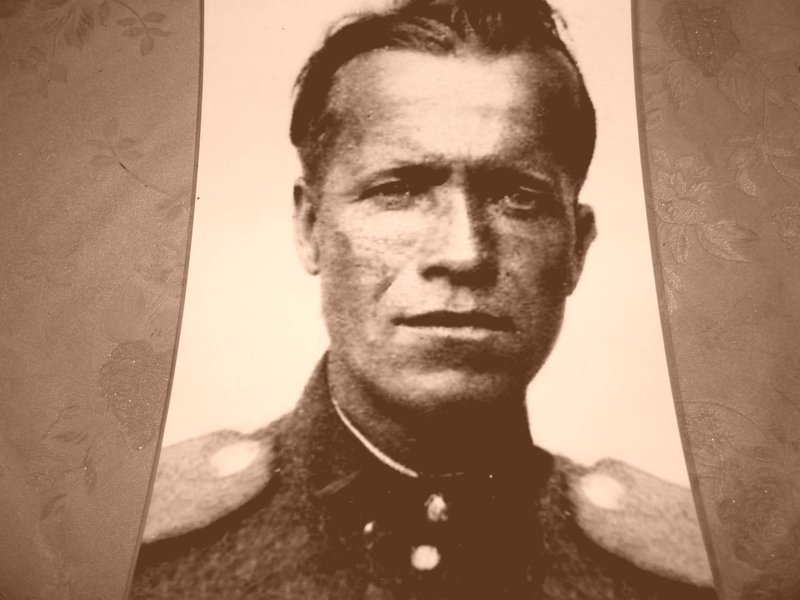
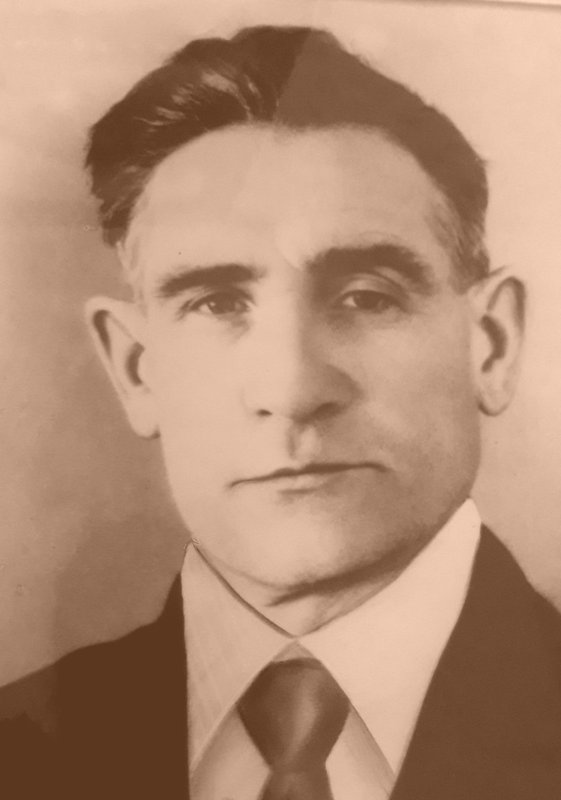
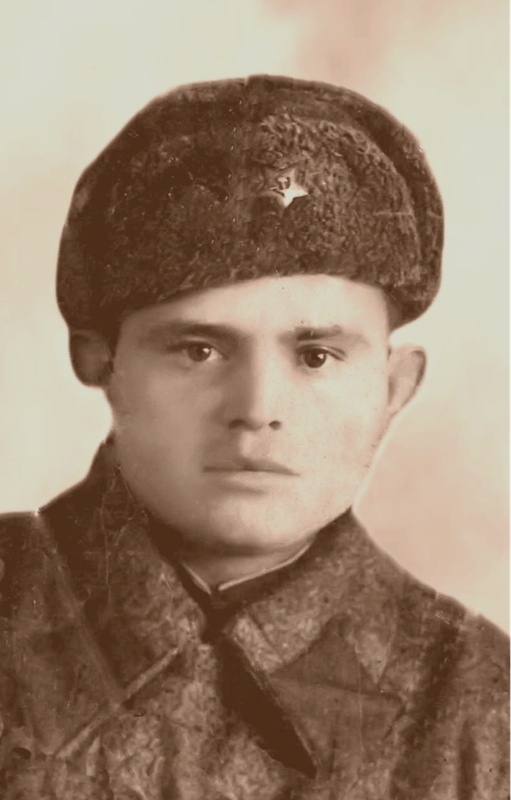
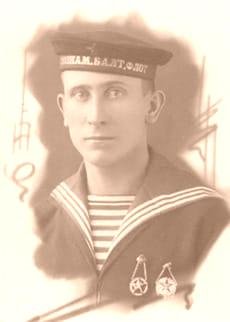
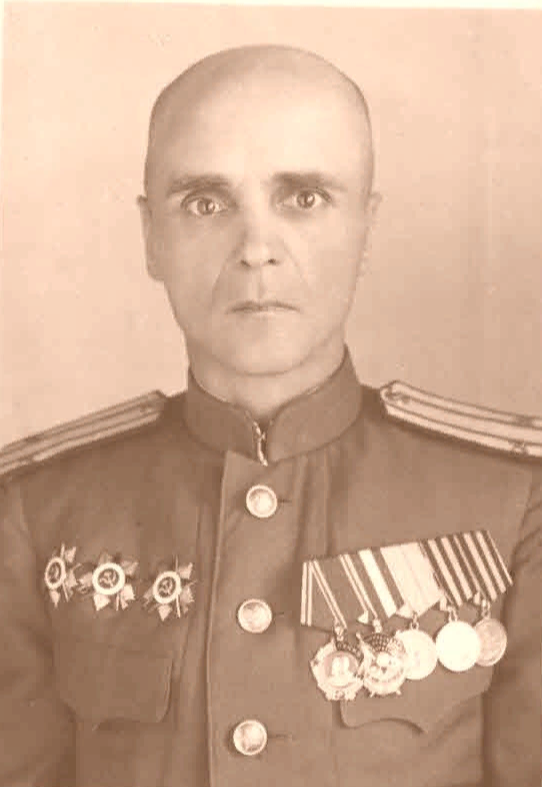
Stepan Panin
Village of Maksimovo, Melenkovsky District_x000D_
DATE OF BIRTH: 14.08.1913_x000D_
Panin Stepan was born on August 1, old style (August 14, new) in 1913 in the village of Maksimovo, Melenkovsky District._x000D_
He worked on for the Mezinovskiy factory "Izoplit" as a press operator untilo 31.10.1941 . Then he was sent to the front as a private. from 1.02.1941 to 2.01.1942 he served in the 8th detachment of the bridge railway battalion. During this period, his battalion performed tasks protecting railway structures on the South-Western Railway in Ukraine. He took part in the fight against sabotage and reconnaissance groups of the enemy. _x000D_
He was sent to the 4th detachment of the bridge railway regiment of the Moscow Military District from 2.01.1942 to 2.08.1942.The task of the battalion was to restore bridges that were destroyed by the enemy, many bridges were mined and they had to clear them. When Stalingrad was liberated, the Nazis retreated and began to destroy bridges along the entire front. It was necessary to restore them as soon as possible. Their detachment was bombed several times._x000D_
Private Panin was transferred to the 9th Separate Bridge Railway Battalion, the 2nd Baltic Front on August 2, 1942. After the blockade, the battalion built a new railway Shlisselburg-Polyana, by f which the first train arrived in Leningrad on February 7, 1943, after blockade was lifted. He and some other soldiers were transferred to the 41st Rifle Regiment of the 219th Rifle Division of the 2nd Baltic Front on April 24, 1944. My grandfather was wunded in the arm on June 23 and sent to the hospital. He was there until July 11, 1944. The 219th Division was awarded the honorary title “Idritskaya" on July 13, 1944 for its successful actions in the Idritskaya Operation._x000D_
The division entered the territory of Latvia on 17.07.1944. He receives a second wound in the head 14.08.1944. This bullet remained with him forever._x000D_
After the hospital on 2.11.1944, he returns to his division and took part in the Riga operation. Due to a shortage of officers, he was sent to the Second Lieutenant course in December 1944, for six months. After completing the course, he was sent to the 196th Rifle Division as a Platoon Commander. His platoon took part in the battles in the area of the Gulf of Riga and the city of Tukums, the disarmament of the Kurland Group of German army._x000D_
Although May 9 was declared a Victory Day, the Nazis were still on our land and the division continued to destroy and capture the Germans. My grandfather returned home on May 21, 1946.
Stepan Panin
Village of Maksimovo, Melenkovsky District_x000D_
DATE OF BIRTH: 14.08.1913_x000D_
Panin Stepan was born on August 1, old style (August 14, new) in 1913 in the village of Maksimovo, Melenkovsky District._x000D_
He worked on for the Mezinovskiy factory "Izoplit" as a press operator untilo 31.10.1941 . Then he was sent to the front as a private. from 1.02.1941 to 2.01.1942 he served in the 8th detachment of the bridge railway battalion. During this period, his battalion performed tasks protecting railway structures on the South-Western Railway in Ukraine. He took part in the fight against sabotage and reconnaissance groups of the enemy. _x000D_
He was sent to the 4th detachment of the bridge railway regiment of the Moscow Military District from 2.01.1942 to 2.08.1942.The task of the battalion was to restore bridges that were destroyed by the enemy, many bridges were mined and they had to clear them. When Stalingrad was liberated, the Nazis retreated and began to destroy bridges along the entire front. It was necessary to restore them as soon as possible. Their detachment was bombed several times._x000D_
Private Panin was transferred to the 9th Separate Bridge Railway Battalion, the 2nd Baltic Front on August 2, 1942. After the blockade, the battalion built a new railway Shlisselburg-Polyana, by f which the first train arrived in Leningrad on February 7, 1943, after blockade was lifted. He and some other soldiers were transferred to the 41st Rifle Regiment of the 219th Rifle Division of the 2nd Baltic Front on April 24, 1944. My grandfather was wunded in the arm on June 23 and sent to the hospital. He was there until July 11, 1944. The 219th Division was awarded the honorary title “Idritskaya" on July 13, 1944 for its successful actions in the Idritskaya Operation._x000D_
The division entered the territory of Latvia on 17.07.1944. He receives a second wound in the head 14.08.1944. This bullet remained with him forever._x000D_
After the hospital on 2.11.1944, he returns to his division and took part in the Riga operation. Due to a shortage of officers, he was sent to the Second Lieutenant course in December 1944, for six months. After completing the course, he was sent to the 196th Rifle Division as a Platoon Commander. His platoon took part in the battles in the area of the Gulf of Riga and the city of Tukums, the disarmament of the Kurland Group of German army._x000D_
Although May 9 was declared a Victory Day, the Nazis were still on our land and the division continued to destroy and capture the Germans. My grandfather returned home on May 21, 1946.
0 comment




2026 © Russian Military Historical Society Developed by Jetmix