Back to
album
album
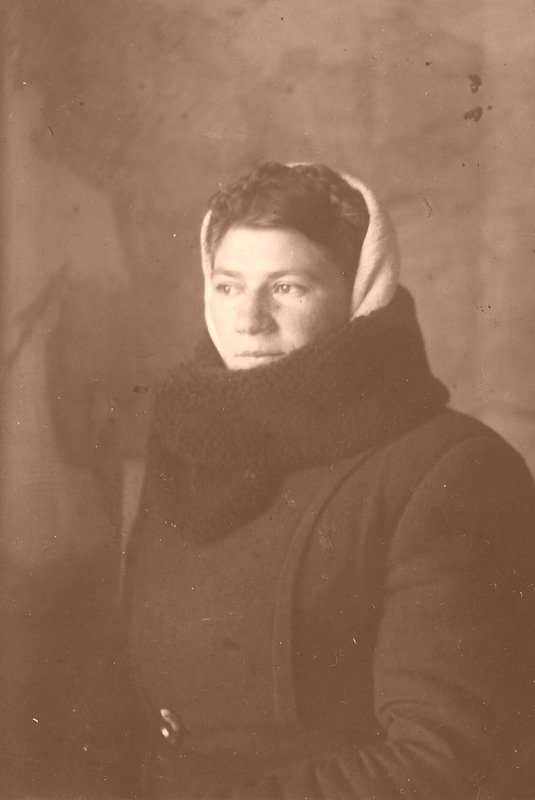
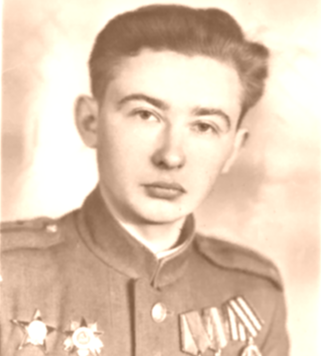
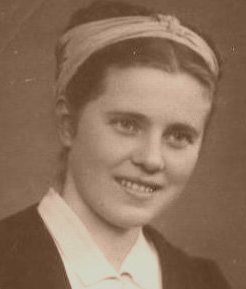
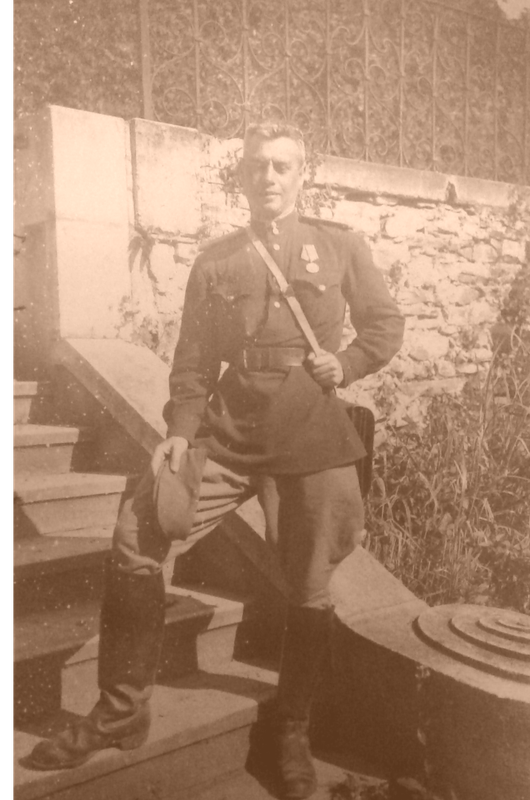
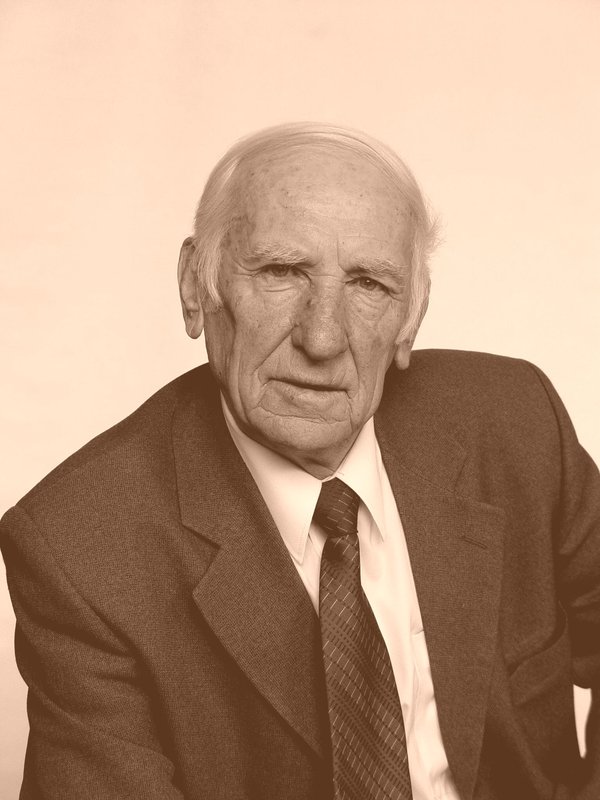
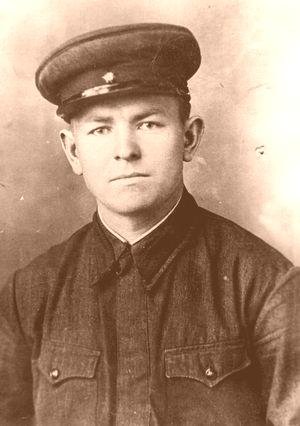
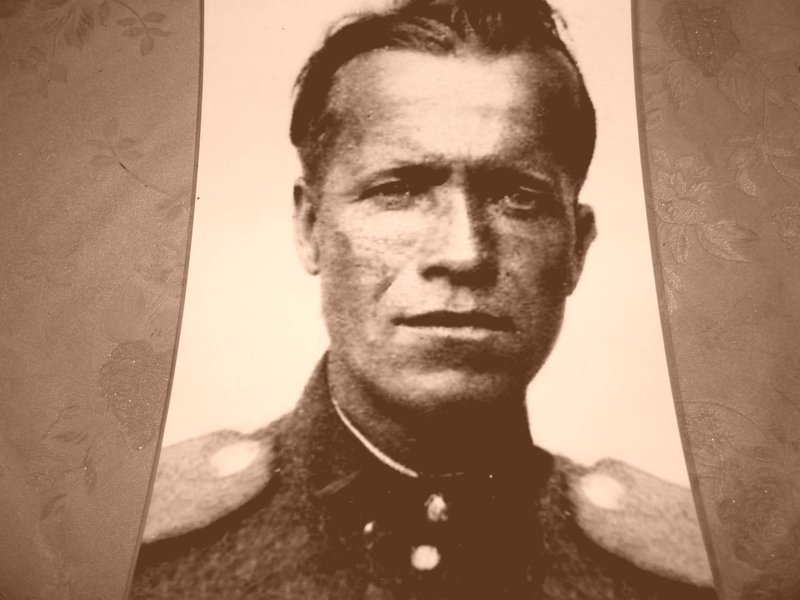
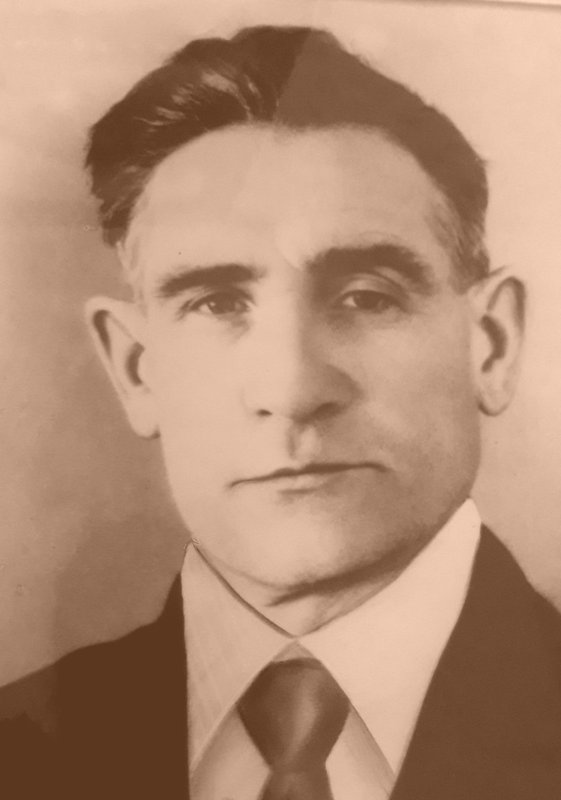
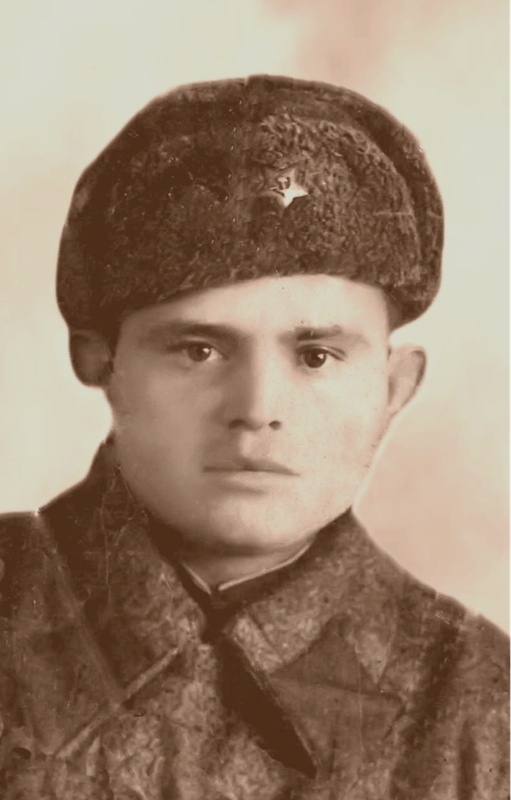
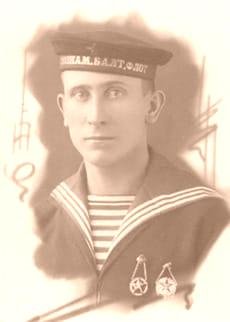
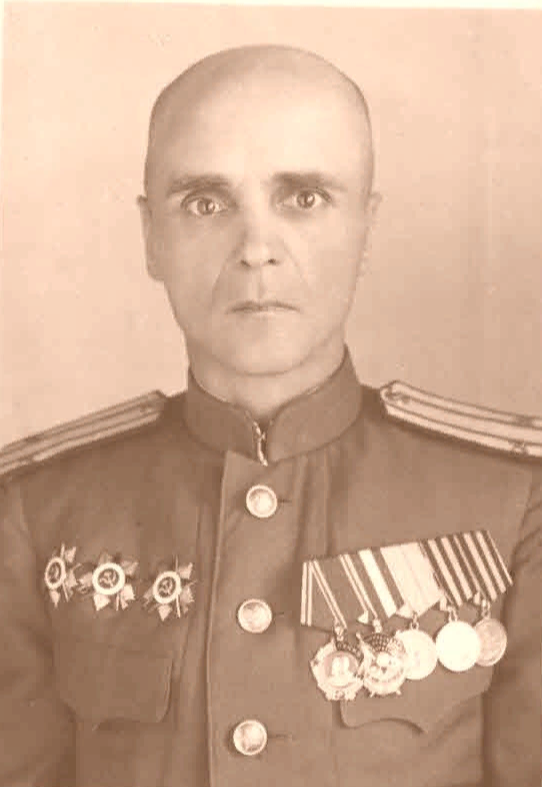
Ponikarov Alexander Ilyich
Full name: Ponikarov Alexander Ilyich _x000D_
PATRONYMIC: I. the CITY: the village Ulyankovo Apastovsky district of the Tatar Republic _x000D_
DATE of BIRTH: 10.02.1919 _x000D_
DATE of DEATH: 30.09.1999 _x000D_
_x000D_
HISTORY: Alexander was born February 10, 1919 in the village Ulanovo Apastovsky district of the Tatar Republic. The family had seven children, Sasha was the middle one. He left unique memories. "Six months later, we, young people, were sent to study at the Shimanovsky Federal educational institution (factory apprenticeship). In 1939, after graduating from the Federal law school, I was drafted into the red army. From 1939 to 1940-th years he studied at the regimental school in Bashkiria, located in the small district town Davlekanovo. In the center of the town there was a Park where my friend and I walked in the evenings and met Bashkir girls. The friend was a Tatar, he spoke freely with his girlfriend. I didn't know either Bashkir or Tatar, so we just walked around the Park with the girl, but when we got together, a friend translated each other's words for us. So we were friends for eight months. At the end of the regimental school, I was promoted to the rank of Sergeant. For further service, they were sent to The Kamyshlov camps of the disciplinary battalion. Kamyshlov has a hilly area, many lakes, and a forest. The convicts were soldiers who were guilty in the army: those who were late from discharge, who violated discipline. They lived in the barracks closely, the air was stale, especially after the night. There was no lavatory, and there were cisterns in the barracks that were used at night. During the day, the tanks were removed from the barracks. The penal guards worked on the construction of farms, pigsties, went to the forest for sand and clay, we accompanied them and guarded them. In my spare time, I visited the library, took interesting books, and read a lot. Three months later, I was transferred to the Kungur camps in a rifle unit. Here I served as a squad leader and was trained with the platoon commander. By the beginning of 1941, we were transported in freight cars to the Belarusian forests, near the border. Tents were pitched in the woods and classes were held. Since June 1941, I participated in the great Patriotic war as part of the 385 rifle regiment of the Ural military district, and participated in reconnaissance operations on the Western Dvina. Immediately after the Declaration of war in June 1941, we went along the Western Dvina river to meet the Germans. On the roads they saw dead and burned soldiers, horses, burned cars. The war was felt everywhere. The first to join the battle were the cadets of the officer school. We were armed with 1881-30 rifles (Mosin rifle), while the Germans had submachine guns. In the future, the fighting stopped, and we began to retreat along the Western Dvina. We went at night, we wanted to sleep, we went and slept, sometimes we had to fight the Germans. They tried to surround us, dropped troops in front of us, and we dug in. Aircraft bombed from the air. It was raining, we were sitting in the trenches in the water, starving, because the Germans destroyed our base with food. The civilian population retreated with us. They fought their way through the front line. In one of the battles at the end of 1941, I was wounded in the leg. After undergoing treatment in the hospital, I was sent with a team of convalescents to the rear, in the city of Ufa. In Ufa, I graduated from Junior Lieutenant courses. He continued his service in Bashkiria in the Alka military camps. In 1942, he returned to service. He served as a platoon commander, preparing for the front line fighters. Before the end of the war, he prepared 18 platoons for the front. In 1944, I was sent to the course "shot". It was a famous military educational institution for retraining and advanced training of commanders. Graduates of the courses perfectly coped with the management of their units in the most difficult combat situation, always timely and accurately completed the assigned combat tasks. After completing the course in 1945-1946, he served in the Furman district military Commissariat as an instructor of the fourth part. Here we lived as a citizen, went to dances in the evenings, met girls. In may 1945, the war ended. I was awarded medals: "For military merits", "for the Victory over Germany in the great Patriotic war of 1941-1945","for impeccable service in the Soviet army". In 1946, the military enlistment office sent me to remote areas to check on physical education classes in schools. There were no textbooks in schools, they wrote on scraps of Newspapers, and some children did not have winter shoes. People lived in poverty, starving, some sleeping in their shacks on straw, there were many sick people-complete poverty. I got from village to village on foot, in the spring it became more difficult to get there, my feet were wet and there was no place to dry. After returning to the military enlistment office, I wrote a report about the trip, but no one in the military enlistment office needed it. I felt empty inside. At one of the evenings in the village, I noticed a girl named Tamara, a very decent and beautiful Ural Cossack. Her character was cheerful. We went to the club to dance, sometimes going to parties. We spent a lot of time together in her little room. I was genuinely attached to her. She would have been a wonderful wife, but the time was hard and I couldn't offer her anything. Tamara was a young, pretty woman who could arrange her own life well. And I didn't have my own place, I didn't have any money. I was starving, always hungry. A loaf of bread cost 100 rubles, herring-15 rubles fish. Rations were given for a day-800 g of bread, a little grain, all this was too little for the life of even one person, and even more so for a family. The war robbed me of the years when people usually take care of the girls and marry. Then I studied until I was 40, and later it turned out to be quite difficult to get married. In 1946, I was discharged from the army with the military rank of "senior Lieutenant of a combined-arms unit" and returned to Kazan. I went to night school in the eighth grade. Then he went to the Kazan art school, where he graduated in 1953. I went to Leningrad to continue my studies. He entered the Leningrad higher industrial art school named after Mukhina, majoring in "artist of decorative and applied arts".
Ponikarov Alexander Ilyich
Full name: Ponikarov Alexander Ilyich _x000D_
PATRONYMIC: I. the CITY: the village Ulyankovo Apastovsky district of the Tatar Republic _x000D_
DATE of BIRTH: 10.02.1919 _x000D_
DATE of DEATH: 30.09.1999 _x000D_
_x000D_
HISTORY: Alexander was born February 10, 1919 in the village Ulanovo Apastovsky district of the Tatar Republic. The family had seven children, Sasha was the middle one. He left unique memories. "Six months later, we, young people, were sent to study at the Shimanovsky Federal educational institution (factory apprenticeship). In 1939, after graduating from the Federal law school, I was drafted into the red army. From 1939 to 1940-th years he studied at the regimental school in Bashkiria, located in the small district town Davlekanovo. In the center of the town there was a Park where my friend and I walked in the evenings and met Bashkir girls. The friend was a Tatar, he spoke freely with his girlfriend. I didn't know either Bashkir or Tatar, so we just walked around the Park with the girl, but when we got together, a friend translated each other's words for us. So we were friends for eight months. At the end of the regimental school, I was promoted to the rank of Sergeant. For further service, they were sent to The Kamyshlov camps of the disciplinary battalion. Kamyshlov has a hilly area, many lakes, and a forest. The convicts were soldiers who were guilty in the army: those who were late from discharge, who violated discipline. They lived in the barracks closely, the air was stale, especially after the night. There was no lavatory, and there were cisterns in the barracks that were used at night. During the day, the tanks were removed from the barracks. The penal guards worked on the construction of farms, pigsties, went to the forest for sand and clay, we accompanied them and guarded them. In my spare time, I visited the library, took interesting books, and read a lot. Three months later, I was transferred to the Kungur camps in a rifle unit. Here I served as a squad leader and was trained with the platoon commander. By the beginning of 1941, we were transported in freight cars to the Belarusian forests, near the border. Tents were pitched in the woods and classes were held. Since June 1941, I participated in the great Patriotic war as part of the 385 rifle regiment of the Ural military district, and participated in reconnaissance operations on the Western Dvina. Immediately after the Declaration of war in June 1941, we went along the Western Dvina river to meet the Germans. On the roads they saw dead and burned soldiers, horses, burned cars. The war was felt everywhere. The first to join the battle were the cadets of the officer school. We were armed with 1881-30 rifles (Mosin rifle), while the Germans had submachine guns. In the future, the fighting stopped, and we began to retreat along the Western Dvina. We went at night, we wanted to sleep, we went and slept, sometimes we had to fight the Germans. They tried to surround us, dropped troops in front of us, and we dug in. Aircraft bombed from the air. It was raining, we were sitting in the trenches in the water, starving, because the Germans destroyed our base with food. The civilian population retreated with us. They fought their way through the front line. In one of the battles at the end of 1941, I was wounded in the leg. After undergoing treatment in the hospital, I was sent with a team of convalescents to the rear, in the city of Ufa. In Ufa, I graduated from Junior Lieutenant courses. He continued his service in Bashkiria in the Alka military camps. In 1942, he returned to service. He served as a platoon commander, preparing for the front line fighters. Before the end of the war, he prepared 18 platoons for the front. In 1944, I was sent to the course "shot". It was a famous military educational institution for retraining and advanced training of commanders. Graduates of the courses perfectly coped with the management of their units in the most difficult combat situation, always timely and accurately completed the assigned combat tasks. After completing the course in 1945-1946, he served in the Furman district military Commissariat as an instructor of the fourth part. Here we lived as a citizen, went to dances in the evenings, met girls. In may 1945, the war ended. I was awarded medals: "For military merits", "for the Victory over Germany in the great Patriotic war of 1941-1945","for impeccable service in the Soviet army". In 1946, the military enlistment office sent me to remote areas to check on physical education classes in schools. There were no textbooks in schools, they wrote on scraps of Newspapers, and some children did not have winter shoes. People lived in poverty, starving, some sleeping in their shacks on straw, there were many sick people-complete poverty. I got from village to village on foot, in the spring it became more difficult to get there, my feet were wet and there was no place to dry. After returning to the military enlistment office, I wrote a report about the trip, but no one in the military enlistment office needed it. I felt empty inside. At one of the evenings in the village, I noticed a girl named Tamara, a very decent and beautiful Ural Cossack. Her character was cheerful. We went to the club to dance, sometimes going to parties. We spent a lot of time together in her little room. I was genuinely attached to her. She would have been a wonderful wife, but the time was hard and I couldn't offer her anything. Tamara was a young, pretty woman who could arrange her own life well. And I didn't have my own place, I didn't have any money. I was starving, always hungry. A loaf of bread cost 100 rubles, herring-15 rubles fish. Rations were given for a day-800 g of bread, a little grain, all this was too little for the life of even one person, and even more so for a family. The war robbed me of the years when people usually take care of the girls and marry. Then I studied until I was 40, and later it turned out to be quite difficult to get married. In 1946, I was discharged from the army with the military rank of "senior Lieutenant of a combined-arms unit" and returned to Kazan. I went to night school in the eighth grade. Then he went to the Kazan art school, where he graduated in 1953. I went to Leningrad to continue my studies. He entered the Leningrad higher industrial art school named after Mukhina, majoring in "artist of decorative and applied arts".
0 comment



2026 © Russian Military Historical Society Developed by Jetmix