Back to
album
album
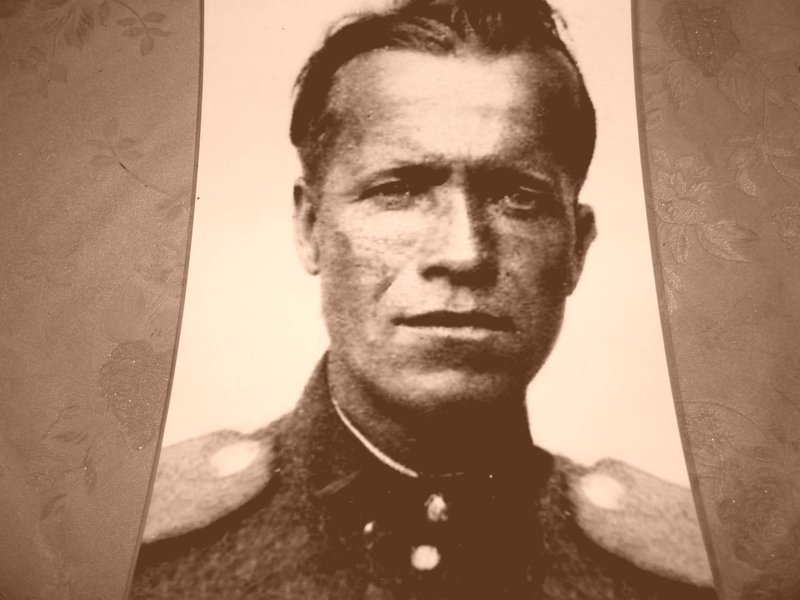
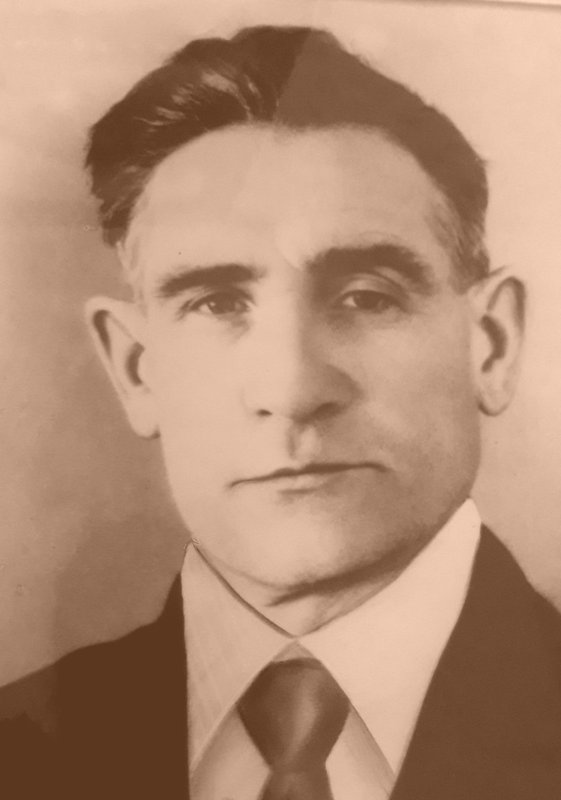
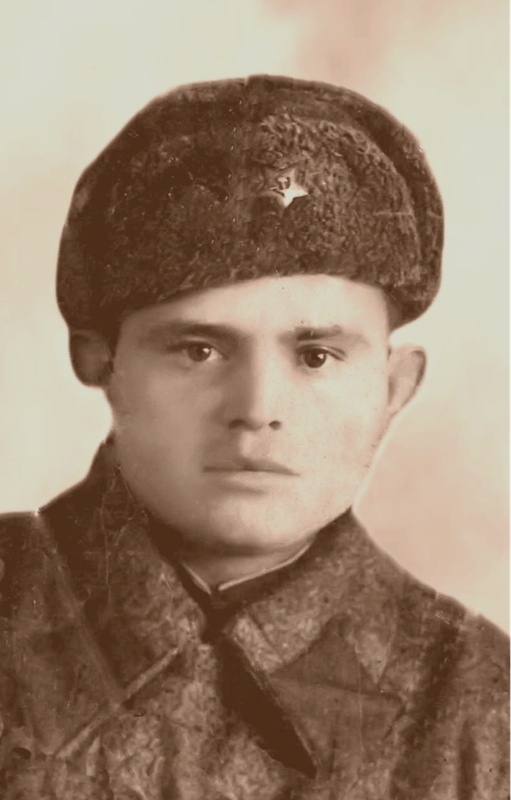
Pliner Samuil Isaakovich
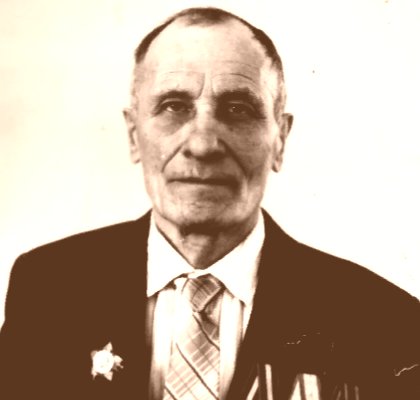
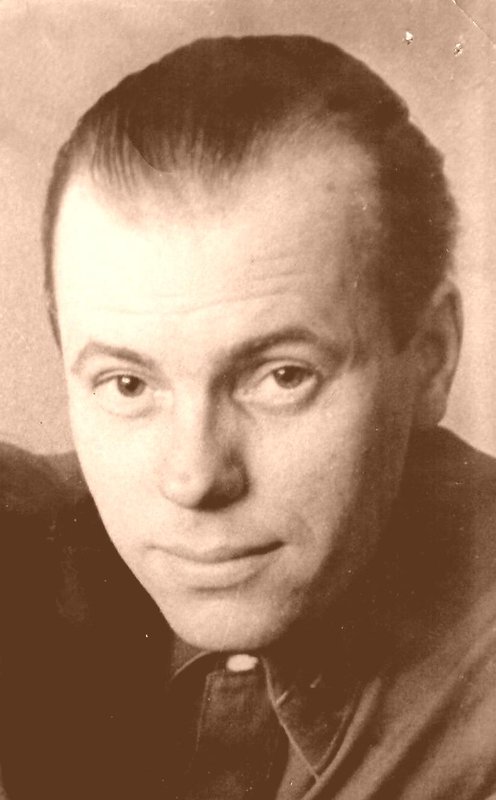
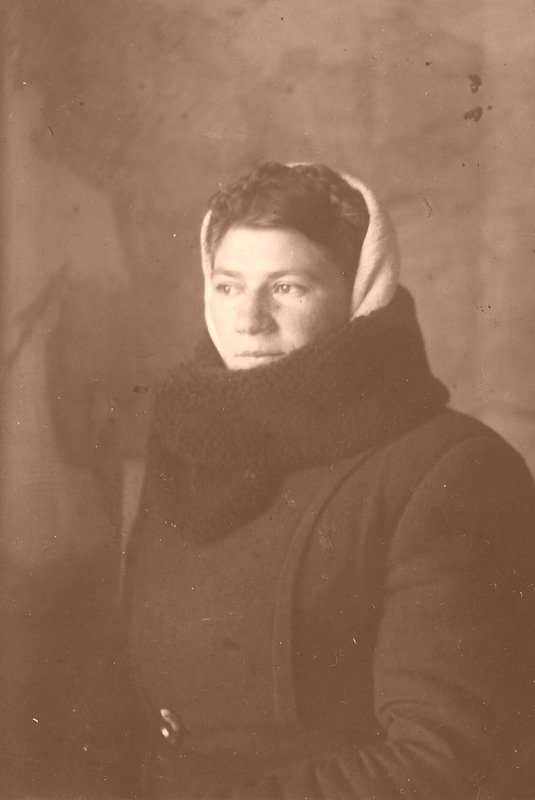
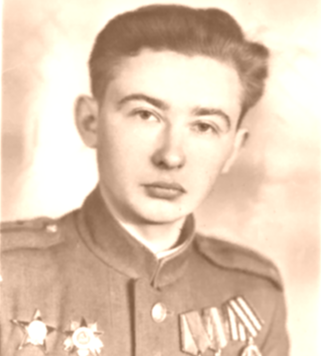
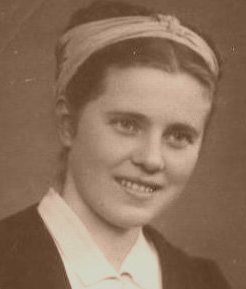
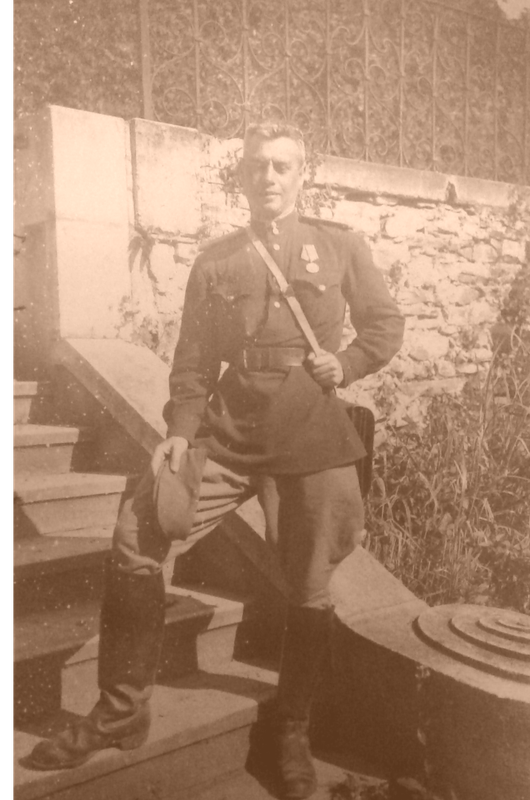
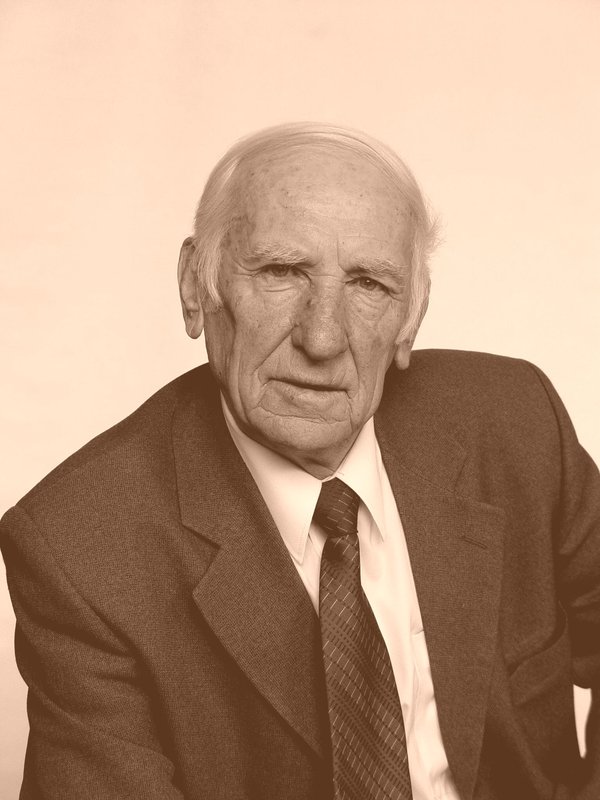
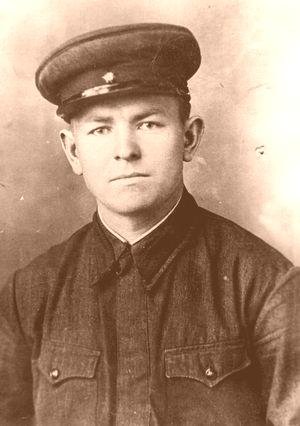
Full name: Pliner Samuel Isaakovich last NAME: Pliner FIRST name: Samuel PATRONYMIC: Isaakovich CITY: - date of BIRTH: - DATE of DEATH: - HISTORY: I consider it my duty to inform you about the veteran of the second world war, my father Pliner Samuel Isaakovich, born in 1908. He participated in the battles near the cities: Staraya Russa (1943, private of the North-Western front) Kryvyi Rih (private of the 3rd Ukrainian front) Budapest (1945, with the rank of second Lieutenant). This title Pliner Samuel Isaakovich received at the courses of Junior lieutenants of the Central group of troops. For service in the Army, he had medals and an order. He was wounded, since February 1944, was treated in the evacuation hospital. Then he was sent to the Junior Lieutenant courses. From may to August 1945, he was a platoon commander and worked as a division lecturer. Dad didn't like to talk about the war, his memories were too heavy. However, he mentioned one case. Dad was in the trench with his colleagues. Suddenly the commander sends the Pope for water. Dad returns and sees that there is no trench, no people – one terrible mess. It turns out that the place where they were sitting, there was a direct hit by a shell. Here's how to survive it? We can't know what he felt when he returned, we can only guess. I understand only one thing for sure: we are in this world thanks to our veterans. There were many different hardships and trials in my father's life. Difficulties to settle down with the family in one place, the lack of their own housing, frequent moves to Russia, and then to Estonia and Armenia did not prevent to preserve the unique documents of those years. Including the " Order of the military Institute of foreign languages of the state guard. To second Lieutenant Pliner Samuel Isaakovich from August 14, 1945 to leave at the disposal of the OK of the Central group of troops to the former place of service". This document has been carefully and respectfully preserved in the family archive for almost 75 years. I hope that the main milestones of my father's biography will arouse interest. He was born on June 4, 1908 in Saint Petersburg. He graduated from high school N159, then two-year courses (1929-1930) on the organization of production, worked in this specialty as an instructor, a teacher in the Federal law and technical schools. Since 1938, he studied at the Pedagogical Institute. Pokrovskogo at the faculty of Russian language and literature, which with the outbreak of war was transferred to the citySyktyvkar Komi ASSR. There he passed the last tests and exams, received a diploma of higher education. He was conscripted into the Army in 1942. I would like to keep the memory of my father not only as a veteran, but also as a person. He had a pronounced personality, creative inclinations in the Humanities, erudition, knowledge of foreign languages, and was very original. Forgive me for the "lyrical digression", but here I want to write how the fateful meeting of my parents took place. This happened before the war, in 1938. My mother, Agnia Gagarina, is Russian and came to Leningrad to study. At that time, dancing was a popular and common place for young people to socialize, and it was there that they met. Imagine this picture: dad is a native of St. Petersburg, an intelligent, imposing brunette with already noticeable gray hair, at the age of 30, and she is very nice, 9 years younger than him, with ashen hair and unusual light blue eyes. Later, my father told me that my mother won him over not only with her appearance, but also with her dignity, modesty, a great desire to get an education, join and learn the culture of the great city. In the autumn of the same year, 1938, they were married. My Russian mother took my father's Jewish surname Pliner. To anyone who knows Soviet history, it is not necessary to explain that this was an act on my mother's part , especially since they were married in Leningrad , where after the death of Kirov, repression intensified. My parents lived together for more than 50 years, and in their family life "ice and fire came together": a calm, patient, self-contained mother and an explosive, emotional father with their own opinions, often going against the official one. Mom waited for dad all the war, when it started, she was only 24 years old. My mother went through all the hardships of evacuation, cold, hunger, other people's uncomfortable corners. In one year, her food cards were stolen, she barely survived because of hunger, and for the rest of her life she remembered this incident. My mother, while being evacuated, worked in hospitals and orphanages. This cursed war that took and maimed the lives of millions of people ended, and Victory Day came. I am sending you a photograph of my father taken shortly after the war ended. On the back of the picture, dad's handwriting says: Austrian Alps, June 2, 1945. Squinting against the sun, he looks into the unpredictable distance, probably thinking that there is waiting for him in the future in a peaceful life. 2 days later, on June 4, he turned 37. My father was discharged in November 1945 and came to Solikamsk, where his wife and mother were waiting for him. He immediately began teaching at the local pedagogical Institute. Fate would have it that exactly 9 months later a joyful and long-awaited event occurred in the family – on July 26, 1946, I, Yevgenia Samuilovna Pliner, was born. After wandering in the evacuation, the family really wanted to return to their native Leningrad, but there they had no housing. At that time, Estonia, then called the Tallinn region, was heavily populated. The Pope appealed to the appropriate authorities and the family was given a call to move to Narva, just 120 km away. from Leningrad. Dad was immediately given a job as the head of the academic Department at secondary school 1, and my mother was given a teaching position and housing. For a family of 4 people, half of the Finnish house was allocated. The house was white and cozy, with a front garden. These are my first childhood memories, I definitely felt good there. The whole of Narva was destroyed, the city was in ruins of red brick. Before my eyes, the city was rebuilt, industry was restored, including the Krenholm manufactory, which in Soviet times employed about 12,000 people. Schools and Palaces of culture were built, where famous theaters from Leningrad, Tallinn, and Moscow toured, and celebrities performed. My family for 30 years of his life in Narva 4 times received public housing On the share of my parents dropped a lot of difficulties and trials. Parents were workaholics, worked in schools, technical schools on 1.5-2 rates, and, as you know, the work of a teacher is not the easiest. Dad also found his vocation as a lecturer from the society "Knowledge", then it was a very well-organized structure. Here and useful to the full extent of his truly encyclopedic knowledge, erudition and outstanding memory, and natural intelligence. He always prepared carefully, compiled a file, selected material, and looked for interesting facts. The lecture usually lasted 1 hour and 20 minutes and he read it from memory standing or walking around the stage. Try to spend so much time talking in public without getting lost. Often his lectures were held in the Palace of culture. It was a real Palace, with columns, a magnificent brightly lit foyer, internal balconies on the second floor, and a beautiful hall. For the lecture work, the Pope received many thanks and certificates from the Republican and city authorities. The most important thing is that it had its own audience, its own listeners, it was a success, its performances were expected, the audience went to it. He also found himself in journalism, his articles were published in the city, Republican and public press. This is how our life went in Narva. It was impossible to call Narva a province at that time. We had frequent trips to Leningrad, Tallinn, Moscow to theaters, museums, and exhibitions. This is probably the life my parents dreamed of during the war. At the age of 72, the Pope, with his active character, continued to work, gave lectures from the "Knowledge" society, published his articles in the Republican press, and was translated into Armenian. My father worked until July 1989, when my mother, Pliner Agnia Nikolaevna, died. Her death devastated dad, and he never recovered from her loss. Samuil Isaakovich died in 1992. May the memory of my parents be blessed! Here is basically everything I wanted to tell you about my father, a veteran of the great Patriotic war and his family (about my mother and me). My young friends, I wish you a long and happy life, joy and success. Appreciate and use every moment for good, take care of each other, and also: talk to your parents.
Pliner Samuil Isaakovich
Full name: Pliner Samuel Isaakovich last NAME: Pliner FIRST name: Samuel PATRONYMIC: Isaakovich CITY: - date of BIRTH: - DATE of DEATH: - HISTORY: I consider it my duty to inform you about the veteran of the second world war, my father Pliner Samuel Isaakovich, born in 1908. He participated in the battles near the cities: Staraya Russa (1943, private of the North-Western front) Kryvyi Rih (private of the 3rd Ukrainian front) Budapest (1945, with the rank of second Lieutenant). This title Pliner Samuel Isaakovich received at the courses of Junior lieutenants of the Central group of troops. For service in the Army, he had medals and an order. He was wounded, since February 1944, was treated in the evacuation hospital. Then he was sent to the Junior Lieutenant courses. From may to August 1945, he was a platoon commander and worked as a division lecturer. Dad didn't like to talk about the war, his memories were too heavy. However, he mentioned one case. Dad was in the trench with his colleagues. Suddenly the commander sends the Pope for water. Dad returns and sees that there is no trench, no people – one terrible mess. It turns out that the place where they were sitting, there was a direct hit by a shell. Here's how to survive it? We can't know what he felt when he returned, we can only guess. I understand only one thing for sure: we are in this world thanks to our veterans. There were many different hardships and trials in my father's life. Difficulties to settle down with the family in one place, the lack of their own housing, frequent moves to Russia, and then to Estonia and Armenia did not prevent to preserve the unique documents of those years. Including the " Order of the military Institute of foreign languages of the state guard. To second Lieutenant Pliner Samuel Isaakovich from August 14, 1945 to leave at the disposal of the OK of the Central group of troops to the former place of service". This document has been carefully and respectfully preserved in the family archive for almost 75 years. I hope that the main milestones of my father's biography will arouse interest. He was born on June 4, 1908 in Saint Petersburg. He graduated from high school N159, then two-year courses (1929-1930) on the organization of production, worked in this specialty as an instructor, a teacher in the Federal law and technical schools. Since 1938, he studied at the Pedagogical Institute. Pokrovskogo at the faculty of Russian language and literature, which with the outbreak of war was transferred to the citySyktyvkar Komi ASSR. There he passed the last tests and exams, received a diploma of higher education. He was conscripted into the Army in 1942. I would like to keep the memory of my father not only as a veteran, but also as a person. He had a pronounced personality, creative inclinations in the Humanities, erudition, knowledge of foreign languages, and was very original. Forgive me for the "lyrical digression", but here I want to write how the fateful meeting of my parents took place. This happened before the war, in 1938. My mother, Agnia Gagarina, is Russian and came to Leningrad to study. At that time, dancing was a popular and common place for young people to socialize, and it was there that they met. Imagine this picture: dad is a native of St. Petersburg, an intelligent, imposing brunette with already noticeable gray hair, at the age of 30, and she is very nice, 9 years younger than him, with ashen hair and unusual light blue eyes. Later, my father told me that my mother won him over not only with her appearance, but also with her dignity, modesty, a great desire to get an education, join and learn the culture of the great city. In the autumn of the same year, 1938, they were married. My Russian mother took my father's Jewish surname Pliner. To anyone who knows Soviet history, it is not necessary to explain that this was an act on my mother's part , especially since they were married in Leningrad , where after the death of Kirov, repression intensified. My parents lived together for more than 50 years, and in their family life "ice and fire came together": a calm, patient, self-contained mother and an explosive, emotional father with their own opinions, often going against the official one. Mom waited for dad all the war, when it started, she was only 24 years old. My mother went through all the hardships of evacuation, cold, hunger, other people's uncomfortable corners. In one year, her food cards were stolen, she barely survived because of hunger, and for the rest of her life she remembered this incident. My mother, while being evacuated, worked in hospitals and orphanages. This cursed war that took and maimed the lives of millions of people ended, and Victory Day came. I am sending you a photograph of my father taken shortly after the war ended. On the back of the picture, dad's handwriting says: Austrian Alps, June 2, 1945. Squinting against the sun, he looks into the unpredictable distance, probably thinking that there is waiting for him in the future in a peaceful life. 2 days later, on June 4, he turned 37. My father was discharged in November 1945 and came to Solikamsk, where his wife and mother were waiting for him. He immediately began teaching at the local pedagogical Institute. Fate would have it that exactly 9 months later a joyful and long-awaited event occurred in the family – on July 26, 1946, I, Yevgenia Samuilovna Pliner, was born. After wandering in the evacuation, the family really wanted to return to their native Leningrad, but there they had no housing. At that time, Estonia, then called the Tallinn region, was heavily populated. The Pope appealed to the appropriate authorities and the family was given a call to move to Narva, just 120 km away. from Leningrad. Dad was immediately given a job as the head of the academic Department at secondary school 1, and my mother was given a teaching position and housing. For a family of 4 people, half of the Finnish house was allocated. The house was white and cozy, with a front garden. These are my first childhood memories, I definitely felt good there. The whole of Narva was destroyed, the city was in ruins of red brick. Before my eyes, the city was rebuilt, industry was restored, including the Krenholm manufactory, which in Soviet times employed about 12,000 people. Schools and Palaces of culture were built, where famous theaters from Leningrad, Tallinn, and Moscow toured, and celebrities performed. My family for 30 years of his life in Narva 4 times received public housing On the share of my parents dropped a lot of difficulties and trials. Parents were workaholics, worked in schools, technical schools on 1.5-2 rates, and, as you know, the work of a teacher is not the easiest. Dad also found his vocation as a lecturer from the society "Knowledge", then it was a very well-organized structure. Here and useful to the full extent of his truly encyclopedic knowledge, erudition and outstanding memory, and natural intelligence. He always prepared carefully, compiled a file, selected material, and looked for interesting facts. The lecture usually lasted 1 hour and 20 minutes and he read it from memory standing or walking around the stage. Try to spend so much time talking in public without getting lost. Often his lectures were held in the Palace of culture. It was a real Palace, with columns, a magnificent brightly lit foyer, internal balconies on the second floor, and a beautiful hall. For the lecture work, the Pope received many thanks and certificates from the Republican and city authorities. The most important thing is that it had its own audience, its own listeners, it was a success, its performances were expected, the audience went to it. He also found himself in journalism, his articles were published in the city, Republican and public press. This is how our life went in Narva. It was impossible to call Narva a province at that time. We had frequent trips to Leningrad, Tallinn, Moscow to theaters, museums, and exhibitions. This is probably the life my parents dreamed of during the war. At the age of 72, the Pope, with his active character, continued to work, gave lectures from the "Knowledge" society, published his articles in the Republican press, and was translated into Armenian. My father worked until July 1989, when my mother, Pliner Agnia Nikolaevna, died. Her death devastated dad, and he never recovered from her loss. Samuil Isaakovich died in 1992. May the memory of my parents be blessed! Here is basically everything I wanted to tell you about my father, a veteran of the great Patriotic war and his family (about my mother and me). My young friends, I wish you a long and happy life, joy and success. Appreciate and use every moment for good, take care of each other, and also: talk to your parents.
0 comment



2026 © Russian Military Historical Society Developed by Jetmix