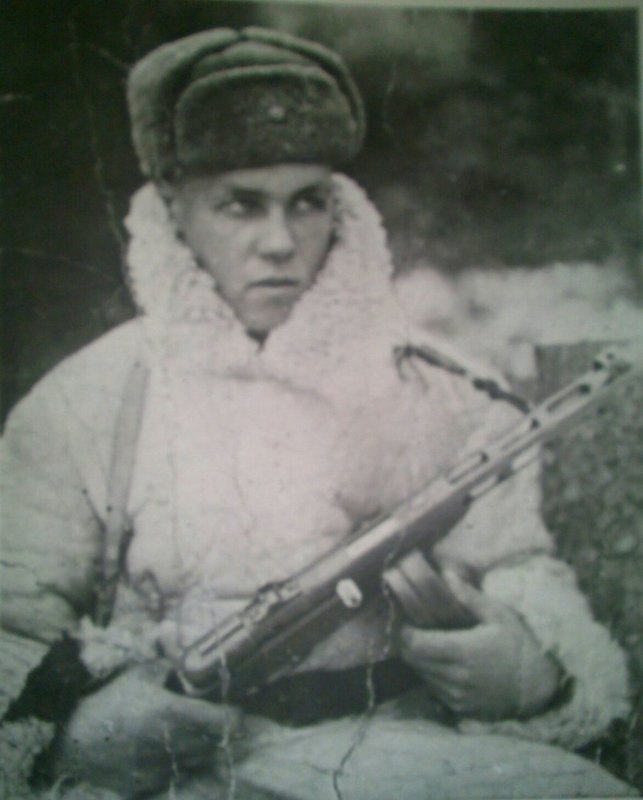
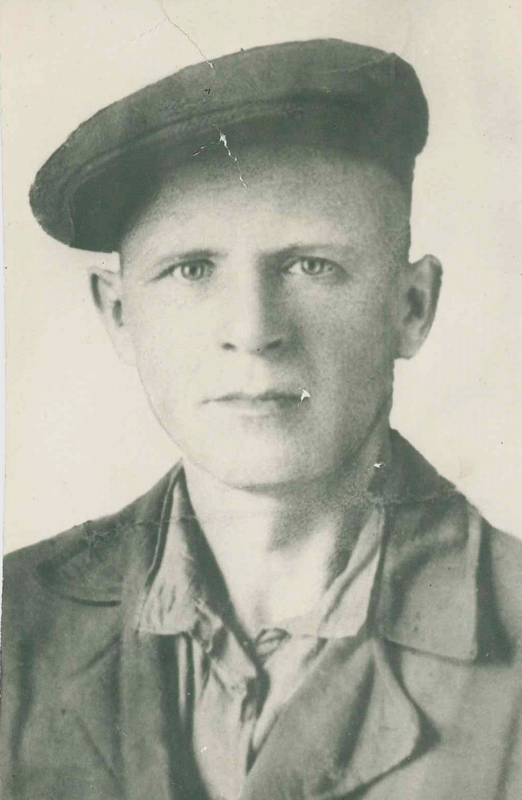
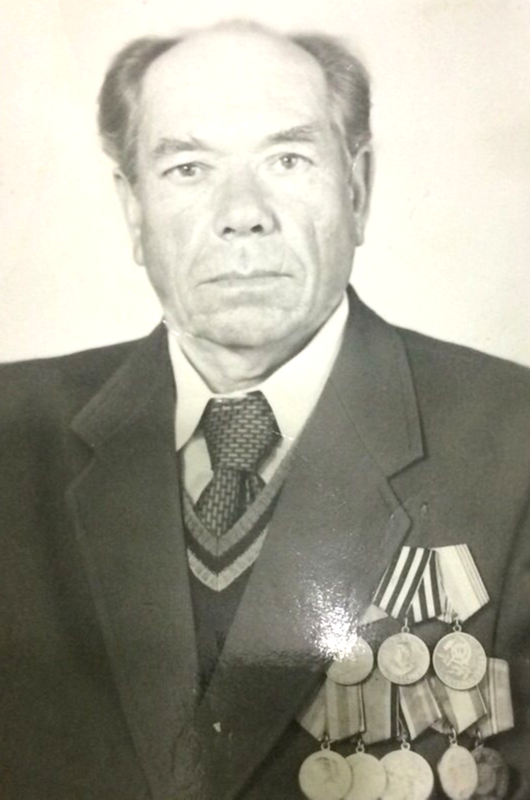


Efrosinin Fedor Viktorovich
Rank: Sergeant Type of troops: Ground Forces, Air Force (except for naval aviation), coastal service, NKVD troops, border troops Fedor Viktorovich Efrosinin was born in 1923 in the Akbulak region in the village. Karpovka. Before the war he studied at the Akbulak railway school number 37. In 1941 he finished 8 classes and had to go to the 9th, but after learning about the war, Fedor Viktorovich and his comrades went to the military registration and enlistment office to volunteer for the front. But the military commissar was a serious man and sent the young guys with the words: "Your time will come - we will call!" But, thanks to the stubbornness of the young men, they were nevertheless assigned to the Stalinist training courses for fighters. There was a parade ground at the military registration and enlistment office, where old commanders, from the time of the civil war, taught young guys to dig a trench, taught the basics of bayonet fighting, showed how to properly throw anti-tank grenades, etc. Preparation went on until 1942, and then the young soldiers were called up to the front. “At the age of 19,” recalls Fyodor Viktorovich, “we were ready soldiers. We were loaded onto a train - full wagons of 35-40 people each, and taken in the direction of Moscow. But the capital was surrounded and the train failed. Then we were taken to the city of Gorky, where the military camps were located. A unit was formed there, where the so-called. an officer, a commander — Leningrad needed replenishment. I got into this group. We drove off. At Volkhov they started bombing. We were worried, there was not enough food - a tin can for 10 people ... The bombing scared us very much, they fired continuously, we felt incredible fear .. I held myself back, but many could not stand it - they jumped off and ran somewhere and, creating panic, We got directly under the bullets and died. Our train made its way towards Leningrad, when it became impossible to go, we went on foot at night, since the places there were open, and enemy aircraft flew and followed. When we approached Lake Ladoga, they made a temporary berth for ships, they began to heavily bomb us there. Two ships left loaded, and I got on the third. The day was approaching night, but it was still light, then low clouds approached and it began to drizzle, taking advantage of this moment, we swam across Ladoga calmly, and in the morning they raised us on alarm - a passenger train was already waiting for us in the forest. This train was bombed by German planes all the way to Leningrad. It was only 65 kilometers to the "distribution", but we drove all day: as soon as we start driving, there was a raid! We are commanded: “Unload! Take cover! " And so incessantly. Several wagons were smashed, the lines were bombed ... We arrived at our destination late in the evening. Soon a battalion was formed from us. There were artillery and mortar batteries, an armored personnel carrier company, anti-tank rifles and machine gunners - about 1000 people. And all of us were thrown into defense along the shores of Lake Ladoga, where the road of life is, near the village of Tokarevo to Shlisseltburg itself, to the sources of the river. Neva, to the Oreshek fortress. This was our base here we stood for the whole of 1942. I ended up in the signalmen, in the 177th division of the artillery regiment, where I served as a senior sergeant, then we were trained to connect as wires and so on ... On January 12, 1943, after a powerful artillery preparation, our battalions were thrown to break the blockade against Shlisselburg. It seemed that the city had been demolished by artillery barrage - everything was burning and smoking. On the outskirts of the city there was a plain, 350 meters it was necessary to walk through the open space to get to the coast. The coast was not high, but steep. In addition, the Germans doused him with water so that we could not climb. In general, we were targets. The Germans opened fire and bombed directly at us, there were very heavy losses, they did not have time to take out the wounded. The Leningrad and Volkhov fronts took part in the operation. ”After lifting the blockade, Fyodor Viktorovich served in Lithuania, Estonia and Latvia. The 177th division was preparing to destroy the enemy enemy grouping in the Baltic. The Nazis paid increased attention to the retention of the Baltic states. On May 9, 1945, the 177th division was supposed to go on the offensive, there was no news of the end of the war. “Then we learned the news that the Germans must surrender,” recalls V. V. Efrosinin, “everyone was waiting for news from the headquarters, and by phone they said: “Keep vigilant surveillance. Do not react to provocations of the enemy. " The news of the end of the war came unexpectedly - from the enemy side. It was late afternoon, the sun had not yet set, suddenly the Germans jumped out and wave white rags, throw their submachine guns and shout: "Ivan, war is kaput!" Our people also started shouting and ran towards the Germans. Fraternization began, everyone was happy - both we and they. " The way home turned out to be difficult for Fyodor Viktorovich - front-line wounds haunted him. It happened so that the dream of a young guy to become Karl Bryullov did not come true ... War, hardships and hardships of the war and post-war times interfered. But Fyodor Viktorovich is not discouraged and even in old age finds time for his favorite hobby - he draws pictures, communicates with schoolchildren, comes to school for the holidays. This is his heroism, his unshakable desire to be useful to people and society.
Efrosinin Fedor Viktorovich
Rank: Sergeant Type of troops: Ground Forces, Air Force (except for naval aviation), coastal service, NKVD troops, border troops Fedor Viktorovich Efrosinin was born in 1923 in the Akbulak region in the village. Karpovka. Before the war he studied at the Akbulak railway school number 37. In 1941 he finished 8 classes and had to go to the 9th, but after learning about the war, Fedor Viktorovich and his comrades went to the military registration and enlistment office to volunteer for the front. But the military commissar was a serious man and sent the young guys with the words: "Your time will come - we will call!" But, thanks to the stubbornness of the young men, they were nevertheless assigned to the Stalinist training courses for fighters. There was a parade ground at the military registration and enlistment office, where old commanders, from the time of the civil war, taught young guys to dig a trench, taught the basics of bayonet fighting, showed how to properly throw anti-tank grenades, etc. Preparation went on until 1942, and then the young soldiers were called up to the front. “At the age of 19,” recalls Fyodor Viktorovich, “we were ready soldiers. We were loaded onto a train - full wagons of 35-40 people each, and taken in the direction of Moscow. But the capital was surrounded and the train failed. Then we were taken to the city of Gorky, where the military camps were located. A unit was formed there, where the so-called. an officer, a commander — Leningrad needed replenishment. I got into this group. We drove off. At Volkhov they started bombing. We were worried, there was not enough food - a tin can for 10 people ... The bombing scared us very much, they fired continuously, we felt incredible fear .. I held myself back, but many could not stand it - they jumped off and ran somewhere and, creating panic, We got directly under the bullets and died. Our train made its way towards Leningrad, when it became impossible to go, we went on foot at night, since the places there were open, and enemy aircraft flew and followed. When we approached Lake Ladoga, they made a temporary berth for ships, they began to heavily bomb us there. Two ships left loaded, and I got on the third. The day was approaching night, but it was still light, then low clouds approached and it began to drizzle, taking advantage of this moment, we swam across Ladoga calmly, and in the morning they raised us on alarm - a passenger train was already waiting for us in the forest. This train was bombed by German planes all the way to Leningrad. It was only 65 kilometers to the "distribution", but we drove all day: as soon as we start driving, there was a raid! We are commanded: “Unload! Take cover! " And so incessantly. Several wagons were smashed, the lines were bombed ... We arrived at our destination late in the evening. Soon a battalion was formed from us. There were artillery and mortar batteries, an armored personnel carrier company, anti-tank rifles and machine gunners - about 1000 people. And all of us were thrown into defense along the shores of Lake Ladoga, where the road of life is, near the village of Tokarevo to Shlisseltburg itself, to the sources of the river. Neva, to the Oreshek fortress. This was our base here we stood for the whole of 1942. I ended up in the signalmen, in the 177th division of the artillery regiment, where I served as a senior sergeant, then we were trained to connect as wires and so on ... On January 12, 1943, after a powerful artillery preparation, our battalions were thrown to break the blockade against Shlisselburg. It seemed that the city had been demolished by artillery barrage - everything was burning and smoking. On the outskirts of the city there was a plain, 350 meters it was necessary to walk through the open space to get to the coast. The coast was not high, but steep. In addition, the Germans doused him with water so that we could not climb. In general, we were targets. The Germans opened fire and bombed directly at us, there were very heavy losses, they did not have time to take out the wounded. The Leningrad and Volkhov fronts took part in the operation. ”After lifting the blockade, Fyodor Viktorovich served in Lithuania, Estonia and Latvia. The 177th division was preparing to destroy the enemy enemy grouping in the Baltic. The Nazis paid increased attention to the retention of the Baltic states. On May 9, 1945, the 177th division was supposed to go on the offensive, there was no news of the end of the war. “Then we learned the news that the Germans must surrender,” recalls V. V. Efrosinin, “everyone was waiting for news from the headquarters, and by phone they said: “Keep vigilant surveillance. Do not react to provocations of the enemy. " The news of the end of the war came unexpectedly - from the enemy side. It was late afternoon, the sun had not yet set, suddenly the Germans jumped out and wave white rags, throw their submachine guns and shout: "Ivan, war is kaput!" Our people also started shouting and ran towards the Germans. Fraternization began, everyone was happy - both we and they. " The way home turned out to be difficult for Fyodor Viktorovich - front-line wounds haunted him. It happened so that the dream of a young guy to become Karl Bryullov did not come true ... War, hardships and hardships of the war and post-war times interfered. But Fyodor Viktorovich is not discouraged and even in old age finds time for his favorite hobby - he draws pictures, communicates with schoolchildren, comes to school for the holidays. This is his heroism, his unshakable desire to be useful to people and society.
0 comment



2026 © Russian Military Historical Society Developed by Jetmix