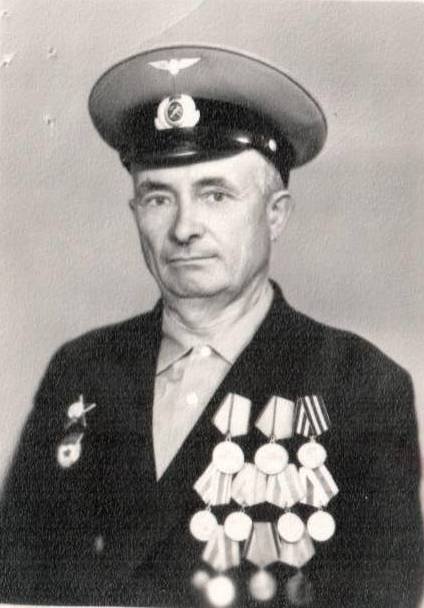
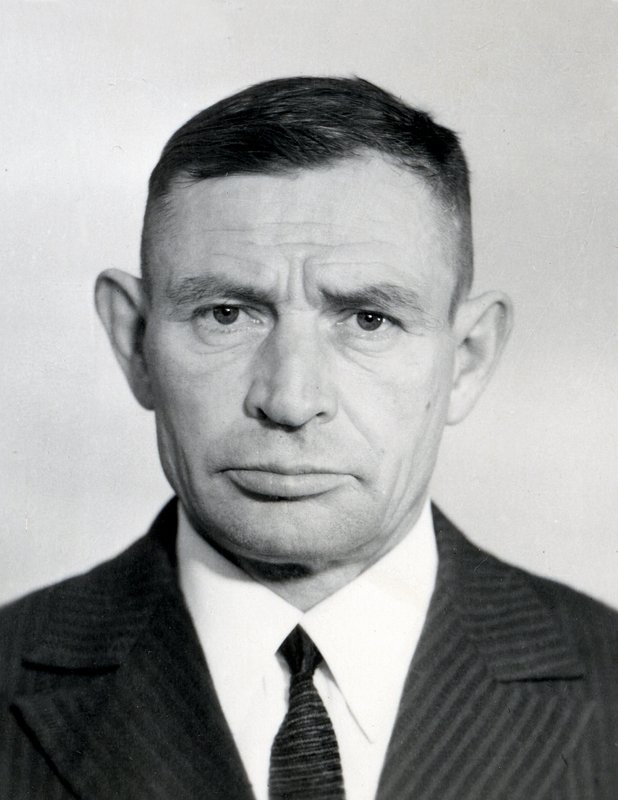
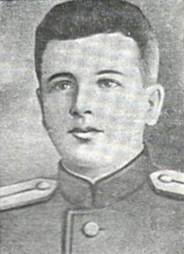
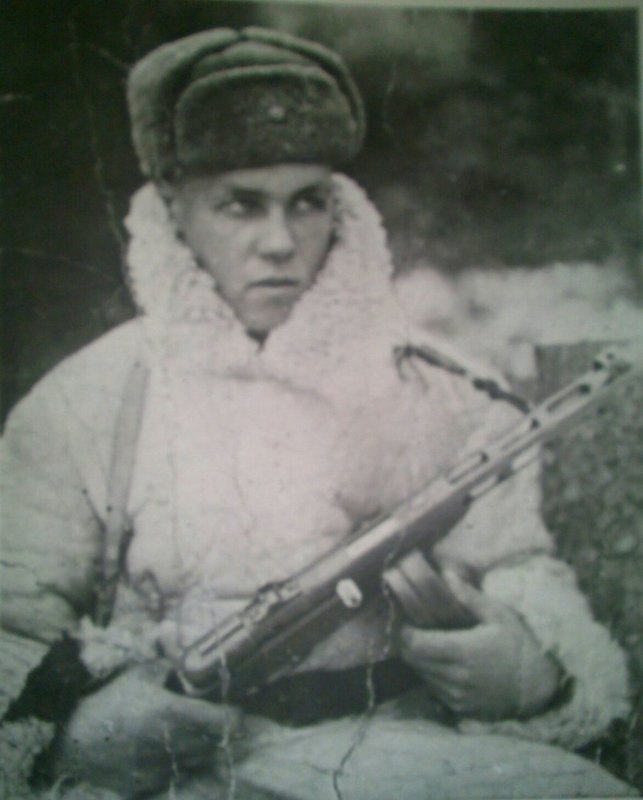


Eremkin Alexander Grigorievich
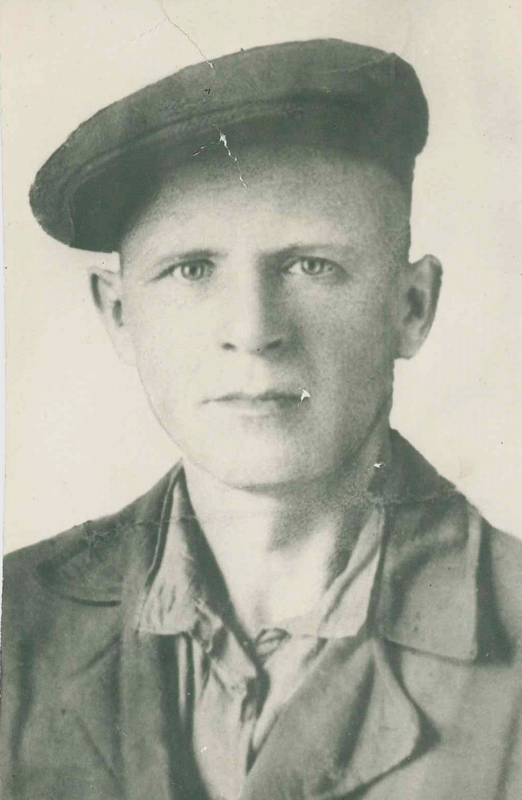
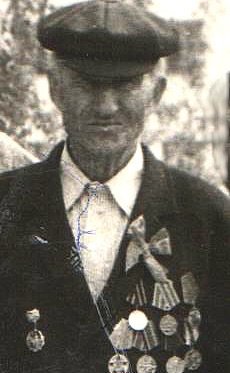
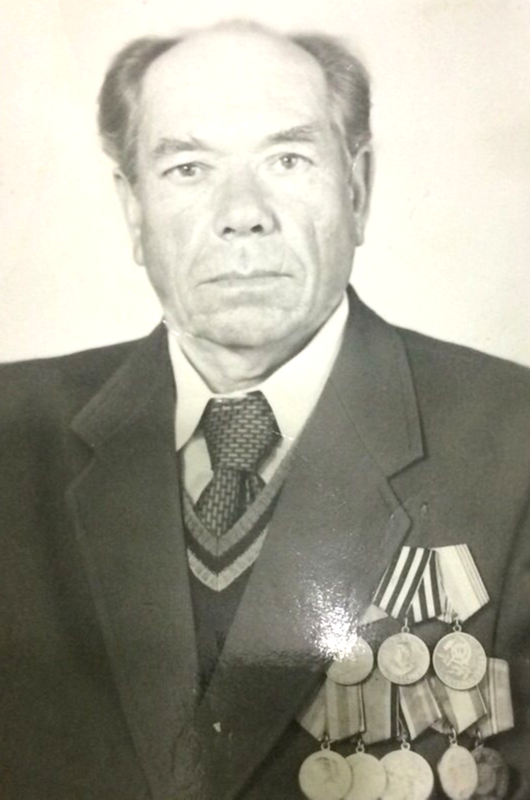
Rank: Red Army. Branch of the service: Ground Forces, Air Force (except naval aviation), coastal service, NKVD troops, border troops. Subdivision: 79th Guards Rifle Zaporozhye Order of Lenin Red Banner Orders of Suvorov and Bogdan Khmelnitsky Division. Eremkin Alexander Grigorievich was born on 07.11.1923. Drafted to the front by the Kochkar district military registration and enlistment office of the Chelyabinsk region on April 23, 1942. Red Army soldier, shooter of the 284th Infantry Division of the 62nd Army of the Stalingrad Front since September 20, 1942. By the decree of the Presidium of the Supreme Soviet of the USSR No. 223/163 of November 6, 1947, for the courage and bravery shown in the battles with the German invaders in the Great Patriotic War, he was nominated for the medal "For Military Merit". From the memoirs: “The registration for the front went on all day, at night a detachment of conscripts from the military registration and enlistment office marched towards the Nizhne-Uvelskaya railway station, which is 45 km from the town of Plast (Chelyabinsk region), where the conscription was. With rare rest on foot, arrived at the station in the morning. There was nowhere for an apple to fall on the station square - detachments from the Urals arrived from all the surrounding areas. They loaded everyone into boxcars, distributed simple rations. It was rumored that they were being taken to a military school to train as gunners of attack aircraft for six months, but they studied for 5 months as sappers and - to the front, to Stalingrad. There were fierce battles. It was November 1942. The shelling was continuous - you couldn't raise your head, besides, German snipers were vigilantly watching their unit, they were without water and food for several days, it was impossible to even crawl to the stream, and there was no way to deliver food, because there they were being watched by German bullets. In order to somehow get to the water, a kind of protective parapet was built from the frozen corpses of the dead comrades, hiding behind which, at night it was possible to get water. At night, they also cleared the battlefield in order to move forward with attacks during the day, but the Nazis, firing, vigilantly guarded the front line. But under the cover of the night our sappers were doing their job. On such a cold snowy night, Alexander was wounded. Lying on his back, losing consciousness, he gazed into the starry sky and glowing shells beautifully and continuously tracing towards each other ... ”His comrade and childhood friend Mishka (they were called together, grew up on the same street, unfortunately we don't know their last names), died from a sniper bullet to the head in front of him. He also buried him in a railway embankment located nearby. Alexander himself was wounded on November 5, 1942, two days before his birthday, in the shin of the leg by a bullet and shrapnel all over his body, from a mine explosion - a concussion of the head, from which his hearing decreased and until the end of his life he did not hear birds singing. Commissioned for injury on 12/28/1943. The wounded were transported for a long time in carriages under shelling and long parking, without food, water and medical assistance. The wounds were rotting without dressing. Those who were lying were looked after by those who could barely walk, the dead were put at the end of the carriage. After the hospital they brought home with crutches, then he could not walk. When the mother undid the wounds, worms began to form in them. By some miracle, she took out a small jar of sour cream and lubricated her wounds, and Serko's dog licked the sour cream and so the wounds gradually healed. But life went on as usual, and youth took its toll, familiar girls from the neighborhood put him on a sled, tk. he still did not walk well, and they took him to the local club so that he could play the button accordion for him, arrange dances! Then Alexander married a beautiful girl Zoya, studied to be a mining engineer, first at a technical school, then at an institute. They gave birth to three daughters, then raised their grandchildren and lived together a long and happy life, although the wounds often made themselves felt. We very rarely heard these short periods of his military life, he did not like to remember the war ...
Eremkin Alexander Grigorievich
Rank: Red Army. Branch of the service: Ground Forces, Air Force (except naval aviation), coastal service, NKVD troops, border troops. Subdivision: 79th Guards Rifle Zaporozhye Order of Lenin Red Banner Orders of Suvorov and Bogdan Khmelnitsky Division. Eremkin Alexander Grigorievich was born on 07.11.1923. Drafted to the front by the Kochkar district military registration and enlistment office of the Chelyabinsk region on April 23, 1942. Red Army soldier, shooter of the 284th Infantry Division of the 62nd Army of the Stalingrad Front since September 20, 1942. By the decree of the Presidium of the Supreme Soviet of the USSR No. 223/163 of November 6, 1947, for the courage and bravery shown in the battles with the German invaders in the Great Patriotic War, he was nominated for the medal "For Military Merit". From the memoirs: “The registration for the front went on all day, at night a detachment of conscripts from the military registration and enlistment office marched towards the Nizhne-Uvelskaya railway station, which is 45 km from the town of Plast (Chelyabinsk region), where the conscription was. With rare rest on foot, arrived at the station in the morning. There was nowhere for an apple to fall on the station square - detachments from the Urals arrived from all the surrounding areas. They loaded everyone into boxcars, distributed simple rations. It was rumored that they were being taken to a military school to train as gunners of attack aircraft for six months, but they studied for 5 months as sappers and - to the front, to Stalingrad. There were fierce battles. It was November 1942. The shelling was continuous - you couldn't raise your head, besides, German snipers were vigilantly watching their unit, they were without water and food for several days, it was impossible to even crawl to the stream, and there was no way to deliver food, because there they were being watched by German bullets. In order to somehow get to the water, a kind of protective parapet was built from the frozen corpses of the dead comrades, hiding behind which, at night it was possible to get water. At night, they also cleared the battlefield in order to move forward with attacks during the day, but the Nazis, firing, vigilantly guarded the front line. But under the cover of the night our sappers were doing their job. On such a cold snowy night, Alexander was wounded. Lying on his back, losing consciousness, he gazed into the starry sky and glowing shells beautifully and continuously tracing towards each other ... ”His comrade and childhood friend Mishka (they were called together, grew up on the same street, unfortunately we don't know their last names), died from a sniper bullet to the head in front of him. He also buried him in a railway embankment located nearby. Alexander himself was wounded on November 5, 1942, two days before his birthday, in the shin of the leg by a bullet and shrapnel all over his body, from a mine explosion - a concussion of the head, from which his hearing decreased and until the end of his life he did not hear birds singing. Commissioned for injury on 12/28/1943. The wounded were transported for a long time in carriages under shelling and long parking, without food, water and medical assistance. The wounds were rotting without dressing. Those who were lying were looked after by those who could barely walk, the dead were put at the end of the carriage. After the hospital they brought home with crutches, then he could not walk. When the mother undid the wounds, worms began to form in them. By some miracle, she took out a small jar of sour cream and lubricated her wounds, and Serko's dog licked the sour cream and so the wounds gradually healed. But life went on as usual, and youth took its toll, familiar girls from the neighborhood put him on a sled, tk. he still did not walk well, and they took him to the local club so that he could play the button accordion for him, arrange dances! Then Alexander married a beautiful girl Zoya, studied to be a mining engineer, first at a technical school, then at an institute. They gave birth to three daughters, then raised their grandchildren and lived together a long and happy life, although the wounds often made themselves felt. We very rarely heard these short periods of his military life, he did not like to remember the war ...
0 comment



2026 © Russian Military Historical Society Developed by Jetmix