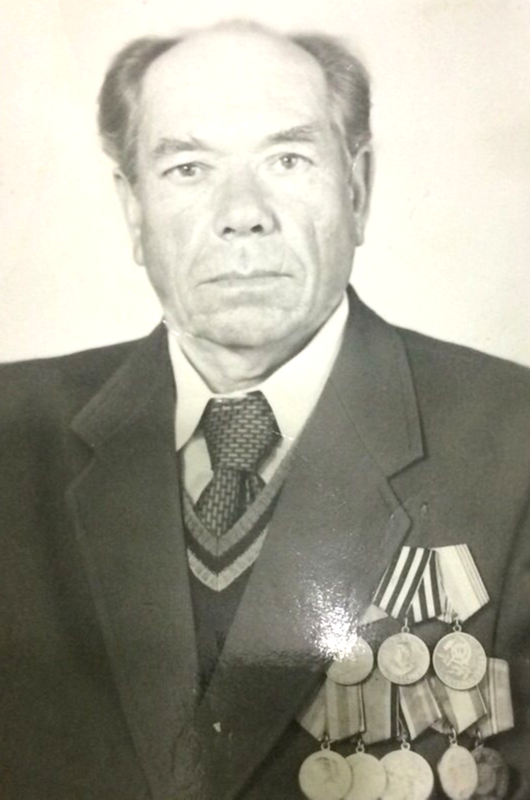


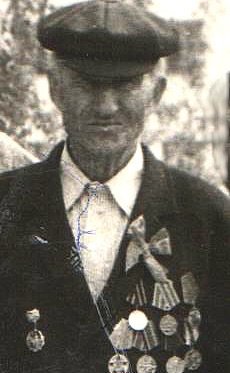
Epifanov Kirill Afanasevich
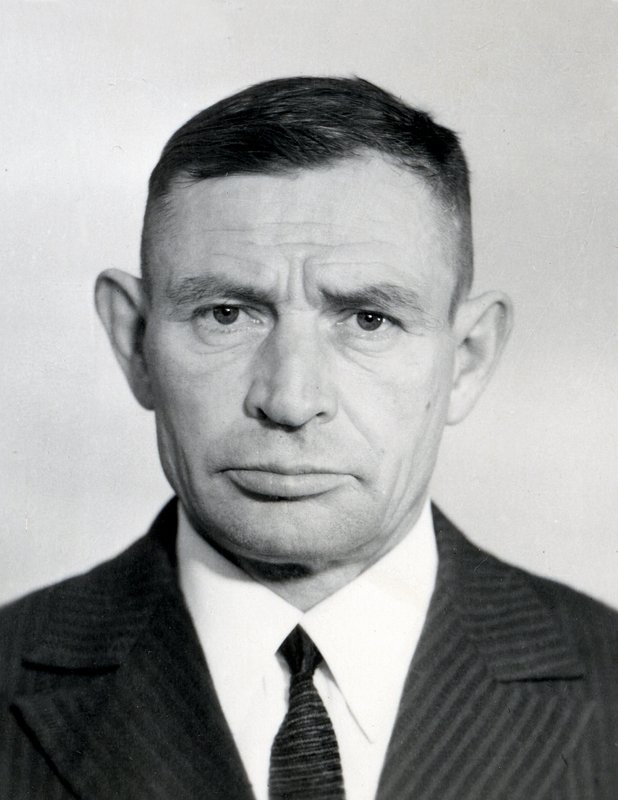
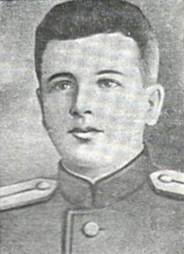
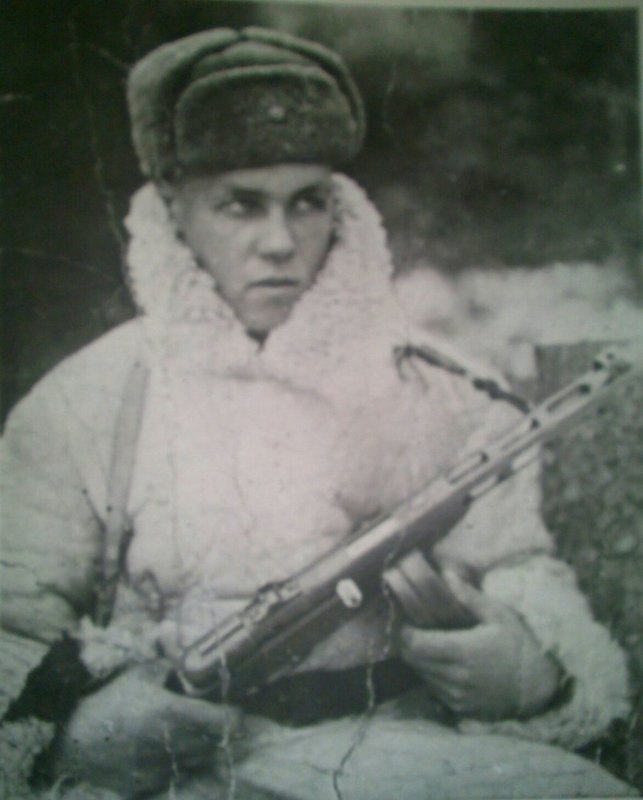
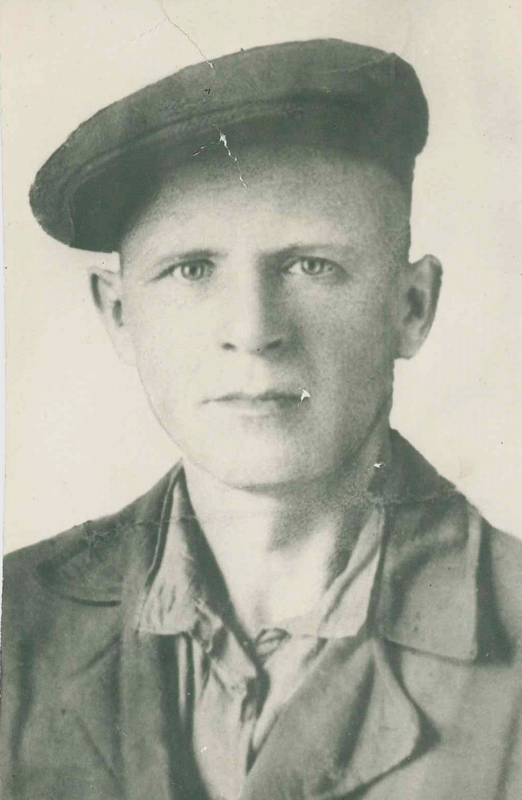
Rank: Red Army. Epifanov Kirill Afanasyevich was born in 1906 in the village of Tambovka, Fedorovsky district, in the family of a farm laborer. Here he met his fate, Ekaterina Lavrentiev, a beautiful stately girl born in 1904 from a family of wealthy peasants (kulaks). It is absolutely incredible that the parents gave Ekaterina for the barefoot laborer. Three children appeared in the Epifanov family one after the other: Nikolai (1926), Vasily (1928), Anna (1930). At this time, dispossession of kulaks began - the forcible seizure of property, land and livestock from the rich and middle peasants who had the strongest farms. Millions of peasants, along with their families, were repressed, forcibly deported to uninhabited regions of Siberia. This was also taken into account by Catherine's family. Her parents and two sisters, Yenya and Lyuba, were exiled to the Komi Republic for felling, Ekaterina was saved from dispossession by her marriage to a farm laborer. Total collectivization began in the country. In 1931, my great-grandfather Kirill, in search of work, got a job as a carpenter in a newly formed state farm in the village of Eruslan, Fedorovsky district, Saratov region, and then transported his family. Kirill Afanasevich built housing, farms, striving with all his heart for a new life. In the Epifanov family, two more daughters, Antonina and Maria, were born. What else does a person need to be happy ?! But all this was destroyed in one word - WAR. The summons was brought to the house in August 1941. The wife began to cry, the children began to cry. "Don't worry, I'll be back!" - My great-grandfather Kirill promised them. And he himself lamented: and how can mother alone with the horde, and the house did not have time to be completed, and the field is full of work. Many fellow villagers left their homes with the same thoughts. Great-grandfather fought in the engineer troops. His duties included the preparation of boats, the construction of blown up bridges, during the offensive, he directed the crossings across the Don, Dnieper, Danube, crossed the Oder. The successful outcome of combat operations sometimes depended largely on the skillful actions of the sappers. And they more than once worked under the deadly fire of the enemy, but the task was completed on time. It was in Belarus, when the bridge on one river was almost ready, suddenly Nazi planes flew in and bombed everything. However, the sappers did not give up. All forces were thrown into the restoration of the bridge, and by the appointed hour they managed to complete the work. And near Warsaw it was necessary to make not only boats, but also to urgently build dugouts for the wounded. For completing this task K.A. Epifanov and his comrades received gratitude from the command. He took part in the defense of Moscow, liberated Kiev, Minsk, Warsaw, took part in the capture of Berlin. Then everything was really common: suffering and grief, hopes and joys, and most importantly - faith in victory. And I think that my great-grandfather did everything in his power to bring this Victory closer. And at home my wife lived as best she could, took care of the children, from morning till night worked on the farm at various jobs and kept waiting and waiting for news from the front. Following his father, the eldest son Nikolai Kirillovich, born in 1926, went to the front, he was barely 17 years old. Letters came rarely and not for long - the funeral was brought in 1944 with a short note "Died of wounds." All that remains of my grandfather Vasily's older brother is an old photograph and a Book of Memory (volume 6), in which the Fedorovsky District Department has the following entry: “Nikolai Kirillovich Epifanov, was born in 1926, in Eruslan. Drafted into the army in 1943. Chief of the first class, sniper. He died of his wounds on November 30, 1944. Buried in Dvinsk, Latvia. " My grandfather remained the only man, he was already 15 years old, and he sat down at the tractor levers. Throughout the war he worked in the field, spent the night in the steppe during sowing and harvesting, and on short family visits he took care of his sisters, re-read his father's letters, waited and hoped for his return. Now grandfather Vasily has awards as a home front worker, but then he just earned a piece of bread to feed his family. Great-grandfather Kirill Afanasevich, after the festive fireworks died down, remained to restore the destroyed bridges, dams, houses. He returned home in 1947. Soon, daughter Anna dies from a serious illness. Forever in the hearts of parents there will be longing for children who have passed away, with the only difference that you can come to the grave of your daughter in a moment of severe mental pain, and the grave of your son is on the wrong side. After the war, great-grandfather built his own small (only two rooms) house, in which there were always many guests, and planted a huge garden - the pride of Kirill Afanasyevich. He was respected by his fellow villagers, he was a kind and worthy person. His wife always called him affectionately Kiryusha. Victory Day became a special holiday for the Epifanov family, on this day the whole family gathered at the monument to the victims - children, grandchildren - and then they laid the table in the garden and enjoyed the warm sun and the peaceful sky. Soon life got better, went on as usual. The number of grandchildren increased (there are seven of them), great-grandchildren (there are sixteen of them) appeared, however, not all of them were seen by the great-grandfather. With their great-grandmother, they lived together a long, difficult, but happy life.Celebrated their 80th birthday and 60 years of marriage. Great-grandfather died on December 28, 1986. After his death, his great-grandmother gave all his awards to the museum of the secondary school in Eruslan. Great-grandmother Ekaterina herself did not live without her beloved Kiryusha for a year - she died on October 7, 1987.
Epifanov Kirill Afanasevich
Rank: Red Army. Epifanov Kirill Afanasyevich was born in 1906 in the village of Tambovka, Fedorovsky district, in the family of a farm laborer. Here he met his fate, Ekaterina Lavrentiev, a beautiful stately girl born in 1904 from a family of wealthy peasants (kulaks). It is absolutely incredible that the parents gave Ekaterina for the barefoot laborer. Three children appeared in the Epifanov family one after the other: Nikolai (1926), Vasily (1928), Anna (1930). At this time, dispossession of kulaks began - the forcible seizure of property, land and livestock from the rich and middle peasants who had the strongest farms. Millions of peasants, along with their families, were repressed, forcibly deported to uninhabited regions of Siberia. This was also taken into account by Catherine's family. Her parents and two sisters, Yenya and Lyuba, were exiled to the Komi Republic for felling, Ekaterina was saved from dispossession by her marriage to a farm laborer. Total collectivization began in the country. In 1931, my great-grandfather Kirill, in search of work, got a job as a carpenter in a newly formed state farm in the village of Eruslan, Fedorovsky district, Saratov region, and then transported his family. Kirill Afanasevich built housing, farms, striving with all his heart for a new life. In the Epifanov family, two more daughters, Antonina and Maria, were born. What else does a person need to be happy ?! But all this was destroyed in one word - WAR. The summons was brought to the house in August 1941. The wife began to cry, the children began to cry. "Don't worry, I'll be back!" - My great-grandfather Kirill promised them. And he himself lamented: and how can mother alone with the horde, and the house did not have time to be completed, and the field is full of work. Many fellow villagers left their homes with the same thoughts. Great-grandfather fought in the engineer troops. His duties included the preparation of boats, the construction of blown up bridges, during the offensive, he directed the crossings across the Don, Dnieper, Danube, crossed the Oder. The successful outcome of combat operations sometimes depended largely on the skillful actions of the sappers. And they more than once worked under the deadly fire of the enemy, but the task was completed on time. It was in Belarus, when the bridge on one river was almost ready, suddenly Nazi planes flew in and bombed everything. However, the sappers did not give up. All forces were thrown into the restoration of the bridge, and by the appointed hour they managed to complete the work. And near Warsaw it was necessary to make not only boats, but also to urgently build dugouts for the wounded. For completing this task K.A. Epifanov and his comrades received gratitude from the command. He took part in the defense of Moscow, liberated Kiev, Minsk, Warsaw, took part in the capture of Berlin. Then everything was really common: suffering and grief, hopes and joys, and most importantly - faith in victory. And I think that my great-grandfather did everything in his power to bring this Victory closer. And at home my wife lived as best she could, took care of the children, from morning till night worked on the farm at various jobs and kept waiting and waiting for news from the front. Following his father, the eldest son Nikolai Kirillovich, born in 1926, went to the front, he was barely 17 years old. Letters came rarely and not for long - the funeral was brought in 1944 with a short note "Died of wounds." All that remains of my grandfather Vasily's older brother is an old photograph and a Book of Memory (volume 6), in which the Fedorovsky District Department has the following entry: “Nikolai Kirillovich Epifanov, was born in 1926, in Eruslan. Drafted into the army in 1943. Chief of the first class, sniper. He died of his wounds on November 30, 1944. Buried in Dvinsk, Latvia. " My grandfather remained the only man, he was already 15 years old, and he sat down at the tractor levers. Throughout the war he worked in the field, spent the night in the steppe during sowing and harvesting, and on short family visits he took care of his sisters, re-read his father's letters, waited and hoped for his return. Now grandfather Vasily has awards as a home front worker, but then he just earned a piece of bread to feed his family. Great-grandfather Kirill Afanasevich, after the festive fireworks died down, remained to restore the destroyed bridges, dams, houses. He returned home in 1947. Soon, daughter Anna dies from a serious illness. Forever in the hearts of parents there will be longing for children who have passed away, with the only difference that you can come to the grave of your daughter in a moment of severe mental pain, and the grave of your son is on the wrong side. After the war, great-grandfather built his own small (only two rooms) house, in which there were always many guests, and planted a huge garden - the pride of Kirill Afanasyevich. He was respected by his fellow villagers, he was a kind and worthy person. His wife always called him affectionately Kiryusha. Victory Day became a special holiday for the Epifanov family, on this day the whole family gathered at the monument to the victims - children, grandchildren - and then they laid the table in the garden and enjoyed the warm sun and the peaceful sky. Soon life got better, went on as usual. The number of grandchildren increased (there are seven of them), great-grandchildren (there are sixteen of them) appeared, however, not all of them were seen by the great-grandfather. With their great-grandmother, they lived together a long, difficult, but happy life.Celebrated their 80th birthday and 60 years of marriage. Great-grandfather died on December 28, 1986. After his death, his great-grandmother gave all his awards to the museum of the secondary school in Eruslan. Great-grandmother Ekaterina herself did not live without her beloved Kiryusha for a year - she died on October 7, 1987.
0 comment



2026 © Russian Military Historical Society Developed by Jetmix