

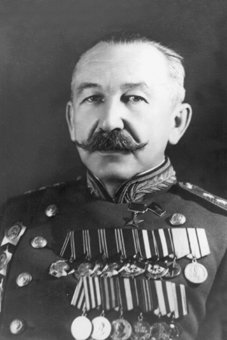


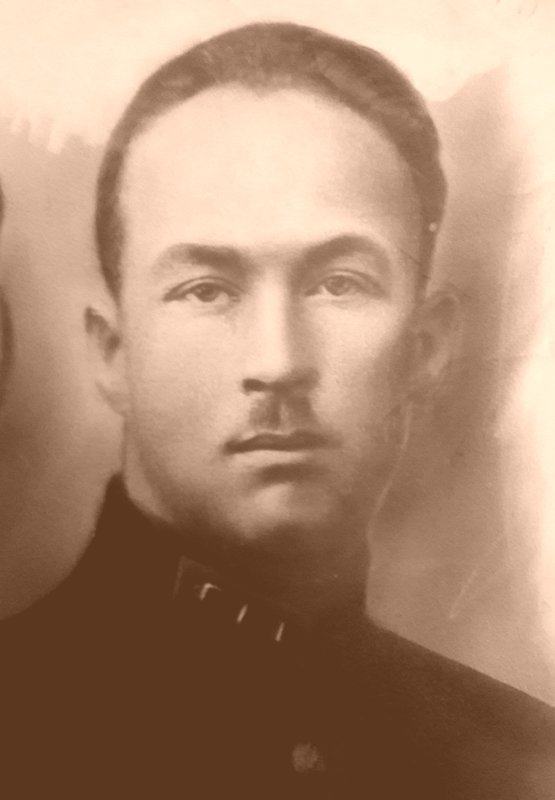


Belugin Pavel Fedorovich
Belugin Pavel Fedorovich (06/29/1915 - 02/01/1991). Pavel Fedorovich was born on June 29, 1915 in Kus, in a large family. In 1939, he was drafted into the ranks of the Soviet army, served in the Far East. He returned home just before the start of the Patriotic War, which no one had ever suspected at that time. Pavel got a job at an engineering plant, dreamt of a family and children. The war broke out in June 1941, and he had to go to the front. At first, Pavel was a telephone operator, and in 1942 he became an artilleryman, he commanded a 76 mm cannon and took part in the defence of Leningrad. Those were terrible days. Defending the city, the soldiers had to drag the guns on themselves, under powerful enemy fire for days on the cold ground or in the water. Pavel Fedorovich said that sometimes, before the next attack, they did not immediately manage to get up from the ground - the clothes simply froze to it. He was wounded in battle, but after bandaging he returned to duty. Pavel Fedorovich was awarded a medal for the heroic defence of Leningrad. After the liberation of Leningrad, our troops, with heavy and bloody battles, knocked out the Nazis from Latvia, Lithuania, Estonia and reached Germany. The city of Königsberg met them with an impregnable defence. To clear the way for the infantry, the guns had to be rolled out on direct fire to pierce the armour of enemy pillboxes. The gun crews became a convenient target for the Germans, but this did not force the Soviet soldiers to retreat. During those battles, Pavel Belugin, along with his comrades, took several Germans prisoner. One of the prisoners presented my grandfather with a watch in recognition of the valour of the Russian soldiers. The watch worked properly until 1960, it is still kept in our family as a relic. But for our grandfather, the war did not end with the fall of the Reichstag. Later they were transferred to the Far East, where there was a war with Japan. They failed to break through the strong fortifications of the Japanese and our command decided on a manoeuvre. To bypass the enemy from the rear, the troops were thrown across the desert and the mountains of the Small and Big Khingan. They were carrying guns, shells, the wheels of the cannons stuck in the sand. When crossing the desert, the soldiers had to face a large water shortage. Not everyone was able to withstand this test, many died in that desert. To dull the feeling of thirst, they were given ... salted herring at night. So the deficiency of salt in the body was replenished. Since then, my grandfather did not like herring, and did not eat it under any pretext. The Japanese did not expect an attack by Soviet troops from the side of the sands; the suddenness of the manoeuvre decided the outcome of the battle. During the war, Pavel Fedorovich Belugin was awarded three orders - Order of Glory, Order of Red Star and Order of World War II and six medals: "For the Defense of Leningrad", "For Military Merit", "For Courage", "For the Capture of Königsberg" and "For Victory over Japan ". During the war in the Far East, Pavel Fyodorovich met with his fellow countryman, Vasily Alekseevich Popov, who served together with him, back in peacetime. Vasily Alekseevich also went through the whole war. Together they returned from the war to their home town with victory, and lived until their death at the same street with a symbolic name - Victory Street. May 9 - is the day which has always been and remains the most important holiday in our family. Our Motherland was defended by three more of his brothers of my grandfather. The eldest, Fyodor Fyodorovich, reached Prague, Pyotr Fyodorovich also experienced all the hardships of the war, and the youngest of the brothers, Sergei Fyodorovich, unfortunately did not return. He went missing near Mozhaisk. Since then, no one knows anything about him ... All of them are always in our memory.
Belugin Pavel Fedorovich
Belugin Pavel Fedorovich (06/29/1915 - 02/01/1991). Pavel Fedorovich was born on June 29, 1915 in Kus, in a large family. In 1939, he was drafted into the ranks of the Soviet army, served in the Far East. He returned home just before the start of the Patriotic War, which no one had ever suspected at that time. Pavel got a job at an engineering plant, dreamt of a family and children. The war broke out in June 1941, and he had to go to the front. At first, Pavel was a telephone operator, and in 1942 he became an artilleryman, he commanded a 76 mm cannon and took part in the defence of Leningrad. Those were terrible days. Defending the city, the soldiers had to drag the guns on themselves, under powerful enemy fire for days on the cold ground or in the water. Pavel Fedorovich said that sometimes, before the next attack, they did not immediately manage to get up from the ground - the clothes simply froze to it. He was wounded in battle, but after bandaging he returned to duty. Pavel Fedorovich was awarded a medal for the heroic defence of Leningrad. After the liberation of Leningrad, our troops, with heavy and bloody battles, knocked out the Nazis from Latvia, Lithuania, Estonia and reached Germany. The city of Königsberg met them with an impregnable defence. To clear the way for the infantry, the guns had to be rolled out on direct fire to pierce the armour of enemy pillboxes. The gun crews became a convenient target for the Germans, but this did not force the Soviet soldiers to retreat. During those battles, Pavel Belugin, along with his comrades, took several Germans prisoner. One of the prisoners presented my grandfather with a watch in recognition of the valour of the Russian soldiers. The watch worked properly until 1960, it is still kept in our family as a relic. But for our grandfather, the war did not end with the fall of the Reichstag. Later they were transferred to the Far East, where there was a war with Japan. They failed to break through the strong fortifications of the Japanese and our command decided on a manoeuvre. To bypass the enemy from the rear, the troops were thrown across the desert and the mountains of the Small and Big Khingan. They were carrying guns, shells, the wheels of the cannons stuck in the sand. When crossing the desert, the soldiers had to face a large water shortage. Not everyone was able to withstand this test, many died in that desert. To dull the feeling of thirst, they were given ... salted herring at night. So the deficiency of salt in the body was replenished. Since then, my grandfather did not like herring, and did not eat it under any pretext. The Japanese did not expect an attack by Soviet troops from the side of the sands; the suddenness of the manoeuvre decided the outcome of the battle. During the war, Pavel Fedorovich Belugin was awarded three orders - Order of Glory, Order of Red Star and Order of World War II and six medals: "For the Defense of Leningrad", "For Military Merit", "For Courage", "For the Capture of Königsberg" and "For Victory over Japan ". During the war in the Far East, Pavel Fyodorovich met with his fellow countryman, Vasily Alekseevich Popov, who served together with him, back in peacetime. Vasily Alekseevich also went through the whole war. Together they returned from the war to their home town with victory, and lived until their death at the same street with a symbolic name - Victory Street. May 9 - is the day which has always been and remains the most important holiday in our family. Our Motherland was defended by three more of his brothers of my grandfather. The eldest, Fyodor Fyodorovich, reached Prague, Pyotr Fyodorovich also experienced all the hardships of the war, and the youngest of the brothers, Sergei Fyodorovich, unfortunately did not return. He went missing near Mozhaisk. Since then, no one knows anything about him ... All of them are always in our memory.
0 comment




2026 © Russian Military Historical Society Developed by Jetmix