

Pavel Belov
Rank: Colonel General
Branch of Service: Army, Air Force (except for Naval Aviation), Coast Guard, NKVD troops, Border Guard.
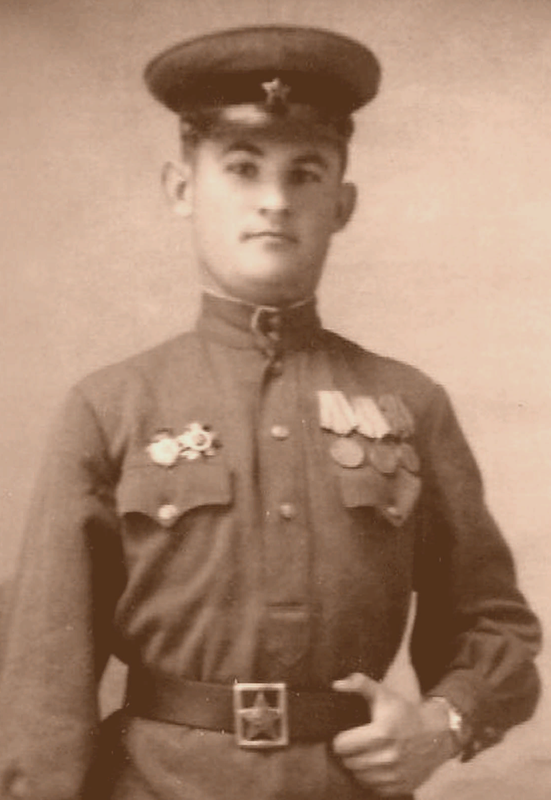
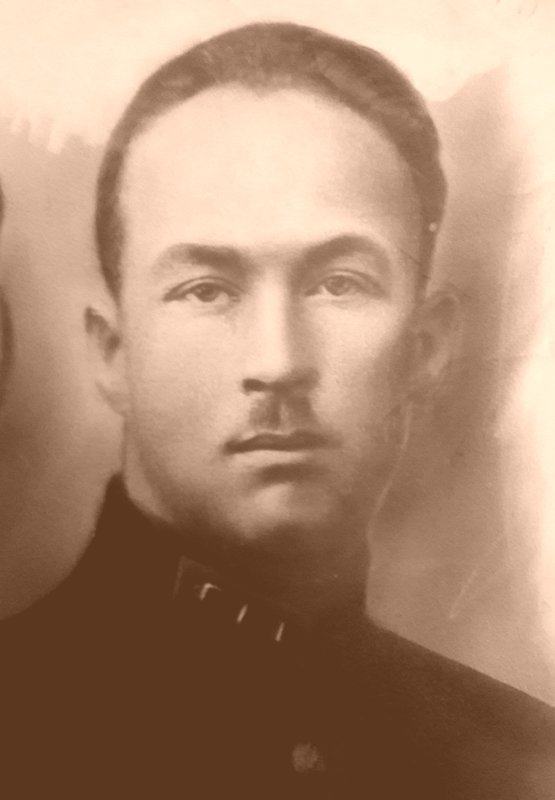
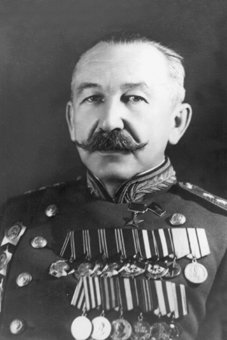
Pavel Belov, the hero of the Soviet Union (15.0.1944). Member of the CPSU since 1925. Was born in the family of office workers.
In Soviet Army since 1918, participant of the Civil War. Graduated from the Advanced Training Courses of the Command Staff (1927), Frunze Military Academy (1933), and Higher Academic Courses (1949).
In the beginning of the Great Patriotic War, he commanded the 1st Guards Cavalry Corps (June 1941-June 1942), which during the Battle of Moscow five months fought behind enemy lines. P. Belov met the Great Patriotic War in Besarabia as the Commander of the 2nd Cavalry Corps. Cavalry men of Major General Belov in persistent defensive battles, restraining the advancing enemy and dealing him sensitive blows, retreated from the Prut River to Belgorod. From there, the corps, which showed high combat capability, was transferred to Moscow.
The group of troops of General P. Belov in November-December 1941, played an outstanding role in the defeat of the German-fascist troops in the Tula area. After the German 2nd Panzer army broke through the front of our 50th Army in the area of Stalinogorsk, German troops rushed North, occupied Venev, Mordves, and led an offensive on Kashira, in order to force the Oka River and start an offensive from the South to Moscow. On their way stood the soldiers of General Belov. The 2nd Cavalry Corps was awarded the title of the 1st Guards Cavalry Corps in those fierce battles.
The troops of the group of General Belov as a part of the Guards Corps were the first to smash the army of Guderian near Moscow. General Belov's Group not only stopped the Nazis, but also went on the offensive itself, throwing the enemy dozens of kilometers to the South. The successful attack of the cavalry Guards on Mordves contributed a lot to the defensive actions of the 50th Army, which defended Tula. The attack of the Belov’s group on the enemy, and then the counter-offensive of the armies of the left wing of the Western Front, so weakened Guderian's army was never able to resume the offensive on Tula and Moscow. He commanded the 61st Army from June 1942. It participated in the battle of Kursk, the Dnieper, the Belorussian, Vistula-Oder, East Pomeranian and Berlin operations. After the war, he commanded the troops of the Don, North-Caucasus and the South Ural Military Districts. In 1955-1960 Chairman of the Cntral Committee of DOSAAF.
Retired since 1960. Deputy of the Suprem Council of the USSR of 2-5 convocations. Foreign awards: Order of the Red Banner (Mongolia), Knight of the Order of Virtuti Militari (Poland), Knight of the Order of the Cross of Grunwald (Poland), Medal For Warsaw 1939-1945 (Poland), Medal For Odra, Nisa and the Baltic (Poland).
Pavel Belov
Rank: Colonel General
Branch of Service: Army, Air Force (except for Naval Aviation), Coast Guard, NKVD troops, Border Guard.
Pavel Belov, the hero of the Soviet Union (15.0.1944). Member of the CPSU since 1925. Was born in the family of office workers.
In Soviet Army since 1918, participant of the Civil War. Graduated from the Advanced Training Courses of the Command Staff (1927), Frunze Military Academy (1933), and Higher Academic Courses (1949).
In the beginning of the Great Patriotic War, he commanded the 1st Guards Cavalry Corps (June 1941-June 1942), which during the Battle of Moscow five months fought behind enemy lines. P. Belov met the Great Patriotic War in Besarabia as the Commander of the 2nd Cavalry Corps. Cavalry men of Major General Belov in persistent defensive battles, restraining the advancing enemy and dealing him sensitive blows, retreated from the Prut River to Belgorod. From there, the corps, which showed high combat capability, was transferred to Moscow.
The group of troops of General P. Belov in November-December 1941, played an outstanding role in the defeat of the German-fascist troops in the Tula area. After the German 2nd Panzer army broke through the front of our 50th Army in the area of Stalinogorsk, German troops rushed North, occupied Venev, Mordves, and led an offensive on Kashira, in order to force the Oka River and start an offensive from the South to Moscow. On their way stood the soldiers of General Belov. The 2nd Cavalry Corps was awarded the title of the 1st Guards Cavalry Corps in those fierce battles.
The troops of the group of General Belov as a part of the Guards Corps were the first to smash the army of Guderian near Moscow. General Belov's Group not only stopped the Nazis, but also went on the offensive itself, throwing the enemy dozens of kilometers to the South. The successful attack of the cavalry Guards on Mordves contributed a lot to the defensive actions of the 50th Army, which defended Tula. The attack of the Belov’s group on the enemy, and then the counter-offensive of the armies of the left wing of the Western Front, so weakened Guderian's army was never able to resume the offensive on Tula and Moscow. He commanded the 61st Army from June 1942. It participated in the battle of Kursk, the Dnieper, the Belorussian, Vistula-Oder, East Pomeranian and Berlin operations. After the war, he commanded the troops of the Don, North-Caucasus and the South Ural Military Districts. In 1955-1960 Chairman of the Cntral Committee of DOSAAF.
Retired since 1960. Deputy of the Suprem Council of the USSR of 2-5 convocations. Foreign awards: Order of the Red Banner (Mongolia), Knight of the Order of Virtuti Militari (Poland), Knight of the Order of the Cross of Grunwald (Poland), Medal For Warsaw 1939-1945 (Poland), Medal For Odra, Nisa and the Baltic (Poland).
0 comment



2026 © Russian Military Historical Society Developed by Jetmix