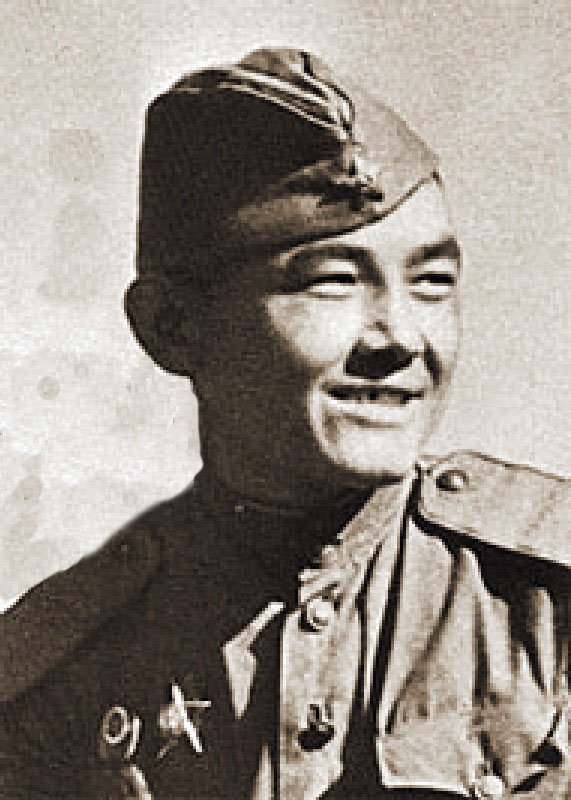
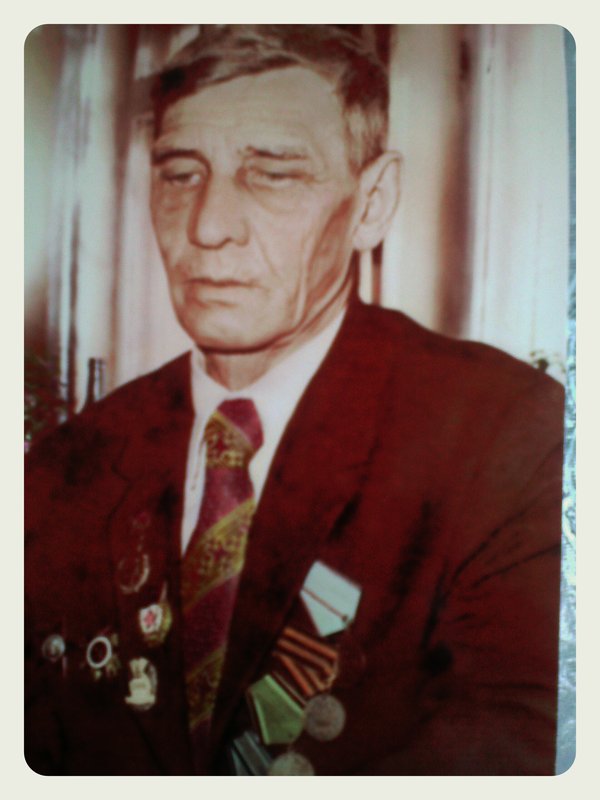
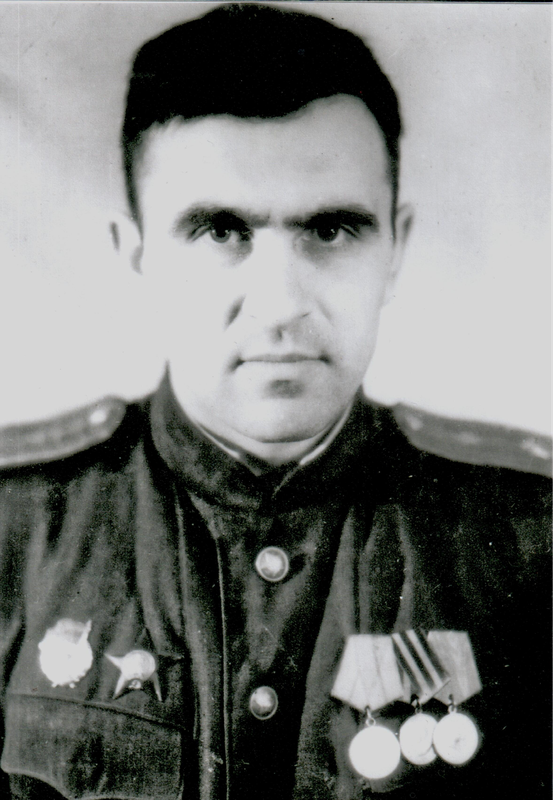
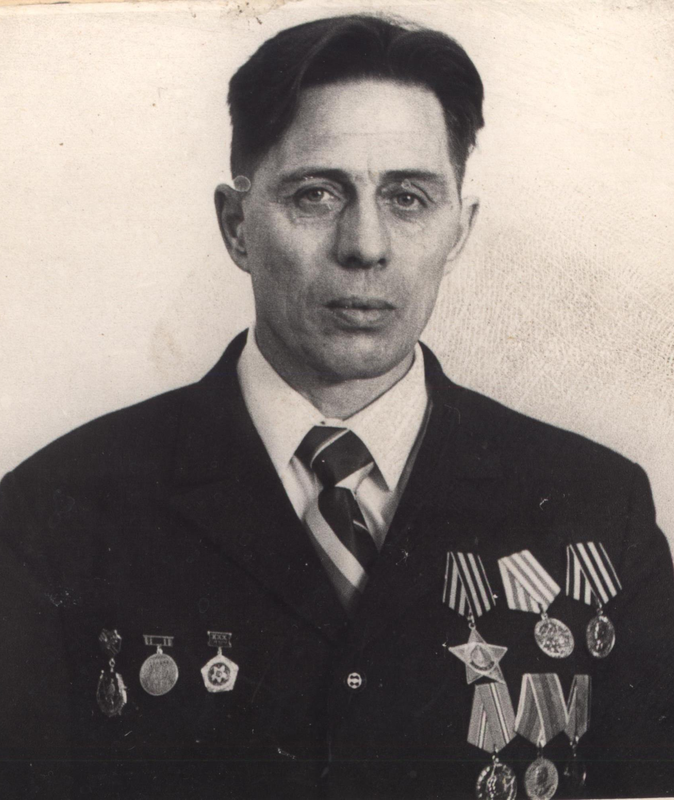
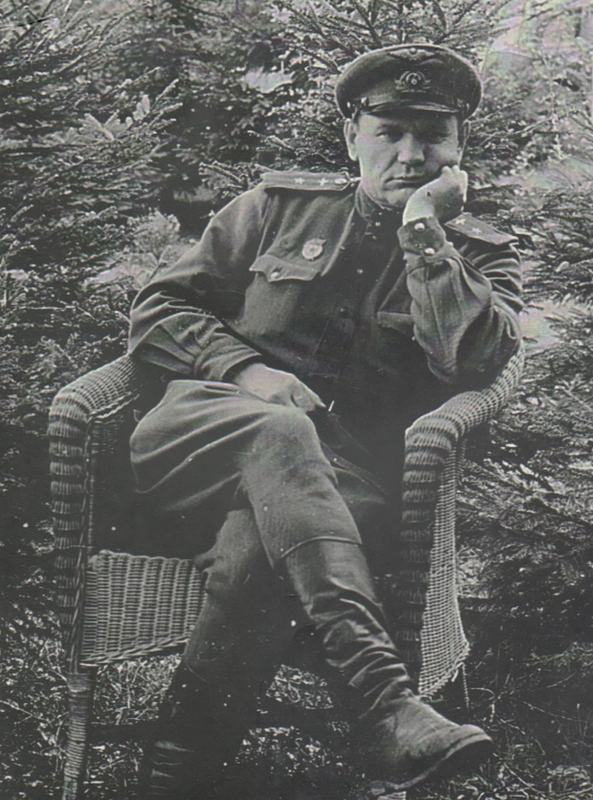
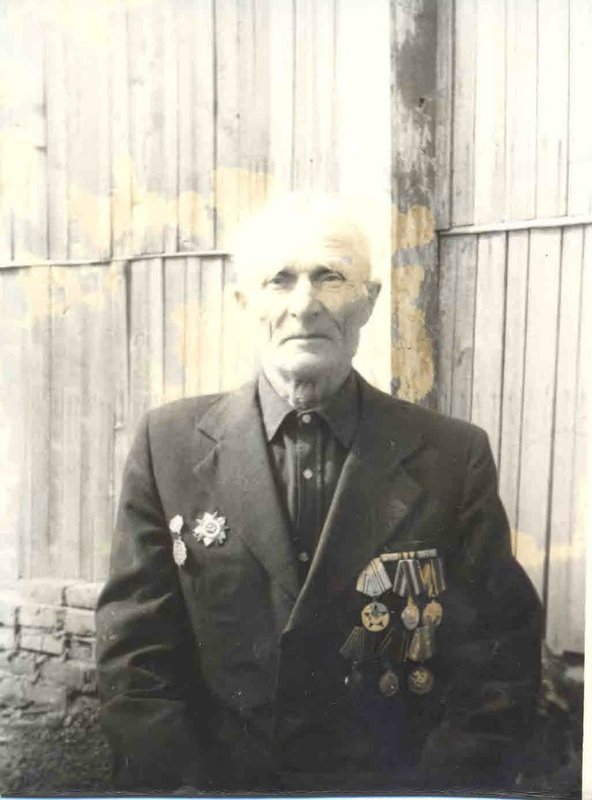
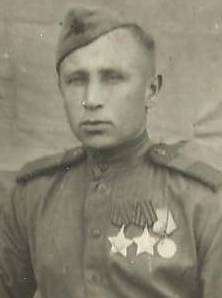
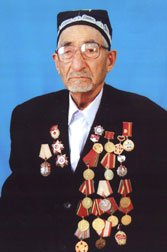
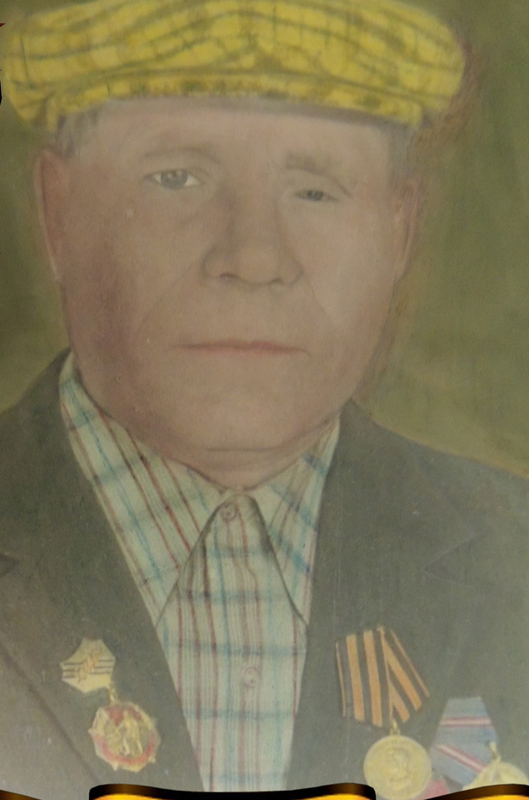
Artemiev Sergey Ustinovich
DATE OF BIRTH: 10/04/1920 DATE OF DEATH: 02/07/1998 HISTORY: When the marines liberated Kerch and the village of Adzhimushkay and descended into the quarry, they, war-hardened sailors, were shocked by what they saw: ... the further into the depths of the stone galleries , the harder it is to breathe. It smells of age-old dampness. Coldly. On the floor are rags, sheets of paper. And the remains of people. A sheet taken at random is another shock. This is the daily delivery of different products per person: 15 grams, 10 grams, 5 grams. And in the next compartment - dozens of corpses of Soviet soldiers. In greatcoats, in bandages, reclining, head thrown back - in these positions they were caught by death. Nearby are weapons and gas masks. Shops of rifles and machine guns are empty: people fought to the last bullet. Gloom and heavy spirit of the grave complete the ominous picture. The shocked sailors realized that this was a self-sacrifice in the name of the Fatherland. With the name of the heroes of Adzhimushkaya, the soldiers later liberated Kerch, Crimea, Sevastopol. There were 15 thousand people in the Adzhimushkai quarries. There was not enough food, water, air. The enraged fascists were throwing lighted gas bombs at the catacombs. To fight them, the defenders arranged shifts and threw burning checkers into boxes of sand. Then the Nazis began to inject gas with a compressor and drilled holes in the walls for hoses. But the defenders found a way out. They tied the hoses in a knot. Then the Germans began to inject gas directly through the holes. And here the defenders found a way out - they created gas-tight walls. Water has become the No. 1 problem for the underground garrison. People sucked water from damp walls, collected it drop by drop into mugs. It was very difficult for emaciated people to dig wells; many died. And the fascists, if they heard the knock of a pickaxe, blew up this place, realizing that people were looking for water. The notes of the defenders have survived. From them you can see how hard it was for the fighters. And when our troops left Sevastopol, the Germans intensified their psychological attack: “Surrender. We promise you. You were left alone in Crimea, everyone surrendered. " But the fighters understood that they were holding the German troops and did not allow them to go to Taman. They fulfilled their duty to the Motherland with honor. Members of the underground garrison did not sit in the catacombs. They went to the surface at night, destroyed enemy firing points, got food, weapons. Many died in battle, others from weakness could not return and died. The defense was led by P.M. Yagunov, who was killed by a stray German grenade. On May 8, 1942, when the Nazis launched a powerful offensive against the positions of the troops of the Crimean Front, units exhausted by continuous battles and fierce bombing retreated to Kerch. Having lost tanks, artillery, and used up ammunition, Soviet troops began to evacuate to the Taman Peninsula. It ended on the night of May 19-20. On May 16-17, a large consolidated detachment under the command of Colonel P. M. Yagunov, consisting of the remnants of units of various types of troops, was surrounded in the Adzhimushkaya area. Having not received an order to withdraw, the detachment continued to bravely fight the Nazis. The Adzhimushkai quarries, where the Soviet soldiers managed to break through, became their last defensive line. In the Big (Central) quarries, four rifle battalions, a headquarters, and a political department were formed, the basis of which was a reserve of command and political personnel. The underground garrison was headed by Colonel P. M. Yagunov and senior battalion commissar I. P. Parakhin. The Chief of Staff was Senior Lieutenant P. Ye. Sidorov. Already on May 20, active hostilities began, night sorties, in which the Nazis suffered significant losses. The existence of two garrisons posed a constant threat to them. Making sure that the Soviet soldiers were not going to lay down their weapons, the Hitlerite executioners used a means prohibited by the international convention as criminal. From May 24, they began to inject poisonous gases into the catacombs. At this terrible time full of tragedy, the head of the main radio station, Senior Lieutenant F.F. Kaznacheev, broadcast the message of Colonel P. M. Yagunov: "Everyone! Everyone! Everyone! All the peoples of the Soviet Union! We, the defenders of the Kerch defense, are choking on gas, we die, but we don't surrender! .. "The garrison suffered huge losses from the first gas attacks. But it was not despair and fear that possessed those who survived, but hatred of the enemy. Partitions were hastily erected on the gas paths, and primitive gas shelters were built. The Nazis surrounded the quarries with a dense network of barbed wire, blew up the exits, covered them with earth, and made powerful explosions on the surface of the catacombs. Hundreds of people died under the rubble, and still remain unmarked underground graves. Stocks of food and ammunition were depleted. From the very first days, the defenders of the underground garrison felt an acute shortage of water: they could get it only in two outer wells, which the Nazis kept under targeted fire day and night. In order to finally deprive the besieged sources of water, the invaders threw one of the wells with the corpses of the dead, the other - with wreckage of cars, stone blocks.Fortunately, they were jammed, so the bottom and part of the trunk were free. For several days, a special team, choking on the acrid dust and soot of lamps, pounded an underground passage to the well. They took water from it until the Nazis blew up the well. Aware of how unreliable the source outside the catacombs is, the underground garrison fighters with great efforts cut two wells in the rock below the ground. One of them has survived to this day. Experiencing incredible hardships and hardships, the heroes of the quarries not only lived, existed - they fought. The Adzhimushkays chained up significant enemy forces: the regiments of the 46th and 132nd infantry divisions, the battle group of Colonel Korne. On the night of July 9, Soviet soldiers carried out one of the largest military sorties, during which they destroyed the enemy garrison in the village of Adzhimushkai. In the morning, the organizer of the defense, Colonel P. M. Yagunov, was killed. Lieutenant Colonel G.M.Burmin, who replaced him, vowed to continue the struggle. In mid-July, the Adzhimushkays began to die of hunger; they died under landslides and shelling, from diseases and wounds. At the end of October 1942, after a 170-day defense, the few surviving defenders of the underground fortress fought their last battle in the quarry. They disabled 20 enemy soldiers. The heroes were captured by Hitler's executioners; some were shot, others were sent to concentration camps. The soldiers of the underground garrison held out for five and a half months. The Adzhimushkai defense went down in the history of the Great Patriotic War as one of its most heroic and at the same time tragic pages. Kerch Brest, an unconquered fortress on the Crimean land - this is how people later called the legendary Adzhimushkai for his immortal feat. Among those captured was my grandfather, Artemiev Sergei Ustinovich. He continued to fight the enemy in captivity, he was an underground activist. My grandfather went through three death camps: Buchenwald, Asventsim and Dachau. His associates arranged seven escapes for him, but none of them was crowned with success. During one of the escapes, he was seriously wounded. He was released from captivity on April 29, 1945. Until his death, he carried this mark on his hand: 14758 ...
Artemiev Sergey Ustinovich
DATE OF BIRTH: 10/04/1920 DATE OF DEATH: 02/07/1998 HISTORY: When the marines liberated Kerch and the village of Adzhimushkay and descended into the quarry, they, war-hardened sailors, were shocked by what they saw: ... the further into the depths of the stone galleries , the harder it is to breathe. It smells of age-old dampness. Coldly. On the floor are rags, sheets of paper. And the remains of people. A sheet taken at random is another shock. This is the daily delivery of different products per person: 15 grams, 10 grams, 5 grams. And in the next compartment - dozens of corpses of Soviet soldiers. In greatcoats, in bandages, reclining, head thrown back - in these positions they were caught by death. Nearby are weapons and gas masks. Shops of rifles and machine guns are empty: people fought to the last bullet. Gloom and heavy spirit of the grave complete the ominous picture. The shocked sailors realized that this was a self-sacrifice in the name of the Fatherland. With the name of the heroes of Adzhimushkaya, the soldiers later liberated Kerch, Crimea, Sevastopol. There were 15 thousand people in the Adzhimushkai quarries. There was not enough food, water, air. The enraged fascists were throwing lighted gas bombs at the catacombs. To fight them, the defenders arranged shifts and threw burning checkers into boxes of sand. Then the Nazis began to inject gas with a compressor and drilled holes in the walls for hoses. But the defenders found a way out. They tied the hoses in a knot. Then the Germans began to inject gas directly through the holes. And here the defenders found a way out - they created gas-tight walls. Water has become the No. 1 problem for the underground garrison. People sucked water from damp walls, collected it drop by drop into mugs. It was very difficult for emaciated people to dig wells; many died. And the fascists, if they heard the knock of a pickaxe, blew up this place, realizing that people were looking for water. The notes of the defenders have survived. From them you can see how hard it was for the fighters. And when our troops left Sevastopol, the Germans intensified their psychological attack: “Surrender. We promise you. You were left alone in Crimea, everyone surrendered. " But the fighters understood that they were holding the German troops and did not allow them to go to Taman. They fulfilled their duty to the Motherland with honor. Members of the underground garrison did not sit in the catacombs. They went to the surface at night, destroyed enemy firing points, got food, weapons. Many died in battle, others from weakness could not return and died. The defense was led by P.M. Yagunov, who was killed by a stray German grenade. On May 8, 1942, when the Nazis launched a powerful offensive against the positions of the troops of the Crimean Front, units exhausted by continuous battles and fierce bombing retreated to Kerch. Having lost tanks, artillery, and used up ammunition, Soviet troops began to evacuate to the Taman Peninsula. It ended on the night of May 19-20. On May 16-17, a large consolidated detachment under the command of Colonel P. M. Yagunov, consisting of the remnants of units of various types of troops, was surrounded in the Adzhimushkaya area. Having not received an order to withdraw, the detachment continued to bravely fight the Nazis. The Adzhimushkai quarries, where the Soviet soldiers managed to break through, became their last defensive line. In the Big (Central) quarries, four rifle battalions, a headquarters, and a political department were formed, the basis of which was a reserve of command and political personnel. The underground garrison was headed by Colonel P. M. Yagunov and senior battalion commissar I. P. Parakhin. The Chief of Staff was Senior Lieutenant P. Ye. Sidorov. Already on May 20, active hostilities began, night sorties, in which the Nazis suffered significant losses. The existence of two garrisons posed a constant threat to them. Making sure that the Soviet soldiers were not going to lay down their weapons, the Hitlerite executioners used a means prohibited by the international convention as criminal. From May 24, they began to inject poisonous gases into the catacombs. At this terrible time full of tragedy, the head of the main radio station, Senior Lieutenant F.F. Kaznacheev, broadcast the message of Colonel P. M. Yagunov: "Everyone! Everyone! Everyone! All the peoples of the Soviet Union! We, the defenders of the Kerch defense, are choking on gas, we die, but we don't surrender! .. "The garrison suffered huge losses from the first gas attacks. But it was not despair and fear that possessed those who survived, but hatred of the enemy. Partitions were hastily erected on the gas paths, and primitive gas shelters were built. The Nazis surrounded the quarries with a dense network of barbed wire, blew up the exits, covered them with earth, and made powerful explosions on the surface of the catacombs. Hundreds of people died under the rubble, and still remain unmarked underground graves. Stocks of food and ammunition were depleted. From the very first days, the defenders of the underground garrison felt an acute shortage of water: they could get it only in two outer wells, which the Nazis kept under targeted fire day and night. In order to finally deprive the besieged sources of water, the invaders threw one of the wells with the corpses of the dead, the other - with wreckage of cars, stone blocks.Fortunately, they were jammed, so the bottom and part of the trunk were free. For several days, a special team, choking on the acrid dust and soot of lamps, pounded an underground passage to the well. They took water from it until the Nazis blew up the well. Aware of how unreliable the source outside the catacombs is, the underground garrison fighters with great efforts cut two wells in the rock below the ground. One of them has survived to this day. Experiencing incredible hardships and hardships, the heroes of the quarries not only lived, existed - they fought. The Adzhimushkays chained up significant enemy forces: the regiments of the 46th and 132nd infantry divisions, the battle group of Colonel Korne. On the night of July 9, Soviet soldiers carried out one of the largest military sorties, during which they destroyed the enemy garrison in the village of Adzhimushkai. In the morning, the organizer of the defense, Colonel P. M. Yagunov, was killed. Lieutenant Colonel G.M.Burmin, who replaced him, vowed to continue the struggle. In mid-July, the Adzhimushkays began to die of hunger; they died under landslides and shelling, from diseases and wounds. At the end of October 1942, after a 170-day defense, the few surviving defenders of the underground fortress fought their last battle in the quarry. They disabled 20 enemy soldiers. The heroes were captured by Hitler's executioners; some were shot, others were sent to concentration camps. The soldiers of the underground garrison held out for five and a half months. The Adzhimushkai defense went down in the history of the Great Patriotic War as one of its most heroic and at the same time tragic pages. Kerch Brest, an unconquered fortress on the Crimean land - this is how people later called the legendary Adzhimushkai for his immortal feat. Among those captured was my grandfather, Artemiev Sergei Ustinovich. He continued to fight the enemy in captivity, he was an underground activist. My grandfather went through three death camps: Buchenwald, Asventsim and Dachau. His associates arranged seven escapes for him, but none of them was crowned with success. During one of the escapes, he was seriously wounded. He was released from captivity on April 29, 1945. Until his death, he carried this mark on his hand: 14758 ...
0 comment



2026 © Russian Military Historical Society Developed by Jetmix