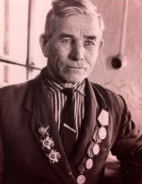
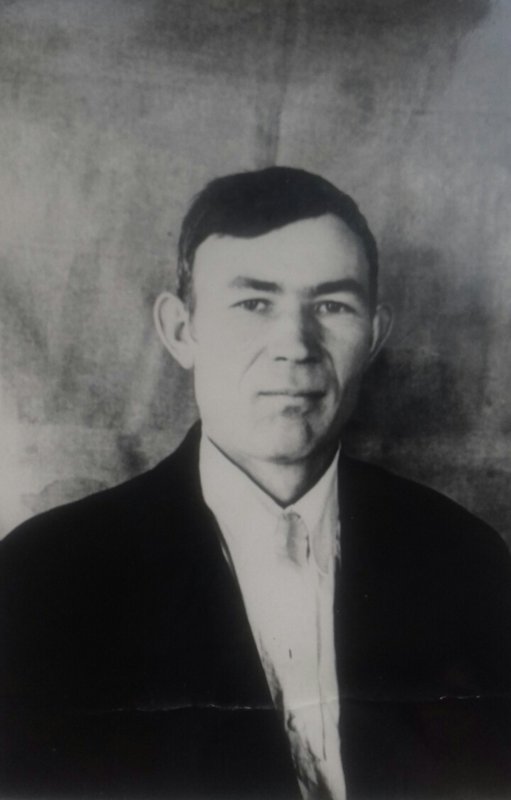
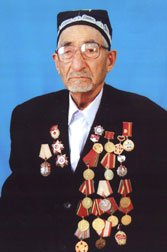
Abduvaliev Suleiman
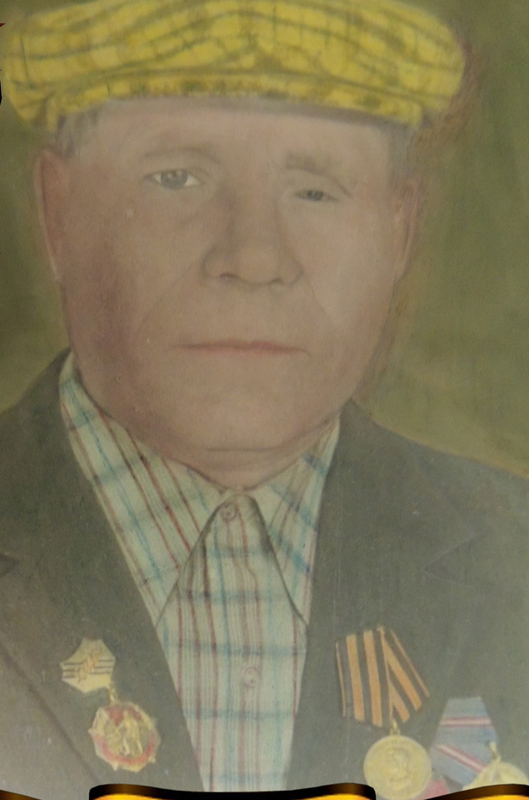
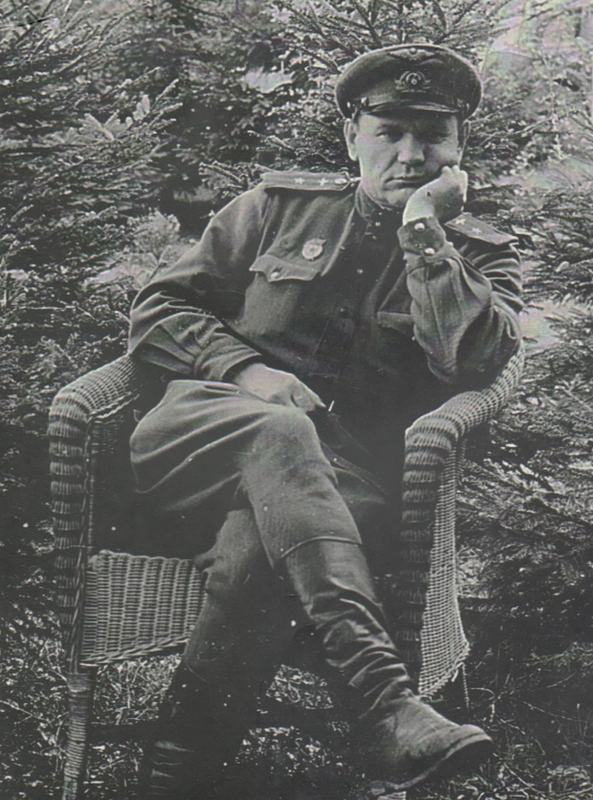
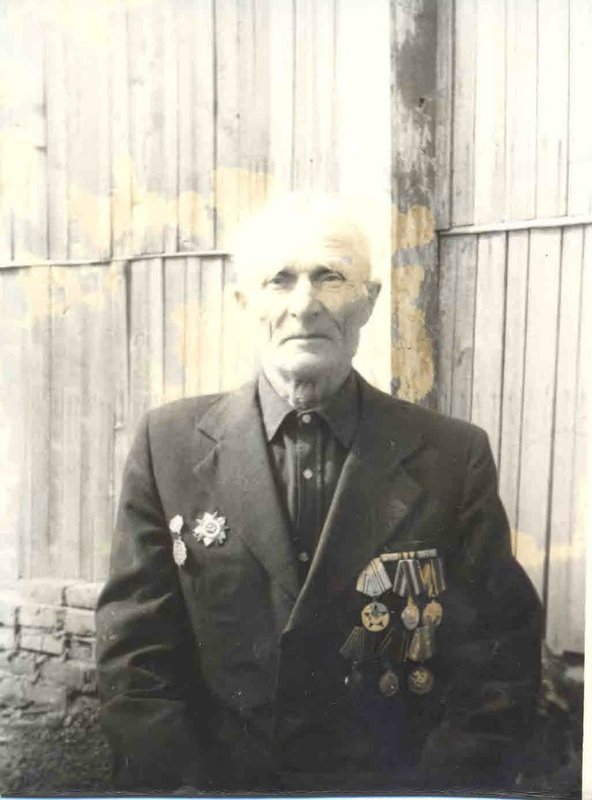
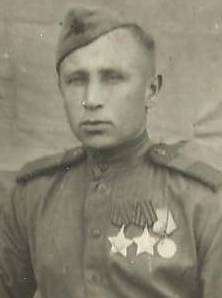
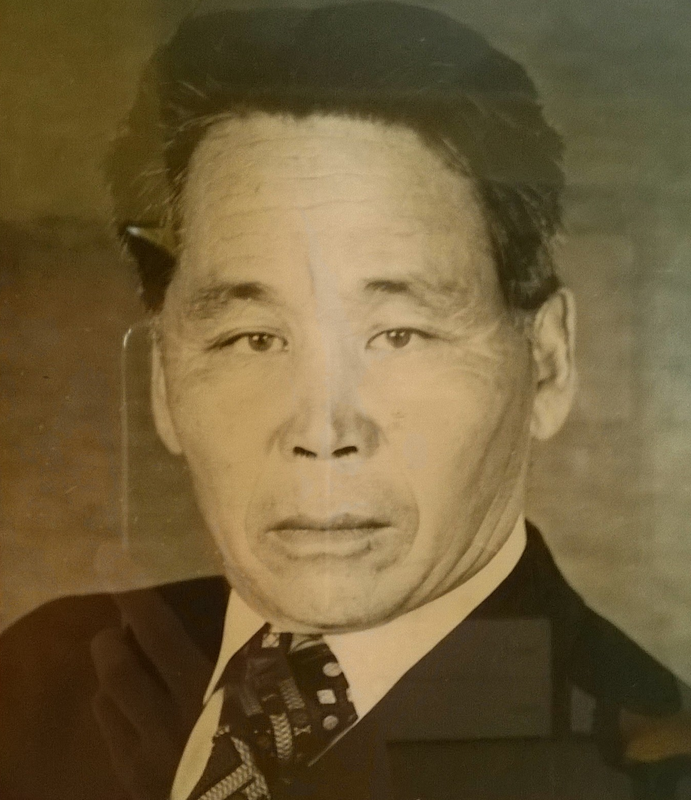
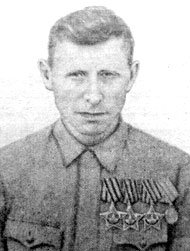
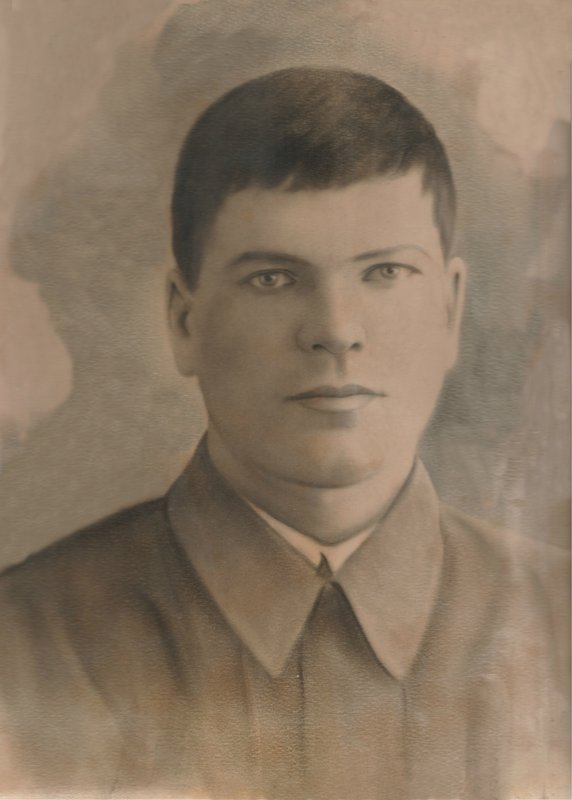
OROD: Kyrgyzstan, city of Osh DATE OF BIRTH: 03/15/1924 DATE OF DEATH: 01/01/2014 HISTORY: Title: Red Army soldier Type of troops: Ground forces, Air Force (except naval aviation), coastal service, NKVD troops, border troops Subdivision: 119th Infantry Division (1st formation) Guards division submachine gunner, In the tenth grade, the Oshan Suleiman Abduvaliev did not have to study for a month. He was barely eighteen years old when the military enlistment office called him to the front. September 1942 ended, and in the vastness of the USSR there were fierce battles with the fascist horde. And the military echelon was taking Suleiman to the places of battles, taking the third son of the old men Abduvaliev to the war. The two elders had already died by that time. The eldest son of Kurvonali left for the army in 1938. A year later, its part took part in the Finnish War. Then the Nazis attacked the country. During the first battles with them, he disappeared without a trace. Melibay's second son was drafted into the Red Army in 1940 and fought at the front from the very beginning of the war. And soon the parents received a funeral with the official words: "He died the death of the brave." And so the train was carrying the third son of the Abduvalievs to the battlefield. At a training center near Penza, recruits were taught to handle weapons. Suleiman was enrolled in the mortar company and was soon sent to the 119th Guards Division, but the young fighter did not have to stand at the 125-mm mortar - the command decided to send part of the mortarmen to the infantry, the ranks of which were noticeably decreasing after each battle. So, a young Kyrgyz man became a submachine gunner. He took part in battles near Velikie Luki, in the Vitebsk region, and fought on Estonian soil as part of the second Baltic Front. In the summer of 1943, he was relatively wounded in the head. After recovering, he again found himself at the front. - The forty-third year I remember for the rest of my life, - the old warrior recalls. - Just arrived at the unit, as in the first battle I was wounded in the leg. A week in the hospital and again a battle in which a strange story happened to me. They went hand-to-hand with shouts: "For the Motherland, for Stalin!", Burst into the location of the enemy defense. I found myself on the edge of a fascist trench, in which there were a dozen Fritzes, pointed a machine gun at them, and they raised their hands in unison, surrendering. He took them out of the trench and handed them over to the fighters who ran up. For this he received a thrashing from the commander, who said that he should have escorted the Fritzes himself, then he would have received an order for the feat. And in December of the same 1943, Suleiman came under German dagger fire. Already in the trench, he felt something hot hit. Lost consciousness. I woke up covered in blood, from severe pain in the shoulder and right arm. A shell fragment inflicted two wounds at once. Brother-soldier Ivan Mikheev came to the rescue, with whom Suleiman was hardly familiar. This Belarusian moved to him from a neighboring trench, carried him to the nearest mobile first-aid post, practically saved the wounded man's life, became his bosom friend. The injury turned out to be serious, Suleiman spent several months in the hospital. The medical commission concluded that with such wounds he was no longer a fighter: and in March 1944, the war invalid returned to Osh. Suleiman tried himself in several jobs for several years. In 1946 he got married. With Makhbubakhan, they raised eleven children, and she is a heroine mother. “In 1951 I decided to firmly get a civilian profession,” says the veteran, “I finished driving courses. The front-line soldier also continued his studies in evening school without interrupting work, graduated from the Osh Agricultural College, received the profession of an irrigator, but in life it was not useful to him, but he could not part with the chauffeur business, to which he had given forty years. In 1976, Abduvaliev was awarded the Order of the Badge of Honor for the transportation of national economic goods, which replenished the veteran's award box, including two Orders of the Patriotic War and 22 medals - combat and jubilee. Suleiman lives happily with Makhbubakhan to this day. Family ties have linked them for 64 years and few people in the half-million city can compete with this married couple in this. Children work as doctors and teachers, in business. The old people today have 35 grandchildren and 41 great-grandchildren. The Abduvalievs live - the elders live in a private house with the youngest of their sons, Ikram, he is a businessman, constantly in business, and three great-grandchildren do not give boredom to their great-grandfather and great-grandmother: a boy and two girls. Suleiman has a lot of everyday life. Often the Council of Elders sends him to nearby schools to meet with students. He visits his front-line friends Alym Kudaiberdiev from the Karasuy village of Papan, Karim Kenzhaev from Aravan, Musa Sasykbaev from Ozgor. While drinking tea, veterans remember the days of the past, fellow soldiers scattered across the CIS countries. And in the recent past, Suleiman performed the hajj to Mecca twice. This year, God willing, the former front-line soldier will celebrate his 86th anniversary and the 65th anniversary of the Great Victory - a date that holds a special place in the memory of the old soldier. N. Pletnev.
Abduvaliev Suleiman
OROD: Kyrgyzstan, city of Osh DATE OF BIRTH: 03/15/1924 DATE OF DEATH: 01/01/2014 HISTORY: Title: Red Army soldier Type of troops: Ground forces, Air Force (except naval aviation), coastal service, NKVD troops, border troops Subdivision: 119th Infantry Division (1st formation) Guards division submachine gunner, In the tenth grade, the Oshan Suleiman Abduvaliev did not have to study for a month. He was barely eighteen years old when the military enlistment office called him to the front. September 1942 ended, and in the vastness of the USSR there were fierce battles with the fascist horde. And the military echelon was taking Suleiman to the places of battles, taking the third son of the old men Abduvaliev to the war. The two elders had already died by that time. The eldest son of Kurvonali left for the army in 1938. A year later, its part took part in the Finnish War. Then the Nazis attacked the country. During the first battles with them, he disappeared without a trace. Melibay's second son was drafted into the Red Army in 1940 and fought at the front from the very beginning of the war. And soon the parents received a funeral with the official words: "He died the death of the brave." And so the train was carrying the third son of the Abduvalievs to the battlefield. At a training center near Penza, recruits were taught to handle weapons. Suleiman was enrolled in the mortar company and was soon sent to the 119th Guards Division, but the young fighter did not have to stand at the 125-mm mortar - the command decided to send part of the mortarmen to the infantry, the ranks of which were noticeably decreasing after each battle. So, a young Kyrgyz man became a submachine gunner. He took part in battles near Velikie Luki, in the Vitebsk region, and fought on Estonian soil as part of the second Baltic Front. In the summer of 1943, he was relatively wounded in the head. After recovering, he again found himself at the front. - The forty-third year I remember for the rest of my life, - the old warrior recalls. - Just arrived at the unit, as in the first battle I was wounded in the leg. A week in the hospital and again a battle in which a strange story happened to me. They went hand-to-hand with shouts: "For the Motherland, for Stalin!", Burst into the location of the enemy defense. I found myself on the edge of a fascist trench, in which there were a dozen Fritzes, pointed a machine gun at them, and they raised their hands in unison, surrendering. He took them out of the trench and handed them over to the fighters who ran up. For this he received a thrashing from the commander, who said that he should have escorted the Fritzes himself, then he would have received an order for the feat. And in December of the same 1943, Suleiman came under German dagger fire. Already in the trench, he felt something hot hit. Lost consciousness. I woke up covered in blood, from severe pain in the shoulder and right arm. A shell fragment inflicted two wounds at once. Brother-soldier Ivan Mikheev came to the rescue, with whom Suleiman was hardly familiar. This Belarusian moved to him from a neighboring trench, carried him to the nearest mobile first-aid post, practically saved the wounded man's life, became his bosom friend. The injury turned out to be serious, Suleiman spent several months in the hospital. The medical commission concluded that with such wounds he was no longer a fighter: and in March 1944, the war invalid returned to Osh. Suleiman tried himself in several jobs for several years. In 1946 he got married. With Makhbubakhan, they raised eleven children, and she is a heroine mother. “In 1951 I decided to firmly get a civilian profession,” says the veteran, “I finished driving courses. The front-line soldier also continued his studies in evening school without interrupting work, graduated from the Osh Agricultural College, received the profession of an irrigator, but in life it was not useful to him, but he could not part with the chauffeur business, to which he had given forty years. In 1976, Abduvaliev was awarded the Order of the Badge of Honor for the transportation of national economic goods, which replenished the veteran's award box, including two Orders of the Patriotic War and 22 medals - combat and jubilee. Suleiman lives happily with Makhbubakhan to this day. Family ties have linked them for 64 years and few people in the half-million city can compete with this married couple in this. Children work as doctors and teachers, in business. The old people today have 35 grandchildren and 41 great-grandchildren. The Abduvalievs live - the elders live in a private house with the youngest of their sons, Ikram, he is a businessman, constantly in business, and three great-grandchildren do not give boredom to their great-grandfather and great-grandmother: a boy and two girls. Suleiman has a lot of everyday life. Often the Council of Elders sends him to nearby schools to meet with students. He visits his front-line friends Alym Kudaiberdiev from the Karasuy village of Papan, Karim Kenzhaev from Aravan, Musa Sasykbaev from Ozgor. While drinking tea, veterans remember the days of the past, fellow soldiers scattered across the CIS countries. And in the recent past, Suleiman performed the hajj to Mecca twice. This year, God willing, the former front-line soldier will celebrate his 86th anniversary and the 65th anniversary of the Great Victory - a date that holds a special place in the memory of the old soldier. N. Pletnev.
0 comment



2026 © Russian Military Historical Society Developed by Jetmix