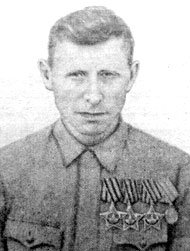
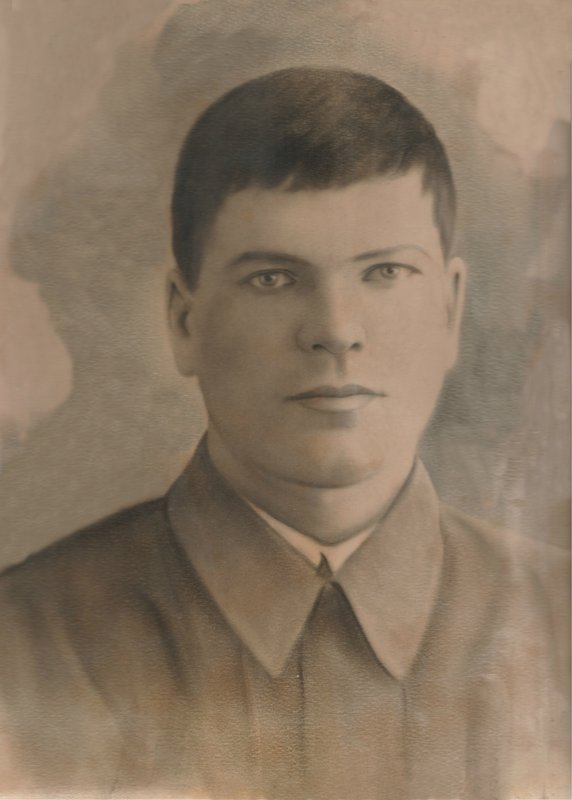
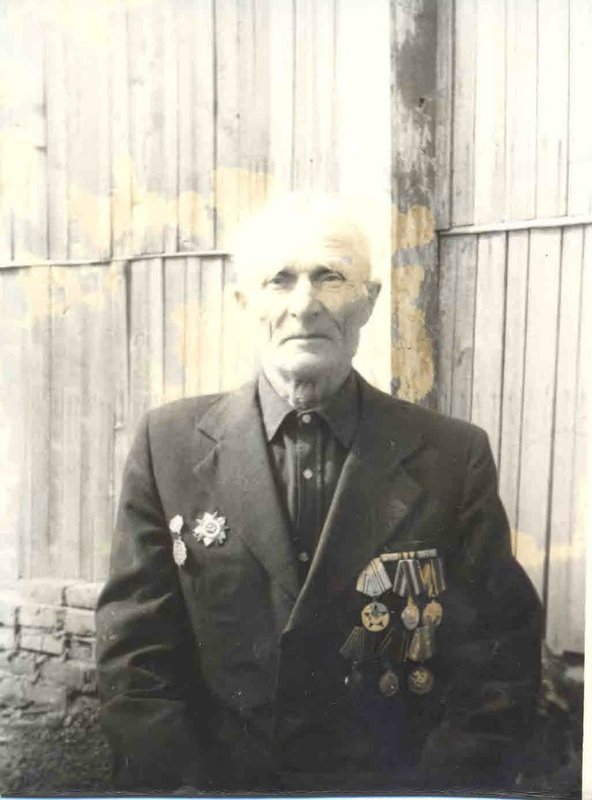
Aksenov Mikhail Stefanovich
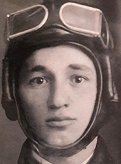
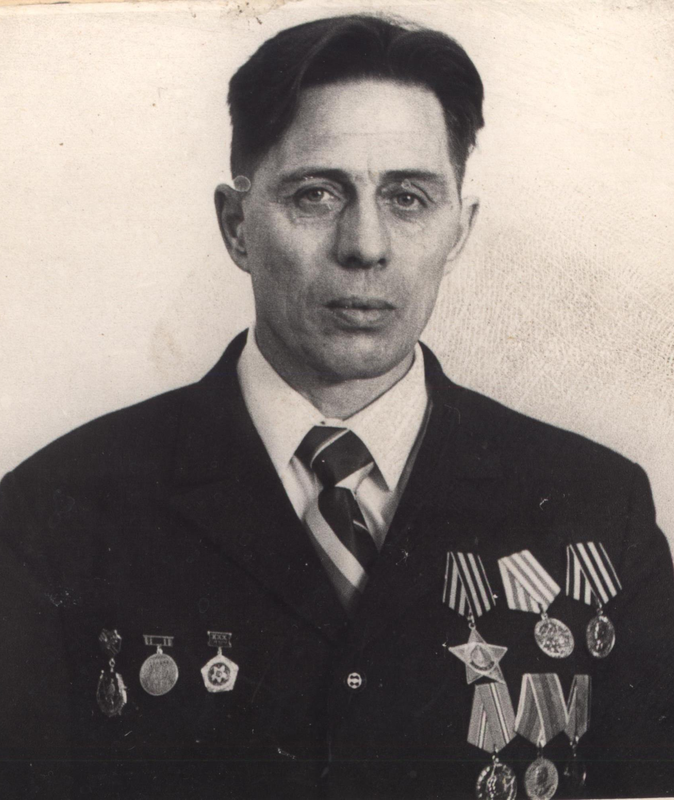
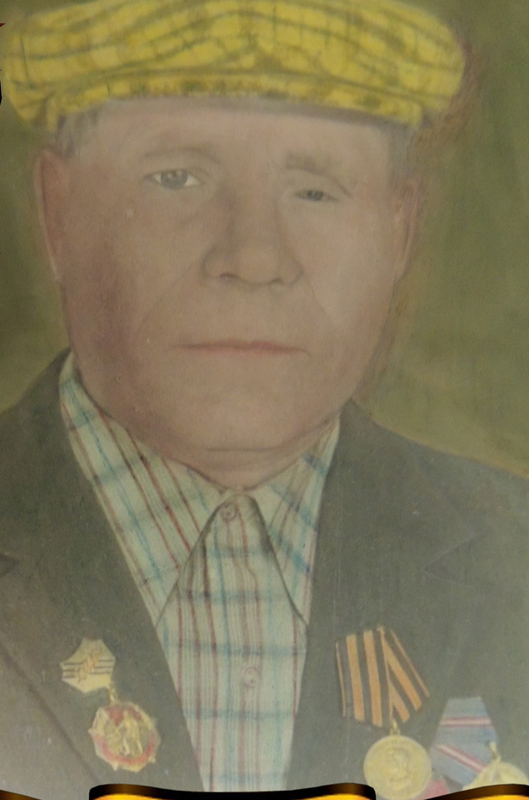
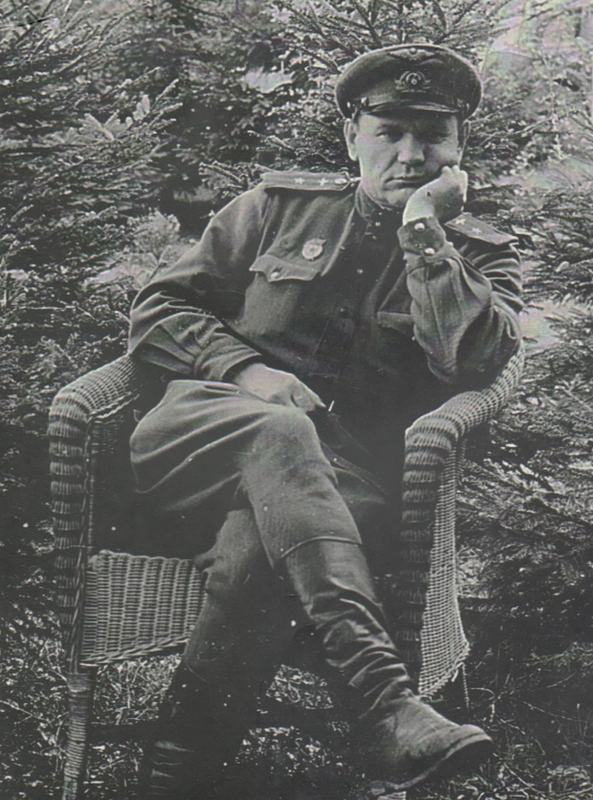
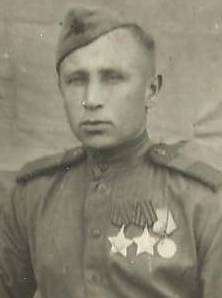
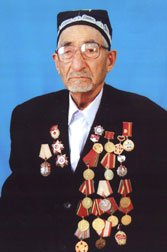
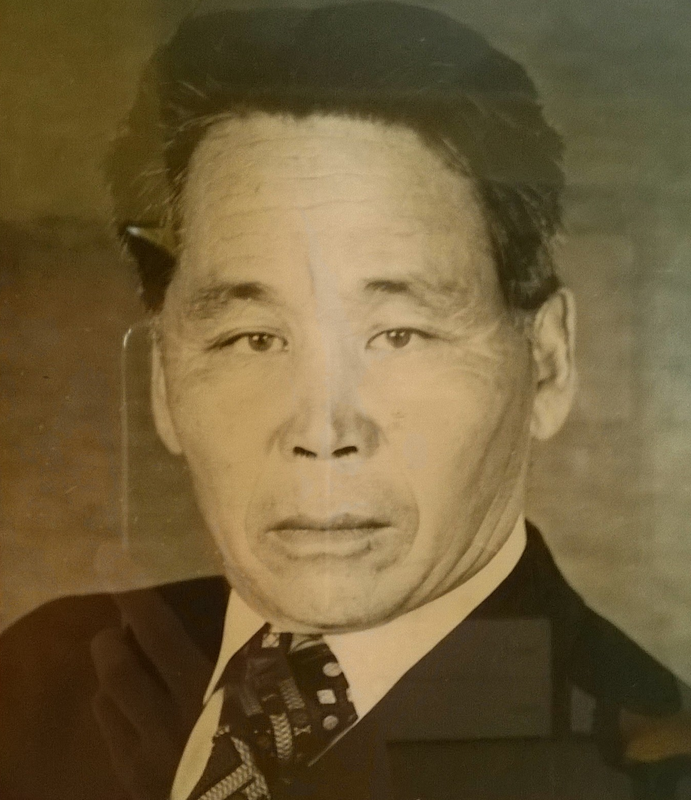
CITY: Voronezh region, Ternovsky district, with. Novokirsanovka DATE OF BIRTH: 01/13/1918 DATE OF DEATH: 05/13/2002 HISTORY: A tall, thin old man, gray-haired, with gray-blue eyes. This is how I remember him. Great-grandfather Misha died when I was 8 years old. My great-grandfather told a lot of stories, but because of my small age, I don't remember them well. I know almost the whole story about his participation in the Second World War from the words of my grandmother. A tall, thin old man, gray-haired, with gray-blue eyes. This is how I remember him. Great-grandfather Misha died when I was 8 years old. My great-grandfather told a lot of stories, but because of my small age, I don't remember them well. I know almost the whole story about his participation in the Second World War from the words of my grandmother. On January 15, 1940 he was drafted into the army. While serving on the territory of Ukraine, they announced the beginning of the Second World War, and was immediately sent to the front. He was a squad commander of the 18th artillery regiment. He fought on the Volkhov front. Was in the forests and swamps surrounded. They ate killed horses. They gave 200 grams per day. horse meat. “Swimming across the Volkhov River in winter, he was wounded in the leg almost near the bank. He began to swim to the shore. The strength was gone. "Aksenov!" - The lieutenant began to give me his hand and he was wounded in it. Having got out of the river, we hugged him and went to the hospital. " He was the commander of the intelligence department. He fought in Petrozavodsk (Karelia) in the Karelo-Finnish SSR. Was shell-shocked. He was buried in a shell crater. When they dug him up, he heard nothing and did not speak. This went on for a whole month. And afterwards he could hardly hear in one ear. My great-grandfather was also wounded in the back. He left a large, round scar that left a deep impression on me as a child. He fought in Japan. Great-grandfather said that the Japanese prisoners asked permission to catch frogs, and they were immediately fried on fires and eaten. A Japanese man gave him a watch. My great-grandfather also brought a photograph of a Japanese family: a captive Japanese man and his wife, leading a small child by the arms. Great-grandfather returned from the war when my grandmother was already 6 years old. She knew him only from photographs that he sent from the front. When the fighters from the village returned home, everyone joked about my grandmother, saying: "Your father has come," and she answered - "No, when my dad comes, we will drink wine." He returned at night with his brother Vasily. Great-grandmother Masha was confused and could not even find her skirt. They lit a lamp. Grandma woke up. Looking out from the stove, she said, "Here is my dad." According to my grandmother, when films about the war were shown, my great-grandfather began to tell different stories, but could not stand it and cried. Then the great-grandmother stopped him, saying "enough, enough." Great-grandfather was awarded many medals, one of which is the Medal for Courage. His favorite song was "The Volkhov Drinking". When we celebrated any holidays with our family, we were sure to sing this song. Even after his death, one of us said: "Let's sing the favorite song of Misha's grandfather," and everyone began to sing, "Who made his way to Leningrad in swamps, breaking the enemy's throat! .. Let's drink to the Motherland, drink to Stalin, Drink, and again pour! .. "
Aksenov Mikhail Stefanovich
CITY: Voronezh region, Ternovsky district, with. Novokirsanovka DATE OF BIRTH: 01/13/1918 DATE OF DEATH: 05/13/2002 HISTORY: A tall, thin old man, gray-haired, with gray-blue eyes. This is how I remember him. Great-grandfather Misha died when I was 8 years old. My great-grandfather told a lot of stories, but because of my small age, I don't remember them well. I know almost the whole story about his participation in the Second World War from the words of my grandmother. A tall, thin old man, gray-haired, with gray-blue eyes. This is how I remember him. Great-grandfather Misha died when I was 8 years old. My great-grandfather told a lot of stories, but because of my small age, I don't remember them well. I know almost the whole story about his participation in the Second World War from the words of my grandmother. On January 15, 1940 he was drafted into the army. While serving on the territory of Ukraine, they announced the beginning of the Second World War, and was immediately sent to the front. He was a squad commander of the 18th artillery regiment. He fought on the Volkhov front. Was in the forests and swamps surrounded. They ate killed horses. They gave 200 grams per day. horse meat. “Swimming across the Volkhov River in winter, he was wounded in the leg almost near the bank. He began to swim to the shore. The strength was gone. "Aksenov!" - The lieutenant began to give me his hand and he was wounded in it. Having got out of the river, we hugged him and went to the hospital. " He was the commander of the intelligence department. He fought in Petrozavodsk (Karelia) in the Karelo-Finnish SSR. Was shell-shocked. He was buried in a shell crater. When they dug him up, he heard nothing and did not speak. This went on for a whole month. And afterwards he could hardly hear in one ear. My great-grandfather was also wounded in the back. He left a large, round scar that left a deep impression on me as a child. He fought in Japan. Great-grandfather said that the Japanese prisoners asked permission to catch frogs, and they were immediately fried on fires and eaten. A Japanese man gave him a watch. My great-grandfather also brought a photograph of a Japanese family: a captive Japanese man and his wife, leading a small child by the arms. Great-grandfather returned from the war when my grandmother was already 6 years old. She knew him only from photographs that he sent from the front. When the fighters from the village returned home, everyone joked about my grandmother, saying: "Your father has come," and she answered - "No, when my dad comes, we will drink wine." He returned at night with his brother Vasily. Great-grandmother Masha was confused and could not even find her skirt. They lit a lamp. Grandma woke up. Looking out from the stove, she said, "Here is my dad." According to my grandmother, when films about the war were shown, my great-grandfather began to tell different stories, but could not stand it and cried. Then the great-grandmother stopped him, saying "enough, enough." Great-grandfather was awarded many medals, one of which is the Medal for Courage. His favorite song was "The Volkhov Drinking". When we celebrated any holidays with our family, we were sure to sing this song. Even after his death, one of us said: "Let's sing the favorite song of Misha's grandfather," and everyone began to sing, "Who made his way to Leningrad in swamps, breaking the enemy's throat! .. Let's drink to the Motherland, drink to Stalin, Drink, and again pour! .. "
0 comment




2026 © Russian Military Historical Society Developed by Jetmix